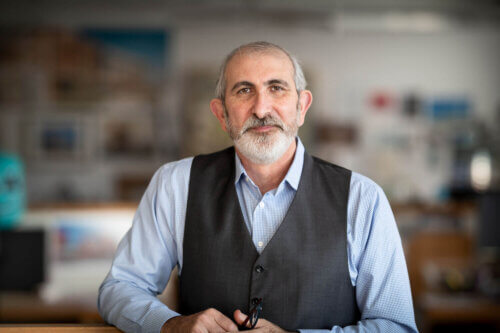
Samir Srouji, AIA, LEED AP, HGA Vice President and Science + Technology Principal / Design Principal, is an award-winning architect with extensive experience designing world-class, interdisciplinary research buildings. Samir’s career bridges the perceived boundaries between architecture, art, engineering, research, and media. His body of work taps into his multidisciplinary approach to design. He is passionate in his belief that crafting spaces that engage all our senses results in richer and more meaningful environments.
Samir’s artwork and architectural installations have been exhibited internationally. He also works as art director and stage set designer, most notably with filmmaker Elia Suleiman on “Chronical of a Disappearance” (1996) and “Divine Intervention” (2002), award-winners at Venice and Cannes film festival respectively. Samir is a founding board member of the Al Ma’mal Foundation for Contemporary Art in Jerusalem, a founding board member of the Center for Arabic Culture in Boston, and serves on the Brandeis University Rose Art Museum Board of Advisors.
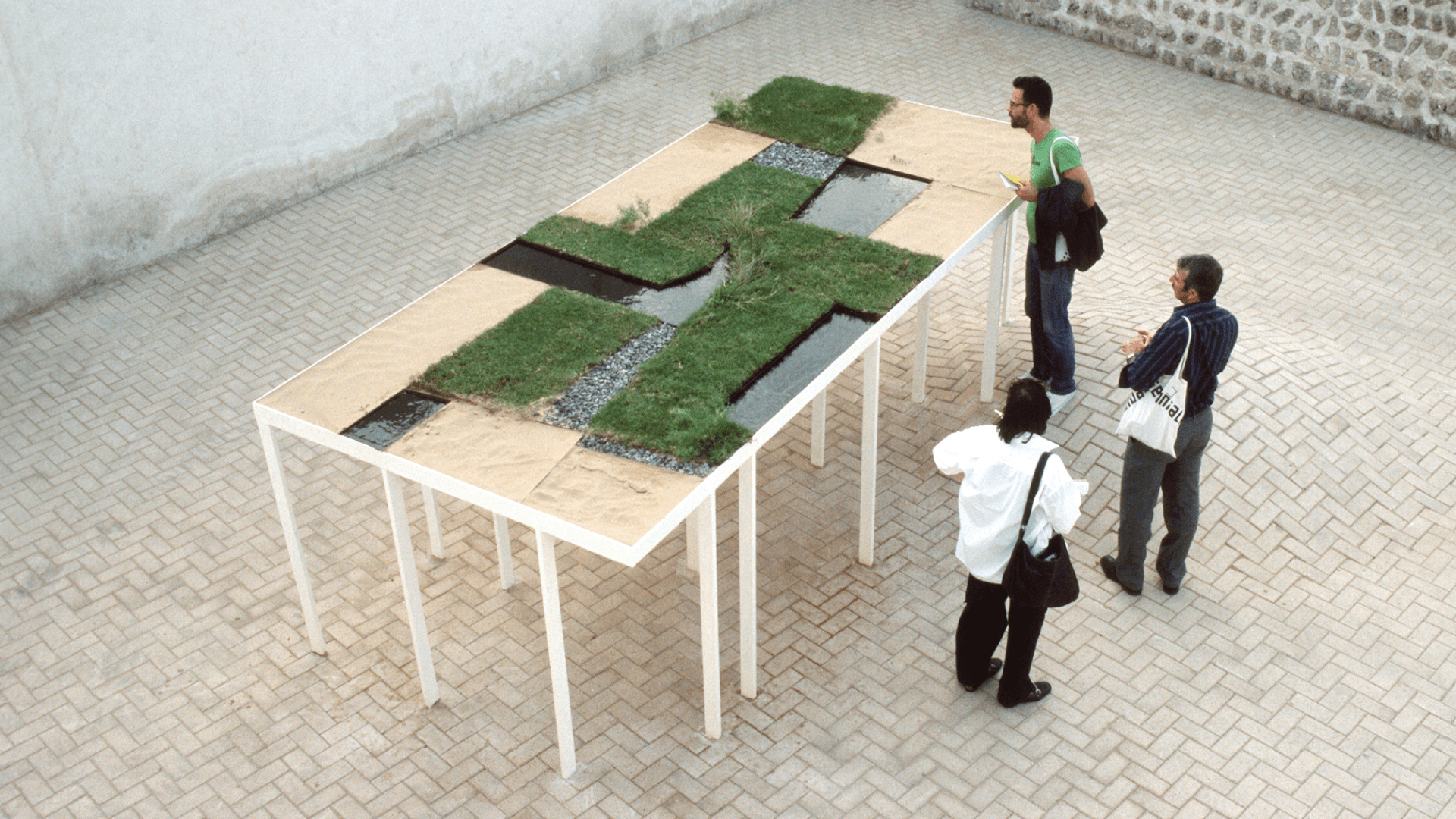
His design sensibility is informed by his background in the arts and filmmaking, as well as his passion for creating sustainable and inspiring environments that elevate architecture as a place of social gathering, creativity, and discovery.
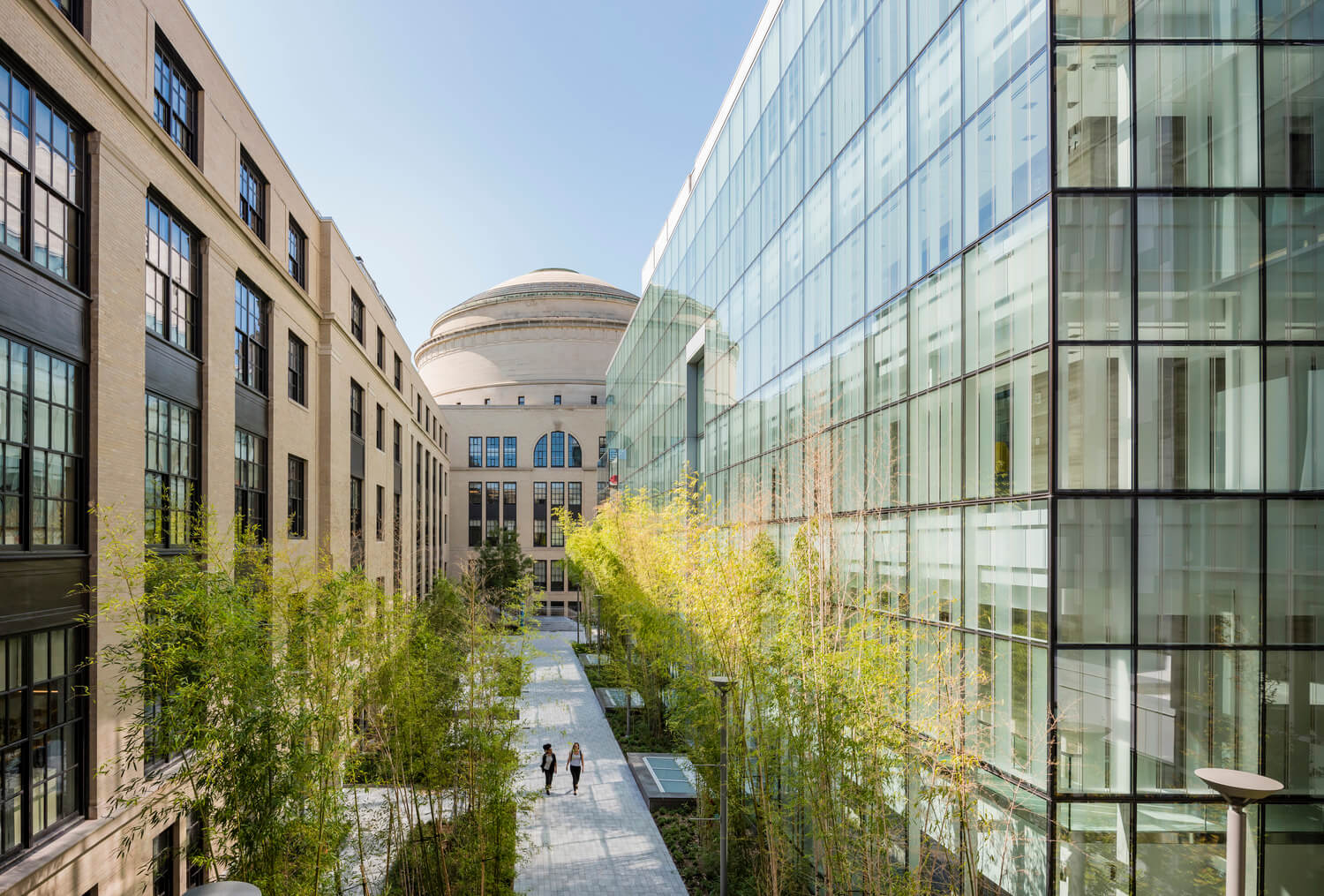
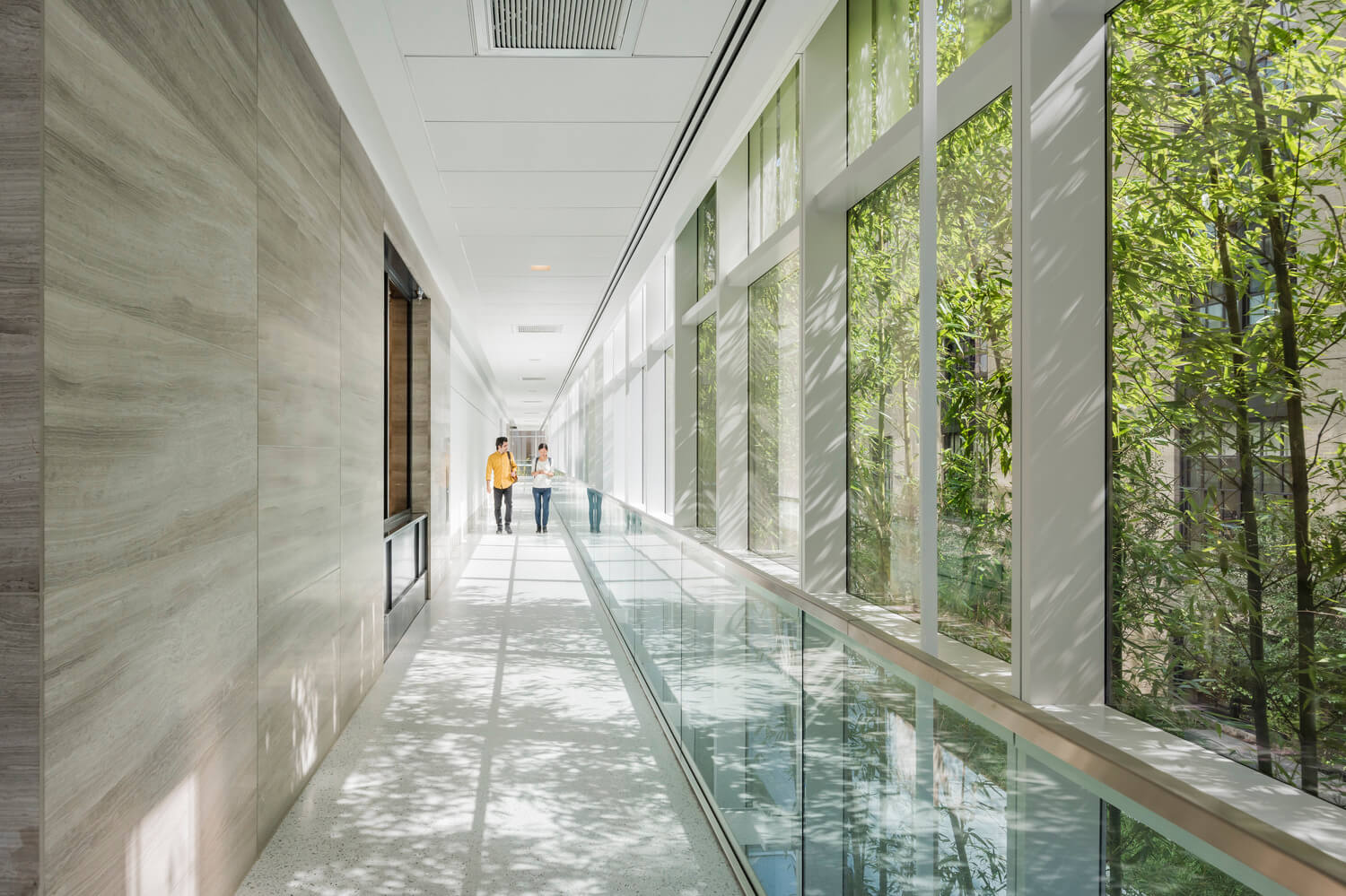
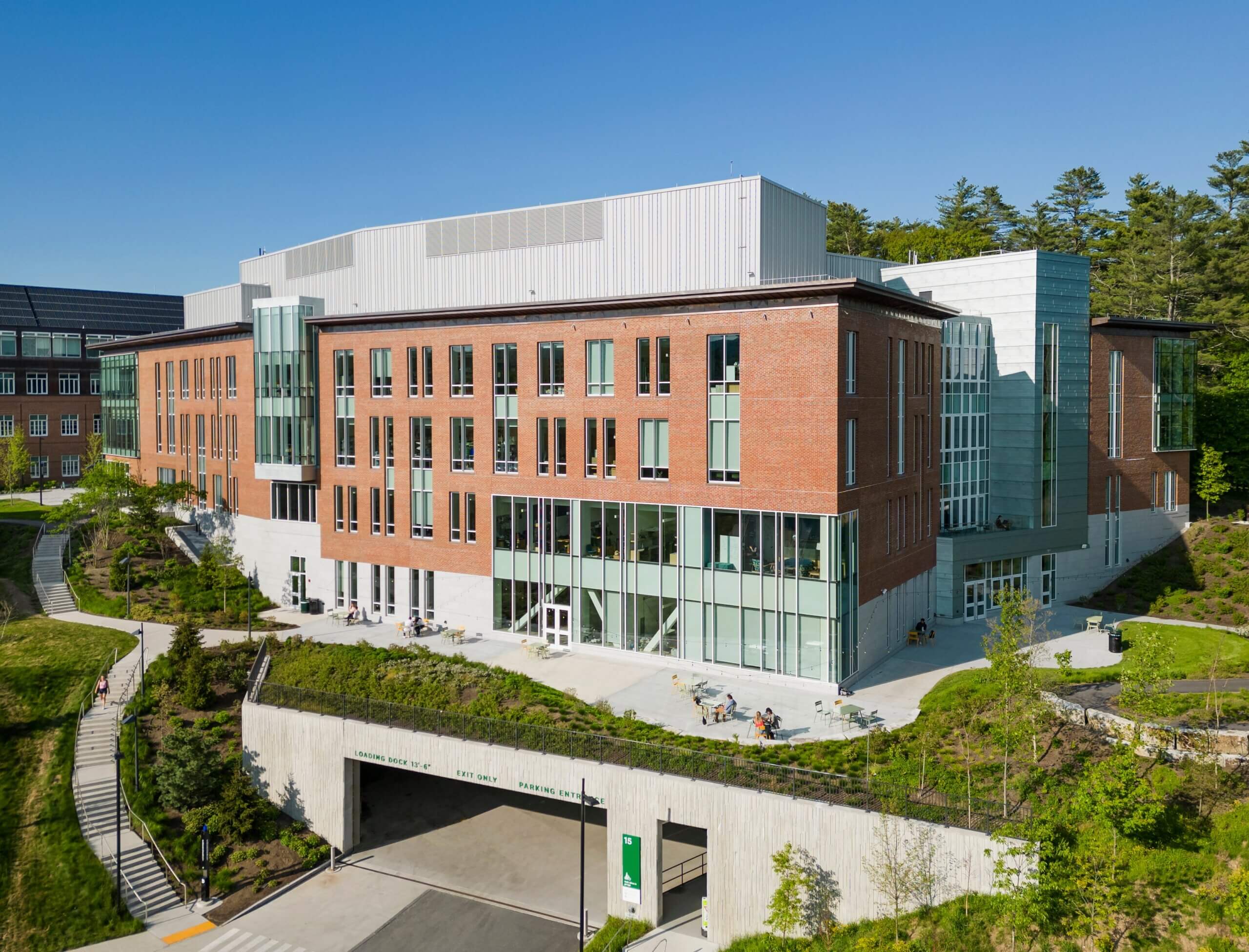
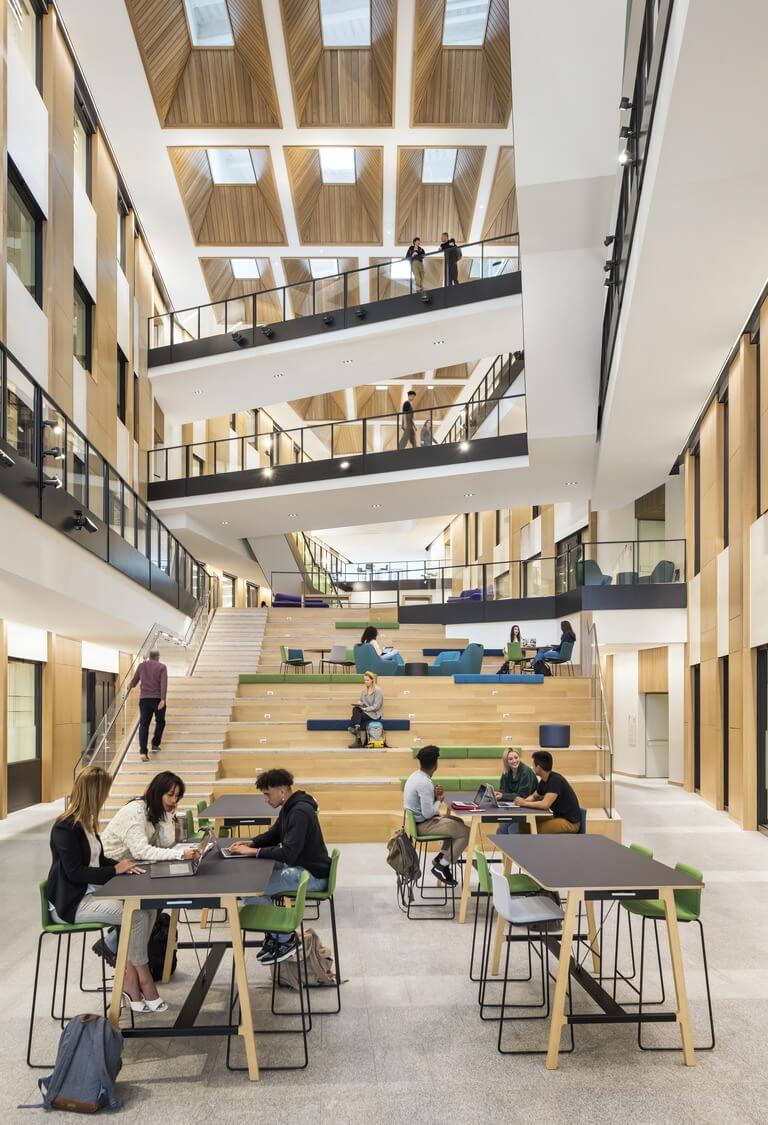
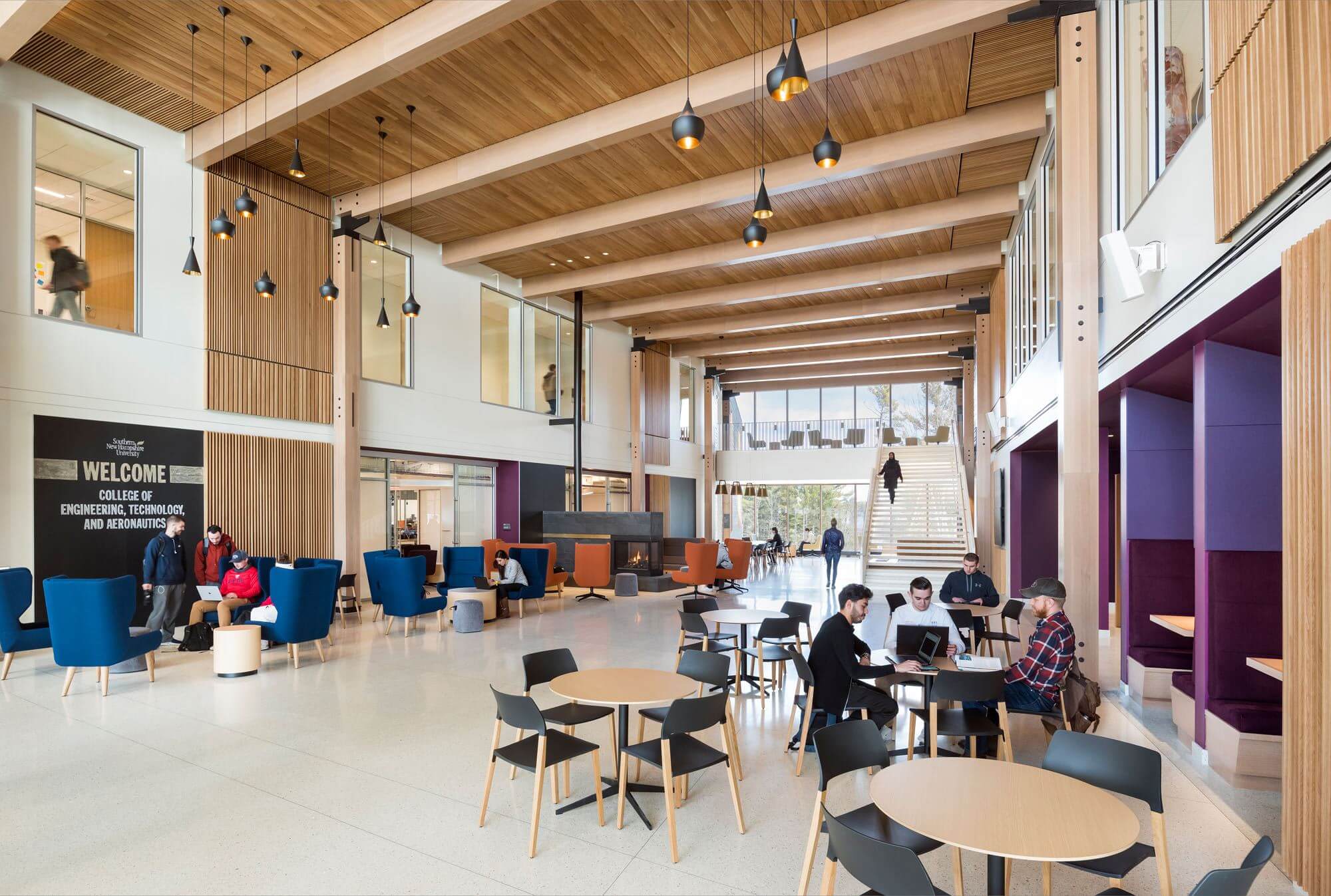
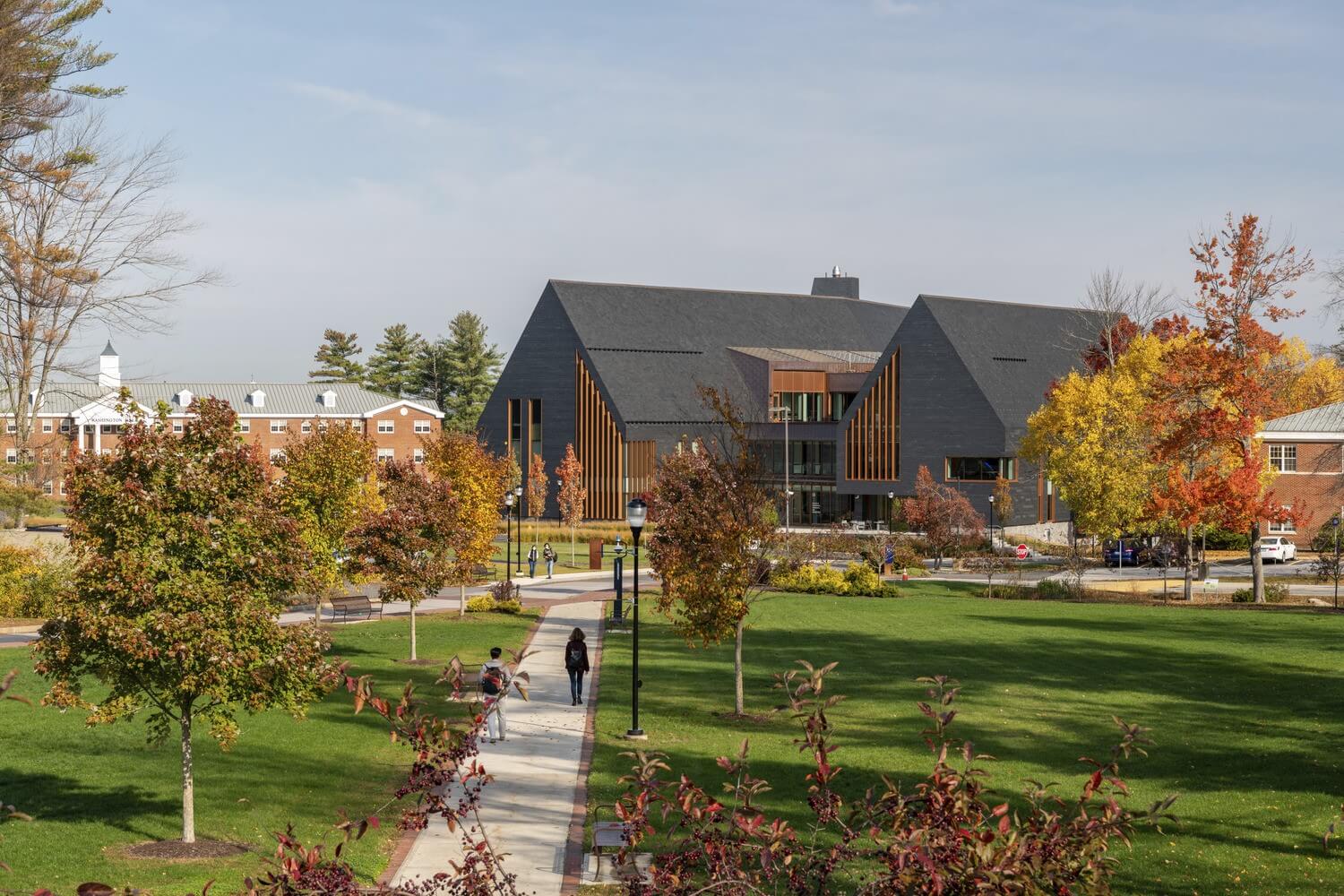
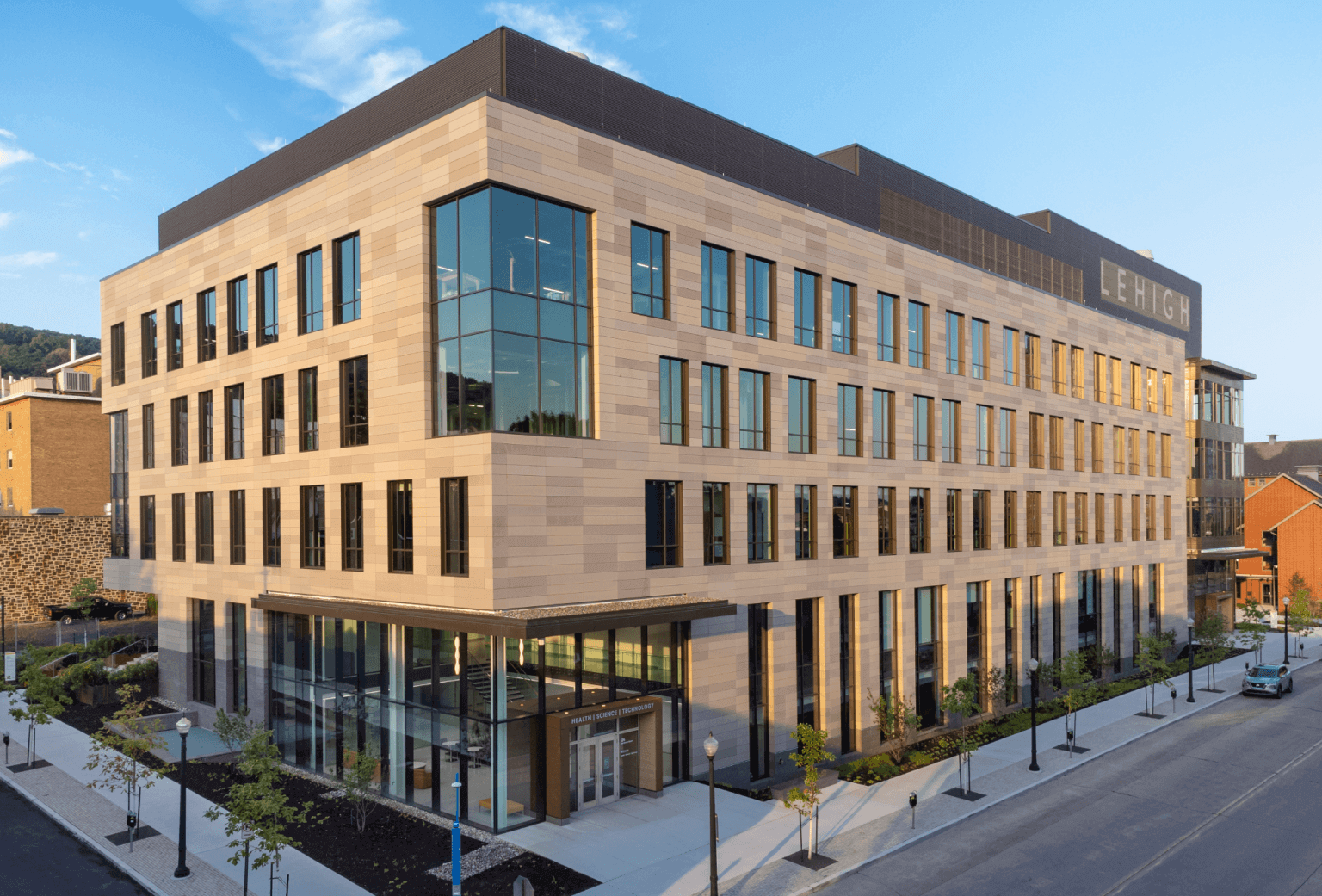
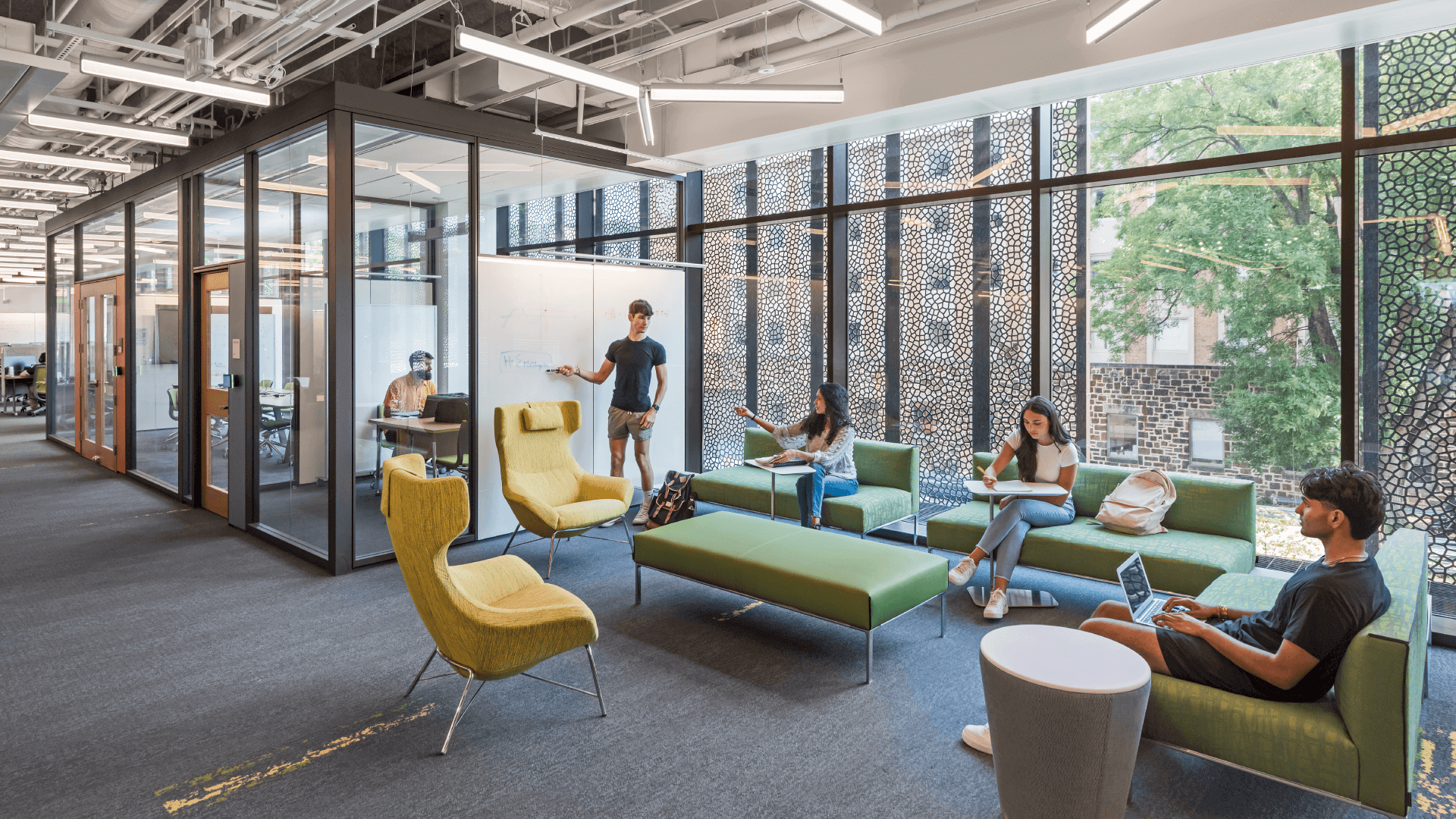
Samir’s award-winning work includes MIT.nano at the Massachusetts Institute of Technology, the Engineering and Computer Science Center at Dartmouth University, the Innovation and Design Education Building at Southern New Hampshire University, and the Health | Science | Technology building at Lehigh University. He is currently the design principal of the new Engineering and Digital Innovation Center at Michigan State University in East Lansing.
In the following, he shares his enthusiasm for leading projects collaboratively while focusing on impactful design to meet clients’ goals.
Tell us about your architectural journey before your current role at HGA.
I graduated with an architecture degree from the University of Oklahoma in 1986 and spent my first 10 years as an architect, working in Boston before leaving and establishing Samir Y. Srouji Architect in Nazareth in 1996. In Israel/Palestine, I worked on various institutional, residential, and architectural installations, including projects in Jerusalem and Bethlehem. Upon returning to Boston in 2001, I joined Wilson Architects, now HGA.
What have you come to understand about the process of working with renowned institutional clients over the years?
I’ve gained a deeper understanding of academic and research institutions and the decision-making process working with a range of stakeholders, from the board of trustees to the president, provost, design committees, planning office, and faculty and student representatives. Each new project involves a multi-dimensional client and it’s important to understand the structure and power matrix.
How do you balance those different voices?
It’s a lot of listening to learn what is most important. For example, retention and recruiting of faculty and researchers are critical to advancing the mission of many of our clients. I partner with them to help achieve their vision and goals. It’s really about being able to speak their language.
You mentioned recruitment. Part of your job, then, is being aware of what peer institutions are doing and bringing that competitive knowledge to the design conversation?
We want to position ourselves as well informed about issues impacting the academic landscape and show how we’ve addressed similar challenges at other top-ranked institutions. Our goal is not to duplicate what we did elsewhere but to bring informed knowledge that elevates an institution’s specific goals. It’s a holistic process, a cumulative process, established over years of learning and growing through our experiences and expertise.

Research is becoming increasingly interdisciplinary. How does this impact your design approach?
There are different levels of interdisciplinary collaboration and it’s important to understand where a client falls within that spectrum. Even when coming together in one place, researchers still want to maintain an identity uniquely theirs. Each discipline—whether engineering, computer science, computational research, life sciences, or other fields—wants their own sign on the wall that says who they are.
How do you find the middle ground?
We talk of hard cores for the identities and soft edges that bring disciplines together. The soft edges become the place where the best interaction and interdisciplinary work takes place. Part of the design formula is creating different environments that foster people connecting, exchanging ideas—formally and informally. It’s similar to a village that has a village square where different neighborhoods get together. We want to maintain the identity of each research expertise while envisioning a village square.
How do the groundbreaking discoveries of your clients inspire your own work?
Some professors share their research papers with us and that’s very satisfying. The scientific language can be quite detailed. Yet you don’t need to understand the science in-depth—but you do need to understand their needs to do the science. That translates into specific programing solutions, such as low vibration, low electric magnetic fields, low acoustical noise, and other technical requirements specific to their research. We’re building part of their experimental space—and that goes back to listening and learning as a partner to design the best setting for that research.
How do you bring an aesthetic sensibility to these technical spaces?
The aesthetic opportunities are reflective of the technical uniqueness of the research space. This is exemplified at MIT.nano. It’s a highly sophisticated machine that puts science and infrastructure on display, creating a holistic aesthetic experience. The air-handling units and valves and electric panels are part of the aesthetics that makes the architecture exciting.
Do you believe architecture can inspire scientific discovery?
I always believe that. I will hear from clients, such as Dartmouth, telling us that the new Engineering and Computer Science Center helped their student and faculty recruitment efforts in a very competitive market. The architecture creates a buzz, a sense of pride, that this is a terrific place where great discoveries can happen.
You design highly complex buildings, yet your background includes art, architectural installations, and even art directions in the film industry. Tell us about that.
We often think of science and creativity existing in separate silos. But as architects, we view ourselves as artists. Architecture is an artistic endeavor, yet it also takes a long time to complete a building.
Art and film, on the other hand, are more immediate with shorter timeframes to complete. Filmmaking, for instance, is about telling a story. In cinema, mise-en-scène establishes an ambience through sets, costumes, lighting, and staging that supports the narrative. That’s exactly what architects do when designing spaces that tell the story of the people who use those spaces. And just as there are different disciplines working together in filmmaking, there are different disciplines working together in architecture to support that narrative.
Do you still apply that artistic side through architecture?
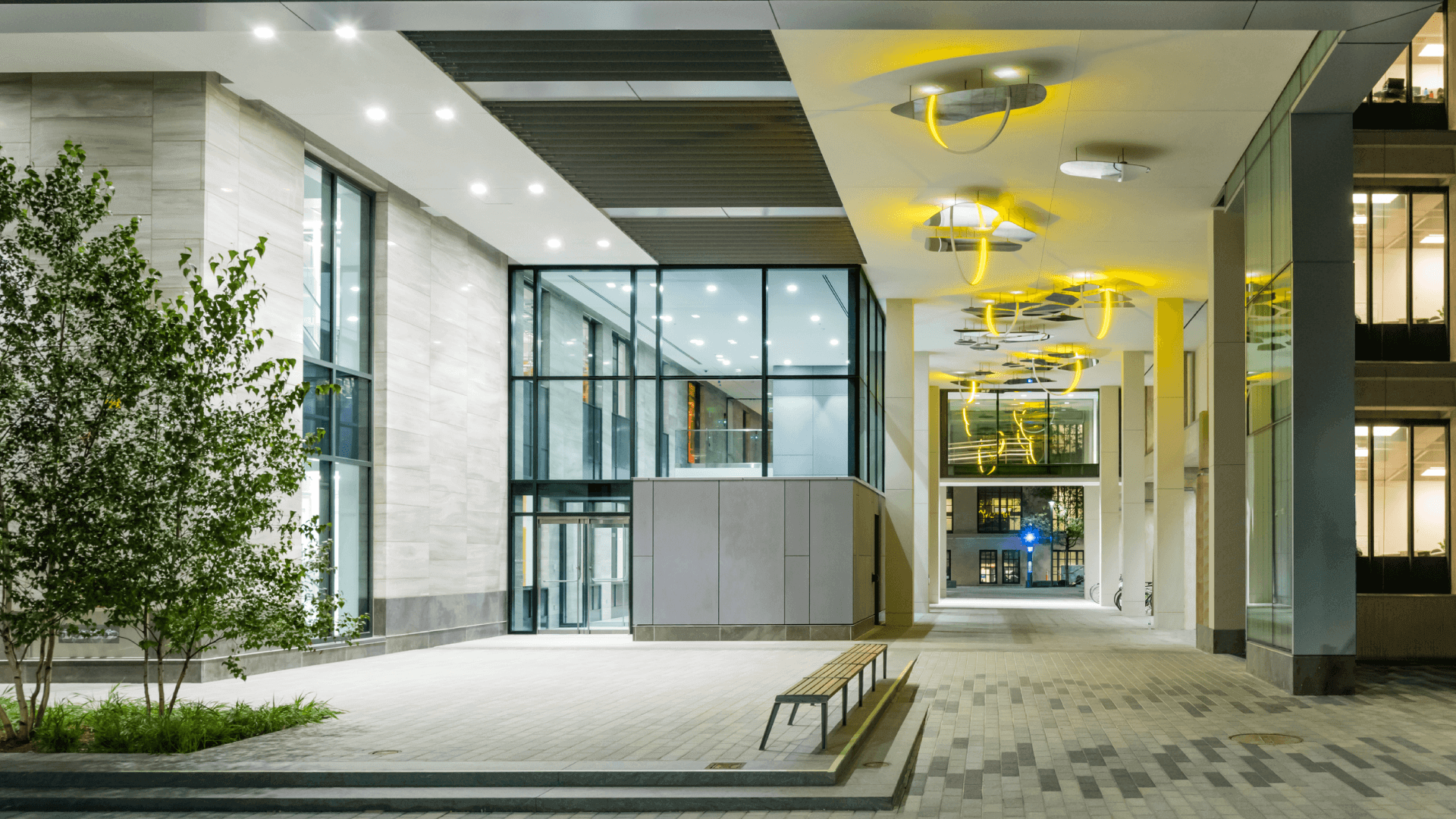
It’s natural for me to float between creative disciplines. I get very excited when I am on a selection committee to choose an artist for a building that we are designing. The creative energy of art and architecture continuously inspires me.

Learn more about Samir’s work in Designed to Advance Interdisciplinary Research, our case study of the Health | Science | Technology (HST) Building at Lehigh University.