
Earth Day 2022:
Spotlight on Sustainability
In the last year, HGA has observed a welcome growth in demand for sustainable design as more of our clients understand the impact of their buildings and set carbon-neutral targets. In recognizing that almost 40% of carbon emissions come from buildings, we accept the opportunity to create dramatic change. As signatory to several carbon-reducing agreements, HGA has put into place the people, tools, and processes to help our clients and projects reach critical climate goals. Our work continues to create positive impact through beauty, functionality, and sustainability.
A Global First, Inspiring the Next Generation
The first renovated building to meet the world’s most rigorous standard for sustainability is at Wolf Ridge Environmental Learning Center in Northern Minnesota. In 2021 the Margaret A. Cargill Lodge renovation of the old West Dormitory achieved full Living Building Challenge (LBC) certification by the International Living Future Institute. HGA, Wolf Ridge leadership, and a team of committed contractors worked closely together to incorporate 20 design imperatives divided among seven areas of green building performance. This achievement is even more significant given the remote location overlooking Lake Superior and the coldest climate of any building to earn LBC certification. Among other milestones, the 22,000-square-foot dormitory has proven its ability to achieve net positive energy and net positive water over a 12-month period, generating more energy than it consumes.
Read More in Enter Magazine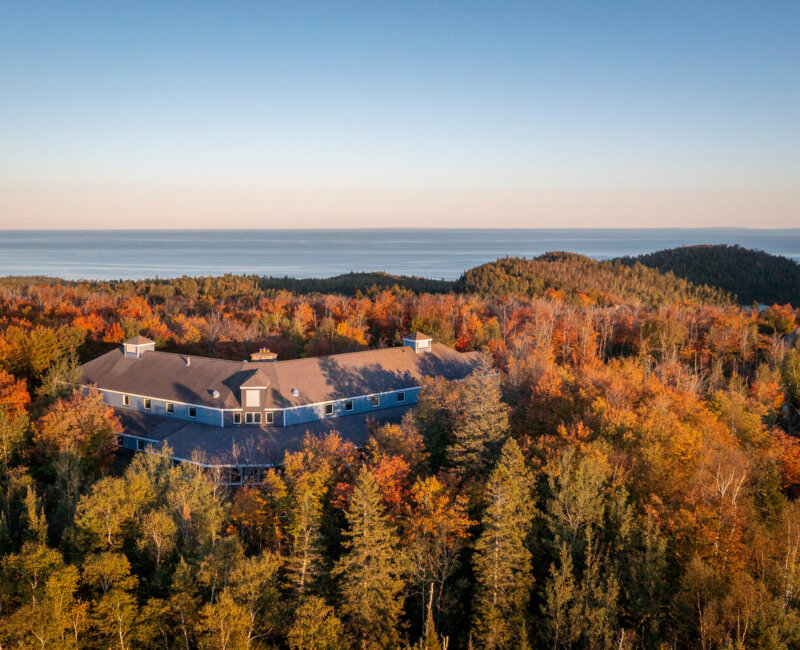
A Global First, Inspiring the Next Generation
The first renovated building to meet the world’s most rigorous standard for sustainability is at Wolf Ridge Environmental Learning Center in Northern Minnesota. In 2021 the Margaret A. Cargill Lodge renovation of the old West Dormitory achieved full Living Building Challenge (LBC) certification by the International Living Future Institute. HGA, Wolf Ridge leadership, and a team of committed contractors worked closely together to incorporate 20 design imperatives divided among seven areas of green building performance. This achievement is even more significant given the remote location overlooking Lake Superior and the coldest climate of any building to earn LBC certification. Among other milestones, the 22,000-square-foot dormitory has proven its ability to achieve net positive energy and net positive water over a 12-month period, generating more energy than it consumes.
Read More in Enter Magazine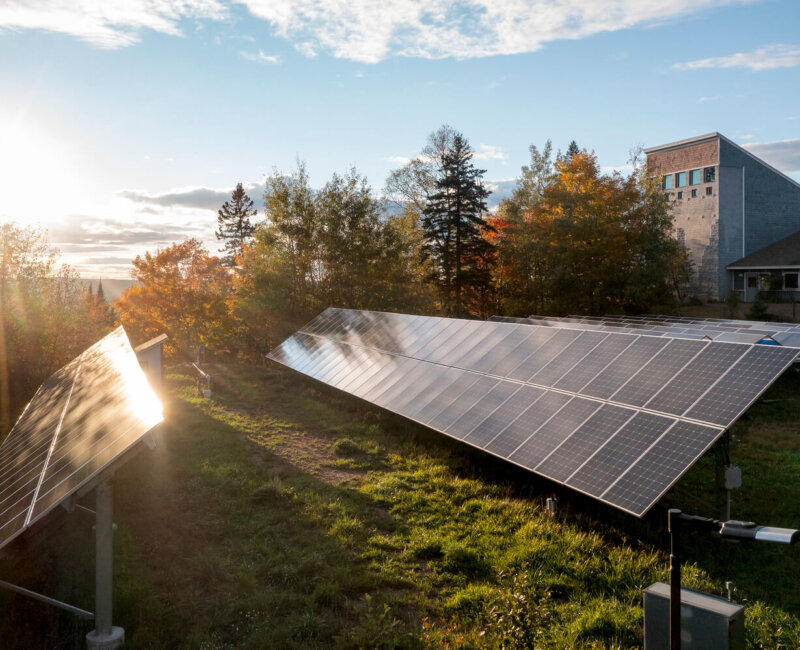
A Global First, Inspiring the Next Generation
The first renovated building to meet the world’s most rigorous standard for sustainability is at Wolf Ridge Environmental Learning Center in Northern Minnesota. In 2021 the Margaret A. Cargill Lodge renovation of the old West Dormitory achieved full Living Building Challenge (LBC) certification by the International Living Future Institute. HGA, Wolf Ridge leadership, and a team of committed contractors worked closely together to incorporate 20 design imperatives divided among seven areas of green building performance. This achievement is even more significant given the remote location overlooking Lake Superior and the coldest climate of any building to earn LBC certification. Among other milestones, the 22,000-square-foot dormitory has proven its ability to achieve net positive energy and net positive water over a 12-month period, generating more energy than it consumes.
Read More in Enter Magazine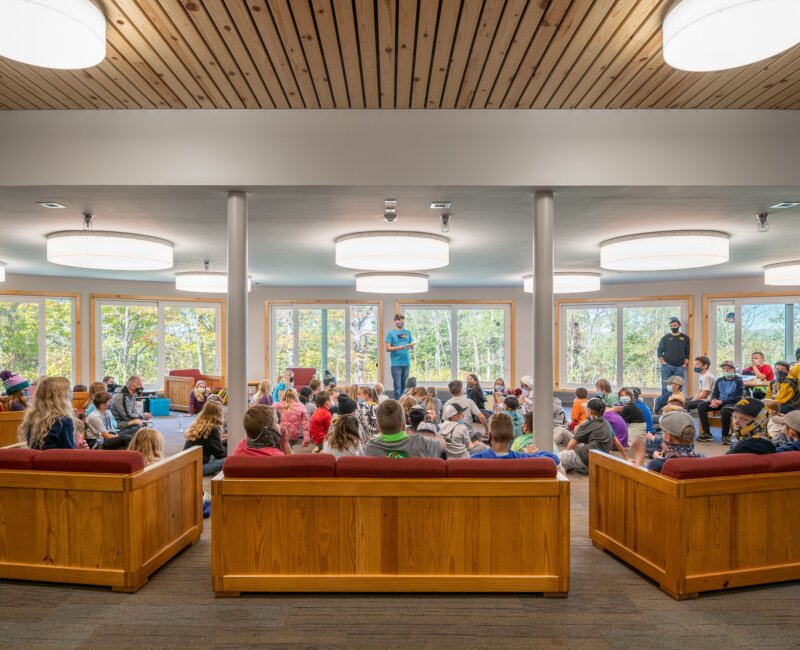
A Global First, Inspiring the Next Generation
The first renovated building to meet the world’s most rigorous standard for sustainability is at Wolf Ridge Environmental Learning Center in Northern Minnesota. In 2021 the Margaret A. Cargill Lodge renovation of the old West Dormitory achieved full Living Building Challenge (LBC) certification by the International Living Future Institute. HGA, Wolf Ridge leadership, and a team of committed contractors worked closely together to incorporate 20 design imperatives divided among seven areas of green building performance. This achievement is even more significant given the remote location overlooking Lake Superior and the coldest climate of any building to earn LBC certification. Among other milestones, the 22,000-square-foot dormitory has proven its ability to achieve net positive energy and net positive water over a 12-month period, generating more energy than it consumes.
Read More in Enter Magazine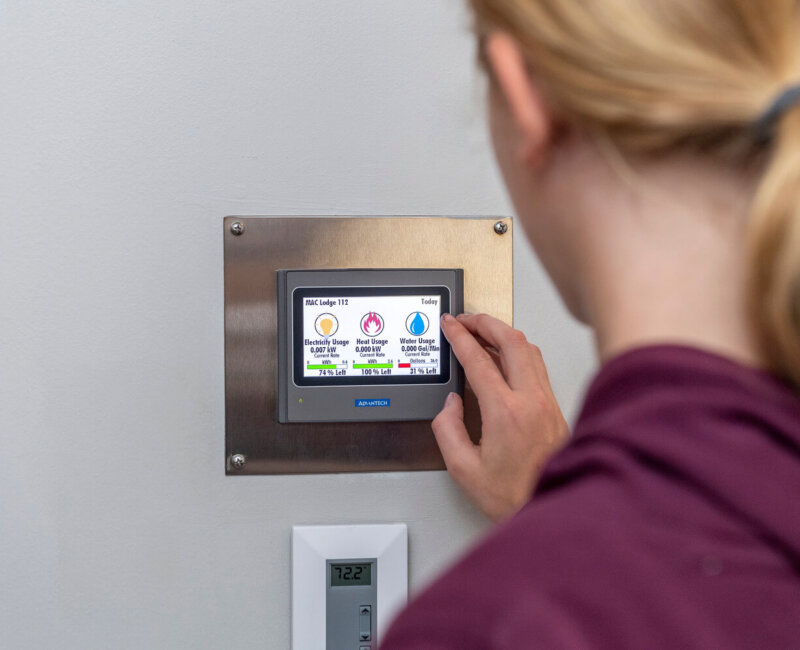
A Global First, Inspiring the Next Generation
The first renovated building to meet the world’s most rigorous standard for sustainability is at Wolf Ridge Environmental Learning Center in Northern Minnesota. In 2021 the Margaret A. Cargill Lodge renovation of the old West Dormitory achieved full Living Building Challenge (LBC) certification by the International Living Future Institute. HGA, Wolf Ridge leadership, and a team of committed contractors worked closely together to incorporate 20 design imperatives divided among seven areas of green building performance. This achievement is even more significant given the remote location overlooking Lake Superior and the coldest climate of any building to earn LBC certification. Among other milestones, the 22,000-square-foot dormitory has proven its ability to achieve net positive energy and net positive water over a 12-month period, generating more energy than it consumes.
Read More in Enter Magazine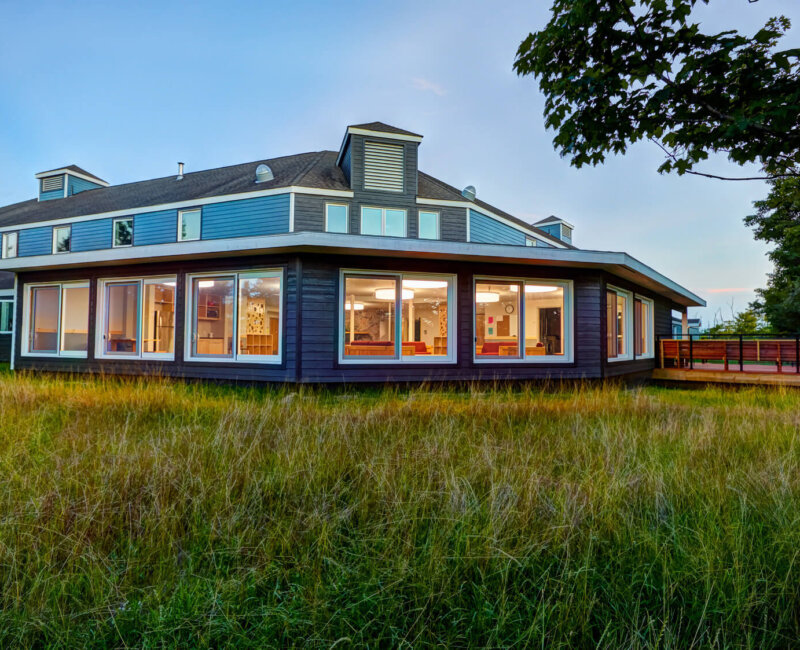
Using Nature to Support Healing
Healing gardens, calming sunlight, natural materials, and plentiful window views of the outdoors: as highlighted by Fast Company, the new St. Elizabeth Healthcare Cancer Center demonstrates how thoughtful biophilic design promotes wellness and enhances healing. In general, incorporating nature into the built environment has been shown to improve knowledge retention and make people healthier, happier, and more productive. In healthcare we use biophilic design to help offset the often-stressful nature of a building’s purpose, such as cancer treatment. Although we incorporate biophilic design into almost every project at HGA, our solutions vary in scope and budget— from strategic placement of greenery in workspaces to a dramatic glass wall that can be folded open to blend indoors and outdoors.
Read More in Fast Company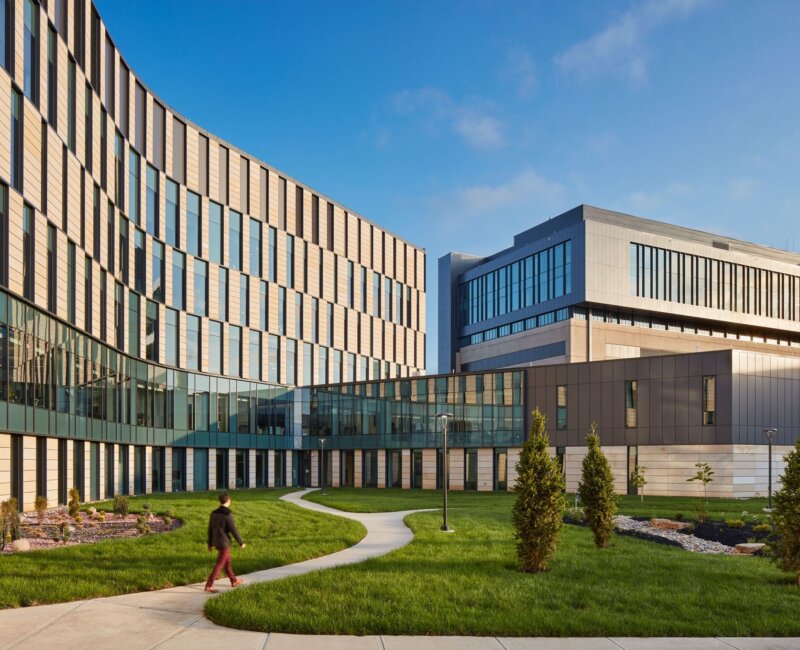
Using Nature to Support Healing
Healing gardens, calming sunlight, natural materials, and plentiful window views of the outdoors: as highlighted by Fast Company, the new St. Elizabeth Healthcare Cancer Center demonstrates how thoughtful biophilic design promotes wellness and enhances healing. In general, incorporating nature into the built environment has been shown to improve knowledge retention and make people healthier, happier, and more productive. In healthcare we use biophilic design to help offset the often-stressful nature of a building’s purpose, such as cancer treatment. Although we incorporate biophilic design into almost every project at HGA, our solutions vary in scope and budget— from strategic placement of greenery in workspaces to a dramatic glass wall that can be folded open to blend indoors and outdoors.
Read More in Fast Company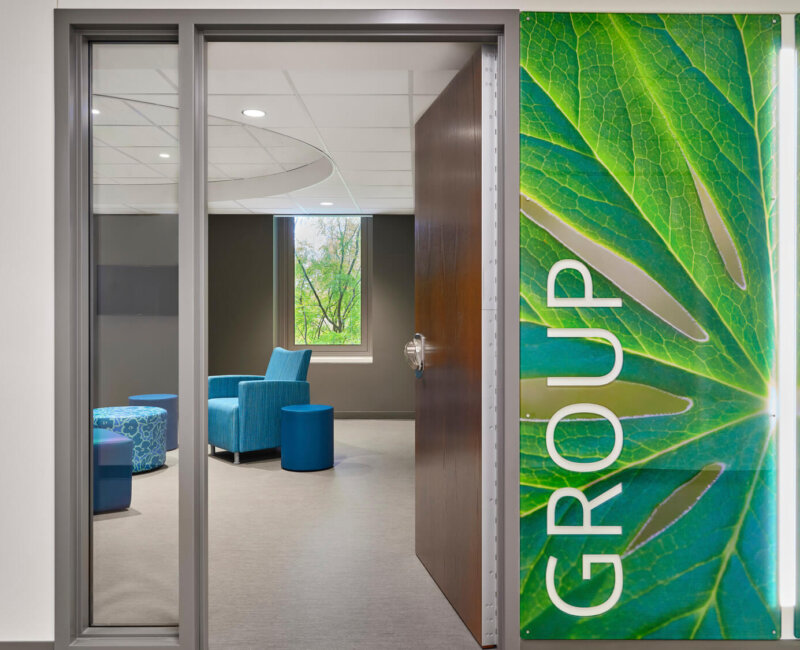
Using Nature to Support Healing
Healing gardens, calming sunlight, natural materials, and plentiful window views of the outdoors: as highlighted by Fast Company, the new St. Elizabeth Healthcare Cancer Center demonstrates how thoughtful biophilic design promotes wellness and enhances healing. In general, incorporating nature into the built environment has been shown to improve knowledge retention and make people healthier, happier, and more productive. In healthcare we use biophilic design to help offset the often-stressful nature of a building’s purpose, such as cancer treatment. Although we incorporate biophilic design into almost every project at HGA, our solutions vary in scope and budget— from strategic placement of greenery in workspaces to a dramatic glass wall that can be folded open to blend indoors and outdoors.
Read More in Fast Company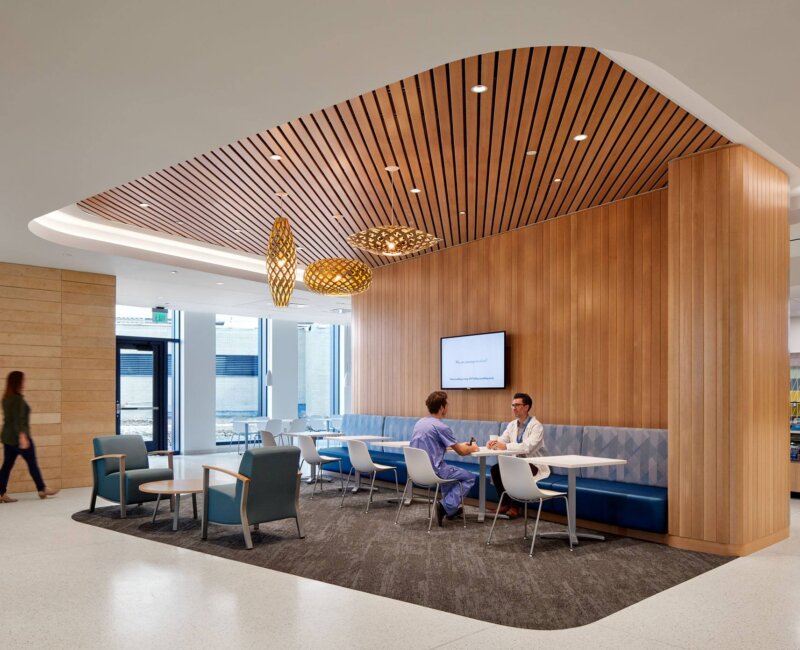
Using Nature to Support Healing
Healing gardens, calming sunlight, natural materials, and plentiful window views of the outdoors: as highlighted by Fast Company, the new St. Elizabeth Healthcare Cancer Center demonstrates how thoughtful biophilic design promotes wellness and enhances healing. In general, incorporating nature into the built environment has been shown to improve knowledge retention and make people healthier, happier, and more productive. In healthcare we use biophilic design to help offset the often-stressful nature of a building’s purpose, such as cancer treatment. Although we incorporate biophilic design into almost every project at HGA, our solutions vary in scope and budget— from strategic placement of greenery in workspaces to a dramatic glass wall that can be folded open to blend indoors and outdoors.
Read More in Fast Company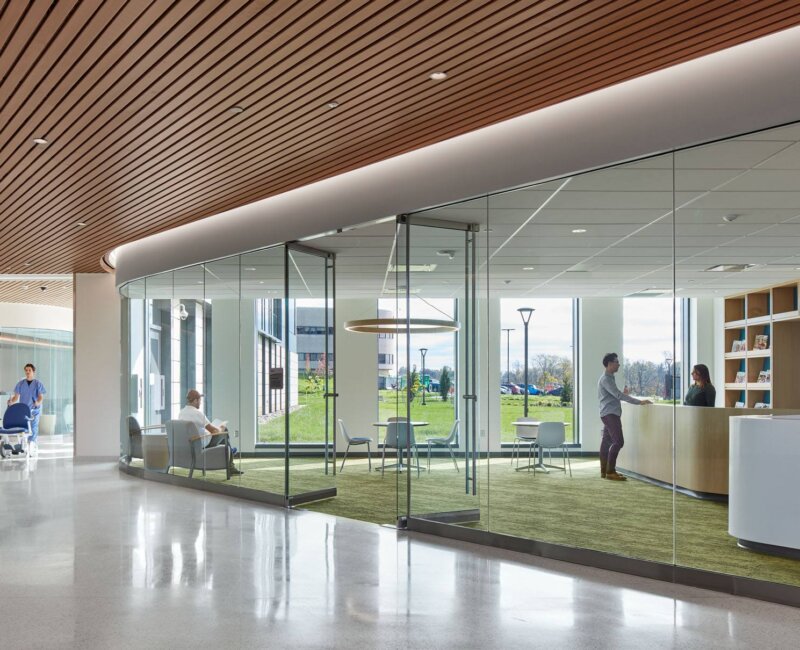
Using Nature to Support Healing
Healing gardens, calming sunlight, natural materials, and plentiful window views of the outdoors: as highlighted by Fast Company, the new St. Elizabeth Healthcare Cancer Center demonstrates how thoughtful biophilic design promotes wellness and enhances healing. In general, incorporating nature into the built environment has been shown to improve knowledge retention and make people healthier, happier, and more productive. In healthcare we use biophilic design to help offset the often-stressful nature of a building’s purpose, such as cancer treatment. Although we incorporate biophilic design into almost every project at HGA, our solutions vary in scope and budget— from strategic placement of greenery in workspaces to a dramatic glass wall that can be folded open to blend indoors and outdoors.
Read More in Fast Company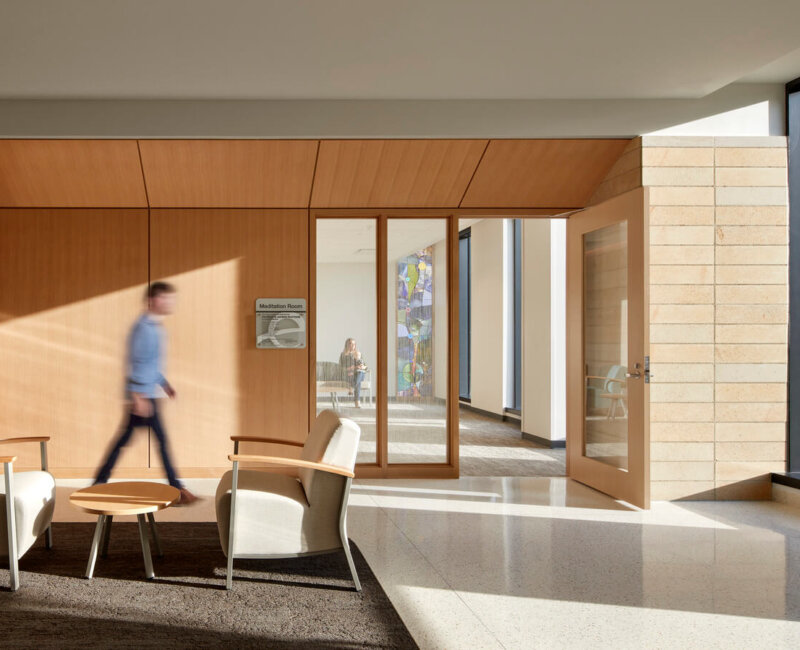
Decarbonization in Action
Decarbonization is integral to modern design. By considering decarbonization strategies as teaching tools, we can inspire and educate the next generation. HGA has created “living labs” in several recent projects that visibly demonstrate sustainable design solutions as well as the real-time carbon impact of building operation. At Forest Edge Elementary School, viewing areas showcase the green roof and solar arrays, while monitors display a real-time energy dashboard with ongoing performance compared to the net-zero energy target. The new zero-energy Westwood Hills Nature Center demonstrates passive and active strategies for energy efficiency, stormwater management, and site orientation to maximize solar and wind angles. And at Bowdoin College, the use of a mass timber structural system in a new two-building project reduces the embodied carbon footprint of the structure by approximately 75% when compared to a traditional steel structure.
Learn More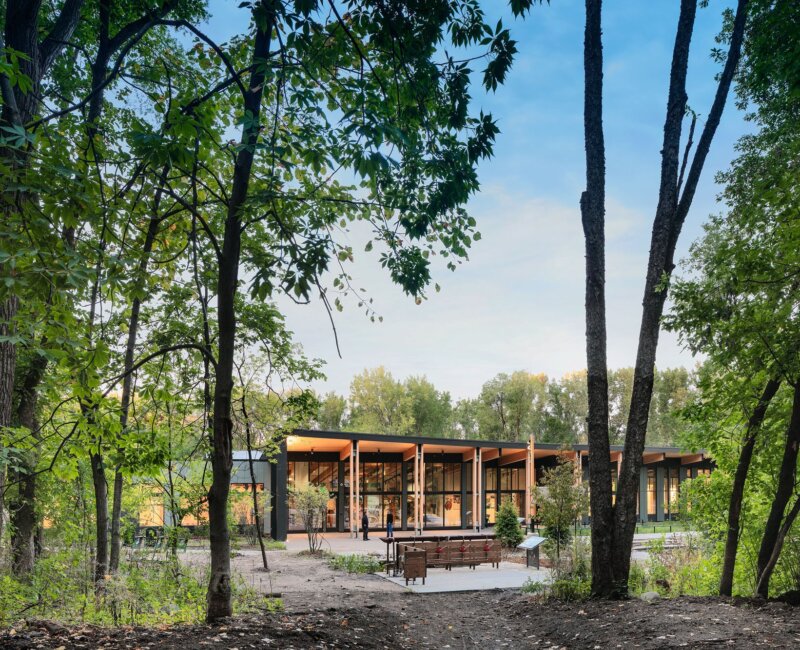
Decarbonization in Action
Decarbonization is integral to modern design. By considering decarbonization strategies as teaching tools, we can inspire and educate the next generation. HGA has created “living labs” in several recent projects that visibly demonstrate sustainable design solutions as well as the real-time carbon impact of building operation. At Forest Edge Elementary School, viewing areas showcase the green roof and solar arrays, while monitors display a real-time energy dashboard with ongoing performance compared to the net-zero energy target. The new zero-energy Westwood Hills Nature Center demonstrates passive and active strategies for energy efficiency, stormwater management, and site orientation to maximize solar and wind angles. And at Bowdoin College, the use of a mass timber structural system in a new two-building project reduces the embodied carbon footprint of the structure by approximately 75% when compared to a traditional steel structure.
Learn More
Decarbonization in Action
Decarbonization is integral to modern design. By considering decarbonization strategies as teaching tools, we can inspire and educate the next generation. HGA has created “living labs” in several recent projects that visibly demonstrate sustainable design solutions as well as the real-time carbon impact of building operation. At Forest Edge Elementary School, viewing areas showcase the green roof and solar arrays, while monitors display a real-time energy dashboard with ongoing performance compared to the net-zero energy target. The new zero-energy Westwood Hills Nature Center demonstrates passive and active strategies for energy efficiency, stormwater management, and site orientation to maximize solar and wind angles. And at Bowdoin College, the use of a mass timber structural system in a new two-building project reduces the embodied carbon footprint of the structure by approximately 75% when compared to a traditional steel structure.
Learn More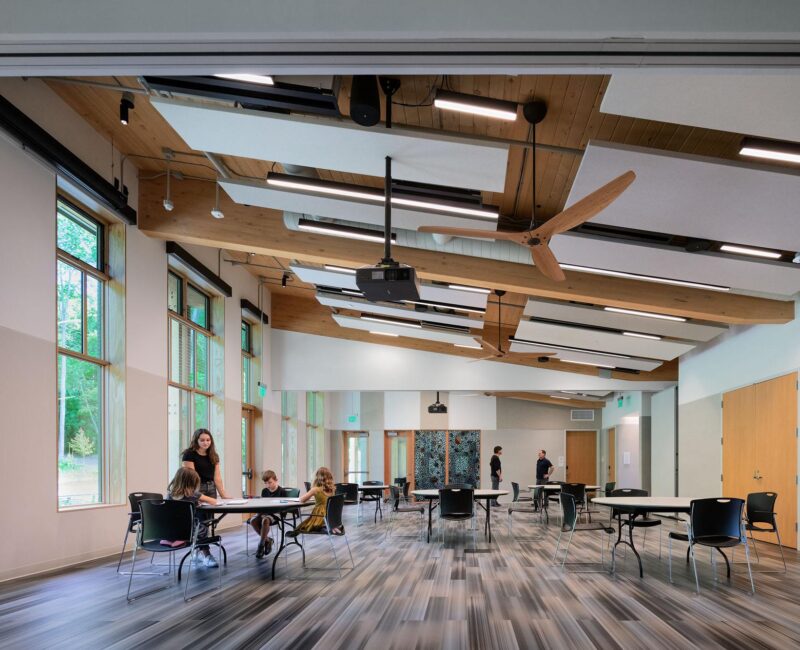
Decarbonization in Action
Decarbonization is integral to modern design. By considering decarbonization strategies as teaching tools, we can inspire and educate the next generation. HGA has created “living labs” in several recent projects that visibly demonstrate sustainable design solutions as well as the real-time carbon impact of building operation. At Forest Edge Elementary School, viewing areas showcase the green roof and solar arrays, while monitors display a real-time energy dashboard with ongoing performance compared to the net-zero energy target. The new zero-energy Westwood Hills Nature Center demonstrates passive and active strategies for energy efficiency, stormwater management, and site orientation to maximize solar and wind angles. And at Bowdoin College, the use of a mass timber structural system in a new two-building project reduces the embodied carbon footprint of the structure by approximately 75% when compared to a traditional steel structure.
Learn More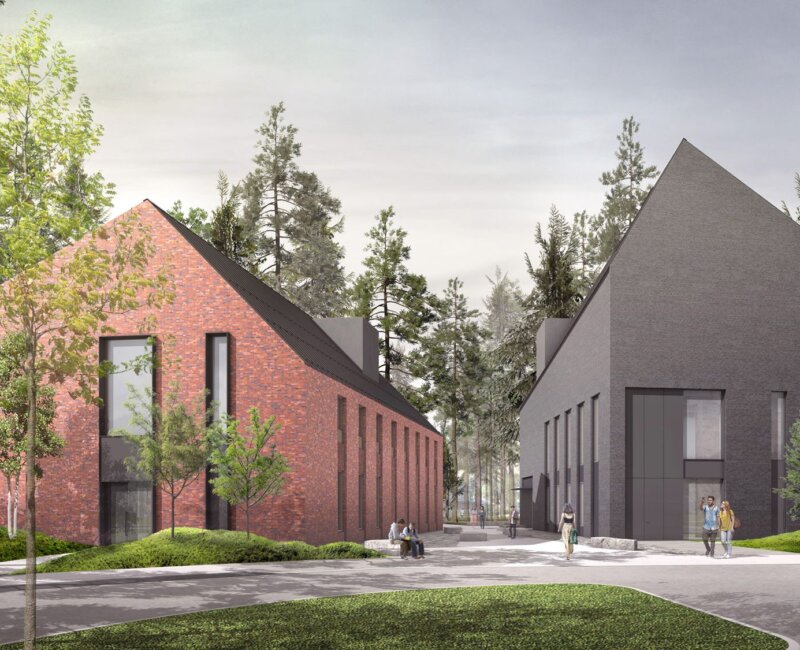
Decarbonization in Action
Decarbonization is integral to modern design. By considering decarbonization strategies as teaching tools, we can inspire and educate the next generation. HGA has created “living labs” in several recent projects that visibly demonstrate sustainable design solutions as well as the real-time carbon impact of building operation. At Forest Edge Elementary School, viewing areas showcase the green roof and solar arrays, while monitors display a real-time energy dashboard with ongoing performance compared to the net-zero energy target. The new zero-energy Westwood Hills Nature Center demonstrates passive and active strategies for energy efficiency, stormwater management, and site orientation to maximize solar and wind angles. And at Bowdoin College, the use of a mass timber structural system in a new two-building project reduces the embodied carbon footprint of the structure by approximately 75% when compared to a traditional steel structure.
Learn More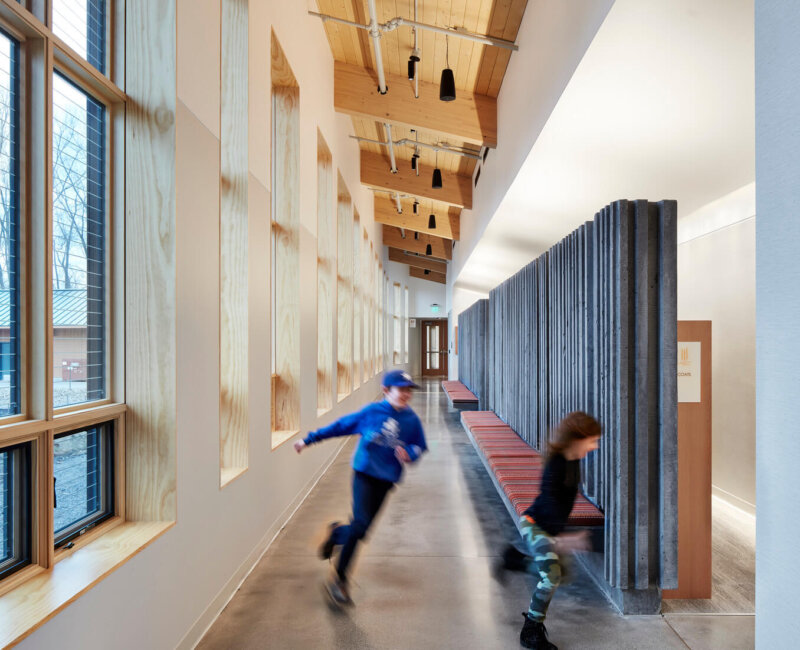
Your Partner in Carbon
Neutral Planning
Responsible energy planning for cities, campuses, and real estate portfolios should be a holistic, proactive process that includes goal setting, assessment of current systems, and identification of solutions to align desired performance benchmarks, timelines, and capital constraints. HGA’s experience in master planning for carbon neutrality allows us to develop creative, viable strategies for our clients. With a goal of 100% renewable energy and net zero carbon emissions by 2030, the City of Madison engaged HGA to develop a viable master plan and to catalog energy and sustainability options for the city to consider. As Master Criteria Architect for the State of California’s new 365,000-square-foot high-performance office building constructed in Sacramento’s downtown core, HGA established performance criteria, leading the process from conceptual design through performance analysis for one of the first large scale urban zero net energy / LEED Gold 4.0 buildings in the country. This project sets the new paradigm for the state’s office buildings moving forward.
Read More About Madison
Your Partner in Carbon
Neutral Planning
Responsible energy planning for cities, campuses, and real estate portfolios should be a holistic, proactive process that includes goal setting, assessment of current systems, and identification of solutions to align desired performance benchmarks, timelines, and capital constraints. HGA’s experience in master planning for carbon neutrality allows us to develop creative, viable strategies for our clients. With a goal of 100% renewable energy and net zero carbon emissions by 2030, the City of Madison engaged HGA to develop a viable master plan and to catalog energy and sustainability options for the city to consider. As Master Criteria Architect for the State of California’s new 365,000-square-foot high-performance office building constructed in Sacramento’s downtown core, HGA established performance criteria, leading the process from conceptual design through performance analysis for one of the first large scale urban zero net energy / LEED Gold 4.0 buildings in the country. This project sets the new paradigm for the state’s office buildings moving forward.
Read More About Sacramento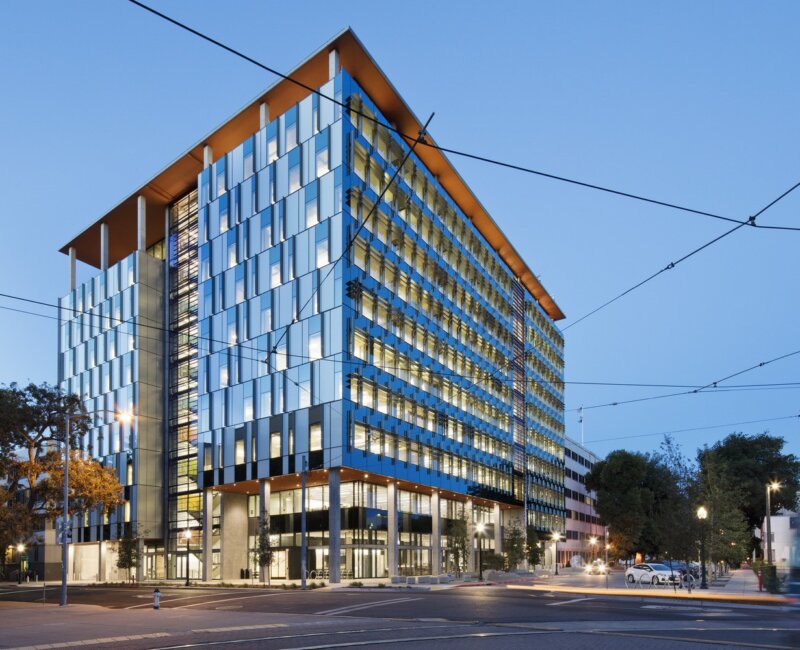
Your Partner in Carbon
Neutral Planning
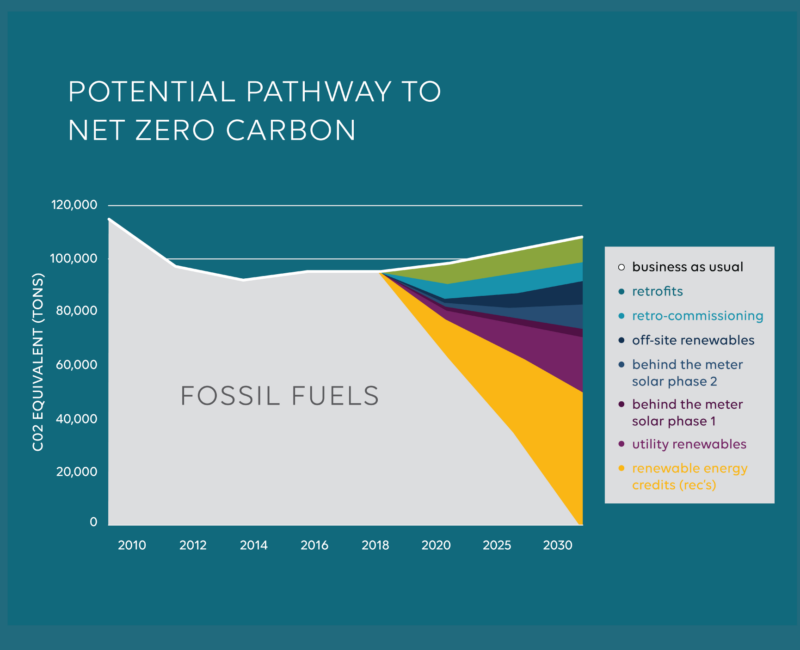
Responsible energy planning for cities, campuses, and real estate portfolios should be a holistic, proactive process that includes goal setting, assessment of current systems, and identification of solutions to align desired performance benchmarks, timelines, and capital constraints. HGA’s experience in master planning for carbon neutrality allows us to develop creative, viable strategies for our clients. With a goal of 100% renewable energy and net zero carbon emissions by 2030, the City of Madison engaged HGA to develop a viable master plan and to catalog energy and sustainability options for the city to consider. As Master Criteria Architect for the State of California’s new 365,000-square-foot high-performance office building constructed in Sacramento’s downtown core, HGA established performance criteria, leading the process from conceptual design through performance analysis for one of the first large scale urban zero net energy / LEED Gold 4.0 buildings in the country. This project sets the new paradigm for the state’s office buildings moving forward.
Walking the Talk
“It is our responsibility to elevate the level of sustainable design on every project we touch, because good design and sustainability are inseparable. We have been building the collective knowledge and resources needed to ensure a holistic, collaborative approach that integrates energy modeling and environmental analysis early in the design process.”
—Tim Carl, CEO

LEED Certifications at HGA
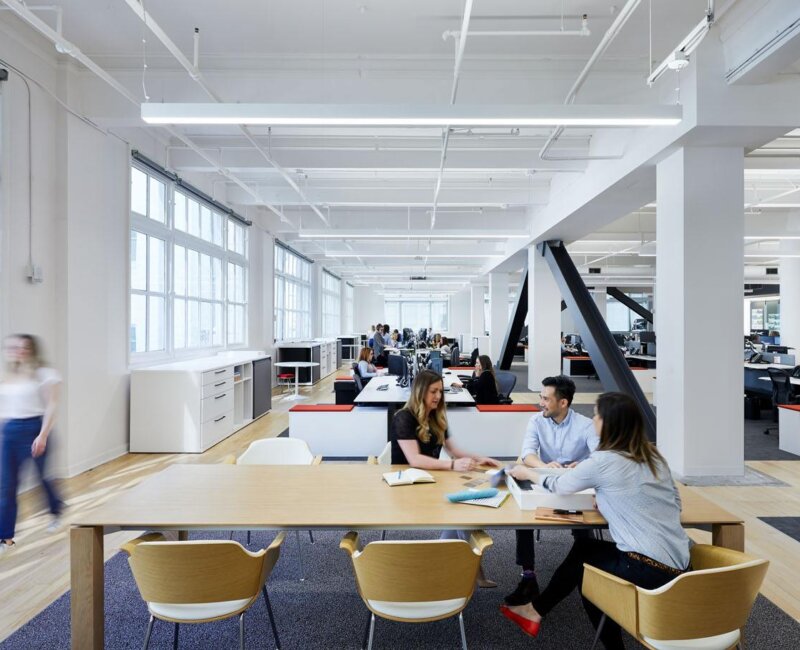
For decades, LEED certification has been the gold standard in green design, a benchmark of sustainable performance in design, construction, maintenance, and operation. Four of our 12 offices have achieved LEED Gold or Platinum certification. Moving forward, we will use every lease renewal, expansion, or move as an opportunity to evaluate certification programs and plan to certify every office through a third-party verified program.
WELL Ratings Underway
We want our employees and visitors to feel confident that HGA’s post COVID-19 workspaces are as safe and healthy as possible. We are in the process of obtaining WELL Health-Safety seals for all 12 of our offices—a visible sign that best practices have been adopted and third-party verified. The WELL Health-Safety rating focuses on several areas: cleaning and sanitation procedures; emergency preparedness programs; health service resources; air and water quality management; and stakeholder engagement and communication.
Understanding Our
Carbon Footprint
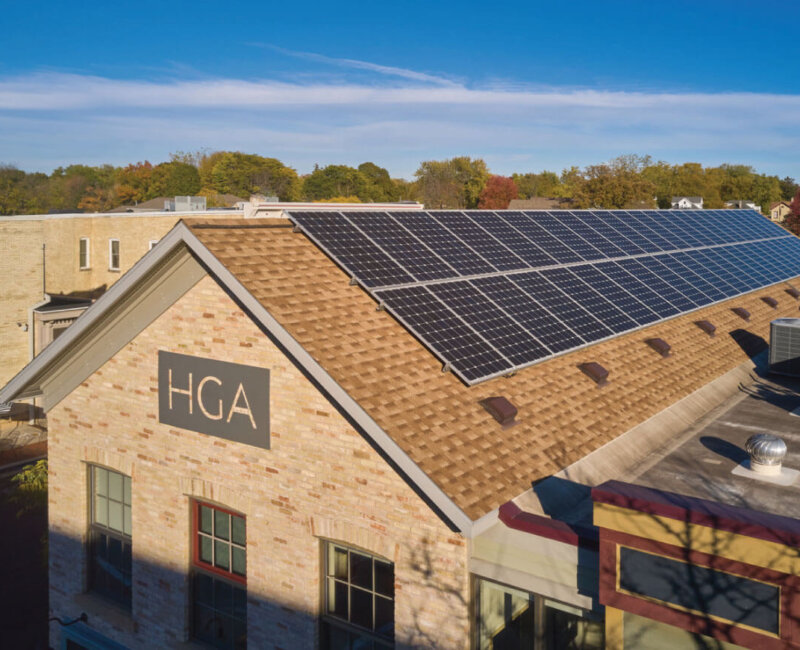
In tandem with helping our clients reduce their carbon footprint, we are evaluating our own operations and setting quantitative goals and strategies to actively reduce our carbon footprint with the goal of decarbonization of all 12 offices. Current initiatives include encouraging carbon-free transportation; reducing operational energy use; reducing water use; evaluating and reducing equipment energy use; and purchasing products with reusable, recyclable, or compostable materials.