
The federal government is reshaping its real estate footprint. With recent reductions in staffing and ongoing shifts in work patterns, agencies are consolidating into fewer buildings, and the General Services Administration (GSA) is starting to dispose of properties that no longer align with its goals.
In Washington, D.C., more than a dozen federal buildings around the L’Enfant Plaza and Federal Center SW Metro stations could change hands as part of an effort to remake roughly 230 acres into a mixed-use neighborhood. Several large federal office buildings across the capital city, plus smaller GSA-owned properties in places ranging from Kansas City to New Orleans, are likely to see public or privately led conversions in the coming year as well.
But conversion isn’t an easy task. It works best when the following questions are considered:
Is the facility a good fit for the tenant agency?
Each agency has its own mission, culture, and security needs. Some have programs that are public-facing, while others prefer not to advertise their presence. Asking multiple agencies to occupy the same facility can be complicated.
What’s more, in the past, an agency might have occupied a whole building or a whole floor. Increasingly, GSA is recommending that multiple agencies share floors, which raises questions about secure access and entry protocols. Circulation within a facility can also be a concern: A federal courthouse, for example, needs separate, controlled paths for judges, jurors, defendants, and the public. Every agency has unique requirements.
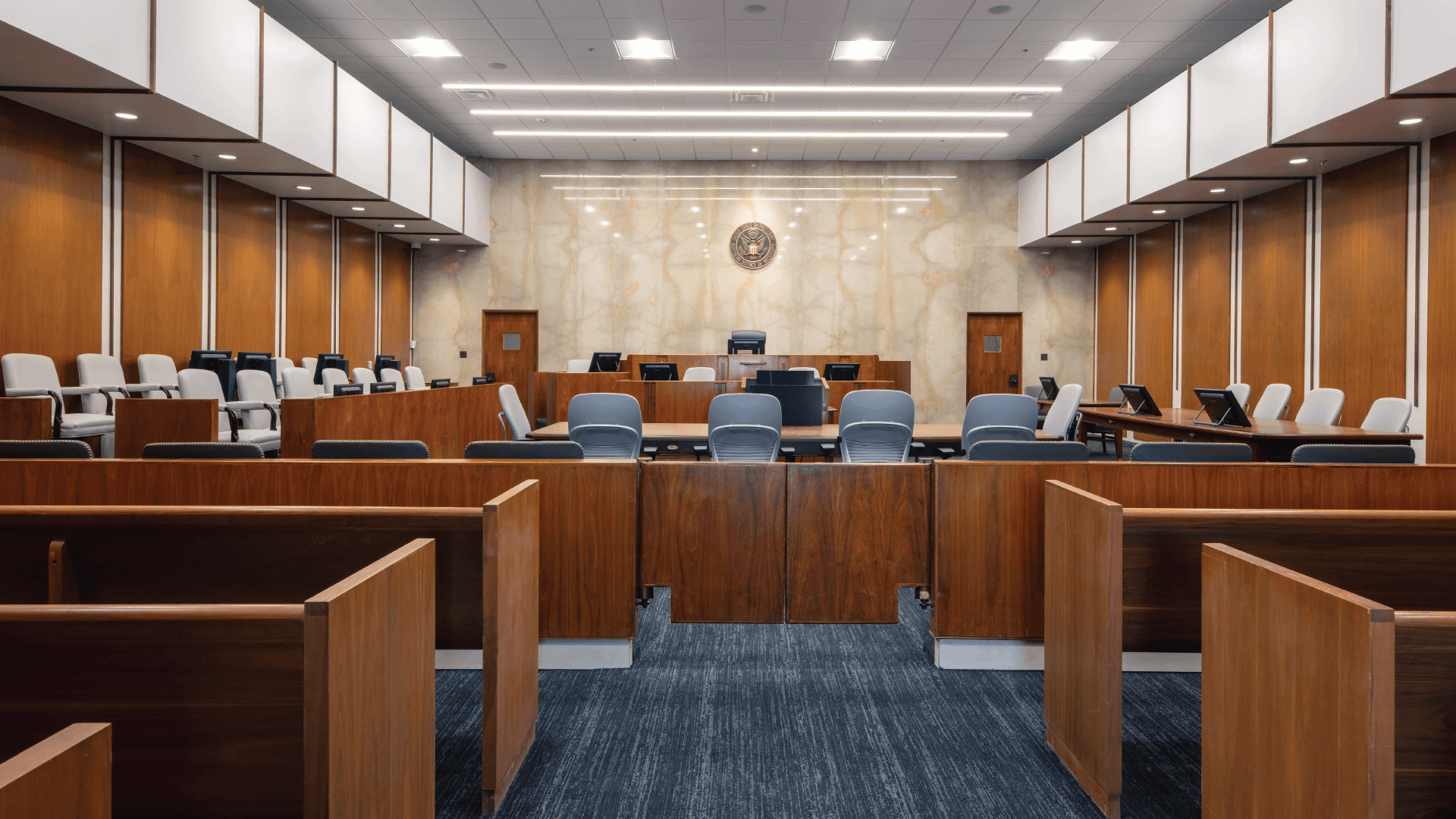

Thoughtful restoration and modernization of the Abernethy Federal Courthouse in Aberdeen, Mississippi, create a renewed civic environment that supports federal operations while preserving the building’s historic character.
What is required for building conversion?
Before any move, the facility being considered for conversion needs an honest assessment of its structure, envelope, mechanical systems, and code compliance, as well as the realistic cost of bringing everything up to current standards. Some buildings will modernize easily. Others will not.
For the GSA, understanding the options is vital. Recently hired to evaluate potential reuse of five GSA facilities, HGA suggested a wide range of possibilities, offering decisionmakers clarity on the tradeoffs of each choice.
Does the design follow best practices for reuse?
Reuse decisions should be rooted in evidence. A recent literature review by HGA’s Design Insight Group surfaced several findings that can be applied to federal work. Our assessment confirmed, for example, that deep floor plates are generally required for mixed-use programs, while shallower spaces can accommodate single-purpose programs.
Also, reuse can pencil out, but it is not automatically cheaper than new construction. MEP replacement, hazardous material remediation, and structural retrofits can erode the potential savings.
Is the team ready to respond to the unexpected?
Renovations—federal or otherwise—move fastest when experts in architecture, engineering, and interior design, as well as those handling security, acoustics, and other technical matters, can communicate easily. Having multiple disciplines in-house, as HGA does, shortens the loop. When a GSA project manager needs to know whether a security upgrade will affect MEP capacity, for example, the answer doesn’t require a week of coordination meetings. Possible solutions can be developed quickly by our integrated team.
Can the team ease the transition?
Moving and merging federal workers into a new space can be a complex challenge. Change management can smooth the transition into a newly designed space, creating buy-in among staff.
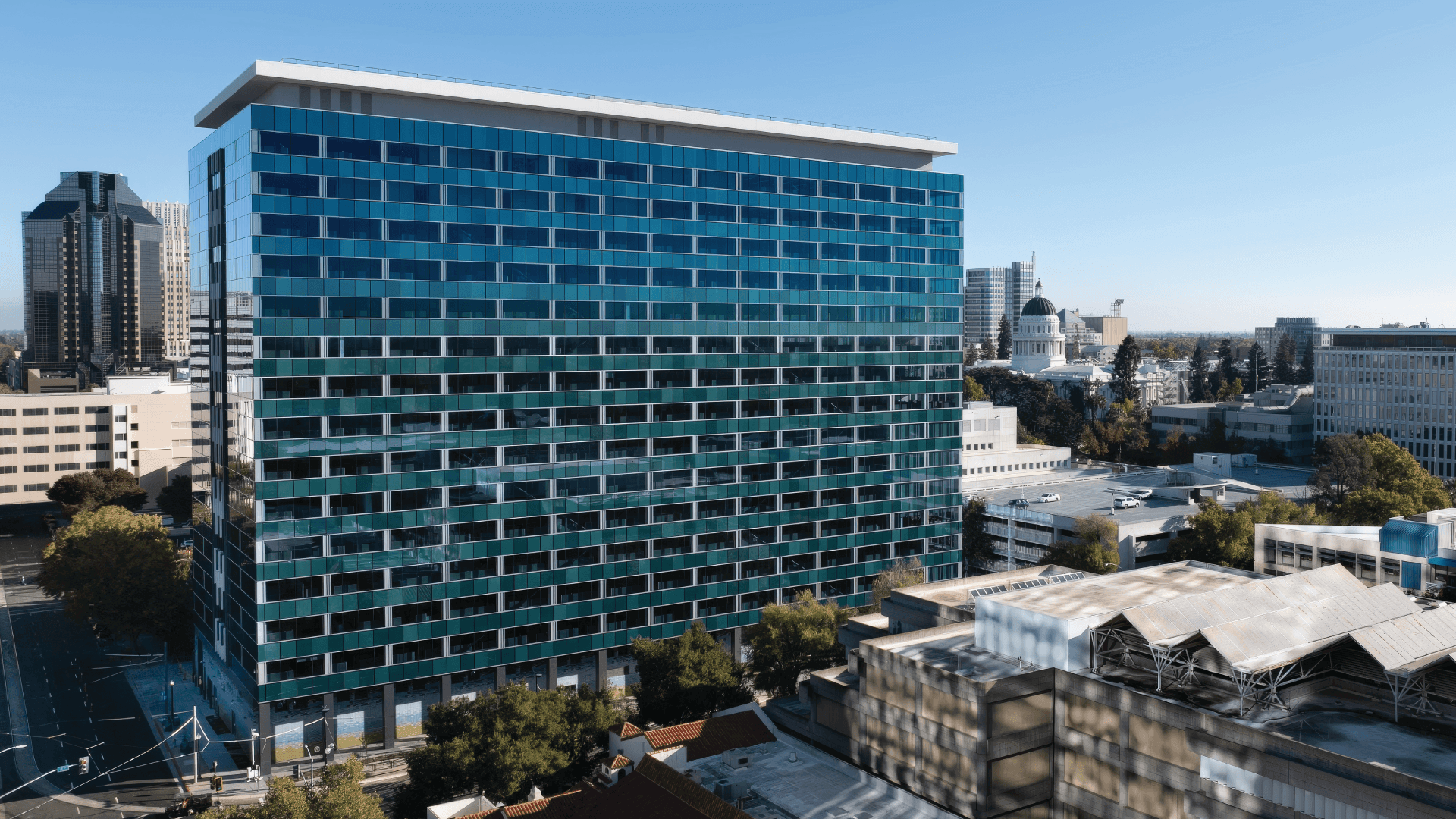
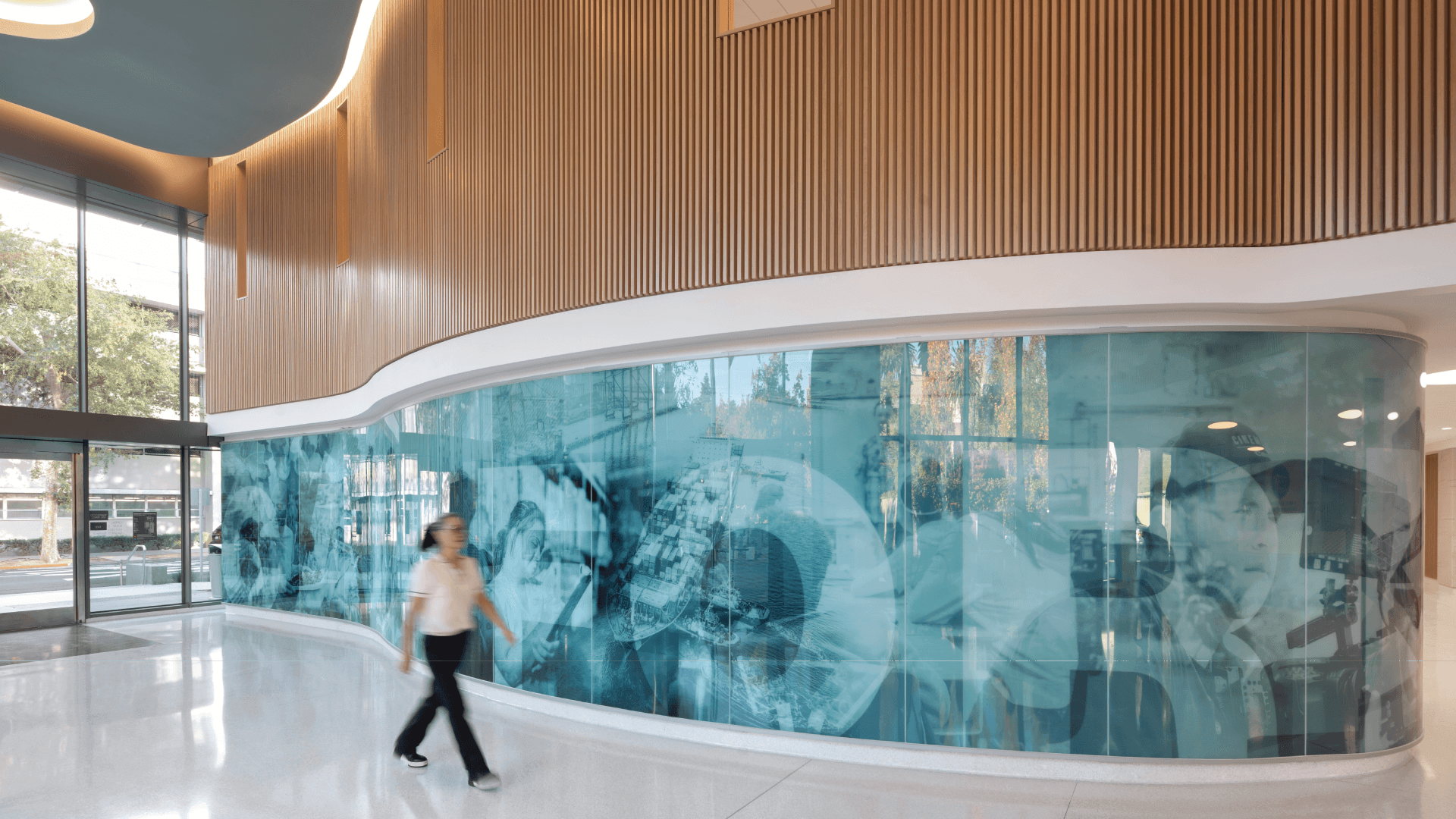
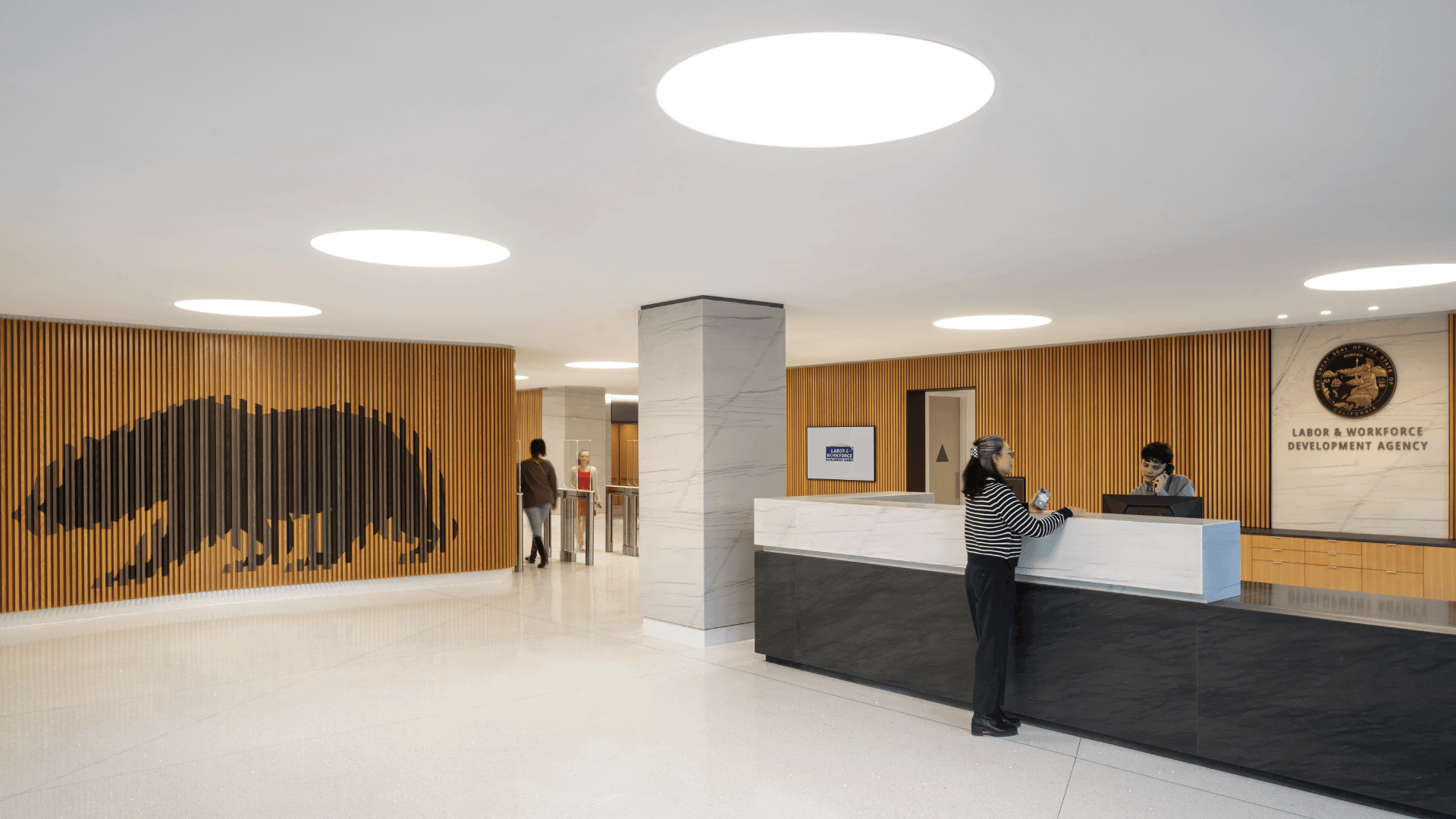
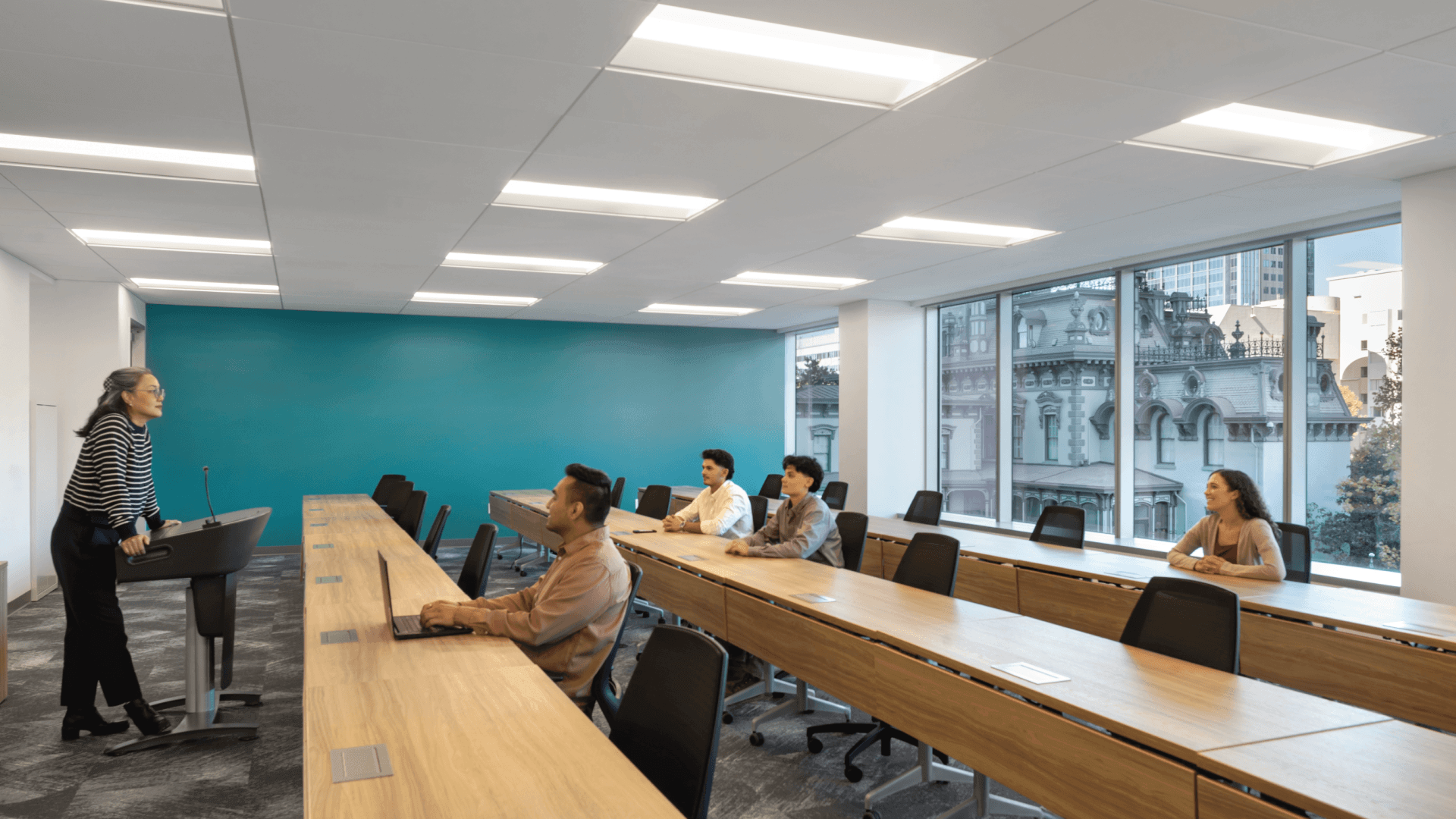
Recently, HGA helped the State of California renovate a Sacramento high-rise to bring together more than 20 user groups and more than 3,000 employees. Adding to the complexity, each user group had its own requirements, from press rooms to specialized storage to varying security levels. Working closely with administrators in each department, HGA’s team was able to facilitate a fluid transition into the facility, providing users with clear, concise information and instructions on how the new spaces would conform with their needs.
Does the design team have experience with federal standards?
Reuse of federal buildings goes more smoothly when the design team truly understands how federal projects work—and that only comes with experience. In our renovation of the Arthur J. Altmeyer Building on the Social Security Administration’s campus in Woodlawn, Maryland, we leveraged our understanding of the agency’s history and goals to rebuild the structure with new mechanical systems, stairs, and elevator cores. Simultaneously, we shifted offices to the interior of the floor plate (so daylight reached the open work areas) and increased capacity by roughly a third. The changes made the space more hospitable and comfortable for federal workers.
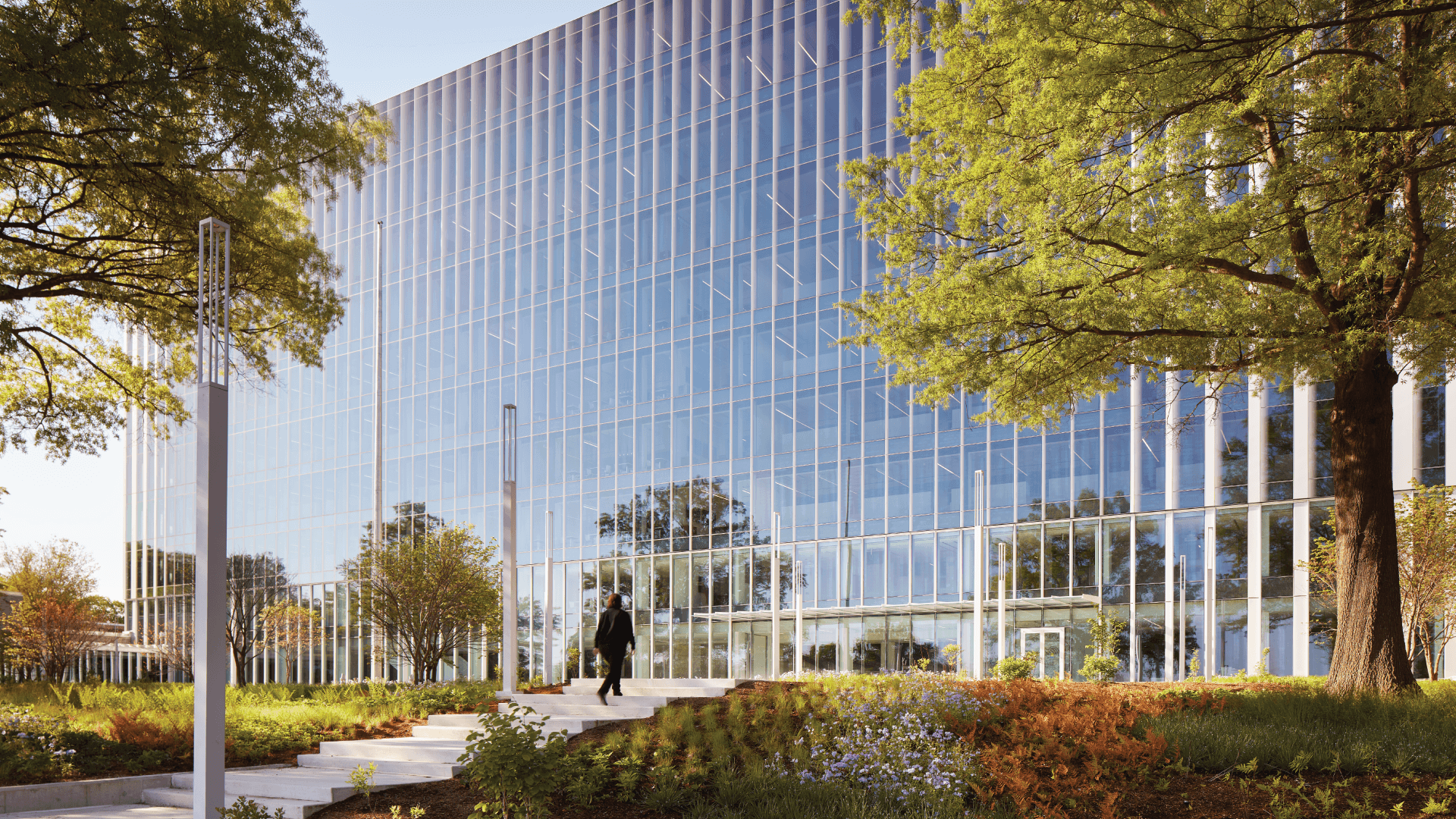
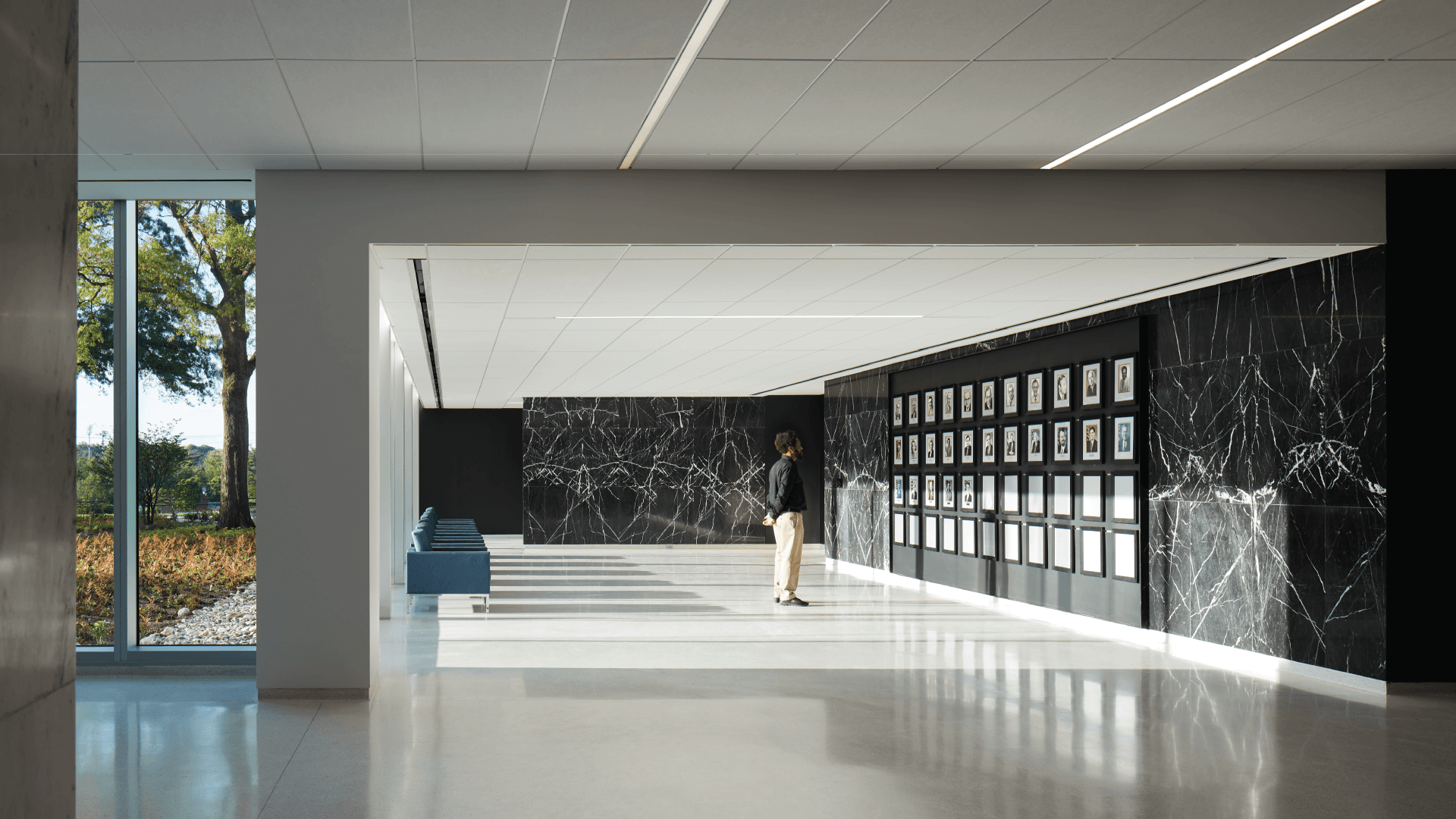
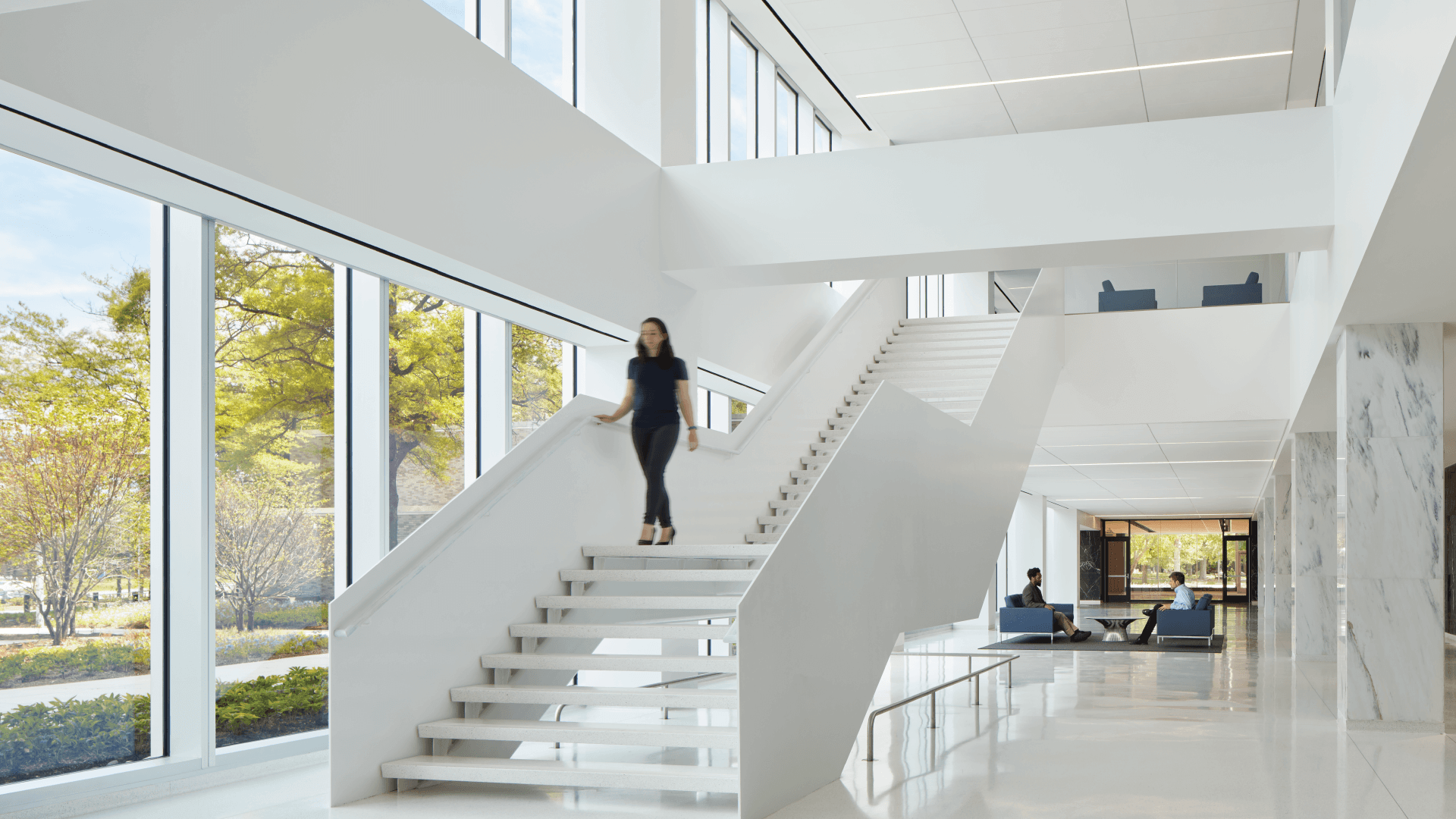
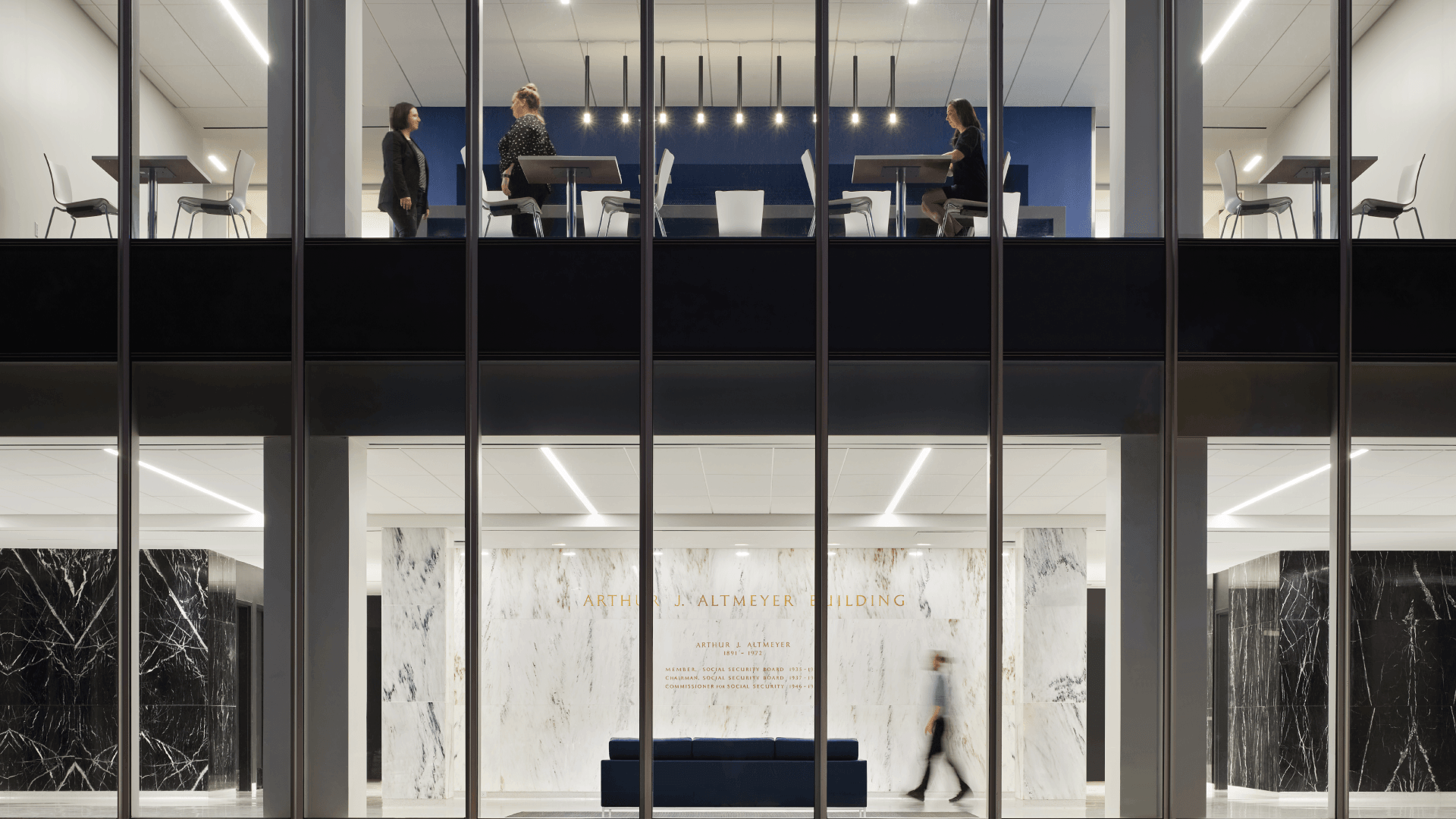

The modernization of the Arthur J. Altmeyer Social Security Administration Building in Woodlawn, Maryland, transforms a 1959 office tower into a high-performance workplace that supports collaboration, flexibility, and long-term sustainability. Exterior facade design by Snow Kreilich Architects and Studio NYL. Public space design by Snow Kreilich Architects.
The foundations of success
As federal buildings are sold, repositioned, demolished, and reimagined over the next few years, thoughtful design will greatly impact their success in serving the federal government. The buildings that work best in their reshaped form will be the ones whose conversion teams brought honest assessments, familiarity with federal projects, research-grounded thinking, and change-management skills to the table. ∎
Explore HGA’s portfolio of government facilities, civic buildings, and public spaces designed to support the communities they serve.
About the Authors

Josh Stowers
Josh Stowers leads the Government Market Sector at HGA, where he shapes strategy, drives performance, and builds meaningful partnerships across the public sector. With a national reach, he helps government agencies and private organizations navigate complex projects with clarity and confidence.

David Reyff
With extensive insight navigating complex federal projects, David focuses on HGA’s government sector to provide innovative solutions for major agencies, including the General Services Administration (GSA), Federal Bureau of Investigation (FBI), Naval Facilities Engineering Systems Command (NAVFAC), and U.S. Army Corps of Engineers (USACE).

Jay Scruggs
Jay has 29 years of planning, design, and project management experience leading clients in the mid-Atlantic region. His experience includes government, corporate, healthcare, and higher education projects.