
San Diego in Focus
This month’s Market Spotlight asks a simple question with complex answers: “What challenge in your market excites you most right now?” Inspired by HGA’s Quick Takes series, we invited voices from across our San Diego office to respond. Their answers point to a shared theme: as client needs, project delivery methods, and building performance expectations continue to evolve, early planning and close coordination are more important than ever. From behavioral health environments to future-ready infrastructure and technical documentation, these perspectives offer a glimpse into how our San Diego team is thinking about the work ahead.
As a Senior Project Architect at HGA San Diego, Bryan Vogt brings deep technical and project delivery expertise to complex healthcare environments. His perspective is shaped by the realities of translating specialized care models into spaces that support safety, dignity, privacy, and healing.
Behavioral health is having a moment, and our healthcare team has recently completed or is nearing completion on several projects in this space. We also just started a new behavioral health project for UC San Diego, giving us an opportunity to build on what we’ve learned and apply it in meaningful ways. I’m excited by the opportunity to carry that knowledge forward, help position us for new work, and create environments that support safety, dignity, privacy, and healing for some of the most vulnerable people in our communities. In behavioral health, every design decision matters, from visibility and safety to reducing stress and creating spaces that feel calm, humane, and restorative.

Bryan Vogt
Senior Project Architect
As a Senior Project Manager in the San Diego office, Tim Black helps guide complex projects from strategy through execution, balancing client priorities, schedule realities, and the day-to-day decisions that keep work moving. His response speaks to a challenge many clients are facing: how to plan smarter when resources are stretched.
The challenge that excites me most here in San Diego and across California is helping clients design buildings that can keep up with uncertainty. Budgets are tighter, labor is harder to come by, and construction lead times keep getting longer, so clients are being asked to do more with less while still thinking ahead. To me, adaptability starts with not designing for obsolescence. It’s about planning early so buildings have room to grow, critical infrastructure is protected from climate and site-specific risks, and spaces can continue to support safety and comfort when conditions change. That can mean sizing electrical rooms for future expansion, elevating infrastructure in flood-prone areas, locating critical systems in defensible space in fire-prone areas, or using shading and operable windows to maintain comfort if mechanical systems are down. It’s exciting to design buildings that can respond to the unexpected instead of becoming outdated as soon as needs shift.
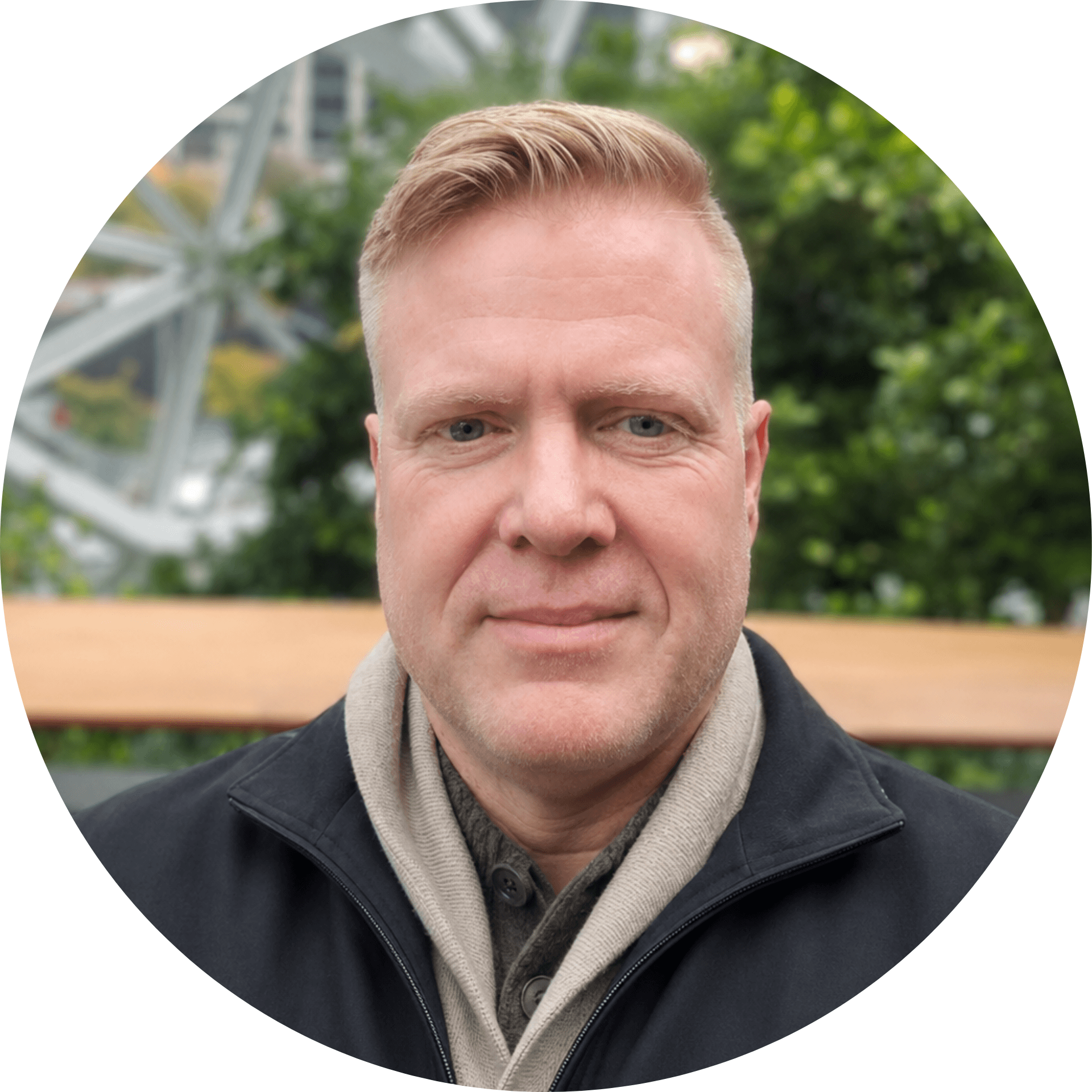
Tim Black
Senior Project Manager
As a Specifications Administrator, Jarynn West plays an important role in the technical coordination that helps turn design intent into clear, buildable documentation. Her perspective brings attention to the systems, communication, and behind-the-scenes rigor that support stronger project delivery and better outcomes for clients and project teams.
One challenge I’m seeing across project delivery in this market, and in our industry as a whole, is how to make our process more efficient while still maintaining design quality and coordination across large teams. There’s a real opportunity to improve communication between disciplines, streamline documentation, and create systems that support both creativity and technical execution. One process improvement that can make a significant difference is incorporating documentation and coordination lead times into project planning from the outset. Specifications involve multiple internal and external contributors and a series of coordinated milestones leading up to each issuance date, so early planning is essential to maintaining both efficiency and quality. When schedules account for those dependencies upfront, teams are better positioned to collaborate effectively, produce stronger documentation, and deliver work with greater consistency. It’s exciting because even small process improvements can have a meaningful impact across projects, teams, and the people ultimately served by the work.

Jarynn West
Specifications Administrator
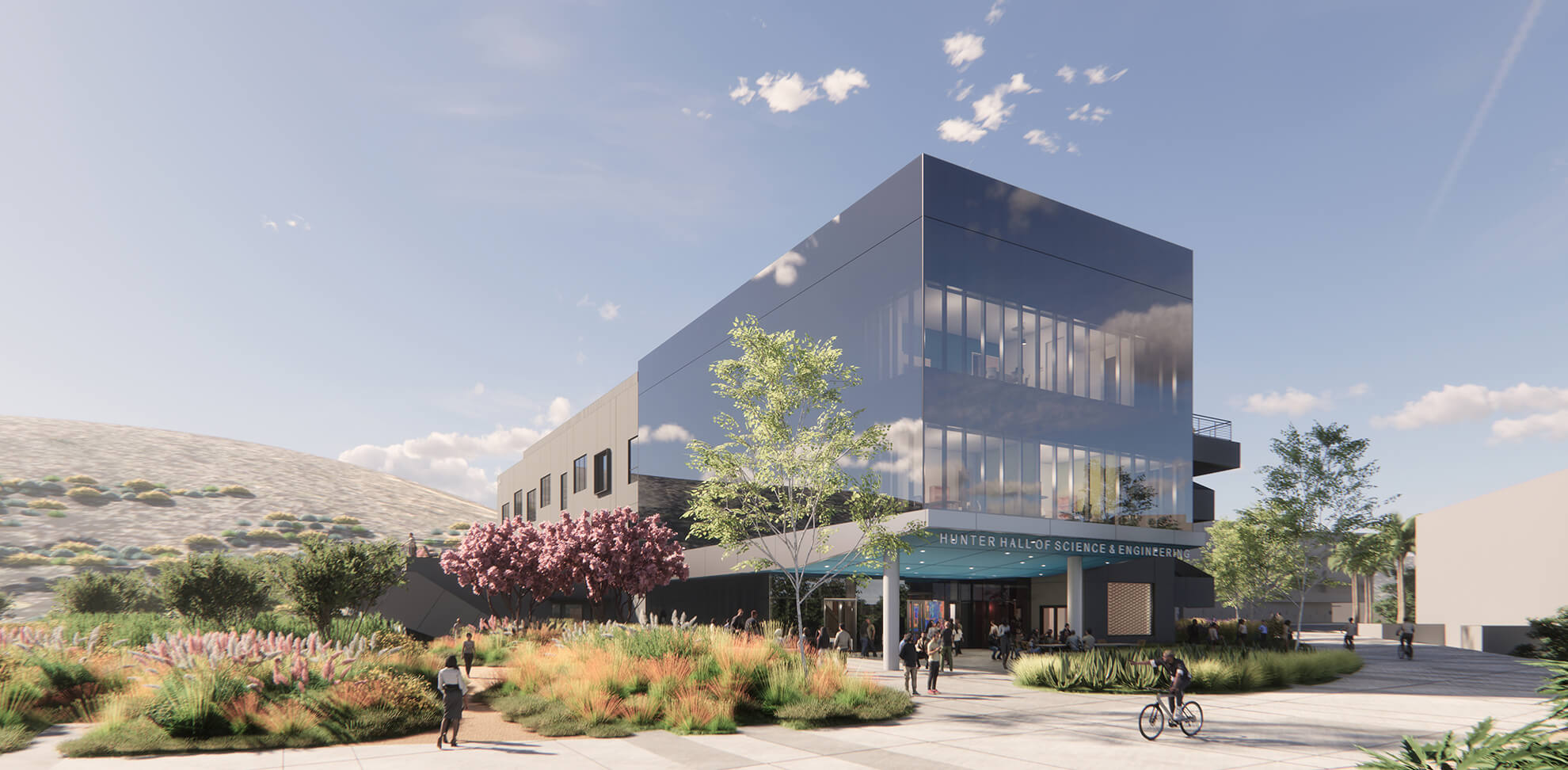

Together, these perspectives offer a glimpse into how HGA’s San Diego team approaches complexity: with curiosity, technical rigor, early collaboration, and a focus on the people who will ultimately use the spaces we design. This is just one look at a few of the voices shaping the work in San Diego. Stay tuned for future Market Spotlights featuring more teams across HGA and the people, ideas, and expertise behind the projects we deliver.
Learn more about the people and partnerships behind our San Diego office.