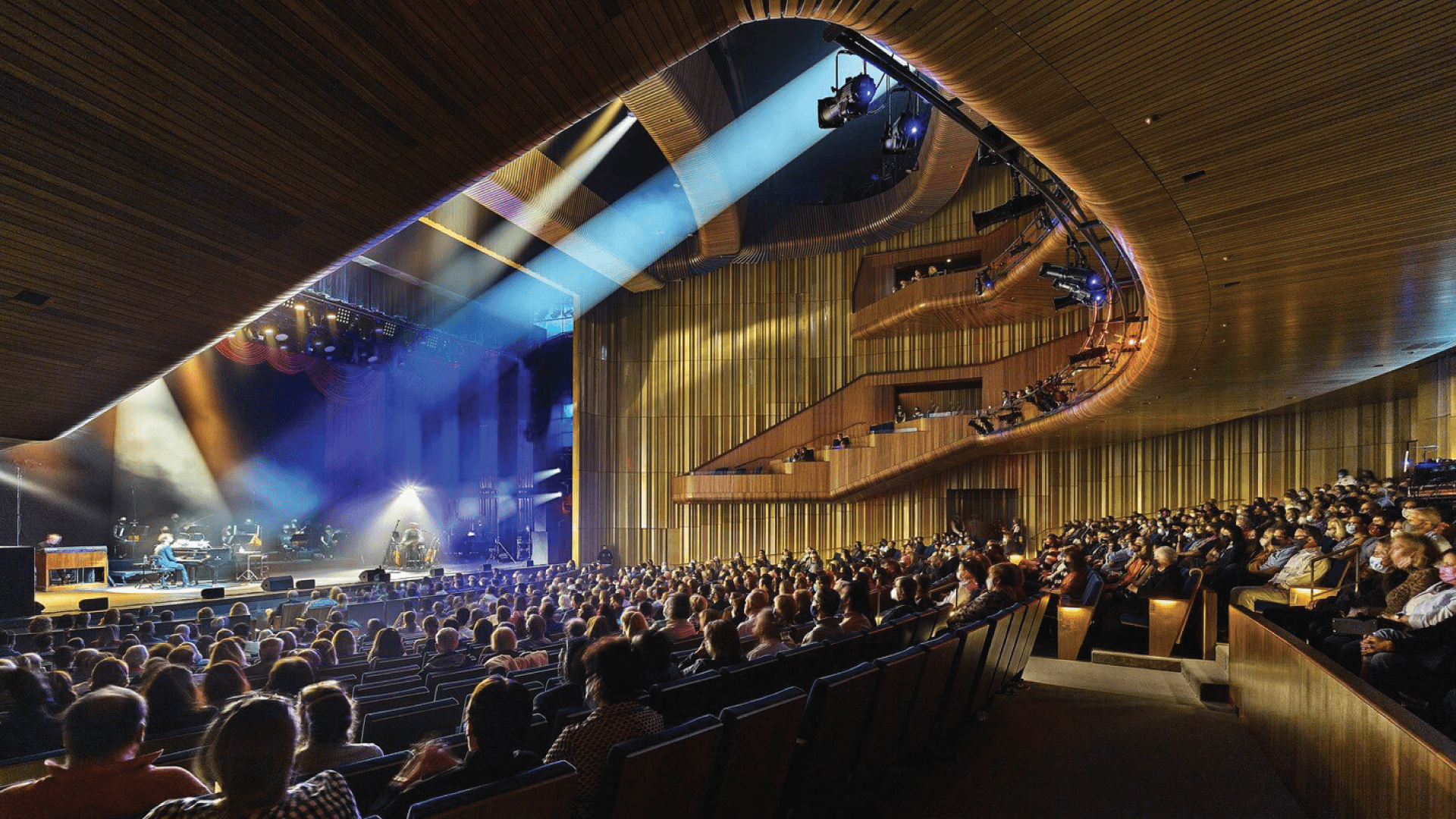
Over the past several months, we’ve been actively engaging across the region—sharing ideas at conferences, breaking ground on new and exciting projects, and reaching key milestones that reflect the impact of our work. We’ve also continued building meaningful connections within the communities we serve, collaborating with partners and neighbors to shape places that respond to local needs and long-term growth. Learn more about how we’re making an impact across our region through our people, our projects, and our ongoing community involvement.
Jump to: What’s New | Community Impact | Market Spotlight | Subscribe
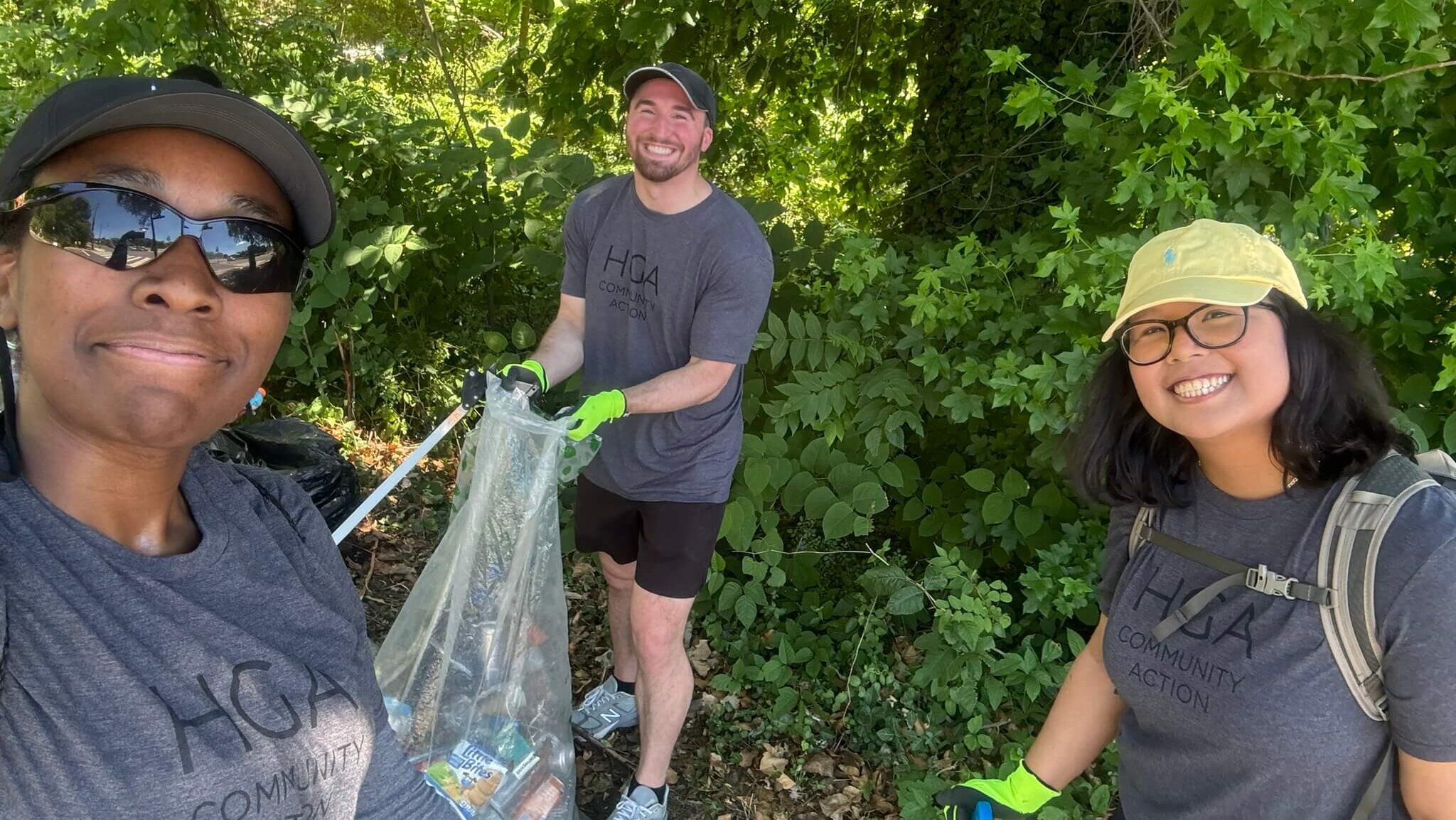
Ward 8 Woods Clean Up
Service, sustainability, and community in action. Members of our HGA WDC and Alexandria offices volunteered alongside Ward 8 Woods to help clean and preserve valuable urban green space in Deanwood. We’re proud to support efforts that strengthen environmental stewardship and create healthier communities for all.
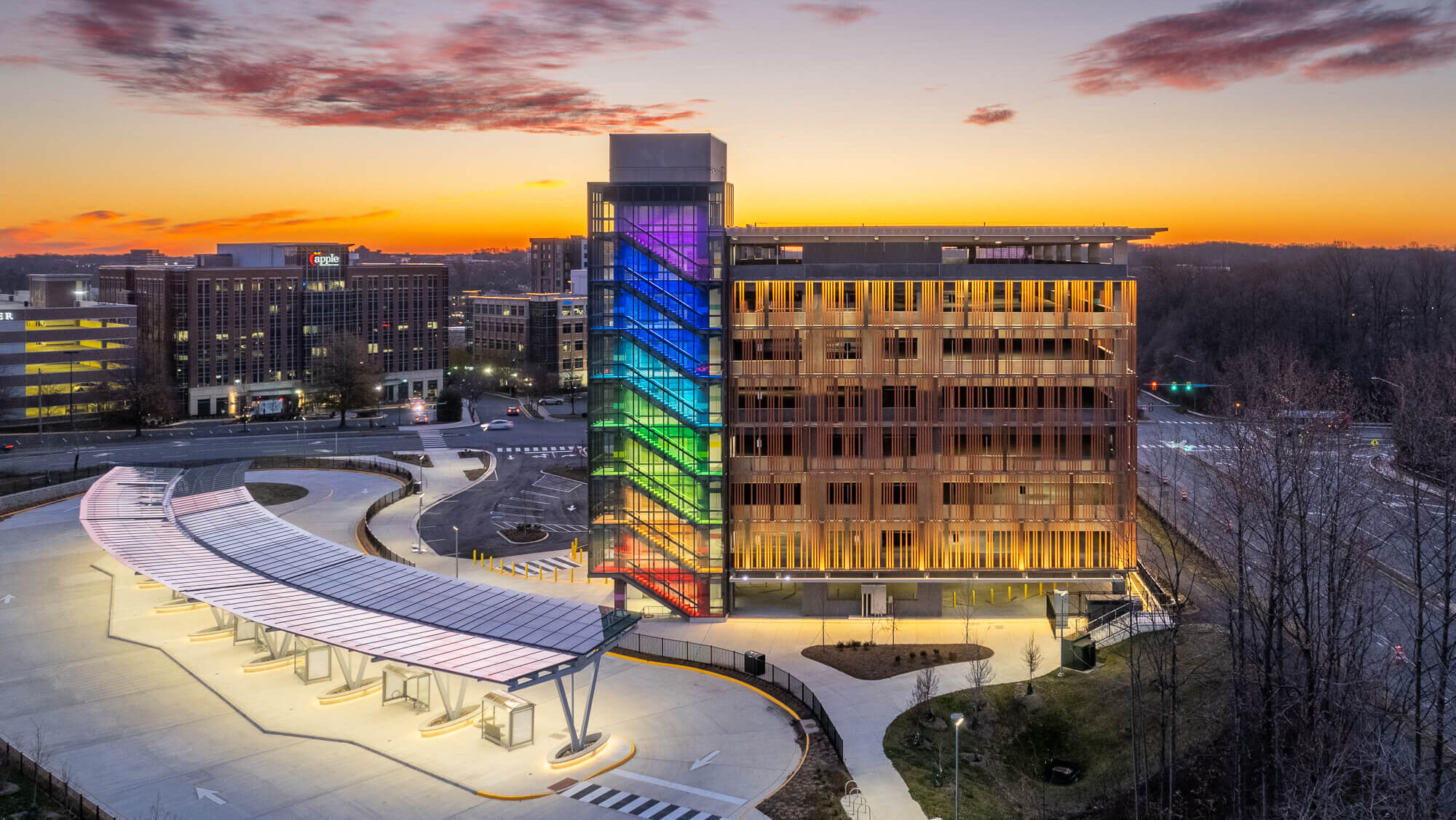
2026 Virginia Business Top Project Award Winner
Celebrating another milestone for Monument Drive Parking & Commuter Transit Center! This innovative, multimodal transit hub has been named a 2026 Virginia Business Top Project, recognizing its impact on Virginia’s built environment. Designed to improve regional mobility with structured parking, bus transit, commuter amenities, and sustainable design, the project reflects the power of thoughtful infrastructure to better connect communities. Congratulations to our team and project partners on this well-deserved recognition.
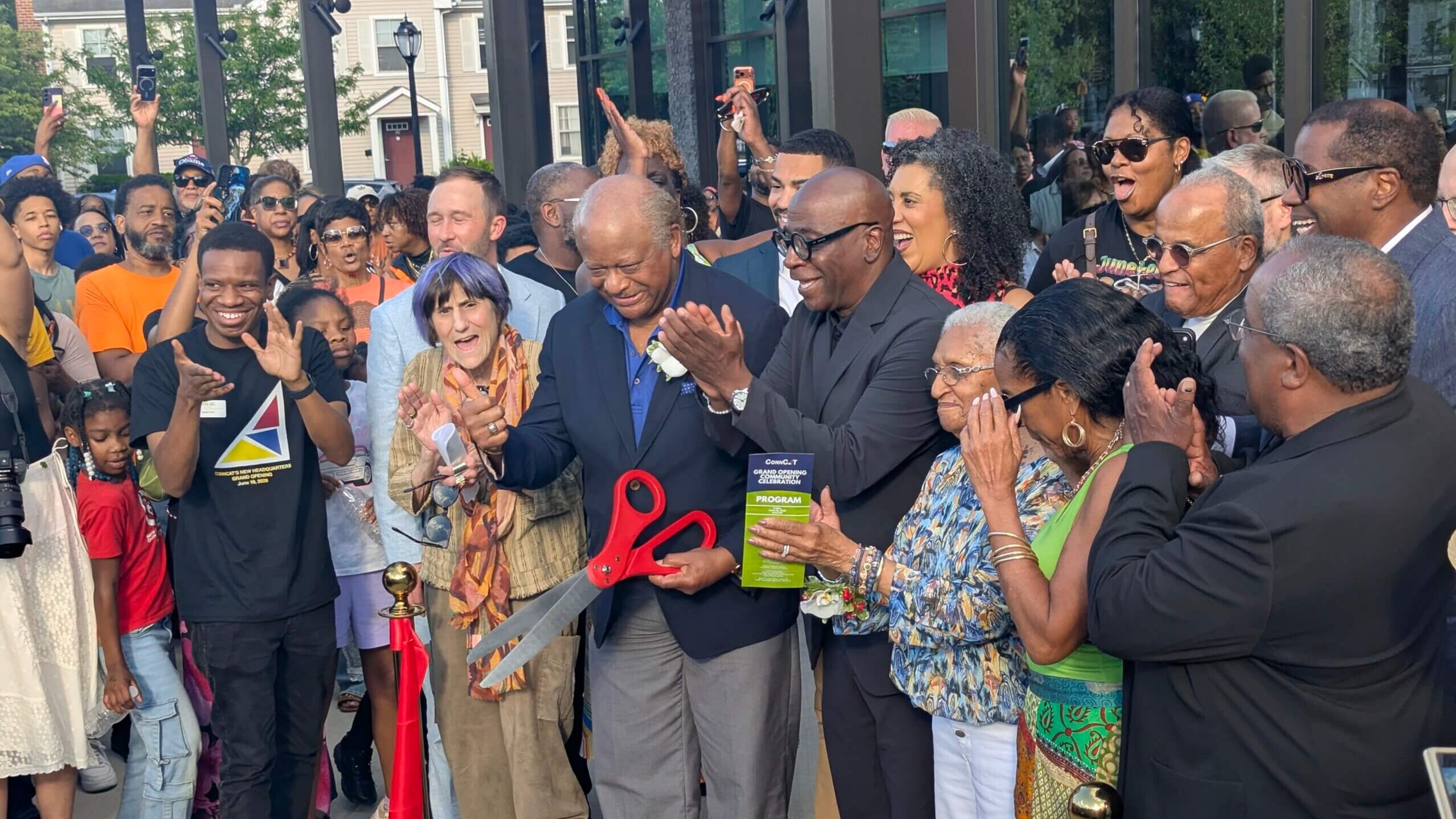
Ribbon Cutting
On Juneteenth, we were honored to celebrate the grand opening of ConnCAT’s new headquarters at First Haven in New Haven’s Dixwell neighborhood. Designed as a place of opportunity, creativity, and connection, the new home for ConnCAT reflects the organization’s mission to create pathways for education, workforce development, and economic mobility. We are grateful to partner with ConnCORP and ConnCAT in helping bring this transformative vision to life and look forward to seeing the impact it will have for generations to come.
At HGA, we believe design is about more than buildings—it’s about shaping experiences, communities, and the way people see the world. That belief extends beyond our projects and into the communities we serve through programs like Architecture in the Schools.
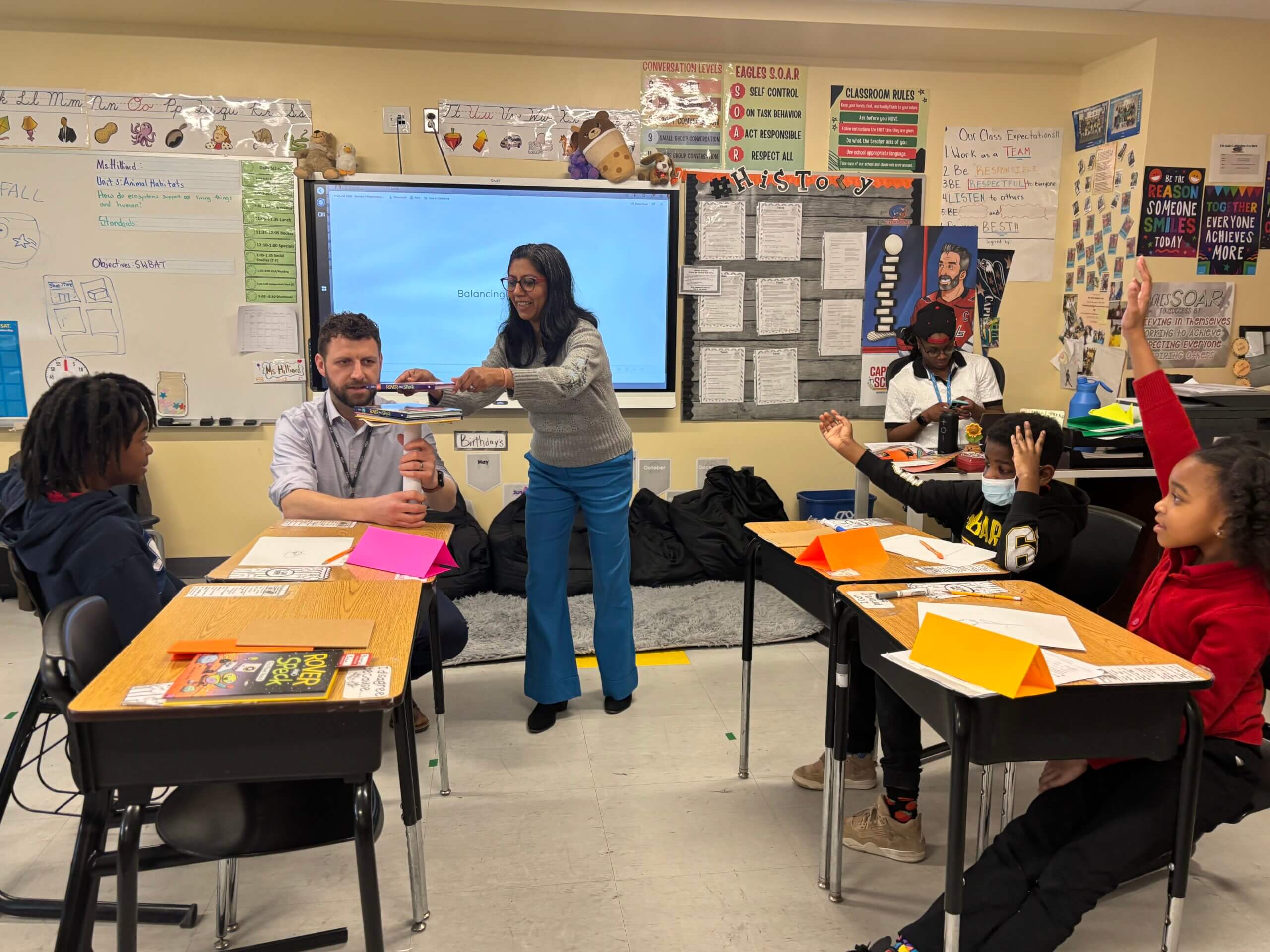
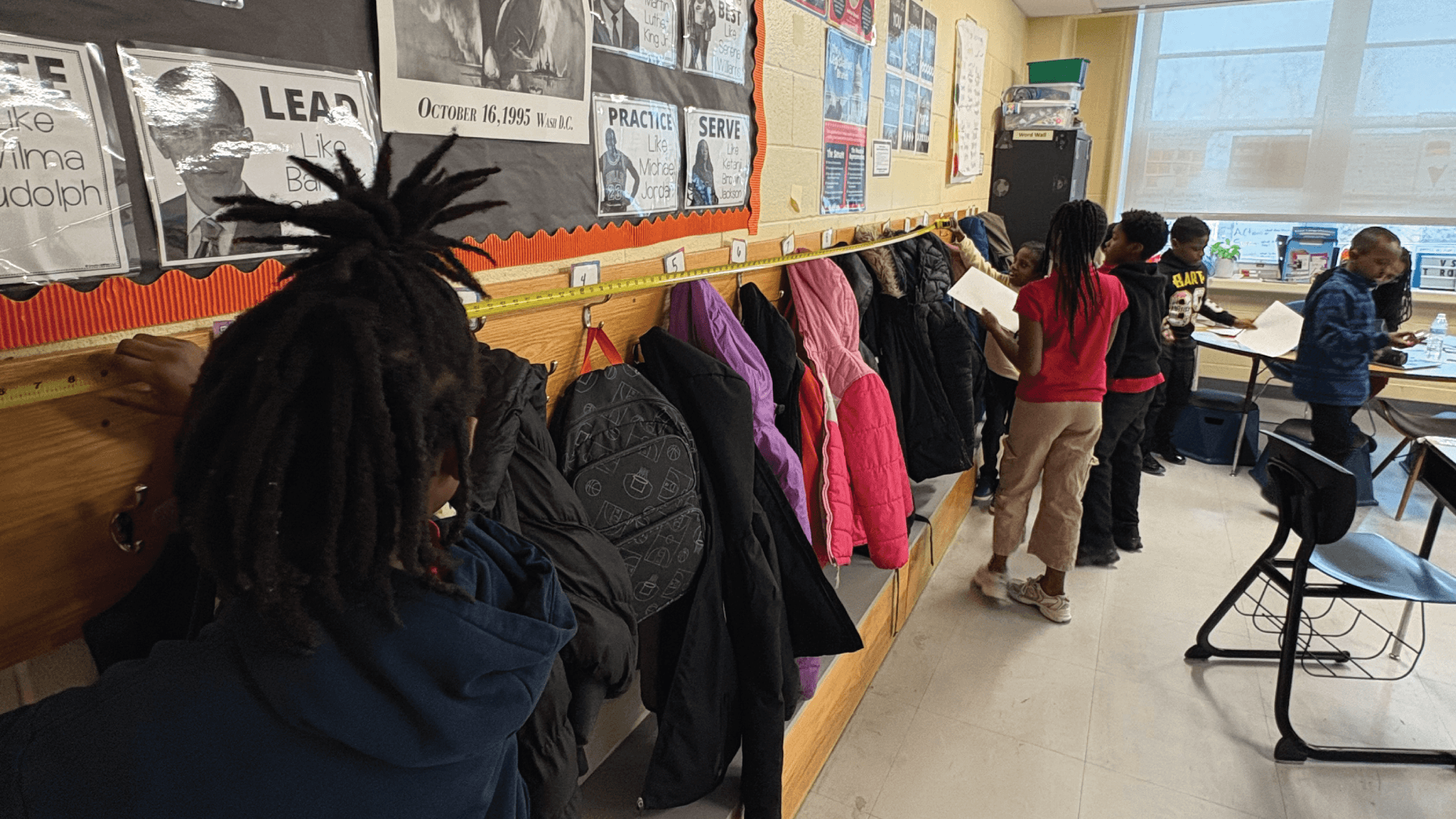
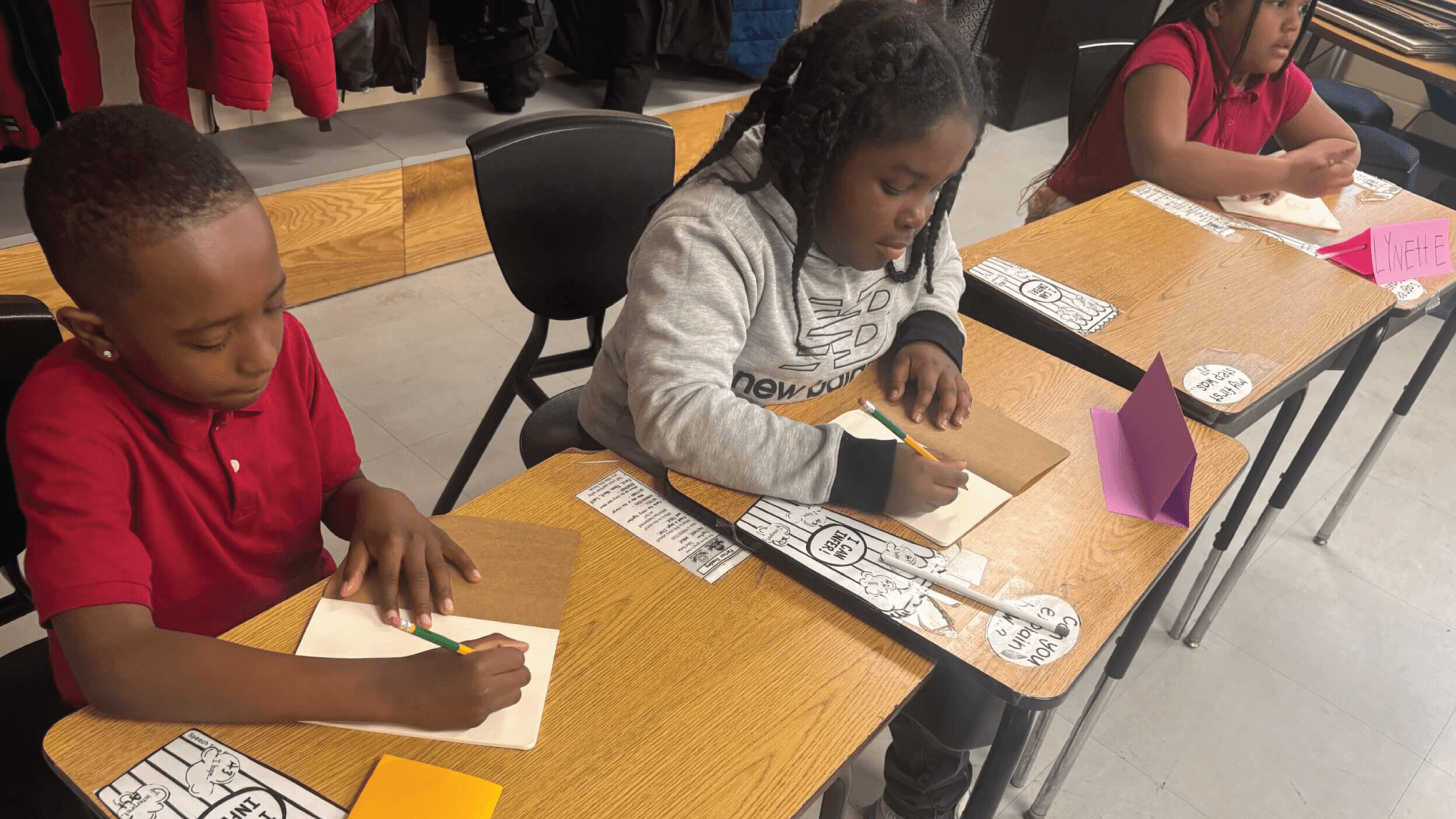
This spring, HGA partnered with Malcolm X Elementary School in Washington, DC, leading a seven-week program that introduced third-grade students to architecture through hands-on learning, creative exploration, and real-world problem-solving.
Starting with Questions, Not Answers
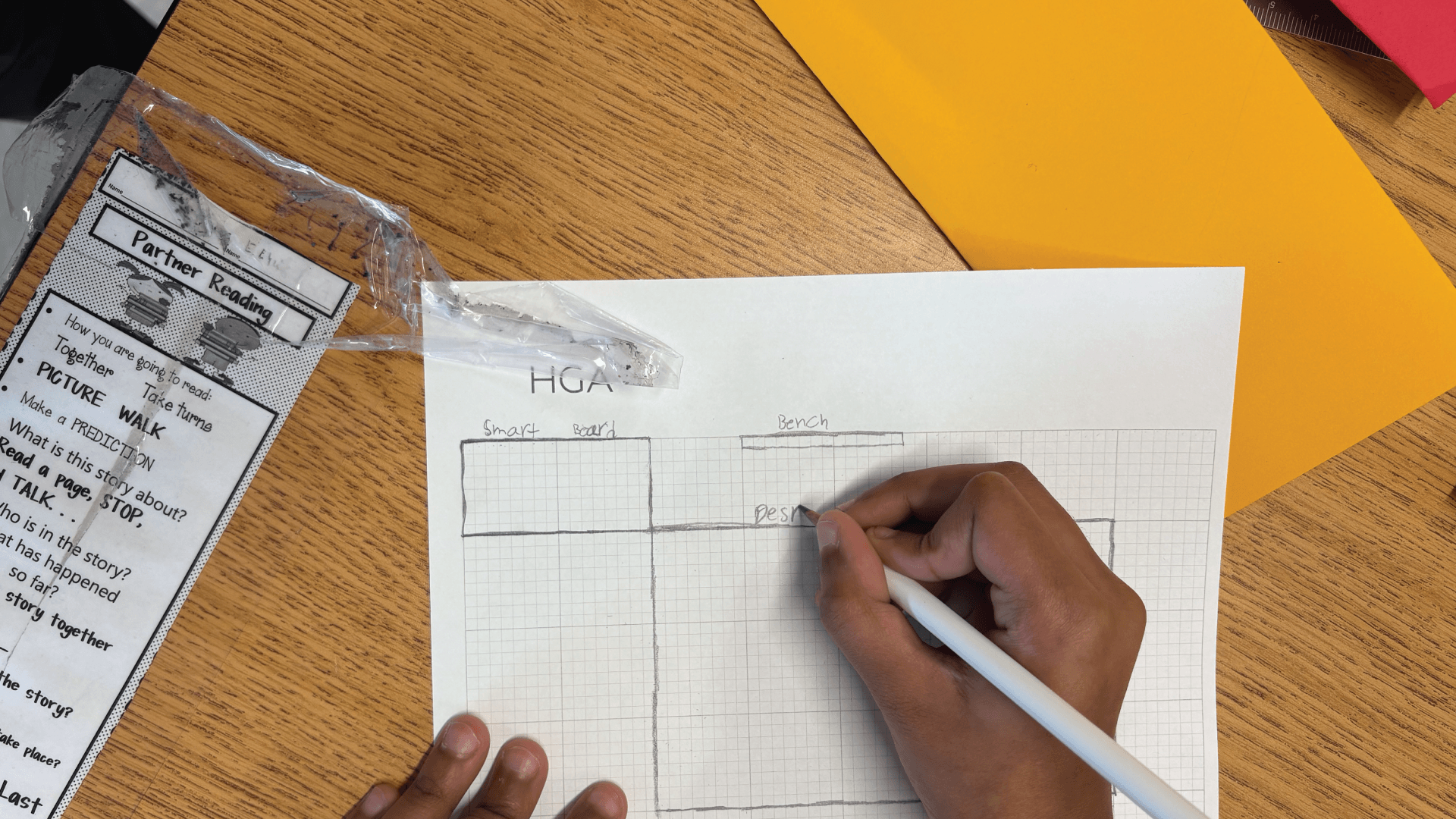
Students began by exploring a powerful question: What is architecture? Through sketching exercises, structural challenges, and classroom discussions, they learned how design influences the spaces we use every day. Activities introduced foundational concepts such as plans, elevations, and spatial relationships, helping students understand how ideas are translated into built environments.
Making Design Tangible
As the program progressed, students examined how architecture reflects culture, identity, and community. They explored local landmarks, studied their own school environment, and learned how architects use observation, context, and collaboration to inform design decisions.
One of the most impactful lessons centered on the design process itself. Through bubble diagrams, conceptual sketches, and space-planning exercises, students discovered that design is iterative—built through creativity, testing, and refinement.
Read more about our efforts here.
Quick Take: Scott Cryer on the benefits of supporting local arts organizations
Scott Cryer, AIA, LEED AP BD+C, is a Principal in our Washington, D.C. studio, where he leads the Mid-Atlantic Arts, Community, and Higher Education practice. His work includes museums, performing and academic arts centers, as well as a range of higher education facilities and community projects.
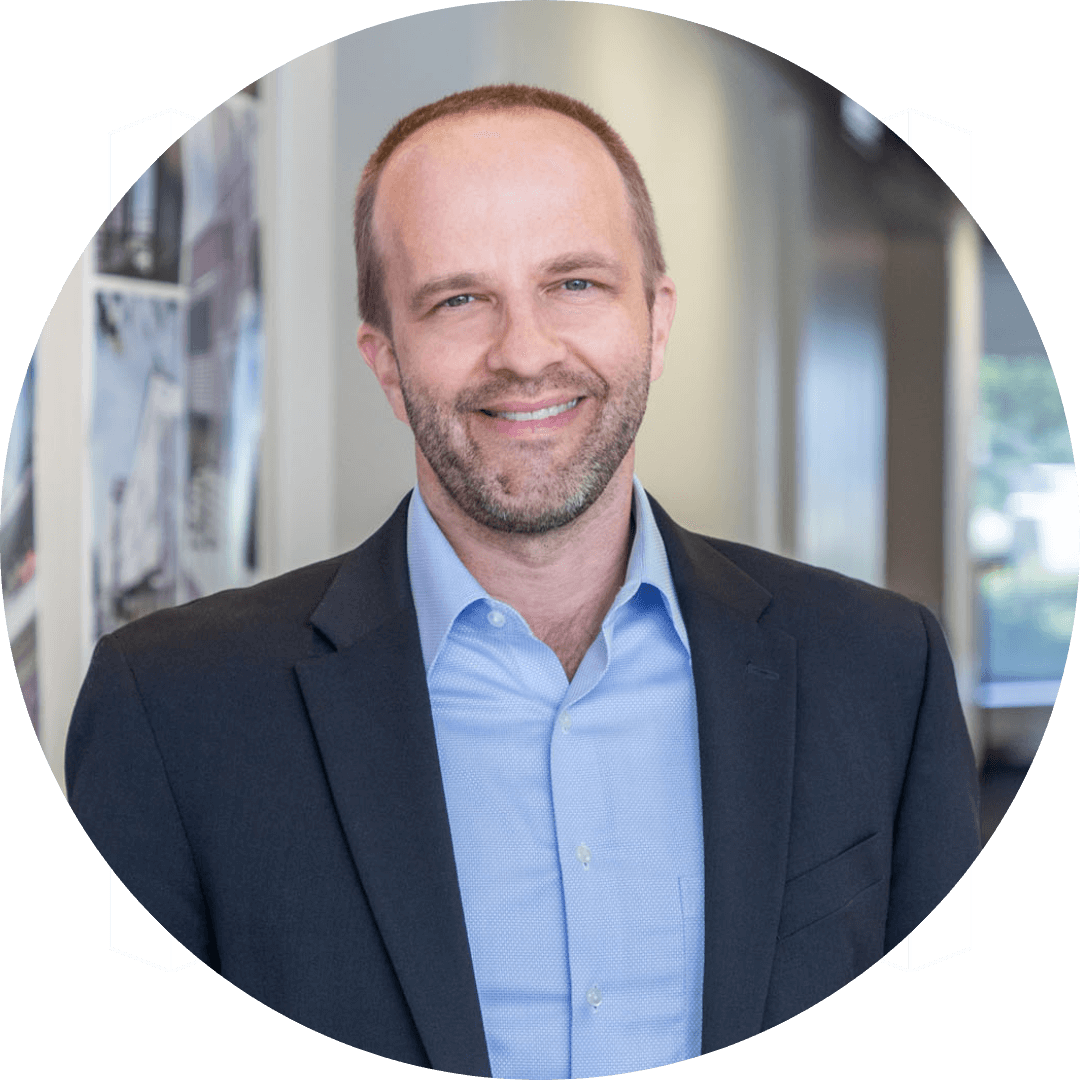
Throughout his career, Scott has actively supported community arts organizations, believing in the power of the arts to communicate through shared cultural experiences. He has served as a committee and board member of several organizations, including the Virginia Association of Museums in Richmond; Tephra Institute of Contemporary Art in Reston, Virginia; and ArtsFairfax, in Fairfax County, Virginia.
In June, he completed his three-year term as Chair of the ArtsFairfax Board of Directors and will now help lead the organization’s Strategic Planning Committee—his second stint as a leader of that process.
In the following, Scott discusses the many benefits of supporting local arts organizations.
You just wrapped up as Chair of ArtsFairfax. What was your most satisfying accomplishment?
It has been a period of transition, growth, and change. I took on the role as the arts world was emerging from the pandemic, a period when ArtsFairfax provided critical funding that was essential to the arts ecosystem. During my three–year term, I led a leadership transition when our long-time President Linda Sullivan decided to retire after 14 years. Following a national search, we brought on Stuart Holt as the new President & Chief Executive Officer. Stuart hit the ground running and has made tremendous progress connecting with the Fairfax community and setting the organization up for aspirational growth.
It sounds as though the Board has provided a solid foundation for growth.
There’s a constant push and pull with funding for the arts. Our budget is a combination of significant funds provided by Fairfax County with a private funding stream from individuals, corporate gifts, and special events, such as the ArtsFairfax Awards each October. ArtsFairfax works to maximize available funds to the community via Operating Support, Project Support, and Ticket & Participation Subsidy Grants. In Operating Support Grants alone, we have increased grant funding from $400,000 distributed to 44 organizations in 2023 to $590,000 for 58 recipients in 2025.