
HGA has won top prizes in three national awards programs, recognizing exceptional healthcare facility planning, design, and research. The awards represent a range of work, from a hospitality-inspired destination medical center to a state-of-the-art cancer center, a holistic pediatric unit, and a hospital-in-a-park in a dense urban neighborhood.
“We are excited to accept these awards in recognition of our work, but more importantly in recognition of the partnerships we have built with clients to better serve their communities and patient populations,” said Mark Bultman, Associate AIA, Healthcare Market Sector Leader at HGA. “The healthcare industry is dynamic. Meeting the needs of this evolving industry requires creative teamwork and expertise that builds on our legacy while continuing to evolve with the healthcare industry.”
The winning projects in the three awards programs include:
Touchstone Awards
Sponsored by The Center for Health Design, the Touchstone Awards recognize evidence-based design in increasing value of healthcare projects based on three touchstones of the EBD process: Collaborate, Evaluate, and Share.
Silver Level | UPMC Presbyterian Lifestyle Village

UPMC Presbyterian Bed Tower, in development in Pittsburgh, positions UPMC as a world-class healthcare provider offering specialties in transplant, heart and vascular, and neurological care. The 17-story tower features iconic architecture in an urban setting, private patient rooms, light-filled interiors, rooftop gardens and other outdoor spaces, and integrated digital technology to streamline treatment and enhance caregiver-to-patient communication.
With the prioritization of evidence-based design, UPMC staff and designers participated in design thinking workshops to determine socio-spatial solutions. Research strategies included ethnographic interviews and focus groups with patients, families, and community members. Follow-up workshops with UPMC staff, providers, and administrators identified design solutions, services, and experiential needs of the users of the building. Through this process, UPMC envisioned a community-focused “Lifestyle Village” that supports holistic, family-centric care and staff wellbeing.
The jurors noted that the Critical to Quality (CtQ) metrics aligned with the hospital’s goals for Diversity, Equity & Inclusion (DEI) and Community Health Needs Assessment (CHNA), providing “meaningful impact that can be sustained by the organization.”
Silver Level | St. Elizabeth Cancer Center

Located at St. Elizabeth Healthcare’s Edgewood Hospital campus, the Cancer Center consolidates cancer services under one roof to deliver exceptional care in northern Kentucky. The program includes the Center for Integrative Oncology with whole-person care and wellness amenities, women’s and breast health, multi-disciplinary clinics, infusion, administration, retail pharmacy, outdoor healing garden, and shelled space for future growth. The research conducted by the team focused on the design of the infusion space, and impact on staff efficacy and clinical care. The jurors noted that the post-occupancy evaluation used a strong mixed-method approach to evaluate the impact of several design decisions, further remarking that the “excellent findings developed by the POE could inform the design of new outpatient cancer centers in the future.” For more information, visit the Center for Health Design. 
Healthcare Design Showcase
Sponsored by Healthcare Design Magazine, the Healthcare Design Showcase Awards recognize achievements in Innovation, Aesthetics, Experience, and Operational Performance.
Award of Merit (Top Honor) | Crystal Clinic
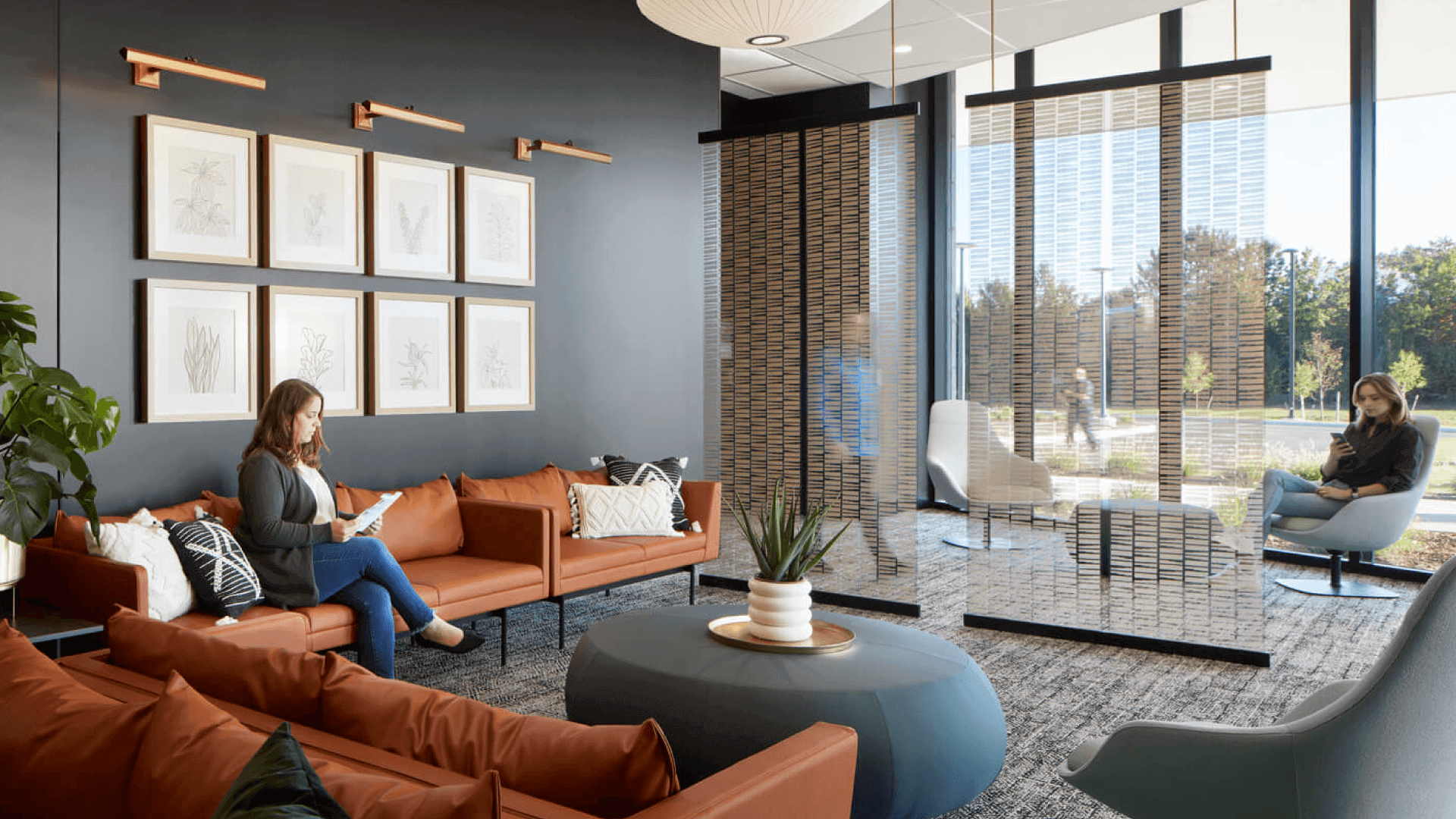
Crystal Clinic Orthopaedic Center in Akron, Ohio, offers a hospitality-driven destination for orthopedic, musculoskeletal, and reconstructive care. Located in a park-like setting, the hospital is an oasis of calm providing restful, hospitality-like spaces that support the healing process. The program includes 12 operating rooms, 60 private patient rooms, and walk-in urgent care for sports and orthopedic injuries.
Design details respond to the client’s desire for a hospital that did not look or feel like a hospital. Rather, they wanted a resort-like environment that connects to nature and integrates materials, finishes, color, natural light, and outdoor gardens to deliver luxury while still meeting rigorous inpatient design standards.
Honorable Mention | MetroHealth Glick Center
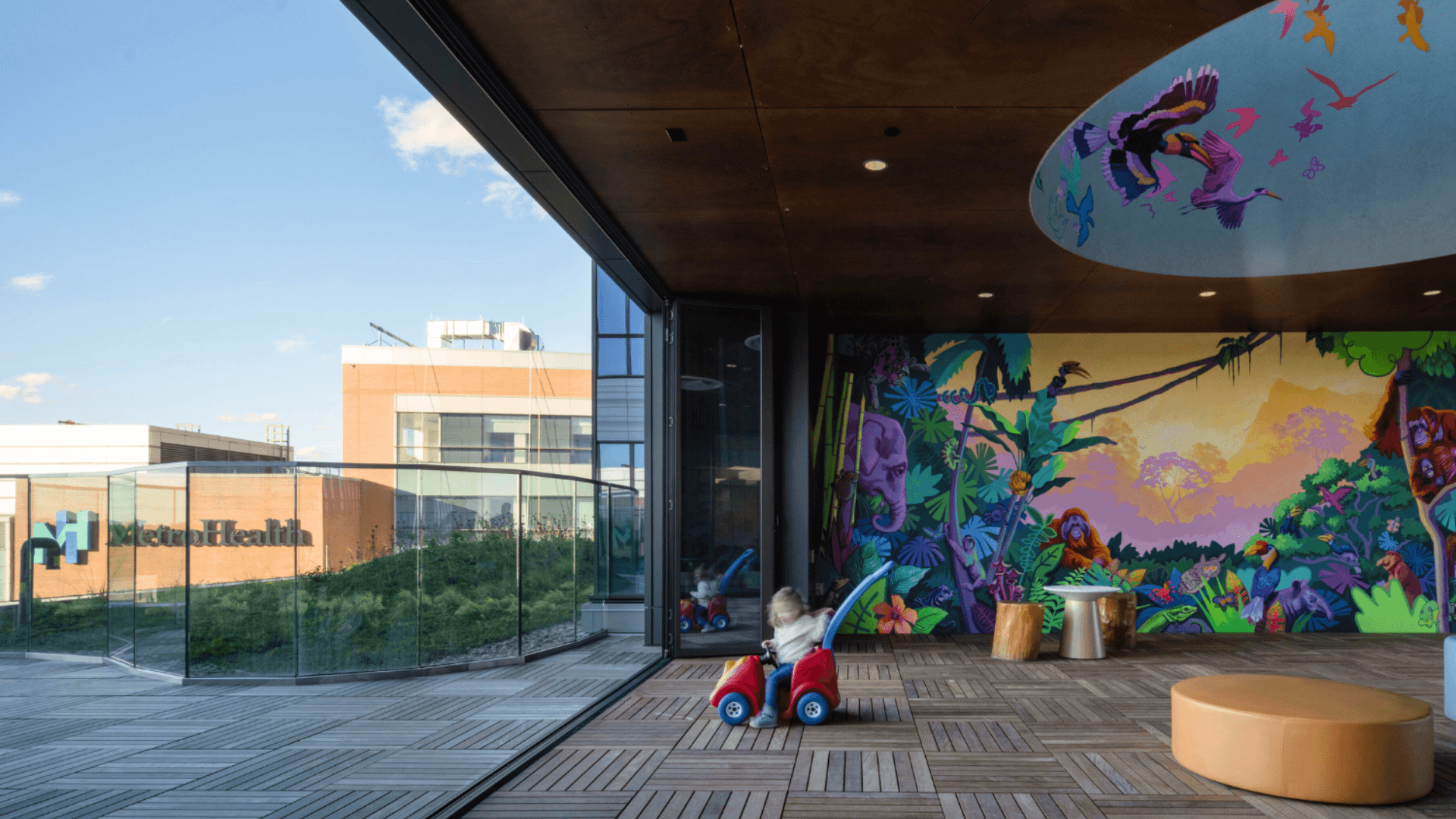
The MetroHealth Glick Center was designed as a catalyst to bring hope and healing to Cleveland’s diverse west side.
The planning centers on a “process-neutral” platform that adapts to change in both technology and care delivery, with modular and open floor plans, movable walls, prefabricated components, and demountable systems designed to flex between service lines as needed. Additionally, the master plan creates a “hospital-in-a-park” on a 25-acre urban site for the surrounding community.
“The Design Showcase offers a deep dive into the vast range of healthcare projects being delivered today, with tons of inspiration to inform the industry’s ongoing work,” said Jennifer Kovacs Silvis, Editor-in-Chief of Healthcare Design Magazine.
For more information, visit Healthcare Design Showcase.
IIDA Healthcare Design Awards
The International Interior Design Association (IIDA) Healthcare Design Awards recognize creativity and innovation across seven categories within Ambulatory, Extended Care and Assisted Living Facilities, and Hospitals.
Hospital | Pediatric Category | Cedars-Sinai Guerin Children’s

Completed in 2022, Guerin Children’s at Cedars-Sinai Medical Center in Los Angeles advances an ambitious vision for the future of children’s healthcare, where each patient’s holistic experience is viewed as an important aspect of care, critical to their healing outcomes. The pediatric unit includes advanced clinical care, pediatric research, and physician education and training.
The design meets Cedars-Sinai’s desire for a modern medical center campus while still being whimsical and engaging for the pediatric patient population. Finishes, furniture, color, and artwork address the needs of diverse age ranges, from young children to teens and adult visitors. Patient and family amenities include a playroom, game room, family reception and waiting area with interactive screen, private patient rooms, and outdoor healing garden.
“It’s awe-inspiring to see designers like these bridging their creative visions with the care and composition of patients, functional needs of facilities administrators, and the communities they must serve from now and into the future,” said IIDA Executive Vice President and CEO Cheryl S. Durst, Hon. FIIDA.
For more information, visit IIDA Healthcare Design Awards.