
Environmental systems and building design were somewhat disconnected concepts when I first began studying architecture at the University of Michigan in the 1980s. My instructors highlighted the importance of building siting, solar gain, and landscape as critical aspects of what we now consider as key to design excellence.
But concerns about energy performance seemed to disappear in the 1980s and ’90s, displaced by debates about postmodernism, deconstructivism, and an eventual return to more eclectic, modern sensibilities. Looking back, I think we lost an opportunity along the way. My interest in the topic endured, fueled by a more regionalist approach to climate-focused design in the Bay Area, when “sustainability” surfaced in the new millennium. I was fortunate to work with aspirational institutions, open to constructing high-performance facilities. Over time, I developed a passion and expertise in this design approach.
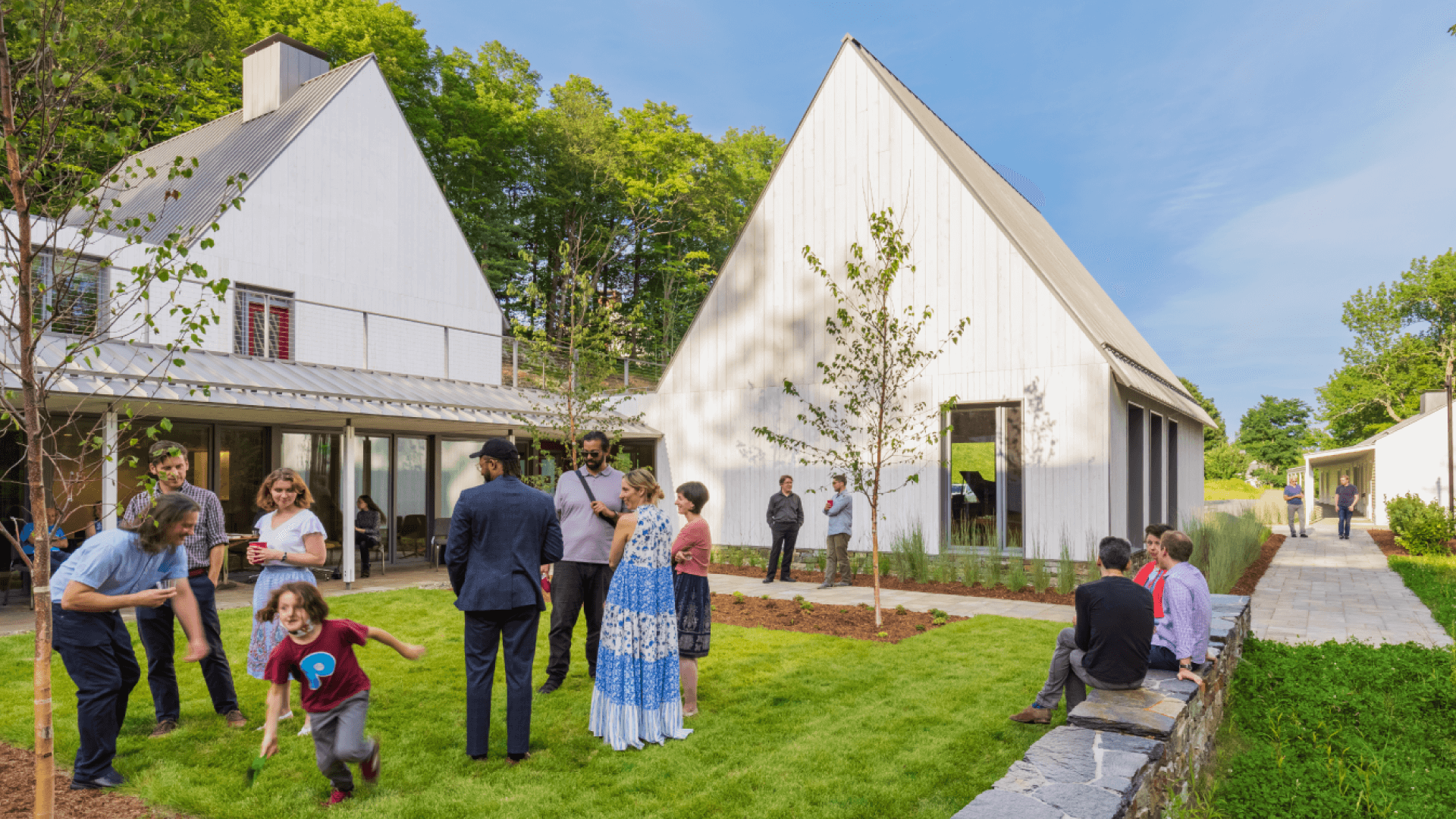

 HGA received the 2023 AIA Architecture Award for
Marlboro Music Reich Hall Rehearsal Building & Music Library
. Designed for performance and sustainability, the building discreetly integrates green strategies—geothermal energy, natural ventilation, and a green roof—while honoring Vermont’s landscape and climate.
HGA received the 2023 AIA Architecture Award for
Marlboro Music Reich Hall Rehearsal Building & Music Library
. Designed for performance and sustainability, the building discreetly integrates green strategies—geothermal energy, natural ventilation, and a green roof—while honoring Vermont’s landscape and climate.
Today, as a member of HGA’s Arts, Community and Education Practice Group, I regularly engage in conversations about high-performance design with clients. How I respond and what I focus on in my replies depends, of course, on the specifics of the discussion. But here are the consistent practices I bring to my work based on what I’ve learned from those conversations:
Find the client’s motivation for high-performance.
Clients have varied motivations for their interests in sustainability. Some prioritize cost savings, while others want to align with environmental goals. Institutions like universities and museums often look at long-term operational savings and carbon footprint reduction.
Start with overall project goals.
It’s important to gauge where sustainability falls on a client’s priorities list. Some clients may have detailed sustainability goals, while others may not have much awareness. We need to understand our clients’ priorities at the outset since it impacts design. I present ideas that promote a more holistic approach to meet their initial budget, but I also try to show them how more robust capital investments made today can add up to long-term savings tomorrow. If they don’t have that kind of flexibility in terms of finances, we propose adaptable solutions that allow them to add sustainability and performance-oriented elements down the road.
Demonstrate that sustainability doesn’t have to cost more.
There’s a perception that anything you do that’s sustainable is expensive, but that’s not always the case. There are a lot of passive strategies that don’t require additional investment. Siting a building properly, for example, is a cost-effective way to produce a more energy-efficient building. We highlight lifecycle cost analysis rather than just upfront costs. Sustainable design can reduce long-term expenses through energy efficiency, lower operational costs, and incentives.
 Sustainable by design, the
Jackson Hole History Museum
honors the past while protecting the future. Native landscaping, energy-efficient systems, low-impact materials, and stormwater management features create a high-performance home for history rooted in Jackson Hole’s natural beauty and the architectural context of downtown Jackson.
Sustainable by design, the
Jackson Hole History Museum
honors the past while protecting the future. Native landscaping, energy-efficient systems, low-impact materials, and stormwater management features create a high-performance home for history rooted in Jackson Hole’s natural beauty and the architectural context of downtown Jackson.
Define embodied carbon, and look for reduction opportunities.
Historically, our industry didn’t pay much attention to embodied carbon. The focus was more on operational carbon, relating to energy use during a building’s lifetime, whereas embodied carbon accounts for emissions from materials and construction. At HGA, many projects now analyze different structural systems based on the amount of embodied carbon in each project, so the client can better understand the cost and aesthetic ramifications.
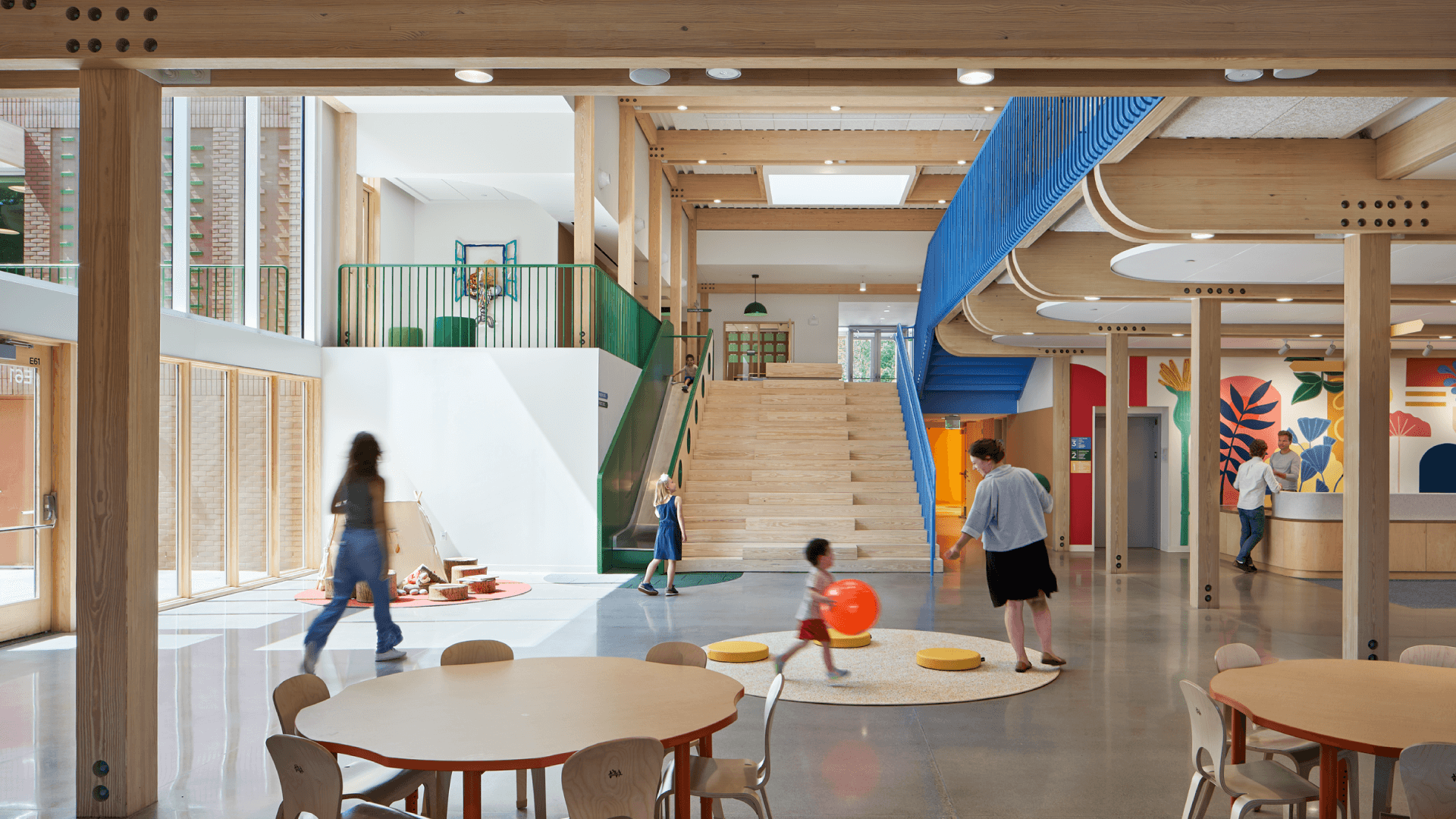
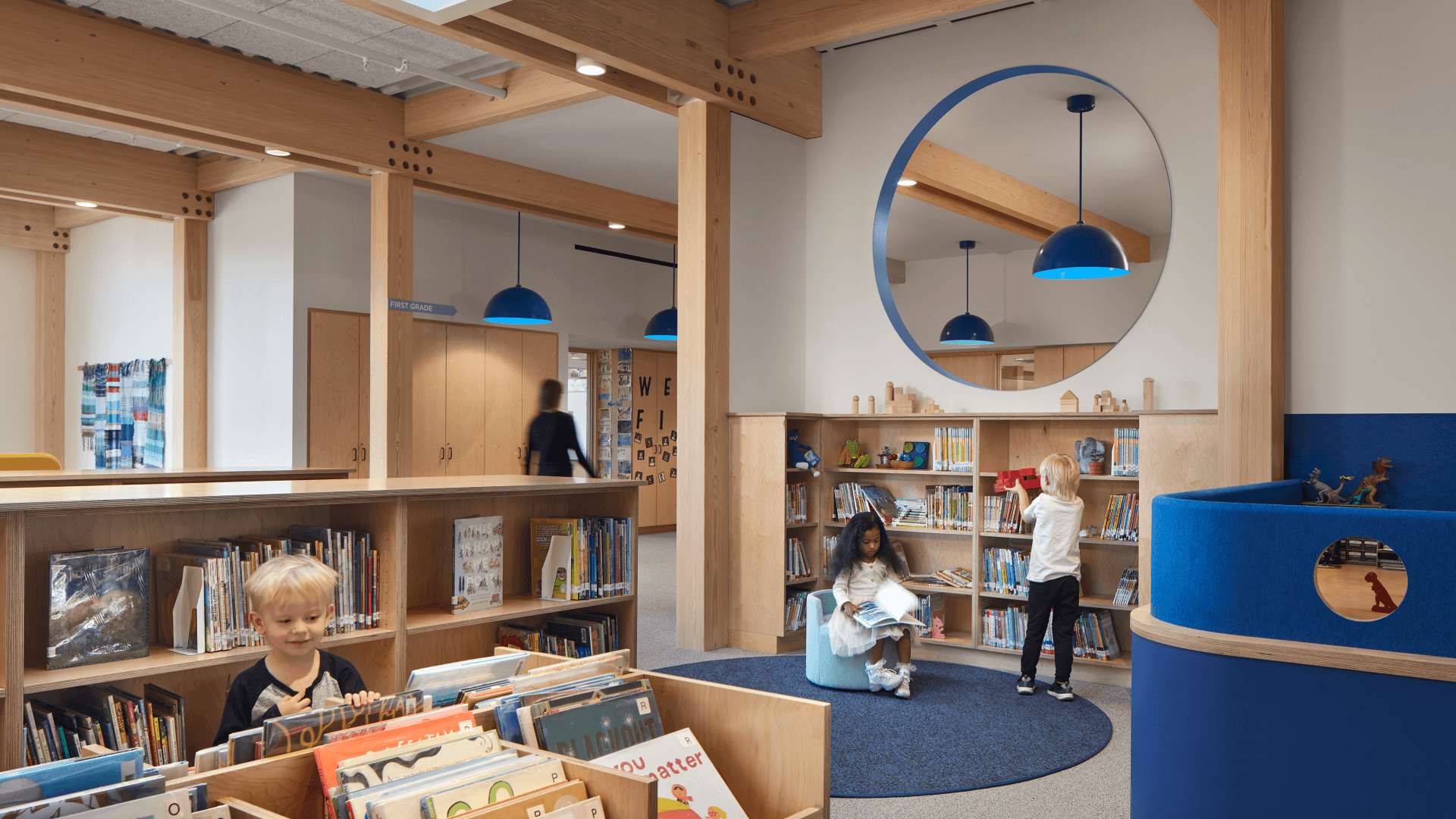
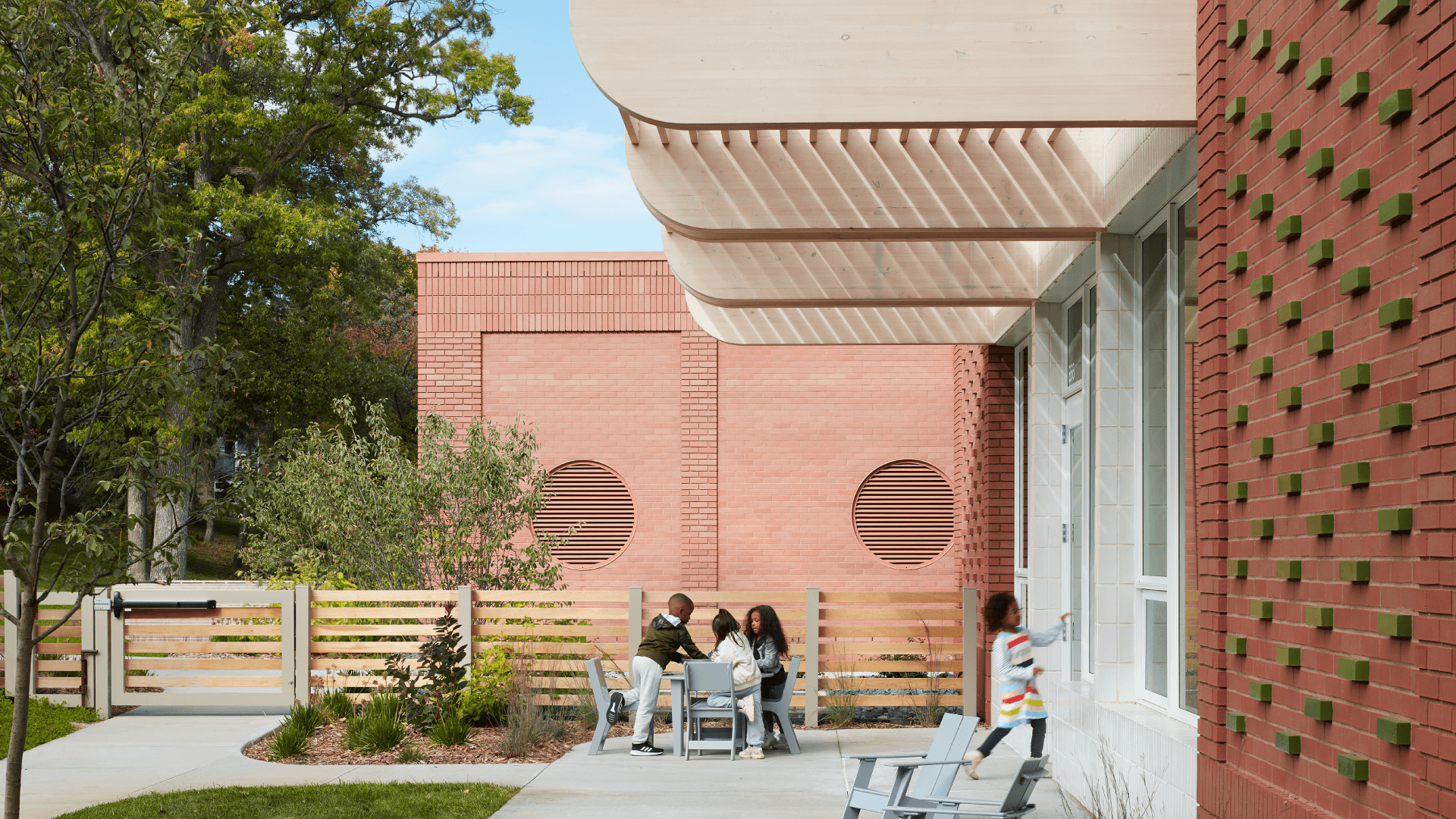
The Blake School - Early Learning Center benefits from a more sustainable design, achieved through the reduction of embodied carbon in its interior materials.
Showcase beautiful, sustainable solutions.
It’s true that in the past, sustainable designs often had a predictable, uninspired aesthetic. But the best designers have caught on, and today’s most award-worthy projects are also high-performers, integrating beauty and efficiency seamlessly. If you look at the projects that have won the top AIA awards in recent years, for example, you’ll see that design and performance are inextricably linked.
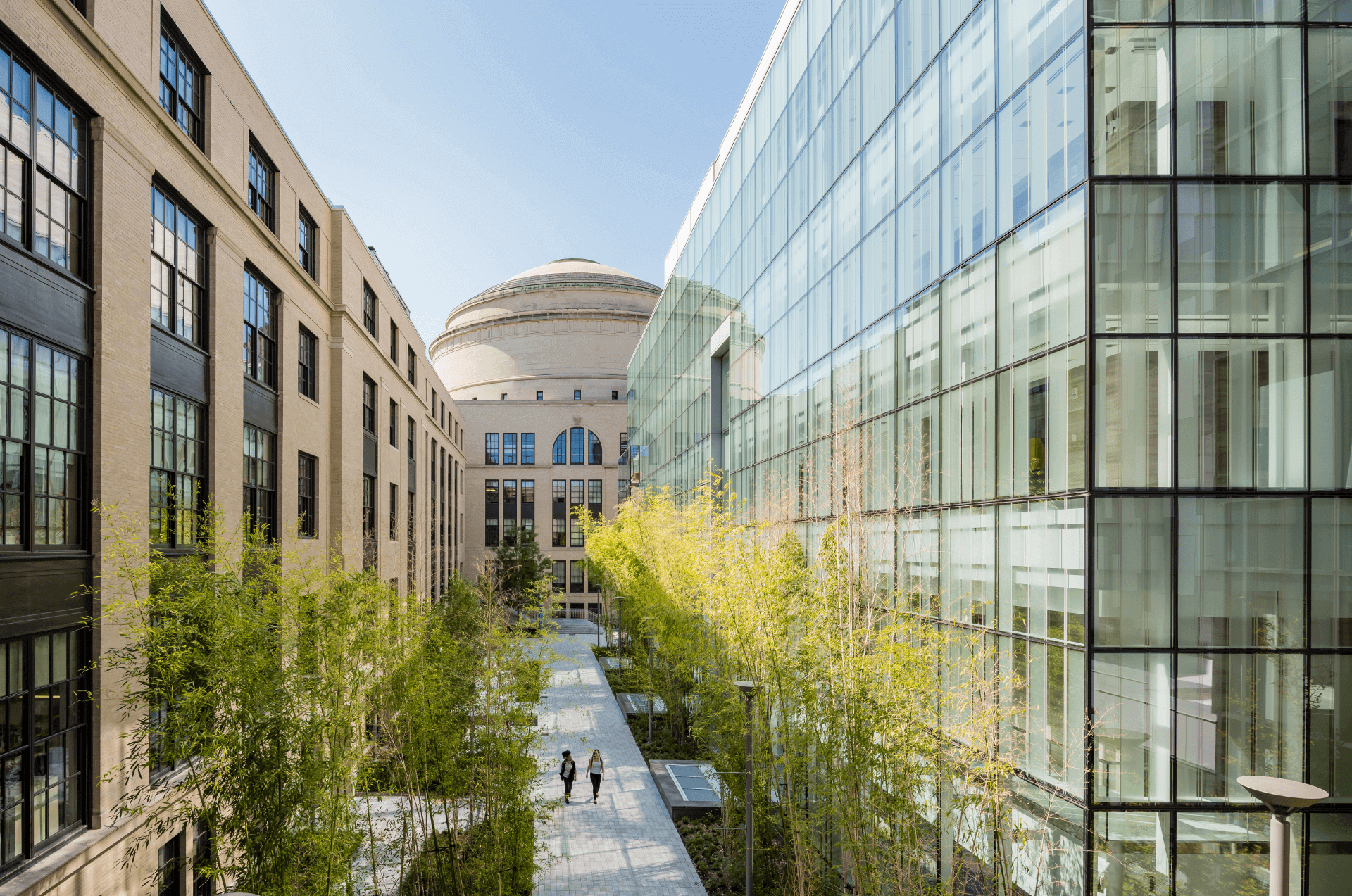
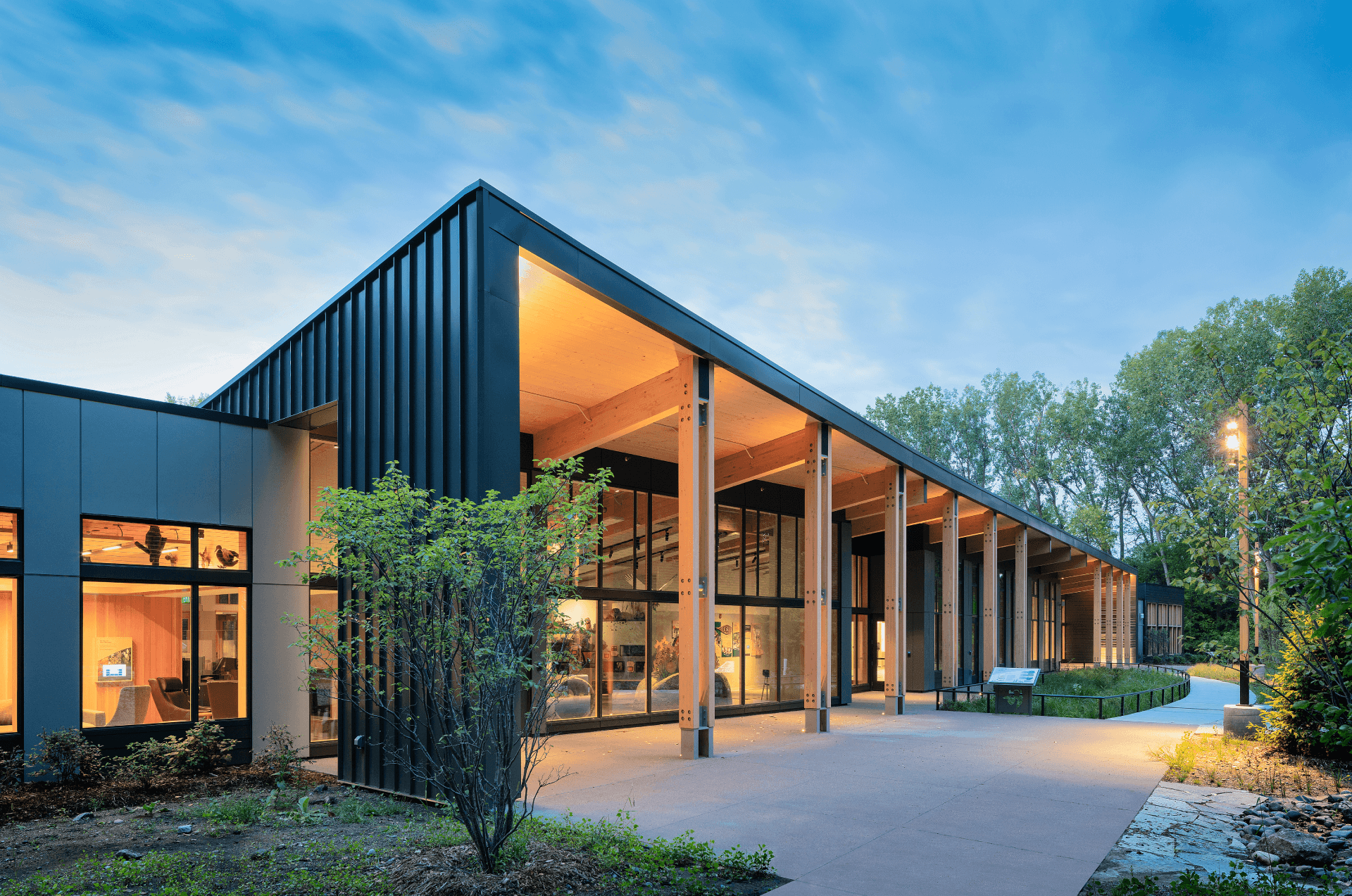
MIT.nano (2021) and Westwood Hills Nature Center (2023) each received the prestigious AIA COTE Top Ten Award, recognizing their excellence in integrating design and performance in alignment with the COTE’s rigorous criteria, including social, economic, and ecological values.
Use data to persuade skeptical clients.
Tools like energy modeling software can show performance differences between design options. At HGA, for example, our in-house energy script provides real-time performance data based on our most conceptual work, allowing us to demonstrate the benefits of various sustainable strategies before actual designs are developed.
Advise future-proofing now for a better return-on-investment.
Many cities and institutions are setting net-zero and carbon-reduction mandates. I advise clients that future-proofing buildings earlier can avoid costly retrofits later.

The City of Madison is working towards 100% renewable energy and net-zero carbon emissions by 2030 through a collaborative master plan.
Listen, don’t lecture.
The key to engaging clients on any issue is to listen, understand their concerns, and then tailor the conversation to what is most appropriate for the task at hand. Many of our clients, however willing, cannot always afford the luxury of high-performance technology. At HGA, we prefer to demonstrate cost savings and long-term performance advantages, in a cost-benefit analysis, guiding them toward making informed choices leading to a more holistic design that best balances program and performance. ∎
Learn more about HGA’s commitment to sustainability.