
Health Education
Catalyzing Change in Health Education Design
Health education institutions have an inspiring challenge – to prepare students to be empathetic, competent, curious, and collaborative—qualities essential for thriving in today’s healthcare environment.
HGA’s multidisciplinary team of architects, researchers, medical planners, engineers, nurses, and designers blends curiosity-driven inquiry with evidence-based design to push boundaries and delve into each client’s unique DNA. Through our human-centered approach, we uncover critical needs and create holistic ecosystems that enhance wellbeing and foster a sense of identity and belonging. Our designs balance technical precision with aesthetic inspiration, going beyond function, to promote interprofessional learning, adaptability, and resilience.
As trusted advisors, we are committed to reinventing conventional spaces and approaches, empowering health education institutions to overcome barriers and redefine their futures. By optimizing programs and enhancing operational efficiency, we facilitate adaptability in the evolving landscape, enabling future leaders to drive meaningful transformation in healthcare.



Health Education of the Future
Research in Action
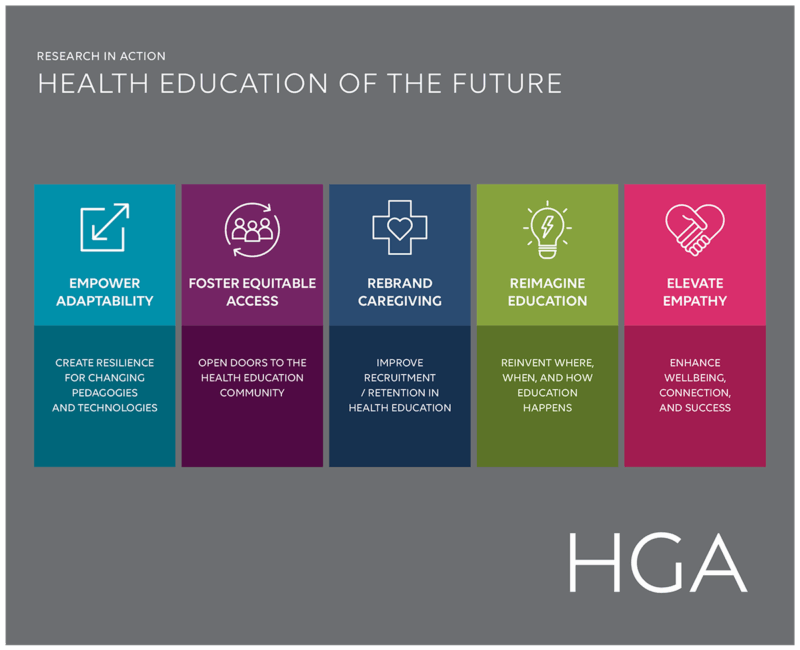
HGA’s healthcare and education specialists partnered with our Design Insight Group—a team dedicated to research and strategic insights—to explore the most pressing challenges health education institutions face as they look toward the future. Through this research investigation, five themes were identified as central to designing programs that successfully catalyze change and advance innovation.
Health Education of the Future
Empower Adaptability
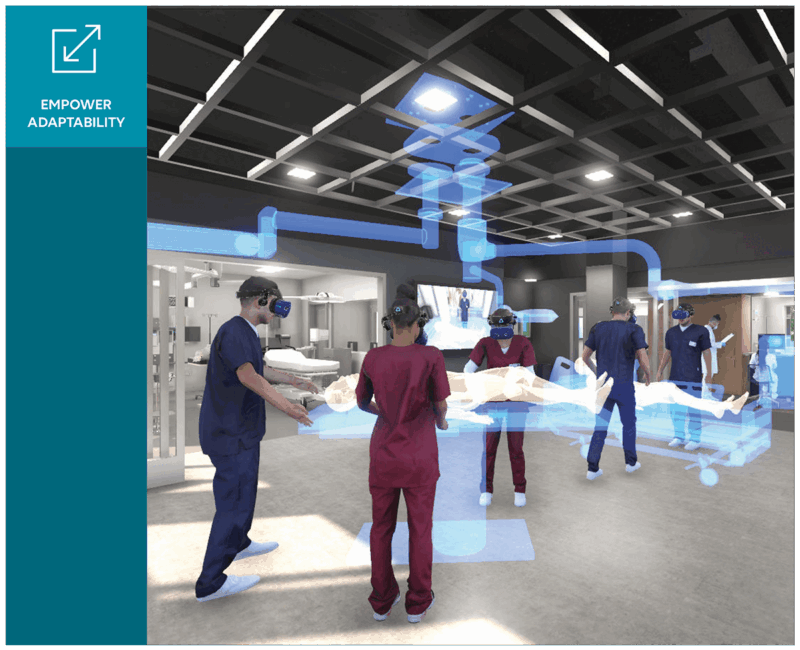
As health education evolves in response to rapid shifts in technology, clinical expectations, and care delivery models, institutions are increasingly reimagining the spaces where students learn. We help our clients make informed decisions around how to best scale their programs to fluctuating demands. This includes designing environments that offer flexible spaces that will accommodate a variety of fidelity resources and technology to prepare students to apply these learnings in practice. Adaptable footprints allow for a range of team-based, interprofessional projects of varying sizes, supporting innovation in caregiving and education.
Health Education of the Future
Foster Equitable Access
Equitable access to health education is critical to address systemic challenges within healthcare, including unequal allocation of power and resources for unserved populations,, discrimination, and the lack of community-based caregivers. By recruiting and developing pathways for a diverse generation of healthcare professionals, we endeavor to prioritize inclusive educational opportunities. This approach works toward a future where patients connect with caregivers who understand their unique circumstances, helping to advance a healthcare experience that is equitable for all. This commitment not only enriches healthcare education but also empowers communities by bridging diversity gaps in professional environments, thus promoting a healthcare landscape where equity is at the forefront.
Health Education of the Future
Rebrand Caregiving
Rebranding caregiving involves recognizing it as a skilled, strategic, and central component of healthcare. We have a unique opportunity to contribute to healthcare transformation by shaping educational environments that challenge outdated stereotypes, elevate teaching and learning experiences, and affirm caregiving roles. Addressing burnout is crucial; creating spaces that support caregivers' well-being such areas for respite, socialization, gender neutral bathrooms, and lactation rooms, we embrace inclusivity and reframe caregiving as a justice-oriented profession. By integrating caregiving into leadership and interdisciplinary practice, we reinforce its importance as a dignified and essential part of health systems.
Health Education of the Future
Reimagine Education
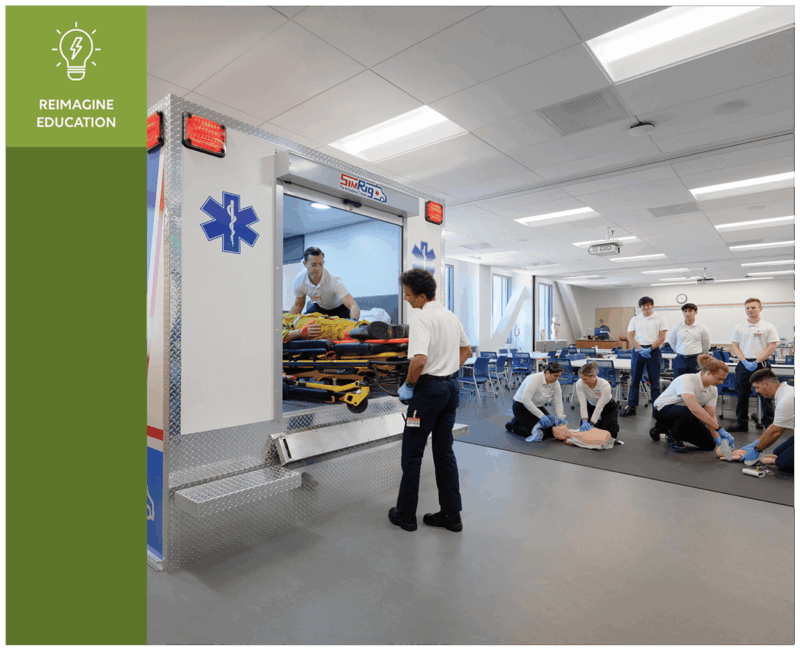
Rethinking where health education happens encourages innovative and community-based responses. This could help encourage local members of a community to get into the education pipeline and further support sustainable health education. This type of thinking can also encourage practice-based education and hands-on learning, all critical to support the needed skill development of caregivers. Especially relevant in todays technologically advanced teaching platforms.
Health Education of the Future
Elevate Empathy
Prioritizing empathy as a cornerstone in health education has wide-ranging benefits from improving engagement to fostering more compassionate healthcare providers. It can improve student-patient relationships, enhancing communication and patient-centered care, which leads to improved outcomes. Curriculums that incorporate empathy through role-playing that simulate real-world scenarios allows students to practice empathetic interactions. This skill is vital to support teamwork and reduce conflict within healthcare teams, promoting collaborative environments. Additionally, empathy serves as a crucial tool to mitigate burnout and elevate wellbeing, while playing an essential role in enhancing connection and success.
Featured Projects View All Work
Shaping Academic Medical Centers—and the Next Generation of Healthcare Professionals
Our work in Academic Medical Centers puts us at the forefront of healthcare innovation. That same insight and technical expertise informs the way we design spaces for health education—bridging clinical environments and the academic settings that prepare students to thrive.
Explore our Academic Medical Center portfolio.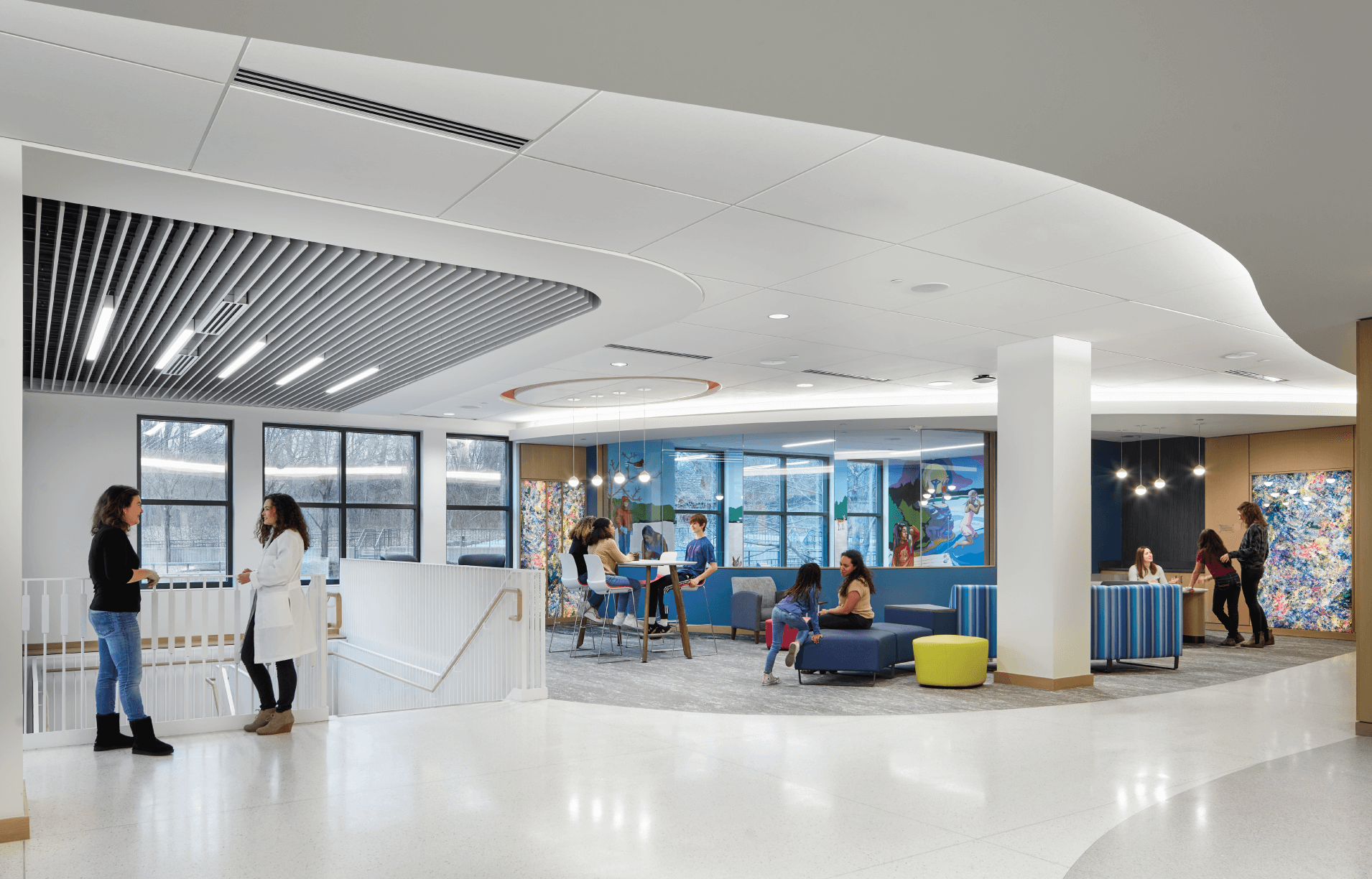
For more information, contact Business Developer Kate Bartlett.