
Healthcare in Focus
This month’s Market Spotlight asks a simple question with complex answers: “What challenge in your market excites you most right now?” Inspired by HGA’s Quick Takes series, we invited voices from across our LA Healthcare team to respond, revealing different perspectives on evolving client needs, operational pressures, emerging technologies, and the design opportunities shaping the future of care.
With more than 28 years of healthcare planning and programming experience, Jennifer Ries brings a strategic lens to helping clients navigate complexity, improve operations, and create environments that support healing and the human experience.
My answer would be “doing more with less,” but for me, that is less about constraint and more about innovation. Our clients are asking us to be sharper, more strategic, and more thoughtful stewards of their resources. The opportunity is in using planning to unlock greater value: more efficient operations, better experiences for patients and staff, and spaces that can adapt as care continues to evolve. We differentiate ourselves through a deeply collaborative process that brings the right expertise together early, challenges assumptions, and pushes design beyond what is expected. I find the challenge exciting because it forces us to think differently, plan smarter, and continue testing the boundaries of what healthcare environments can become.

Jennifer Ries
Healthcare Planning Principal
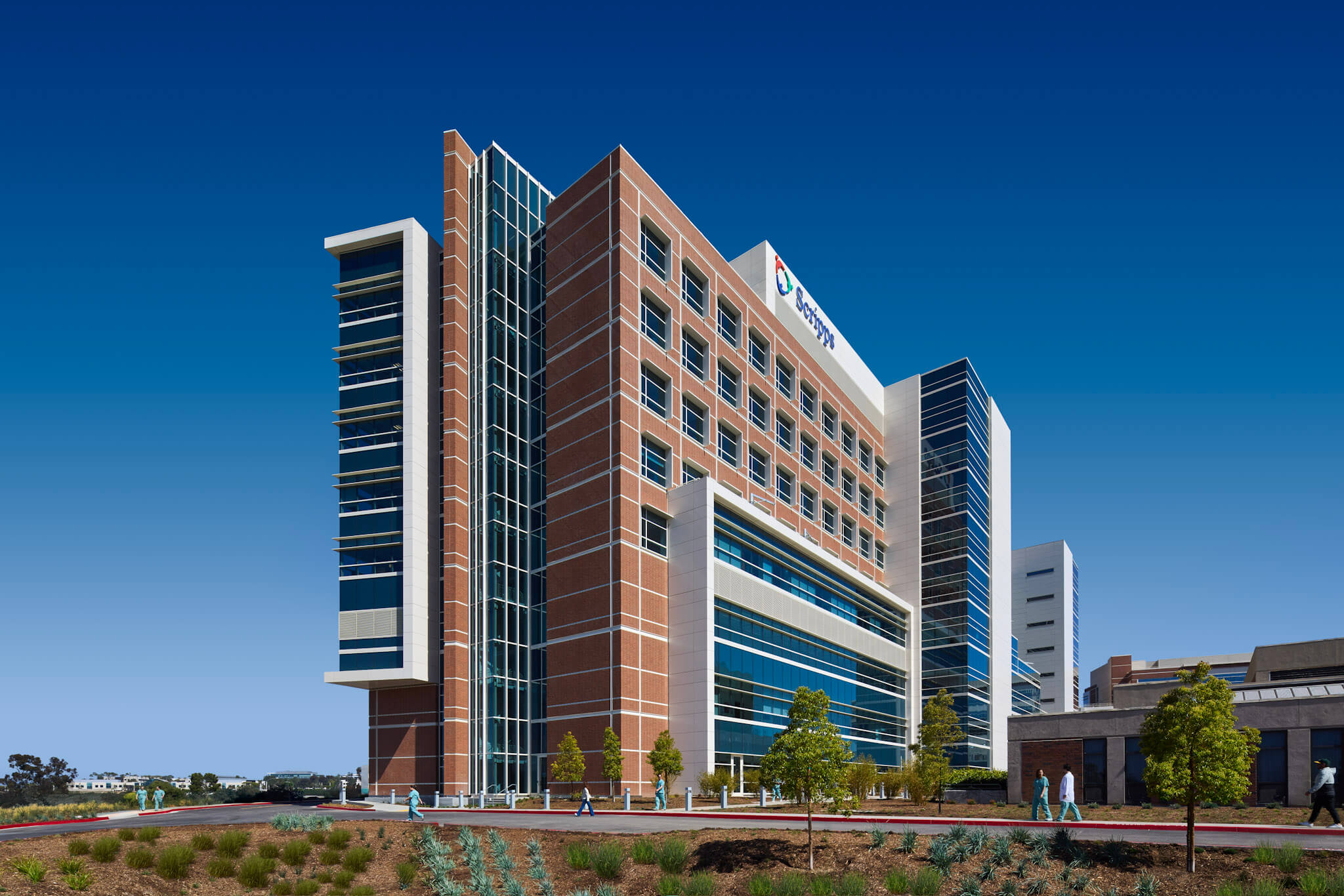

Project Coordinator Leo Garcia looks at healthcare design through the lens of change: how new technologies, evolving delivery models, and established best practices can work together in environments where reliability still matters most.
If I had to identify an exciting challenge in healthcare, I’d say it is balancing proven best practices with the rapid evolution of emerging technologies. From driverless supply carts to live construction scanning, new tools are beginning to change how healthcare spaces are planned, delivered, and operated. Healthcare has always been a conservative market, but clients are increasingly open to less-tested models of service delivery when they can clearly see the value. That creates an exciting challenge for design teams: to help clients separate novelty from meaningful innovation and identify where new approaches can improve operations, support caregivers, and advance the patient experience.

Leo Garcia
Project Coordinator
Sr. Project Coordinator Erin Gallagher brings attention to the everyday spaces, workflows, and moments that shape how staff experience their work.
The challenge that excites me most right now is designing healthcare environments that treat staff wellbeing as essential infrastructure, not an amenity. Healthcare design has rightly focused on patients and families, but the experience of nurses, physicians, and care teams has become just as critical to the future of care delivery. Burnout, staffing shortages, and operational stress are not abstract industry issues; they show up in how people move through a unit, where they find moments of respite, how clearly they can see and communicate, and whether the environment supports or works against them.
The opportunity is to design spaces that make the work of care more sustainable. That means looking closely at workflow, visibility, acoustics, access to daylight, team spaces, respite areas, and the small daily moments that shape whether staff feel supported. When we design for caregivers, we are also designing for better patient care. That shift feels both urgent and deeply meaningful.

Erin Gallagher
Sr. Project Coordinator
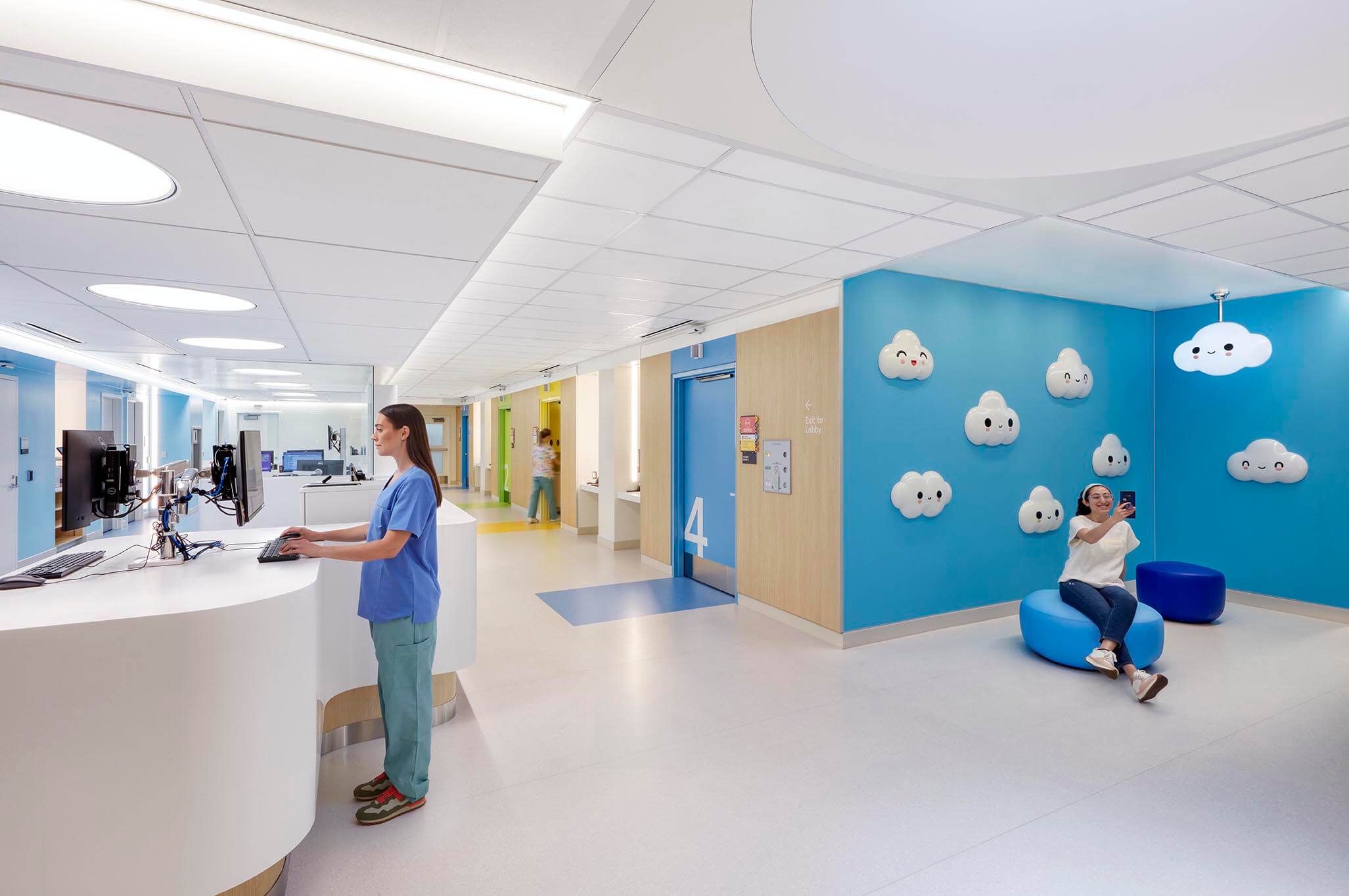
Cecilio Cortez sees existing healthcare facilities as some of the best lessons in design coordination, phasing, and flexibility.
Renovations and expansions to existing healthcare facilities always keep us on our toes, and they never fail to teach and inform us as designers. As healthcare systems continue to refresh, adapt, and make better use of existing spaces, these projects challenge us to think carefully about how design can support change without disrupting care.
One of the biggest lessons is the importance of construction phasing. In an active healthcare environment, the facility cannot simply shut down, so every phase has to respond to evolving schedules, daily operations, staff workflows, and patient needs. That complexity is what makes the work exciting. It requires flexibility, coordination, and a deeper understanding of how design decisions affect the people using the space every day.

Cecilio Cortez
Project Coordinator
This Market Spotlight offers a glimpse into just a few of the people who make up the HGA LA team and the perspectives they bring to the work. Stay tuned for future Spotlights featuring more market teams across HGA and the people, ideas, and expertise behind the projects we deliver.
Learn more about the people and partnerships behind our Healthcare work.