
In Minnesota, great design doesn’t happen in a vacuum — it happens through people, place, and purpose. For more than 73 years, our Minneapolis office has been deeply rooted in the Twin Cities, building lasting relationships and leaving a meaningful mark on the communities we call home. And in Rochester, our team has grown alongside one of the Midwest’s most dynamic cities — shaped by a deep connection to the medical and research community anchored by Mayo Clinic, and a commitment to design that supports health, innovation, and quality of life.
Local Pulse is your inside look at the heartbeat of our Minneapolis and Rochester offices: the talented individuals driving innovative work, the projects shaping communities, and the culture that makes it all possible. From community engagement and sustainability initiatives to team milestones and market insights, Local Pulse highlights the stories that define who we are and what we stand for here in Minnesota — and beyond. Pull up a chair — there’s a lot worth knowing.
Jump to: What’s New | Market Spotlight | Project in Focus | Subscribe

HGA tours Abbott Northwestern Hospital for ASHE Conference
Experience healthcare design in action at the Healthcare Facilities Innovation Conference by American Society for Health Care Engineering (ASHE)
Join HGA’s Krista Biason, P.E.; Terri Zborowsky; and Jeffrey Harris, PE , for the “Excellence in Action Tour: Richard M. Schulze Surgical and Critical Care Center” at Abbott Northwestern Hospital, Allina Health.
Walk through the new Care Pavilion Tower and see how 192 private beds, 52 interventional suites, advanced infrastructure systems, and smart technologies like automated TUGS robots come together to support patient care, operations, and flexibility.
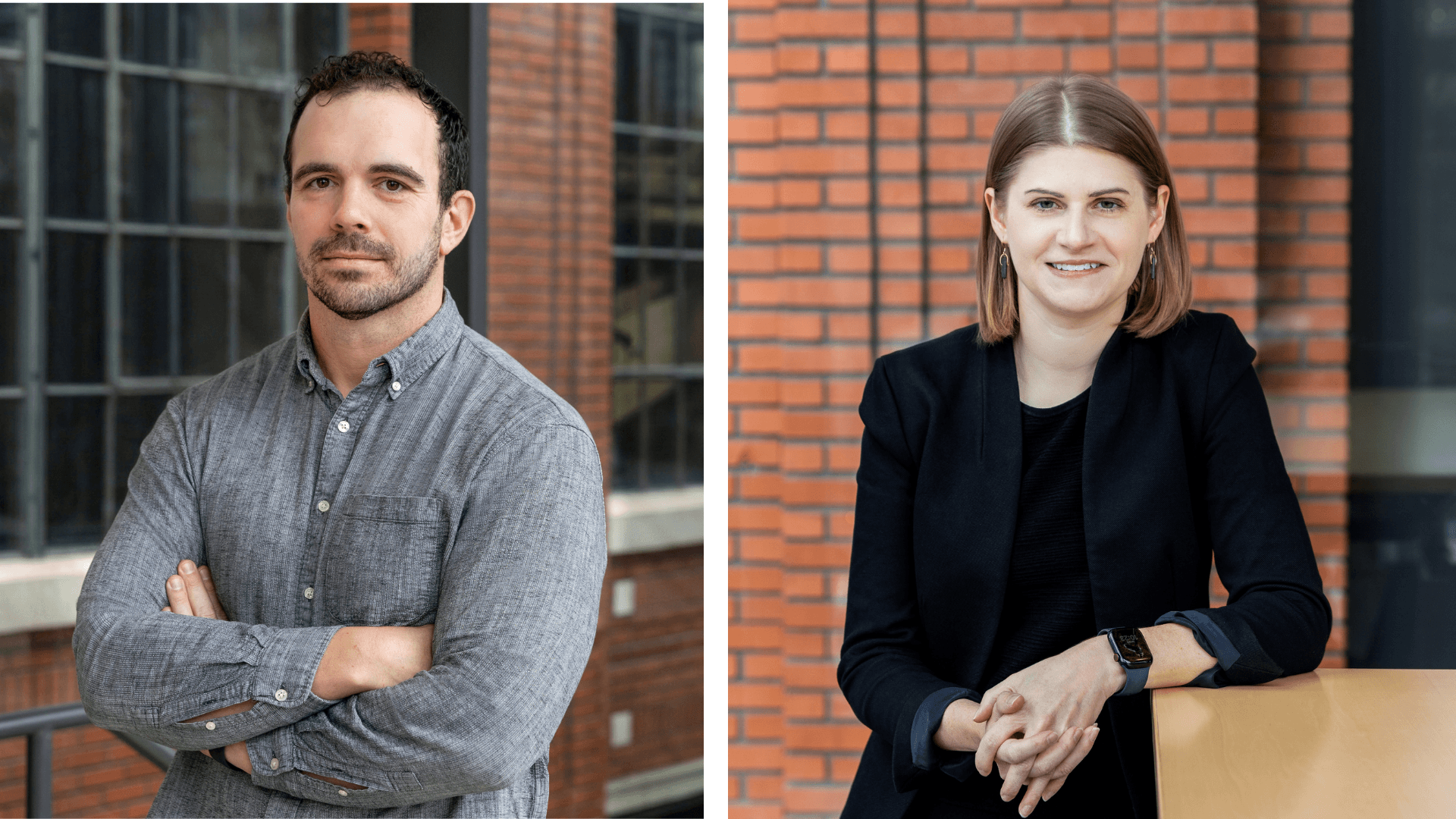
HGA & AIA Minnesota Young Architects Award
Two HGA architects, two different paths to the same recognition. Michael Hara turns history and craft into enduring design. Kaitlin Joan Schalow, AIA, LFA turns community engagement into systems-level change.
Both are now 2026 AIA Minnesota Young Architect Award recipients—and both are exactly the kind of leadership our profession needs more of. Congratulations to both of these rising stars! Check out all 6 honorees here.
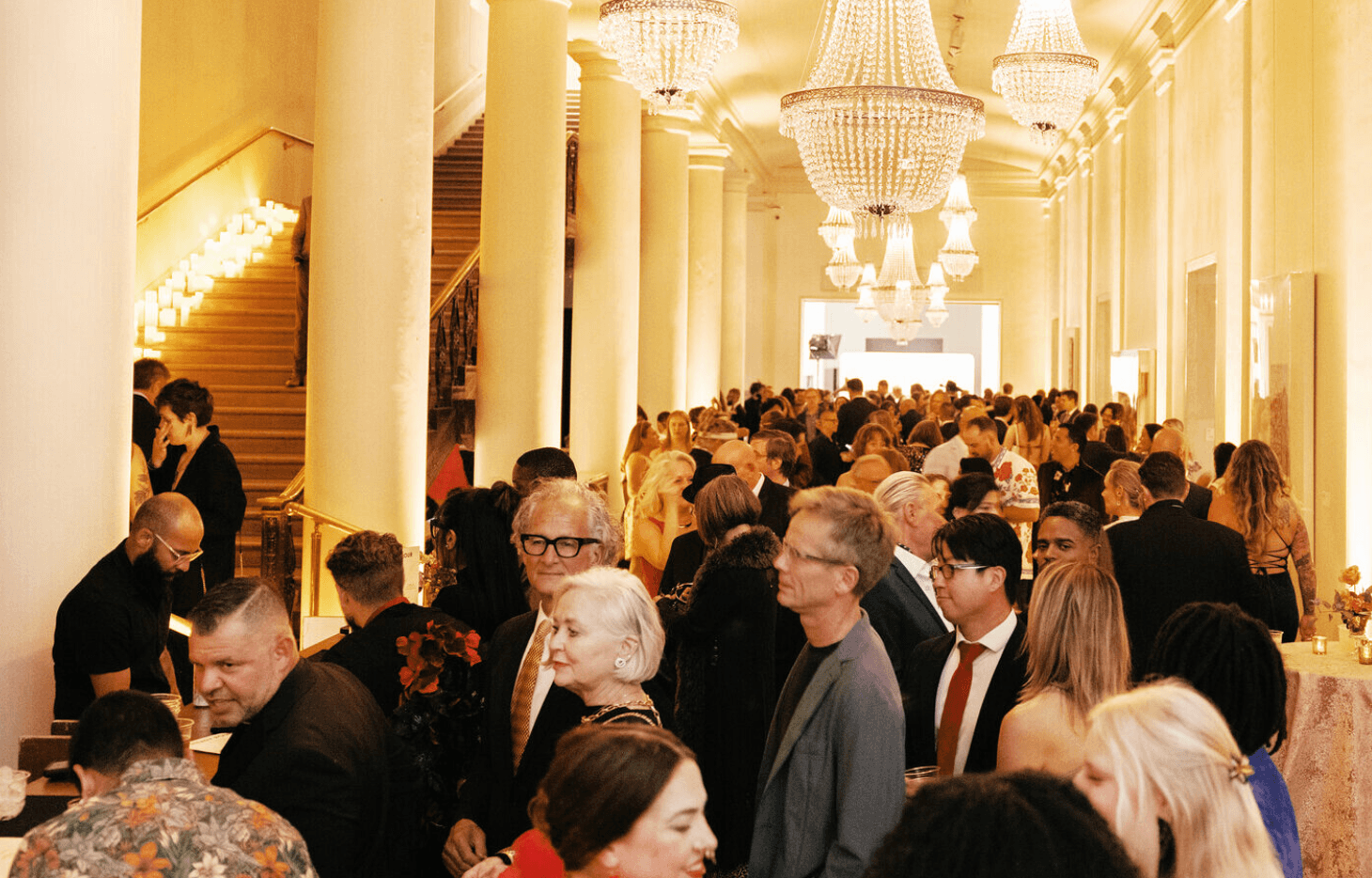
HGA Sponsors Mia’s Landmark “Paris Couture” Exhibition
HGA is proud to sponsor Paris Couture, a landmark exhibition opening this fall at the Minneapolis Institute of Art (Mia).
Featuring more than 80 rare haute couture masterpieces from the renowned Palais Galliera, the Paris Fashion Museum, the exhibition offers visitors an extraordinary opportunity to experience some of the world’s most celebrated fashion designs—from historic works to contemporary creations by iconic fashion houses including Dior, Balenciaga, Chanel, and Schiaparelli. The exhibition runs October 4, 2026, through January 17, 2027, and marks a once-in-a-decade opportunity to experience these works in Minneapolis.
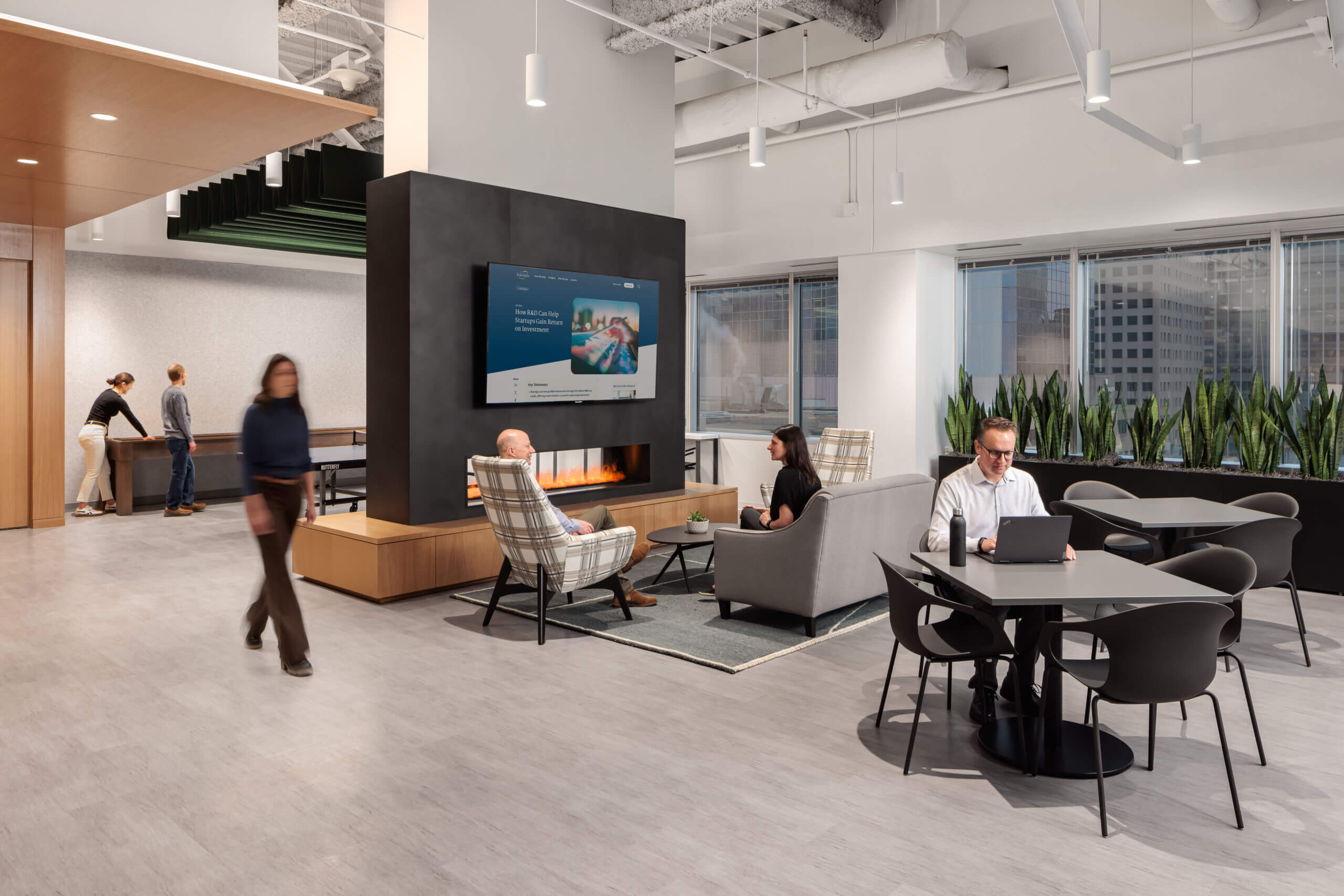
Your Office Isn’t Dead, It Just Needs Better Design
For the past few years, the workplace conversation has revolved around one big question: should we work remotely, in person, or somewhere in between? But what if that’s the wrong question altogether?
Rather than fixating on location, forward-thinking organizations are asking a deeper question: how can we design environments that truly support people? With mental health and well-being increasingly linked to performance, the workplace is no longer just a backdrop—it’s a strategic tool. And according to recent research from McKinsey, five leadership practices consistently drive high-functioning, high-performing teams: connectivity, innovation, mentorship, collaboration, and skill development. The real opportunity? Each one can be supported and strengthened by thoughtful workplace design.

Read full article here.
Interactive Feedback turns Buildings into Classrooms for Conservation
When energy and water reduction goals are clear, building occupants can actively contribute to achieving benchmarks. At Wolf Ridge Environmental Learning Center, eco-feedback screens help inform visitors to make environmentally conscious choices. HGA partnered with Wolf Ridge to explore the impact of real-time resource consumption data on decision-making.
The findings demonstrated that technology and thoughtful design influenced behavior choices and offered meaningful insights for owners and designers to connect design, education, and behavior.
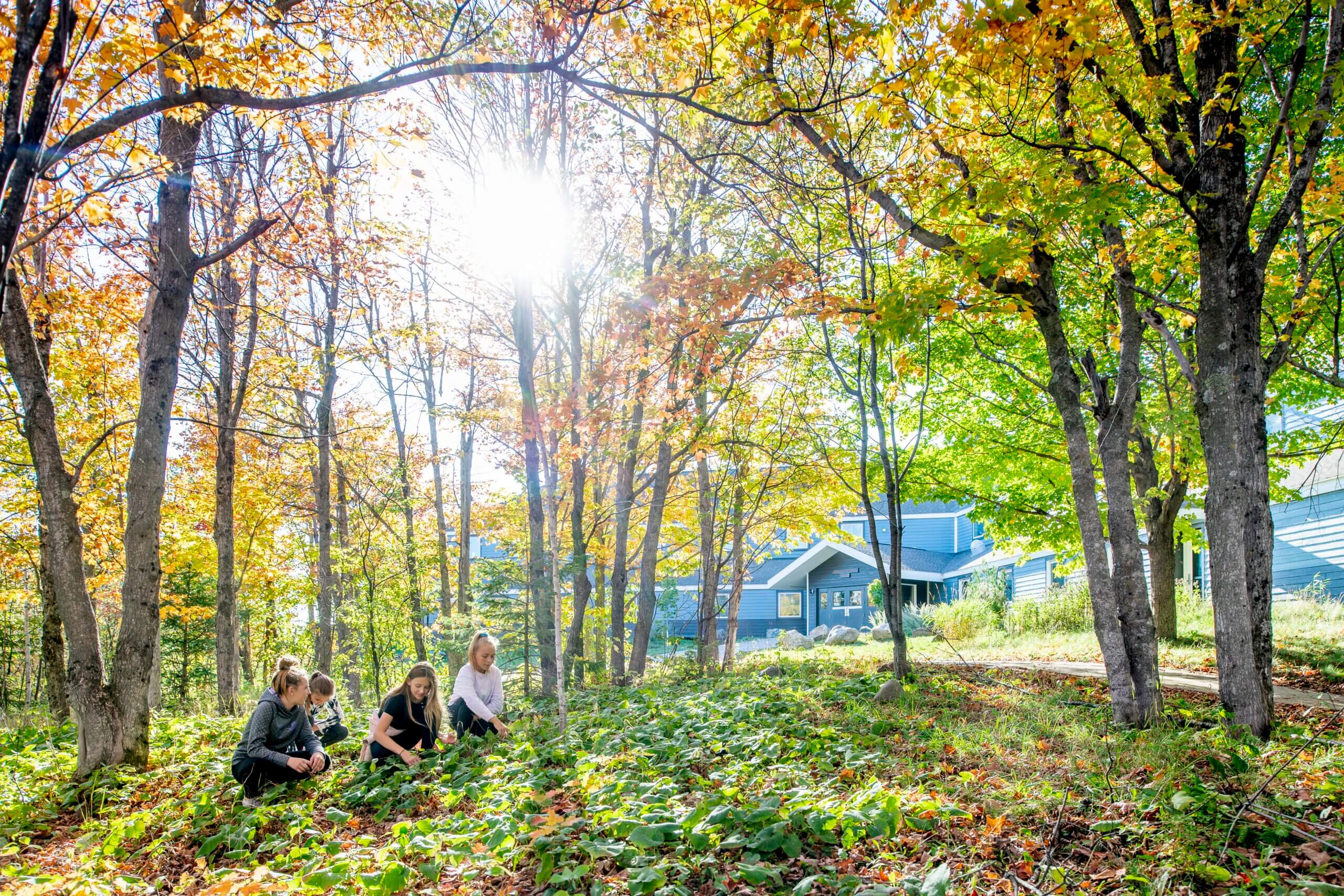
Building Design Meets Experiential Learning
Wolf Ridge Environmental Learning Center in northern Minnesota embraces the idea that buildings can be teaching tools to help users participate in resource conservation and sustainable outcomes. The Margaret A. Cargill (MAC) Lodge, the world’s first renovation to achieve full Living Building Challenge (LBC) certification, includes a simple yet powerful strategy. Eco-feedback screens in dorm rooms display real-time data on water, electricity, and heat usage to show visitors how their daily choices add up, informing their daily actions. Additionally, Wolf Ridge can facilitate a conservation competition that rewards the school that conserves the most during student visits, adding a competitive incentive to the screens’ data.
Read full article here.