
For the past few years, the workplace conversation has revolved around one big question: should we work remotely, in person, or somewhere in between? But what if that’s the wrong question altogether?
Rather than fixating on location, forward-thinking organizations are asking a deeper question: how can we design environments that truly support people? With mental health and well-being increasingly linked to performance, the workplace is no longer just a backdrop—it’s a strategic tool. And according to recent research from McKinsey, five leadership practices consistently drive high-functioning, high-performing teams: connectivity, innovation, mentorship, collaboration, and skill development. The real opportunity? Each one can be supported and strengthened by thoughtful workplace design.
Here are some examples of how HGA has helped several of our clients put these five leadership practices into action:
Connectivity | Case Study: Eide Bailly
Eide Bailly’s downtown office is more than a workplace—it’s a connector. Over a decade ago, when the national CPA firm partnered with HGA to relocate from the suburbs to downtown Minneapolis, the goal was to strengthen relationships by being close to clients, peers, and the energy of the city’s central business district.
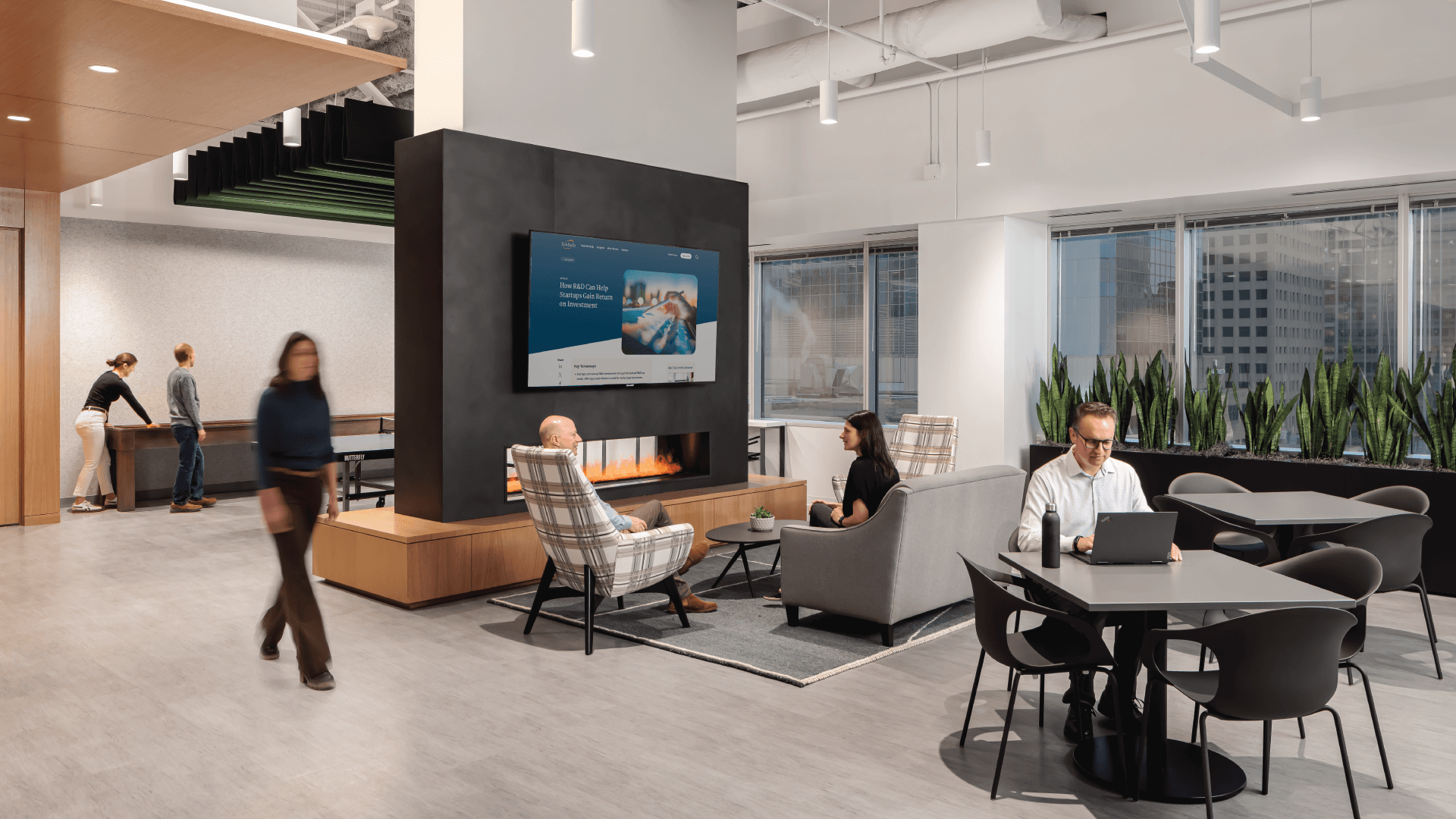
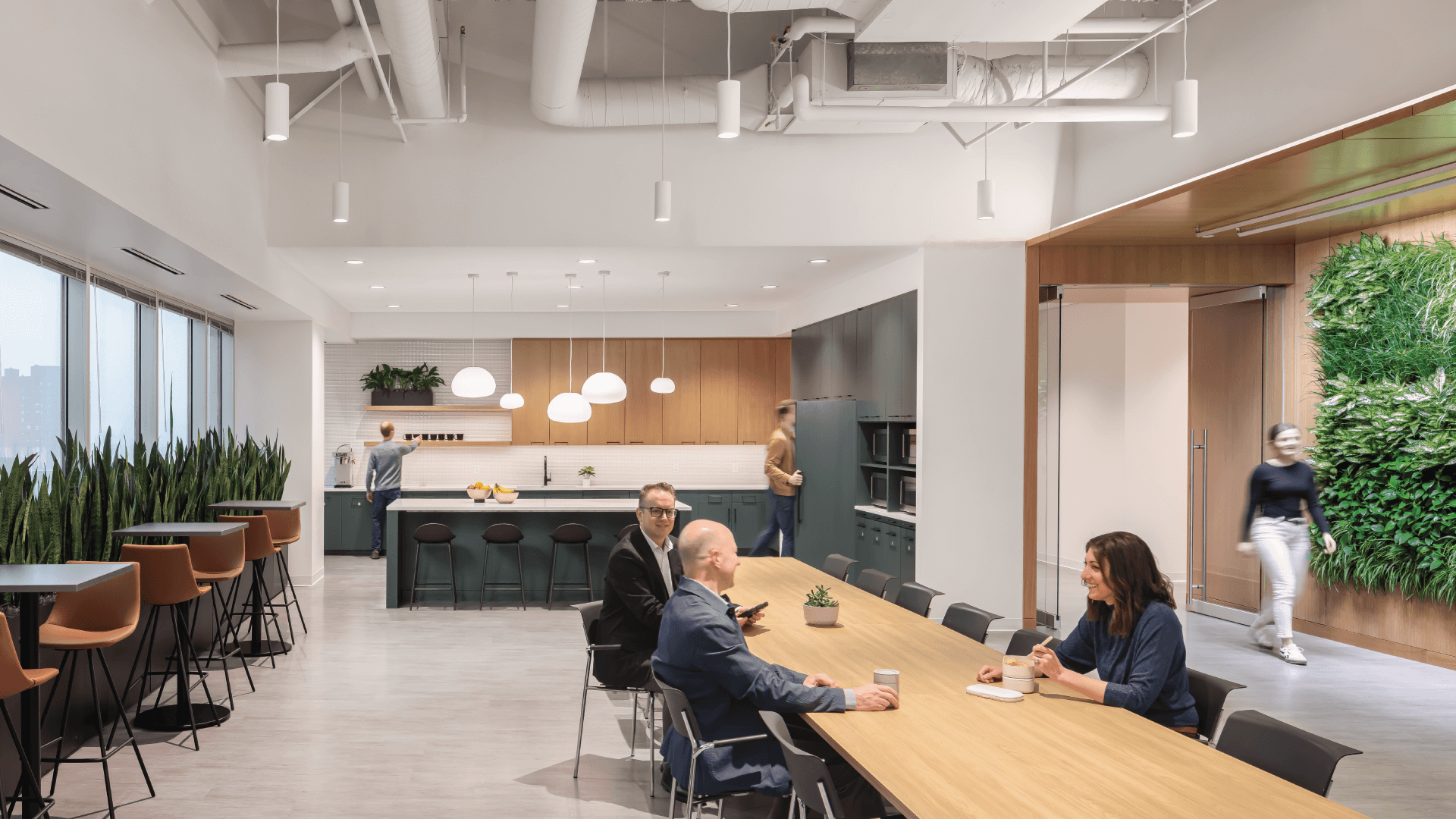
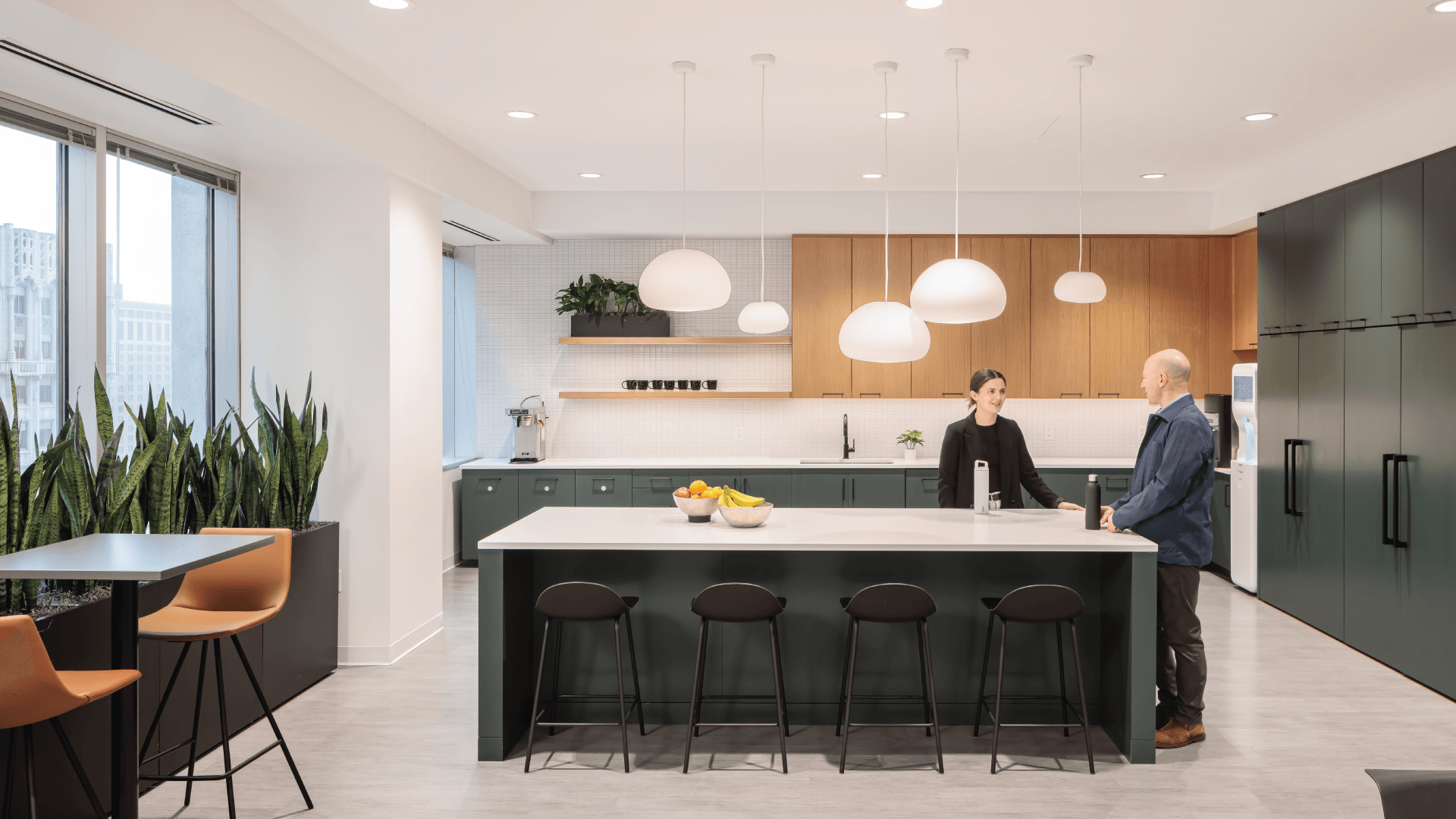
Since then, Eide Bailly not only renewed it‘s lease, but also it’s commitment to downtown. Once again, they turned to HGA to evolve it’s existing 40,000 SF workspace. With high ceilings, generous natural light, and a column-free central workspace, the layout blends private and open office zones. In the updated design, over 25% of the floor is now dedicated to collaboration, mentoring, training, and social spaces—connecting people in multiple ways.
Social zones with long communal tables and shared amenities encourage cross-team engagement and connection. Sustainable design choices and the reuse of existing elements align with the firm’s values. The result is a workspace that supports human connection while reinforcing Eide Bailly’s culture and mission.
Innovation | Case Study: Zotec Partners
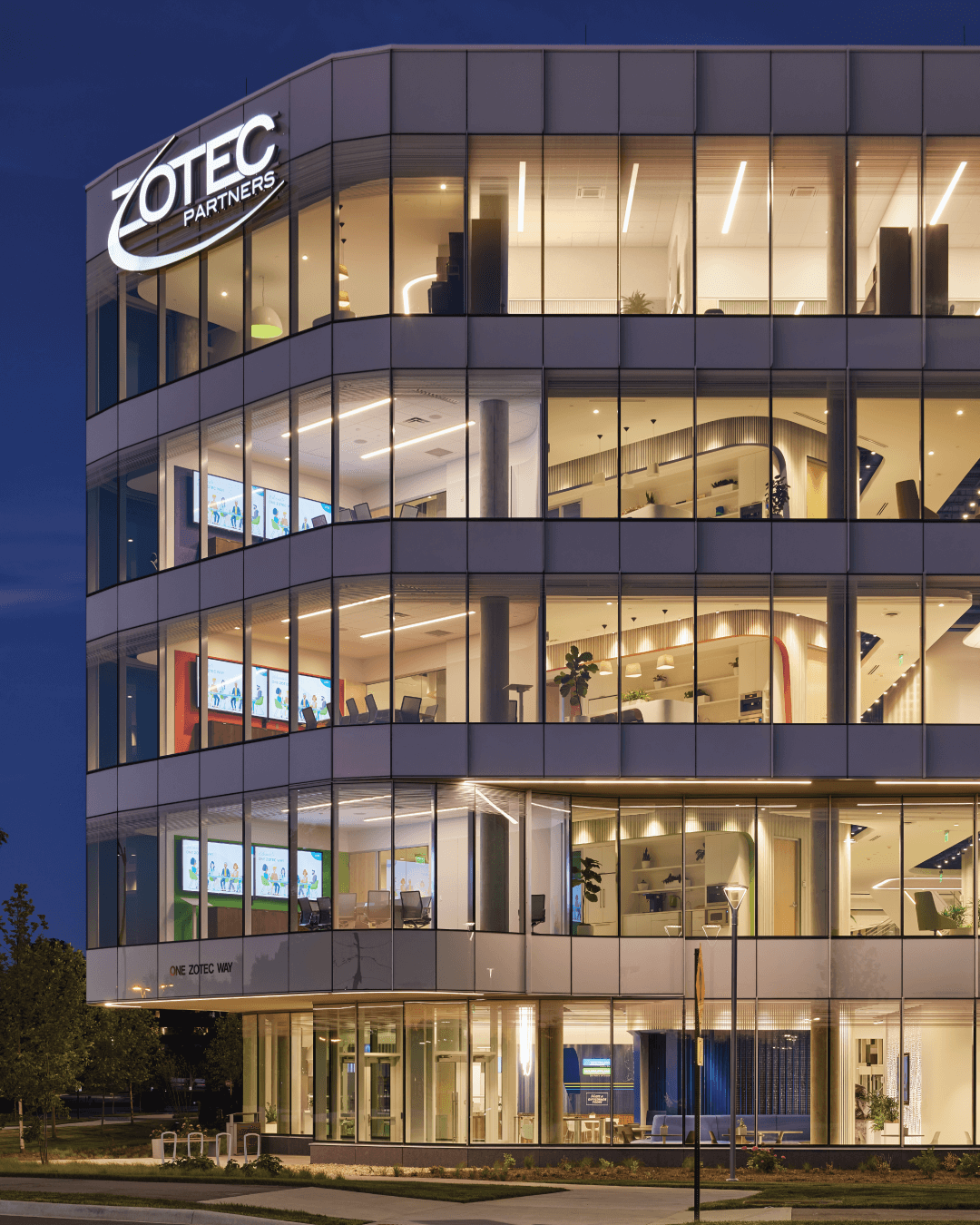
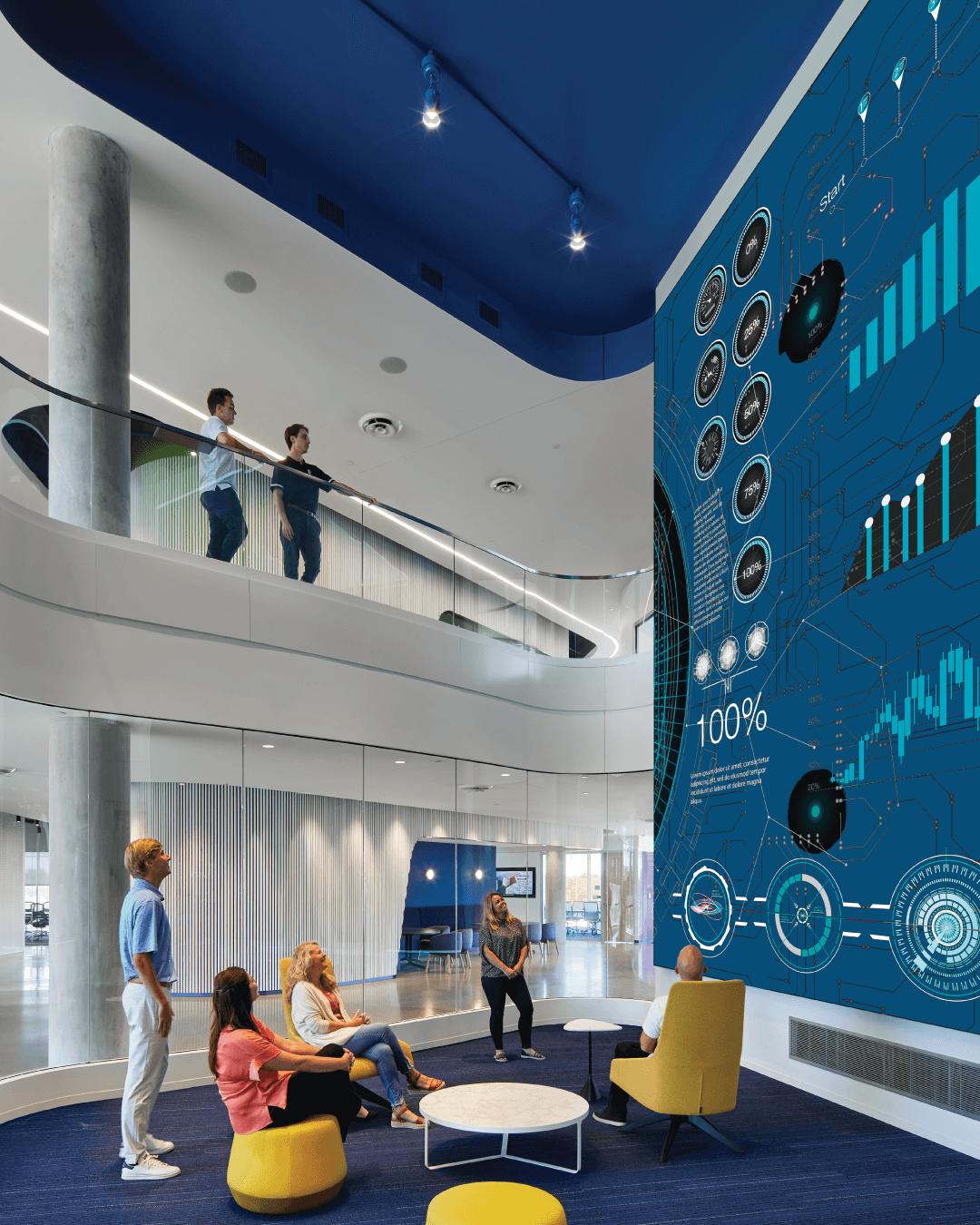
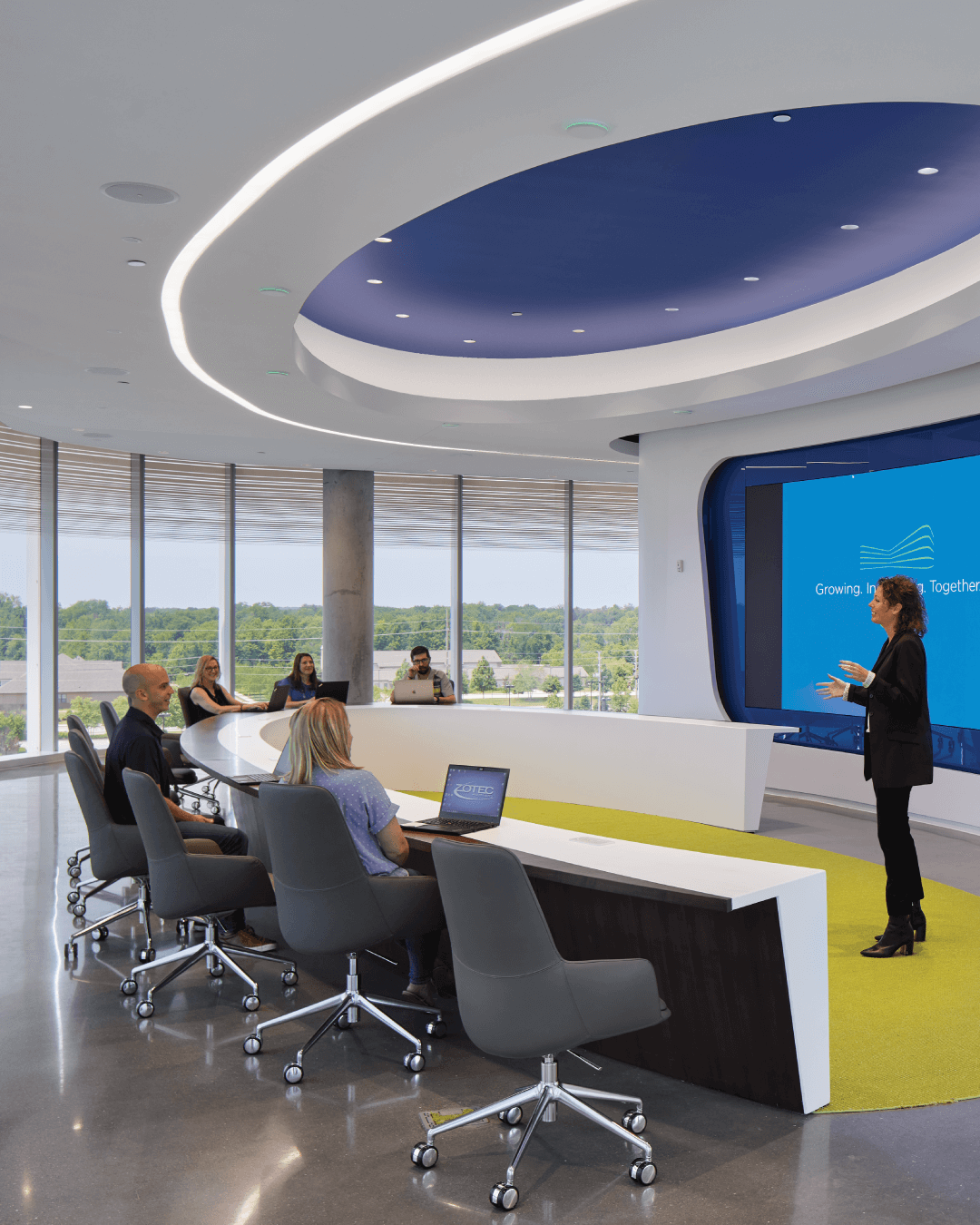
Zotec’s headquarters in Carmel, Indiana, reflects its mission to simplify healthcare for patients and providers through technology. The design of the contemporary workspace blends sleek, modern finishes with tactile, human-scale elements—striking a balance between innovation and warmth.
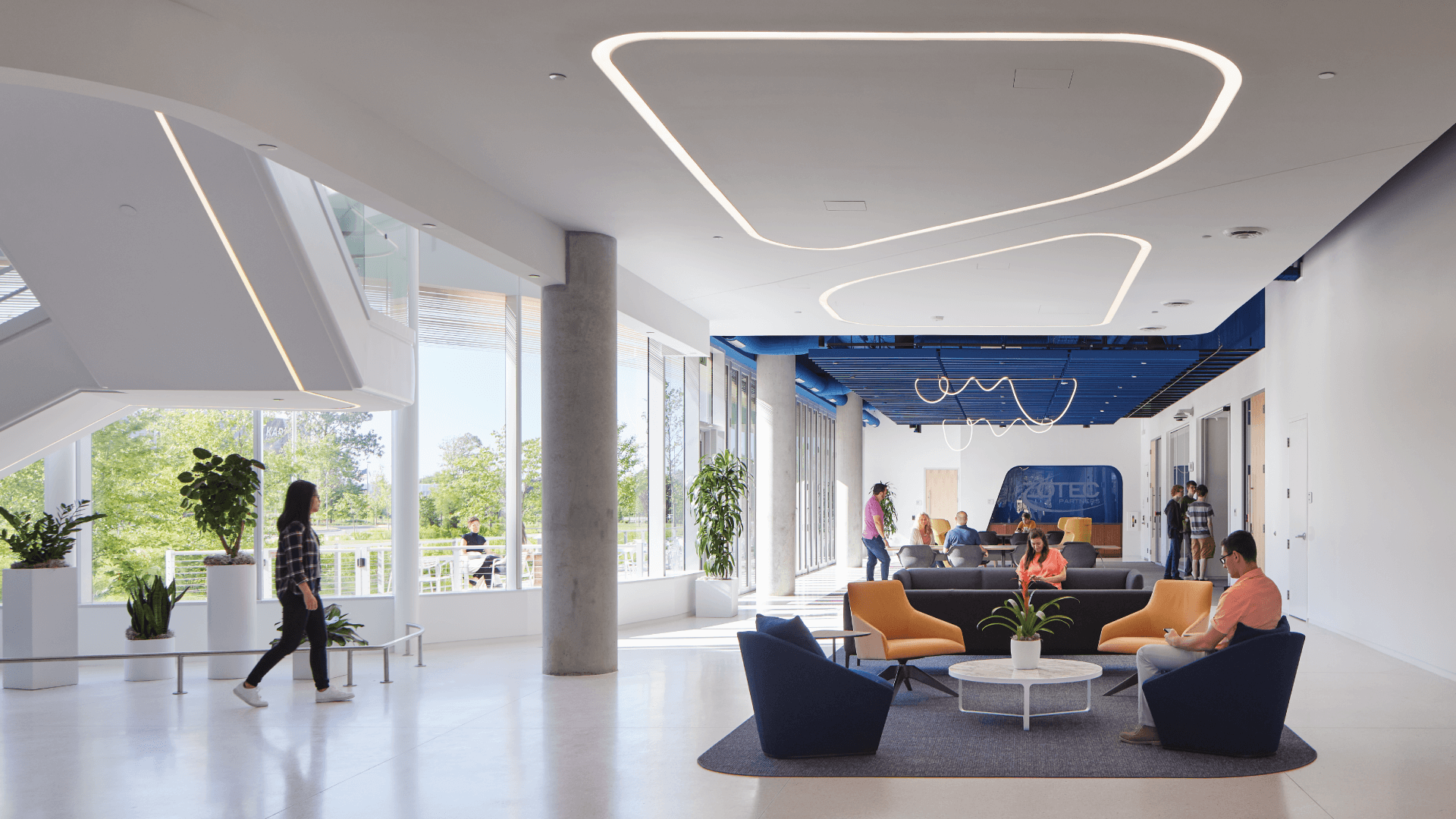
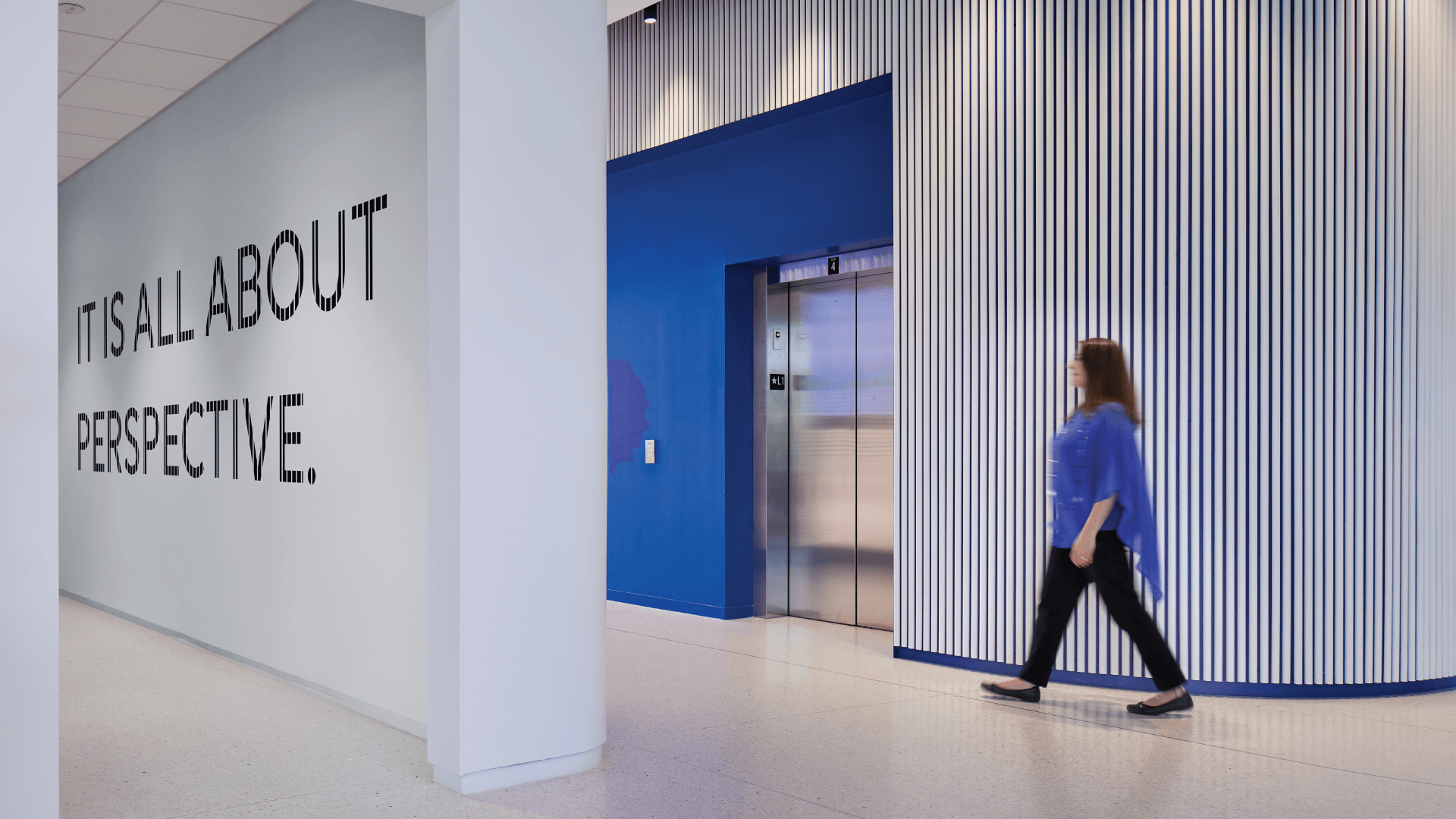
Woven throughout the space is the story of the customer journey. Environmental graphics highlight Zotec’s values—Engage, Transform, Evolve, Connect—and guide visitors through their experience. A branded timeline captures key milestones, positioning the company as a dynamic and innovative industry leader.
Large video displays, glossy materials, dramatic curves, and bold design gestures convey tech-forward energy, while textured surfaces add comfort and depth. For young talent, the space is more than an office—it’s a branded environment designed to engage, inspire, and attract. Zotec’s workplace doesn’t just support innovation; it embodies it.
Mentorship | Case Study: General Mills
At General Mills, mentorship often begins over coffee or a casual conversation—not in an enclosed conference room or a private office. In the time since the pandemic, the company reimagined its amenities–focused Champions Center to further foster these informal connections.
The refreshed campus amenities include a large café, full fitness center, credit union, salon, and grab-and-go dining. Flexible seating throughout supports individual work, collaboration, and spontaneous interaction. Open circulation and unassigned workspaces make cross-functional encounters and mentoring feel natural and spontaneous.
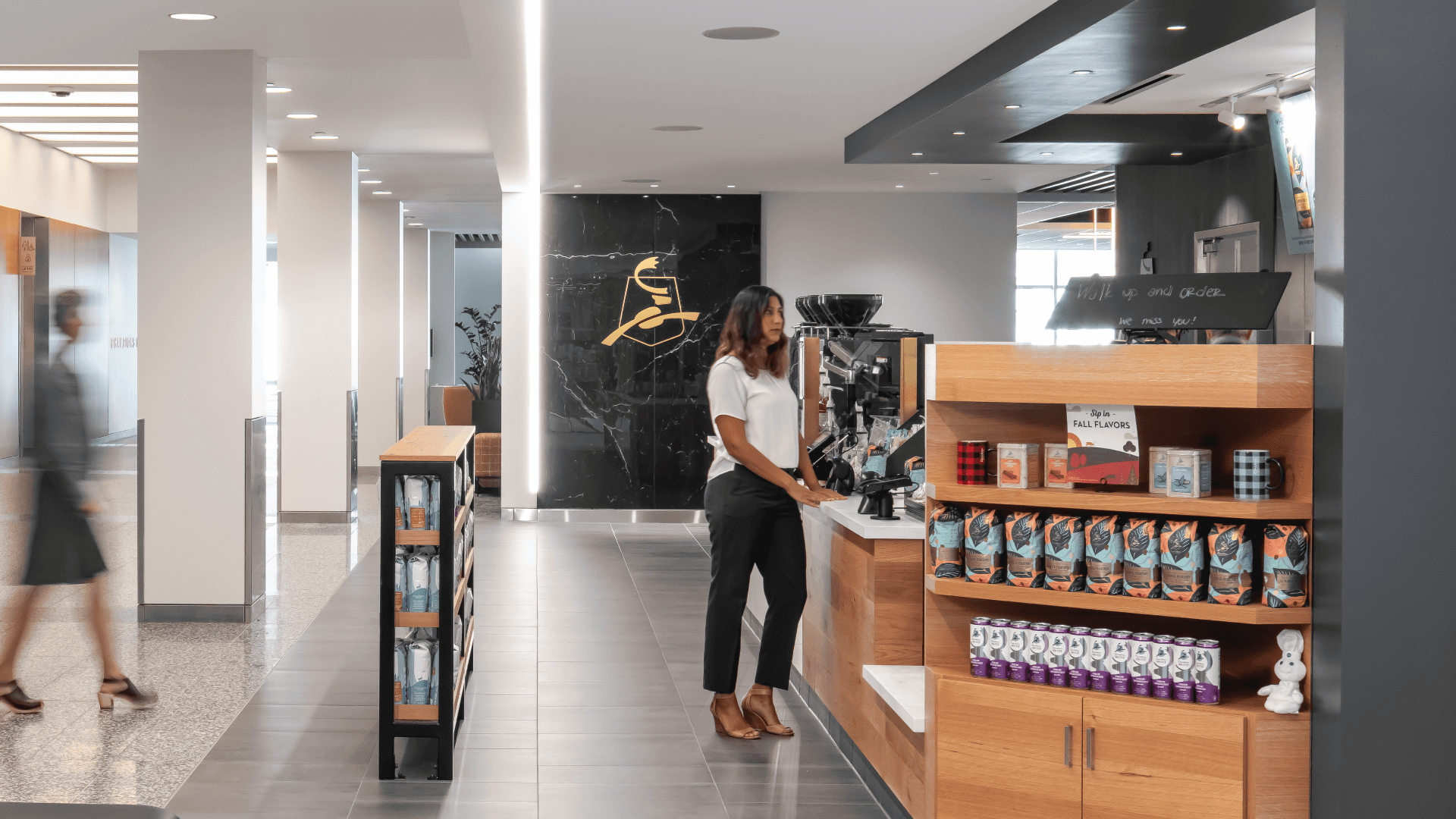
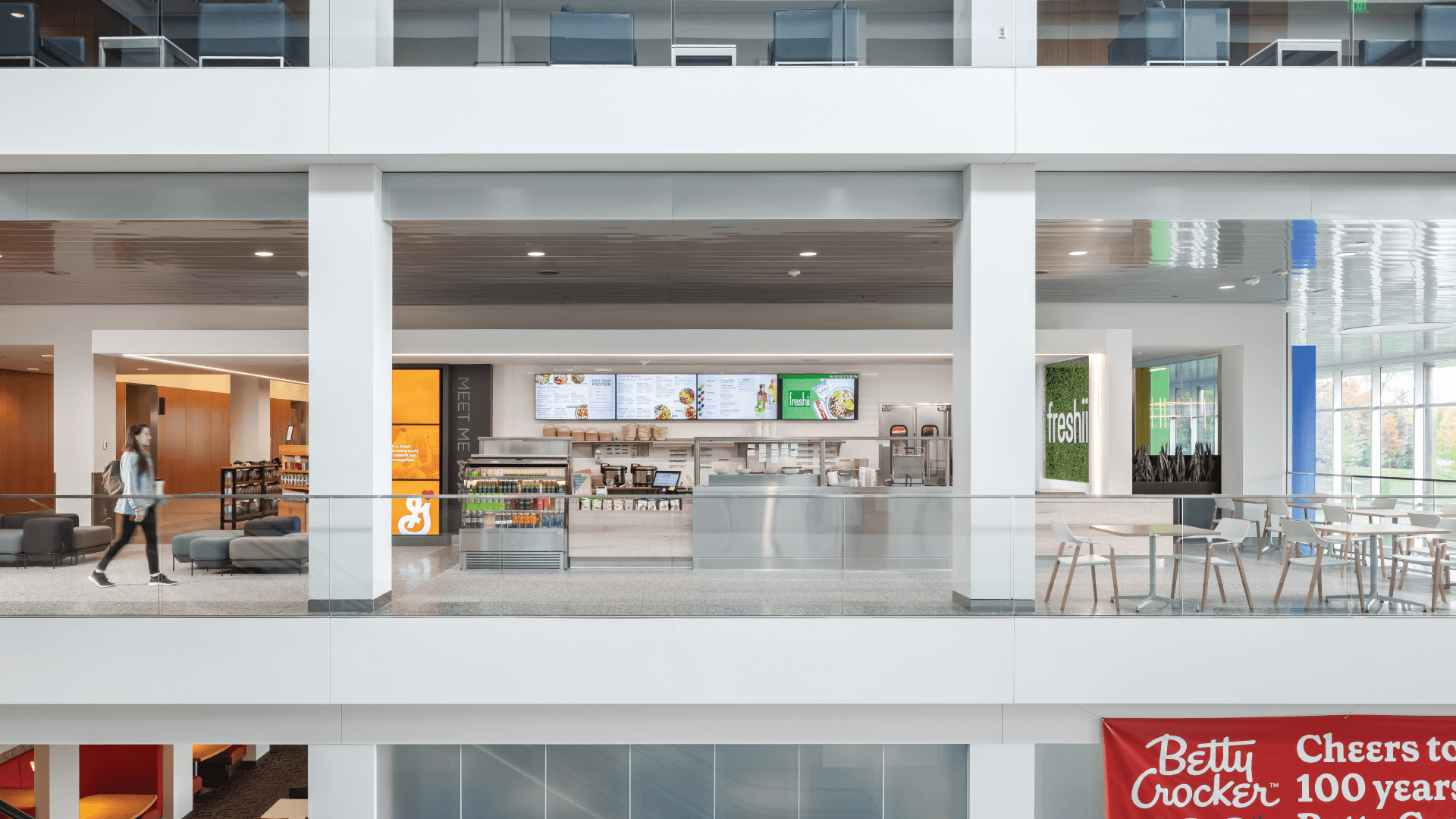
Touchless technology, upgraded HVAC systems, and all-gender restrooms reflect a commitment to inclusivity, safety, and wellness. By investing in comfortable, equitable environments, General Mills has created a workplace where mentorship isn’t a mandate—it’s a cultural norm, embedded in the design.
Collaboration | Case Studies: HGA D.C. + HGA Minneapolis
HGA’s offices in Washington D.C., and Minneapolis are designed to support collaboration in all its forms—in-person, digital, formal, and impromptu.
In D.C., the office blends warm wood, black metal, and bold accents within the historic Woodies building. Large windows, varied workstations, Zoom rooms, and a coin wall celebrating team achievements all reinforce the flexible, people-centered design.
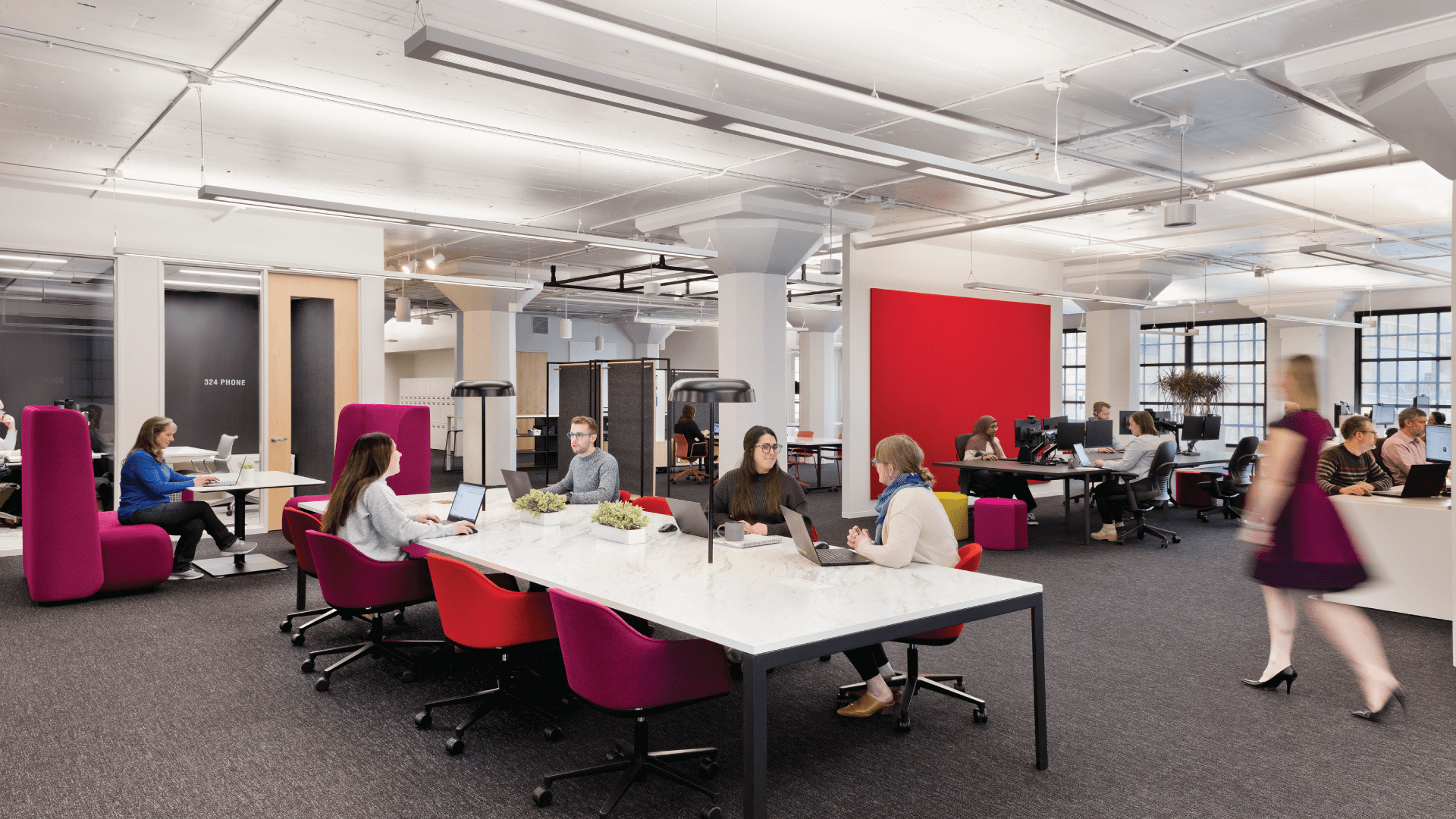

HGA | Minneapolis, MN
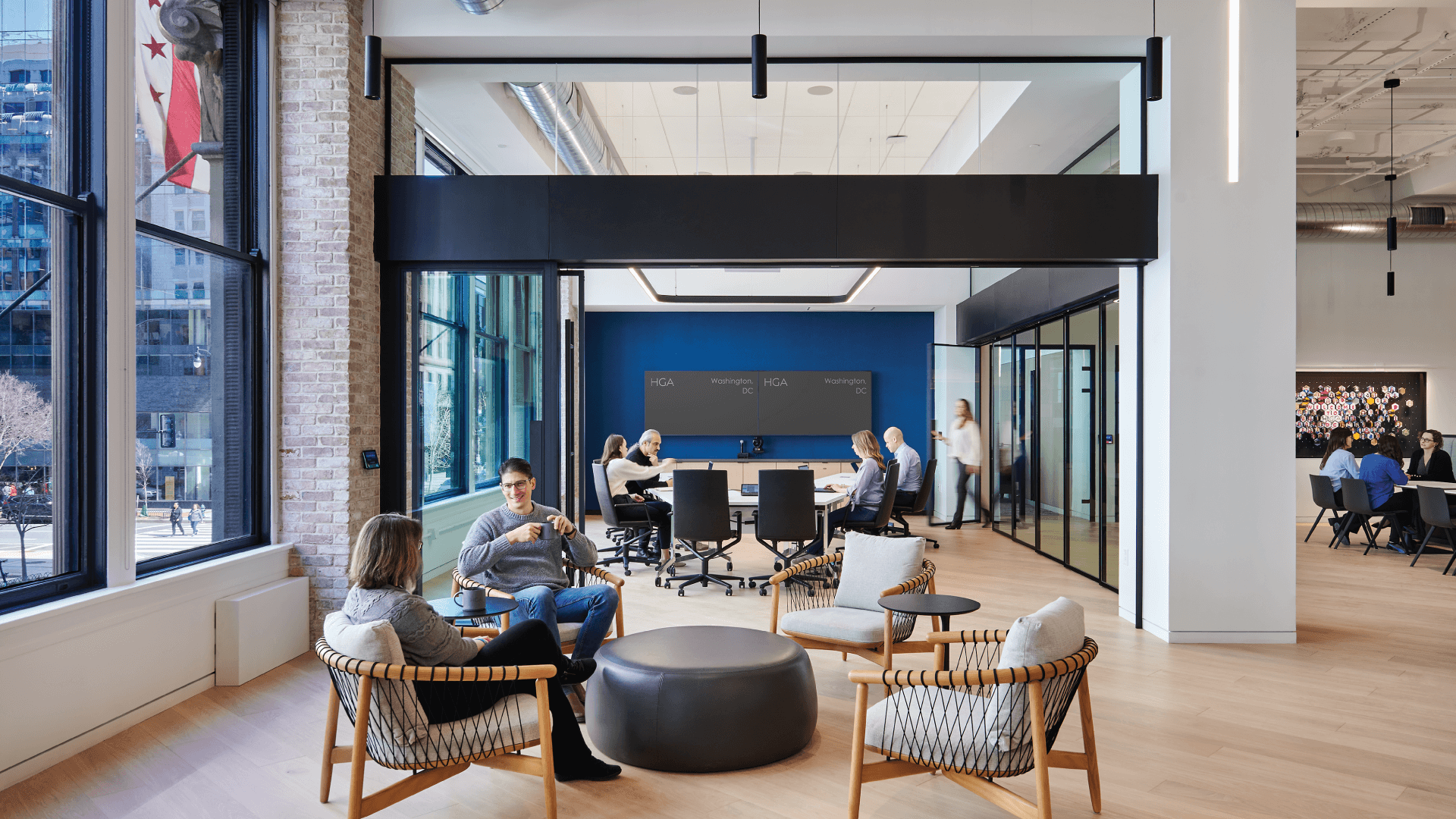
HGA | Washington D.C.
In Minneapolis, a former Ford Model T assembly plant has been transformed into a LEED– and WELL–certified office space. Industrial windows and an open central stair infuse energy and daylight throughout, while teaming stations, booths, and VR environments support a hybrid-first strategy. Across both locations, the goal is the same: to create a collaborative experience that adapts to how teams actually work—and work together.
Skill Development | Case Study: SAP Academy
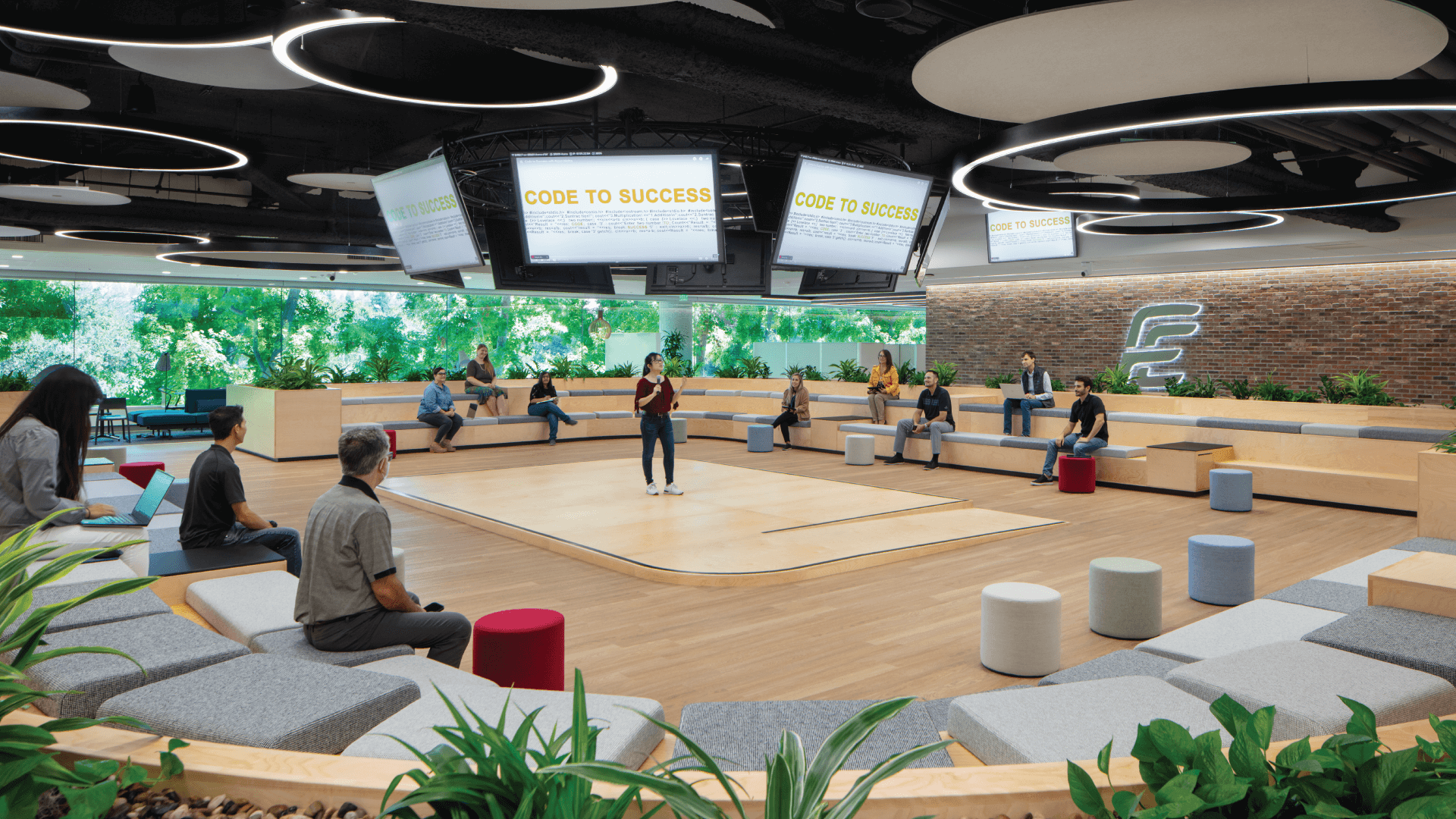
SAP’s Engineering Academy in Silicon Valley serves as a global hub for immersive training programs. Its design reflects the belief that space can amplify learning and spark innovation.
The 56,000 SF facility is inspired by the company’s tagline, ‘Be the Ripple’. This idea is represented in the spatial layout, symbolizing the ripple effect of learning and skill development: ‘The Arena’ anchors the plan as the starting point of the ripple—where the learning begins—and breakout zones radiate outward to include coding caves, creative capsules, and flexible learning pods. At SAP, development isn’t just a priority—it’s embedded in the architecture.
Designing for What Matters
Each of these examples shares a common thread: they utilize workspace as a strategic asset. By aligning physical environments with the five McKinsey leadership practices—connectivity, innovation, mentorship, collaboration, and skill development, these organizations are creating spaces where people don’t just show up—they thrive.
The real workplace revolution isn’t about remote versus hybrid. It’s about designing environments that support well-being and optimize performance—wherever work happens. ∎
Discover how HGA helps organizations elevate performance and well-being by designing high-impact workplaces grounded in data, strategy, and human experience.
About the Authors

Tamar Ribnick
As principal and Market Sector Leader for the Community + Live market at HGA, Tamar Ribnick brings more than 15 years of diverse expertise to each client engagement.

Rich Bonnin
Rich has 30 years interior design experience creating innovative, strategic spaces for corporate and knowledge clients. His diverse portfolio spans law firms, creative agencies, consulting firms, technology companies, and government organizations.