
In the decades immediately following World War II, U.S. cities faced significant challenges due to population shifts, socio-economic changes, the growth of the suburbs, and deteriorating infrastructure. The 1960s and ‘70s brought both urban flight, where residents moved away from city centers, and urban renewal efforts, aimed at revitalizing these areas.
As residents fled, cities faced multiple difficulties, including declining tax bases, crumbling infrastructure, and myriad social challenges. Half a century ago, the answer to such problems was “urban redevelopment,” a government-backed effort that involved massive demolition, “slum” clearance, and rehabilitation. Local and state legislation empowered cities to seize property for public purposes, including redevelopment. The federal government also played a role in this transformation, providing financial resources for renewal projects.
While these efforts did stimulate development and invigorated some neighborhoods, in other cases ill-conceived and poorly executed plans displaced many poor residents, favored vehicle-centric design, and resulted in the demolition of thousands of historic structures. The movement’s negative effects still ripple through our communities.
Lessons for Our Urban Communities Today
Today, as we grapple with similar challenges, we can draw valuable lessons from the past to inform our approach to urban renewal and revitalization, among them:
 Holistic Approaches
Urban renewal today should adopt holistic approaches that consider social, economic, and environmental factors. Rather than focusing solely on physical infrastructure, we must weave together community needs, affordable housing, and green spaces through authentic, meaningful engagement. Some of HGA’s most successful community engagements show just how deeply holistic approaches can resonate.
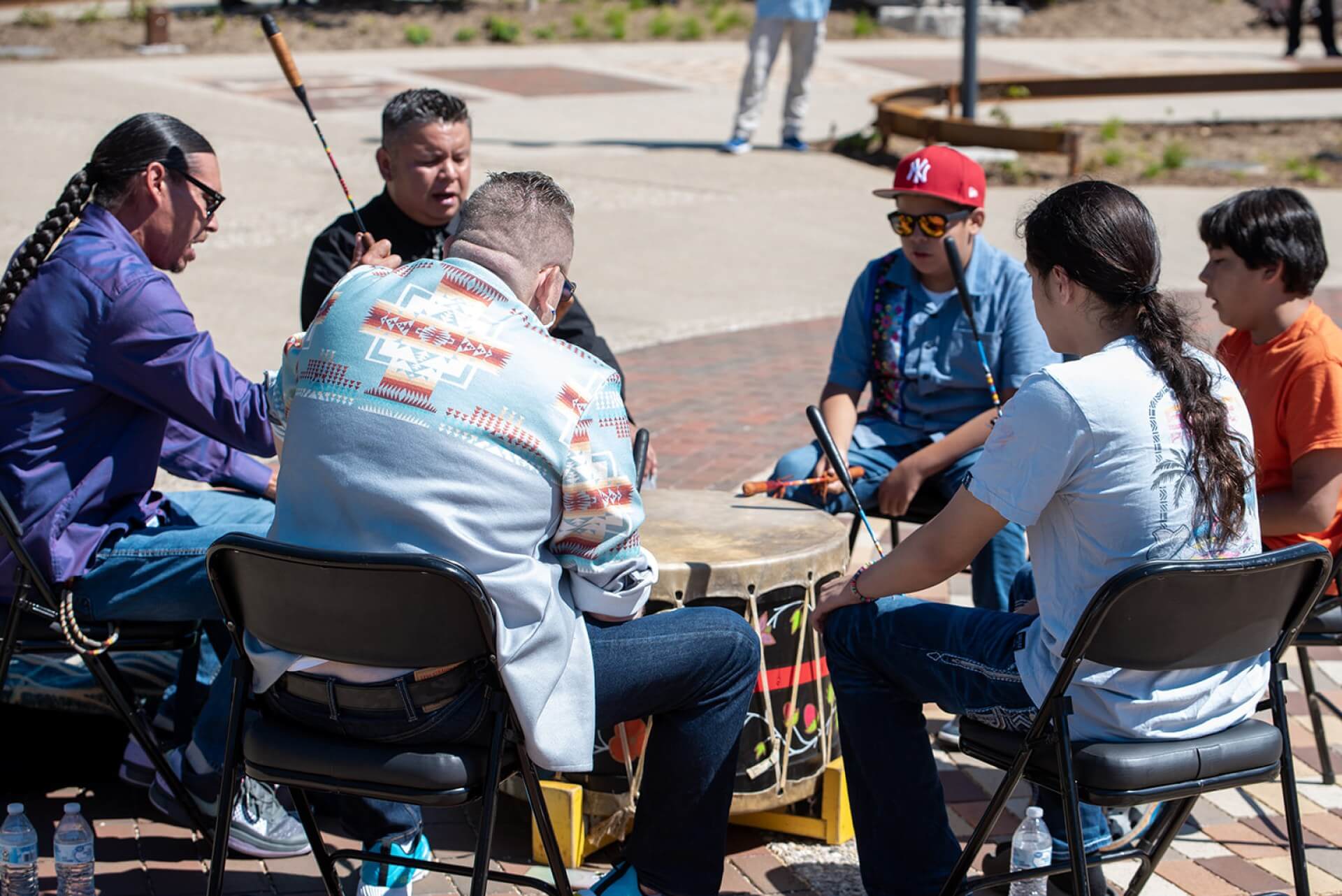
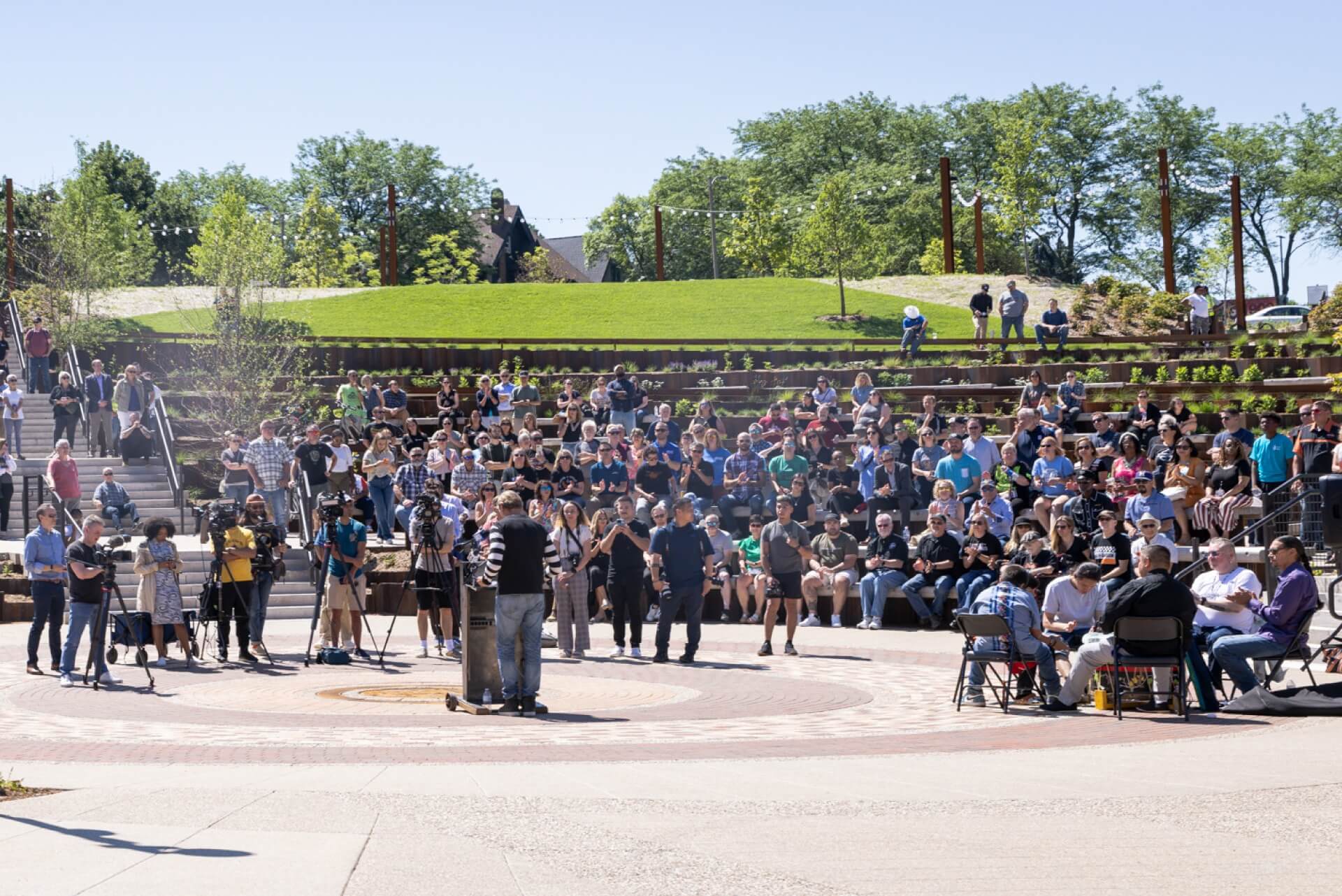
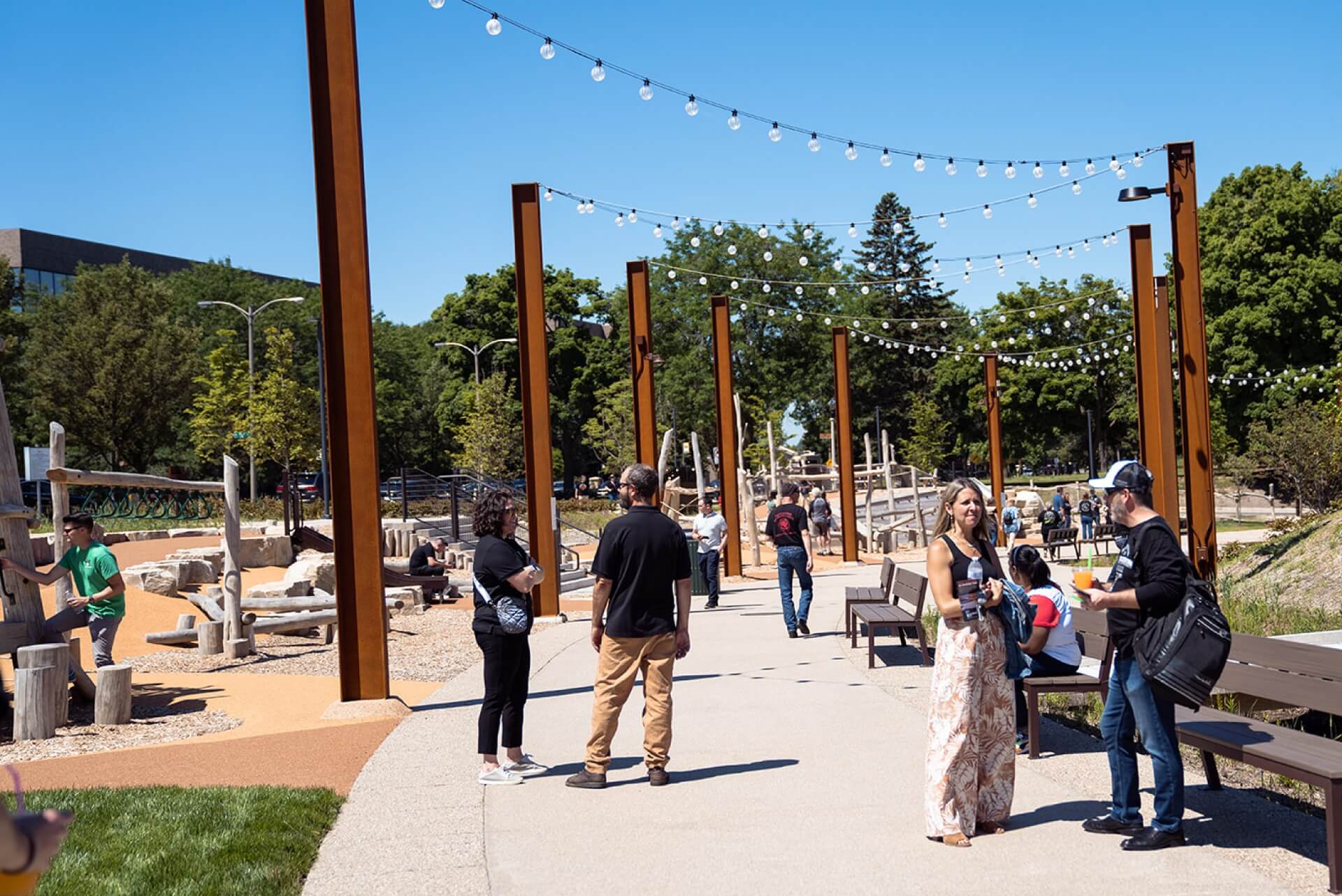
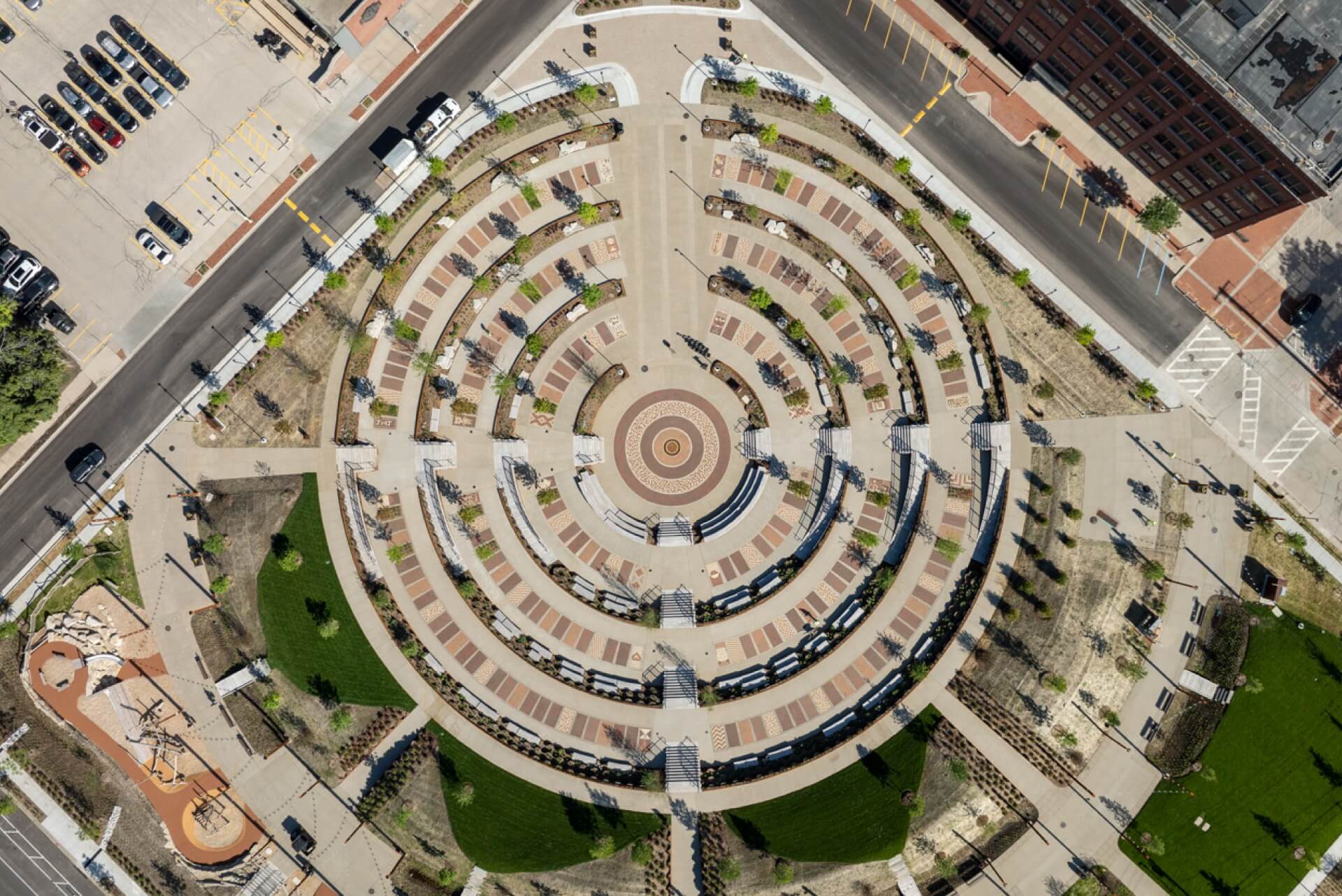
HGA recently collaborated with motorcycle maker Harley-Davidson and the international architecture firm Heatherwick Studio to transform an underutilized parking lot into a community park in Milwaukee. Inputs from neighborhood residents and the Forest County Potawatomi Community, a local tribe, drove conversations about activities and features within the park, which opened in June. Participant engagement resulted in a park design that will be immediately embraced.
(Courtesy of Harley-Davidson)
(Courtesy of Harley-Davidson)
(Courtesy of Harley-Davidson)
(Courtesy of Harley-Davidson)
We also worked with members of the Sherman Park neighborhood in Milwaukee to develop Sherman Phoenix, a community space in an historic bank building. The facility features a community kitchen, which can serve as incubator for small food-based businesses, as well as community spaces for public meetings and private gatherings. By thinking holistically about how additions can be designed to meet the unique needs of each community, HGA arrived at solutions that serve a broader range of constituencies.
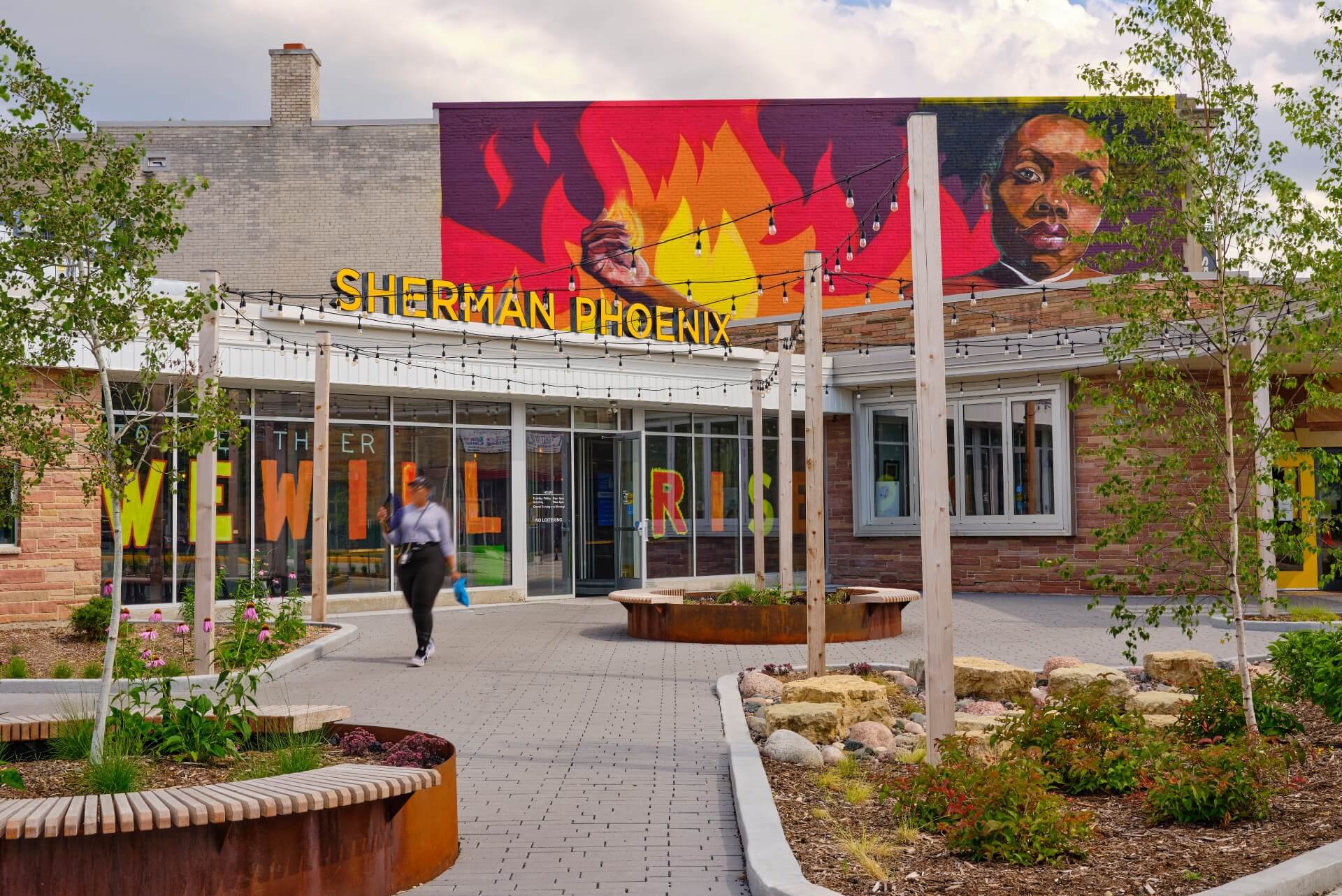

A former bank building was transformed into a community space and business incubator.
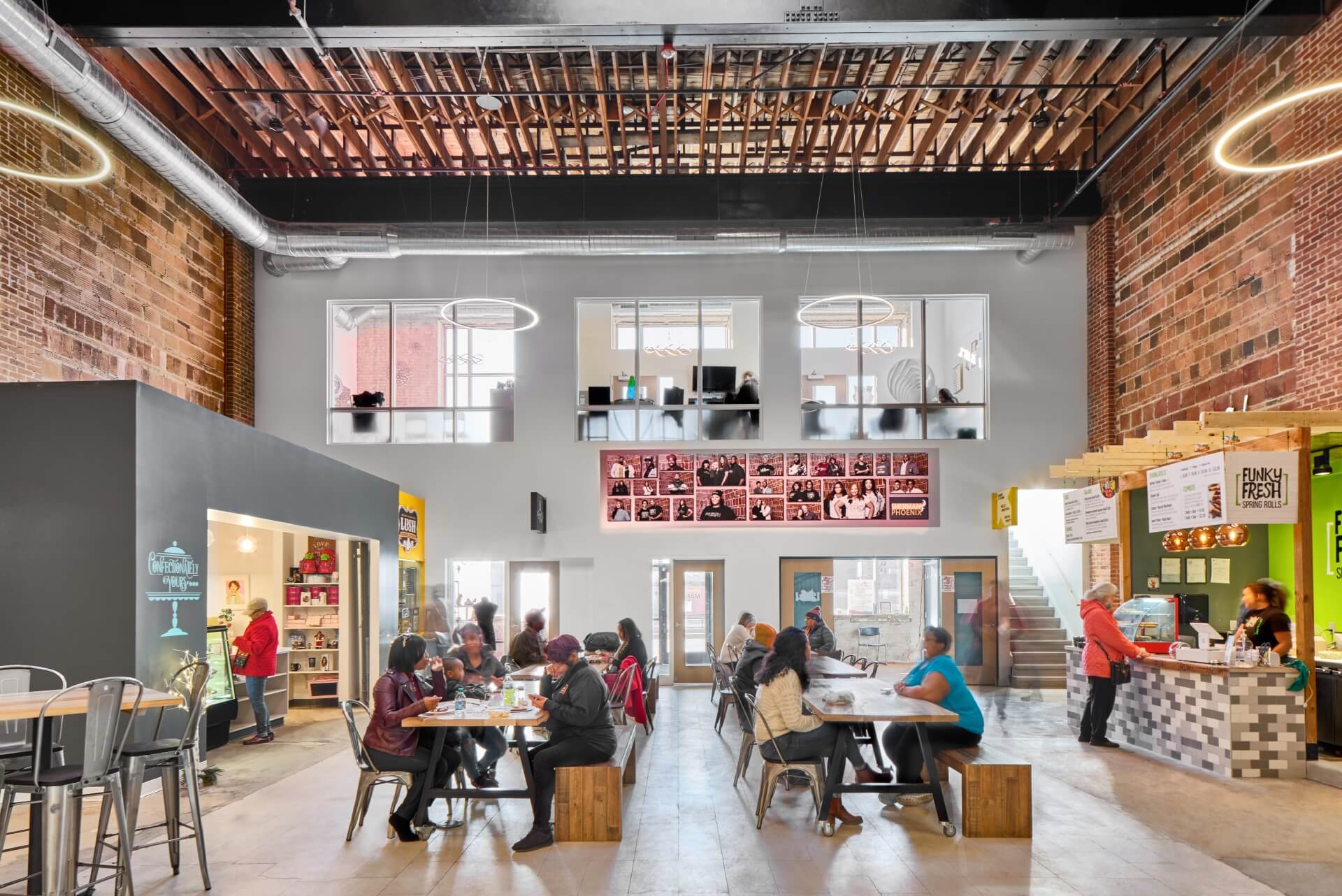
A variety of activities can take place simultaneously inside Sherman Phoenix.
 Public-Private Partnerships
Collaboration between public and private sectors is crucial—this structure brings together the strengths of both sectors and provides opportunities to share risk, resources, and expertise. It can also spark innovation and enhance overall efficiency.
By leveraging private investment, cities can fund infrastructure improvements, affordable housing, and mixed-use developments. Tax incentives can also encourage private developers to participate. Careful planning, transparent agreements, and effective monitoring are essential to maximize their positive impact.
 Zoning and Mixed-Use Development
Zoning regulations should promote mixed-use developments. Switching from single-use zoning to mixed-use development promotes walkable neighborhoods with residential, commercial, and recreational spaces to enhance quality of life. Zoning changes can encourage adaptive reuse of historic structures.
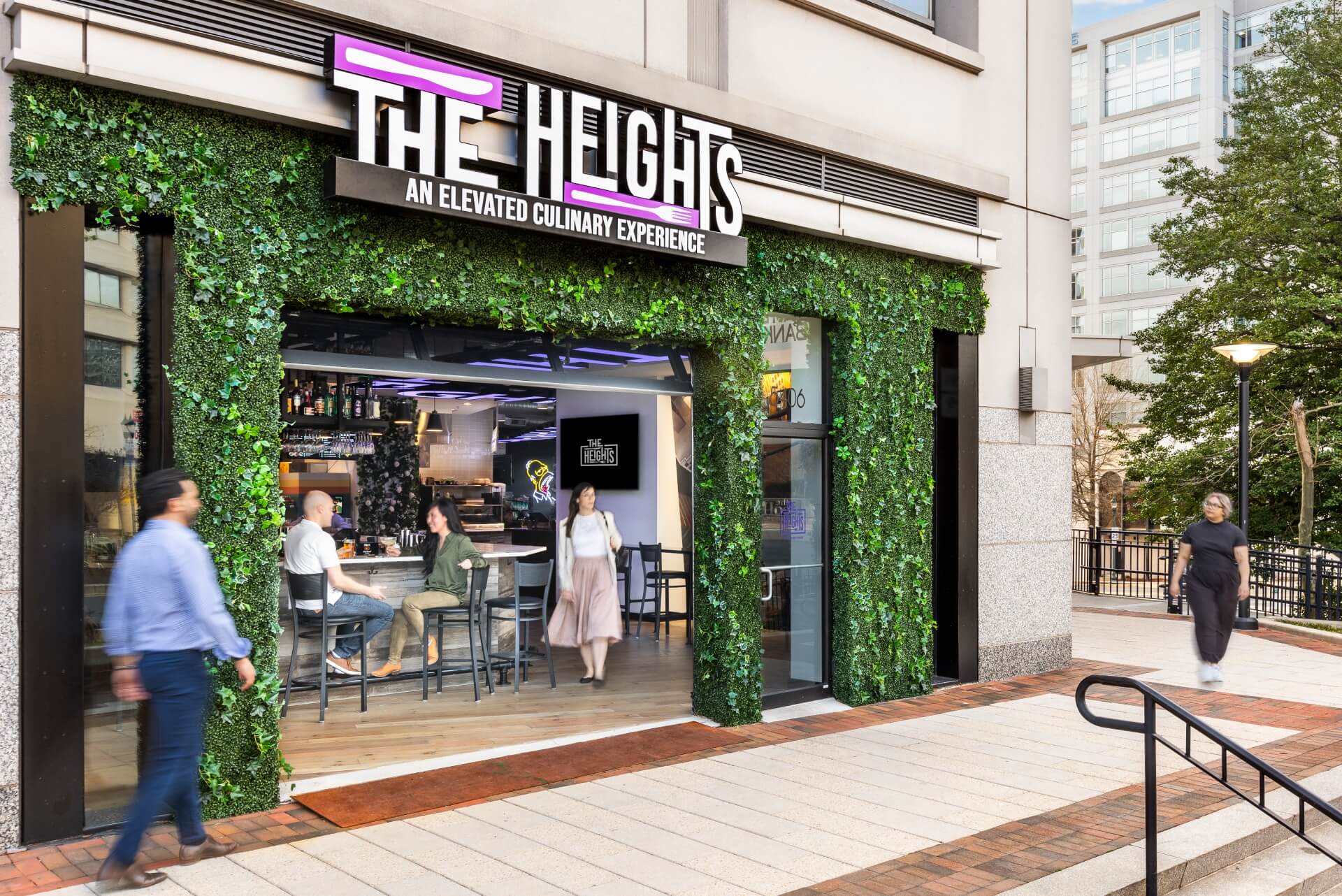
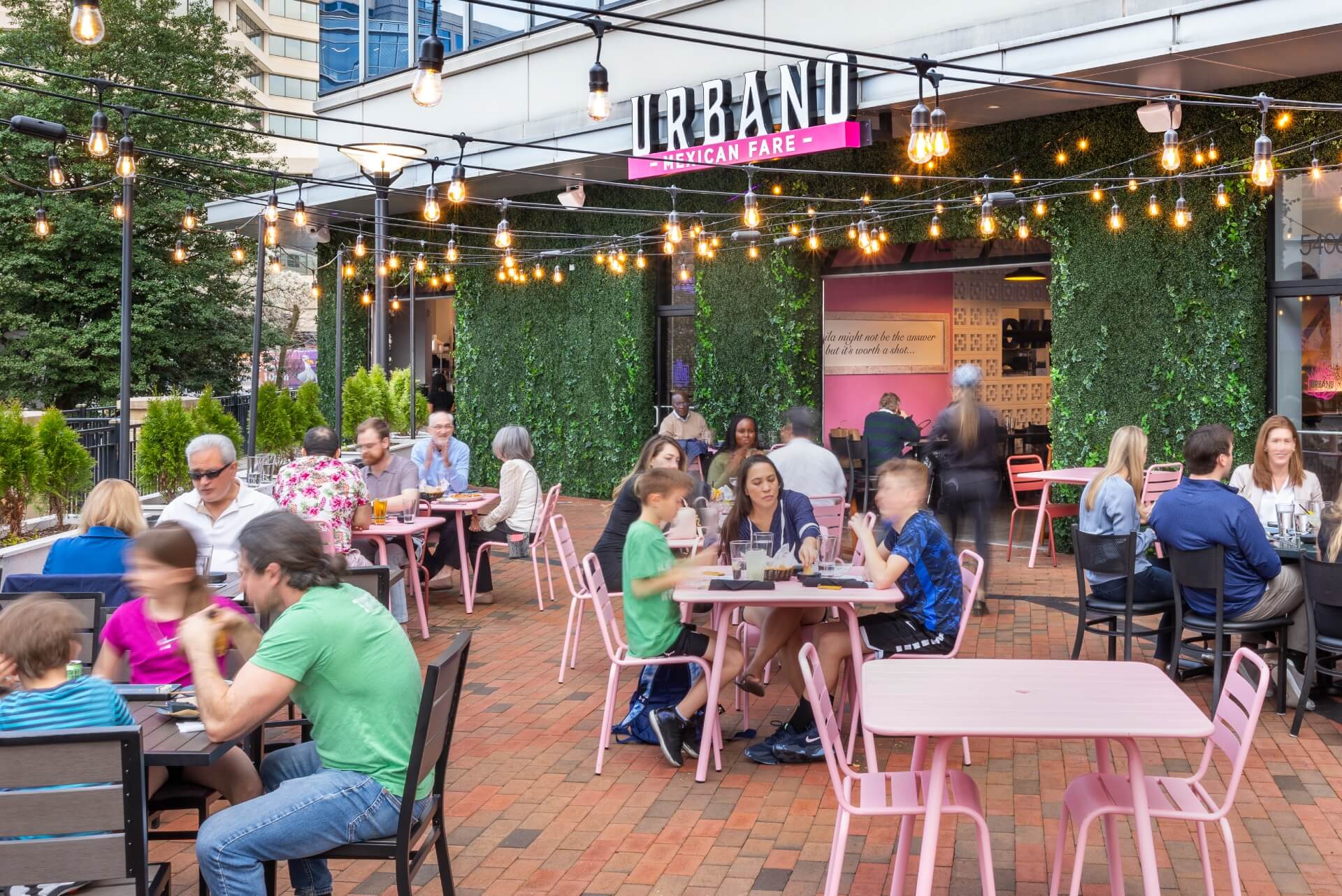
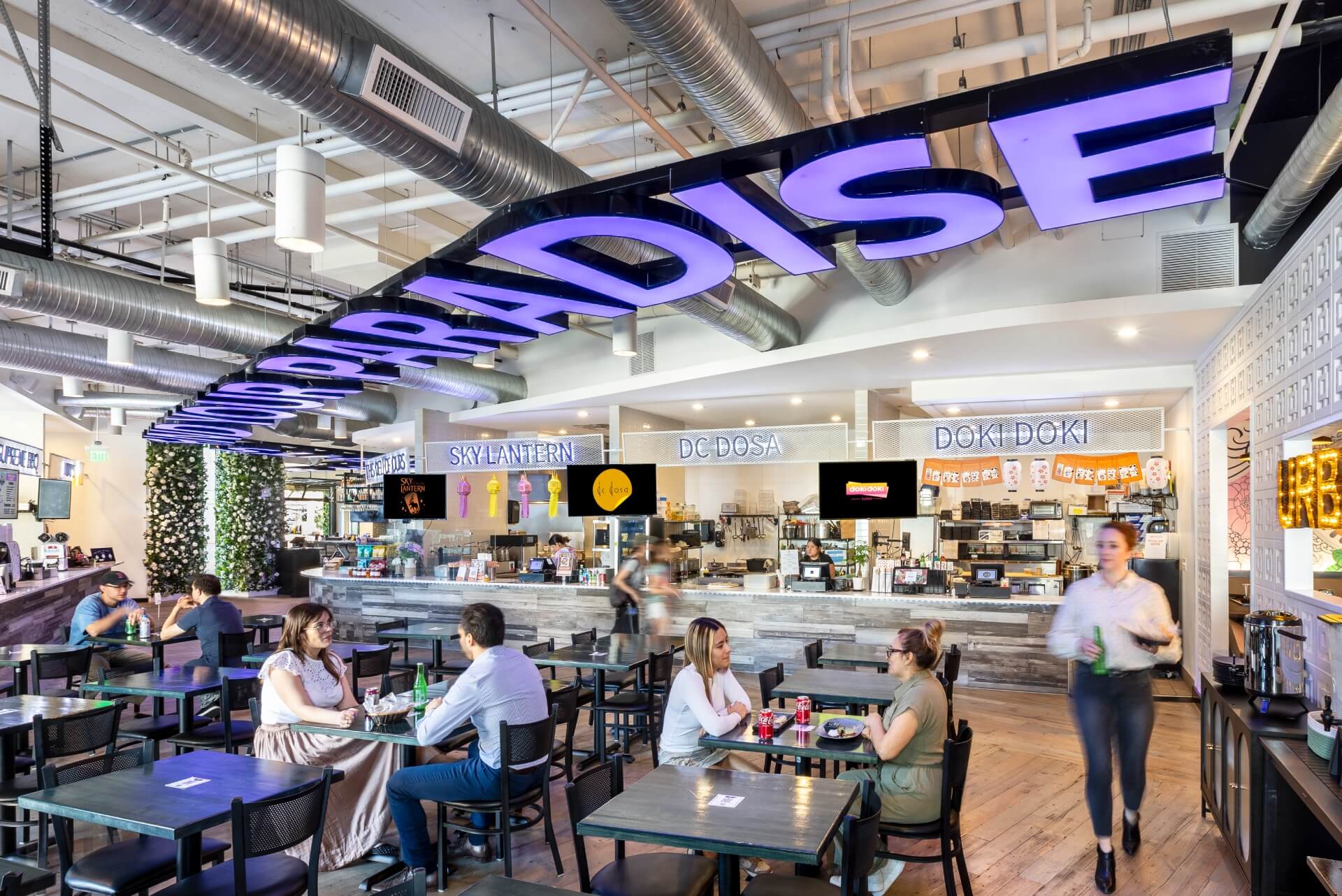
In Montgomery County, Maryland, zoning changes jumpstarted significant growth in a neighborhood that was reeling after a recent mall closure. The new regulations allowed for the conversion of retail spaces into restaurants, and one of HGA’s clients took advantage of the changes to create a food hall called The Heights. Redevelopment plans were firmly founded on market analysis and community needs, rather than government planning concepts, and the new food hall has become a gathering space and a foundation for the development of retail and services on nearby blocks.
 Transportation Infrastructure
Investments in public transportation and active mobility (walking and cycling, for example) reduce dependence on privately owned cars and trucks. Downtowns can reduce congestion and boost multimodal transit by improving pedestrian routes and bike paths. Cities also benefit when they increase density and locate popular destinations (like stadiums and public markets) along mass transit routes.
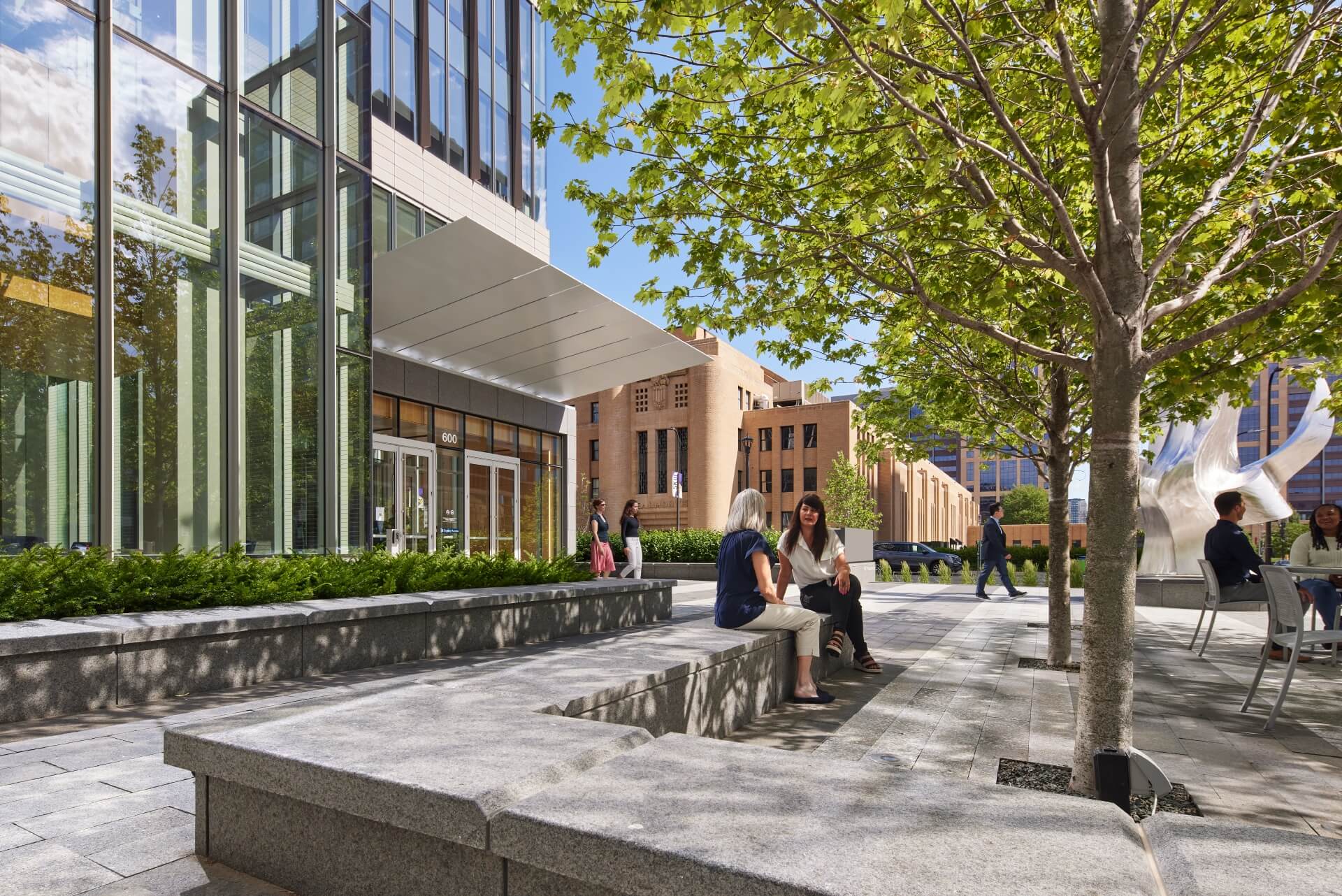
One of HGA’s clients, a financial-services company, was eager to maintain its proximity to regional light-rail lines when it recently changed locations in downtown Minneapolis. (As before, its offices remain one block away from the transit station.) The new company headquarters also contain a large bike service facility, including storage, showers, and a bike repair kiosk.
 Cultural and Recreational Investment
Cultural districts, museums, parks, and public art contribute to vibrant urban life. Investing in cultural amenities attracts residents, tourists, and businesses.
Davidson Park, for example, was designed to be a catalyst for regional development, spurring the development of new restaurants, retail, and housing in the neighborhood as Milwaukee residents come to explore the new space.
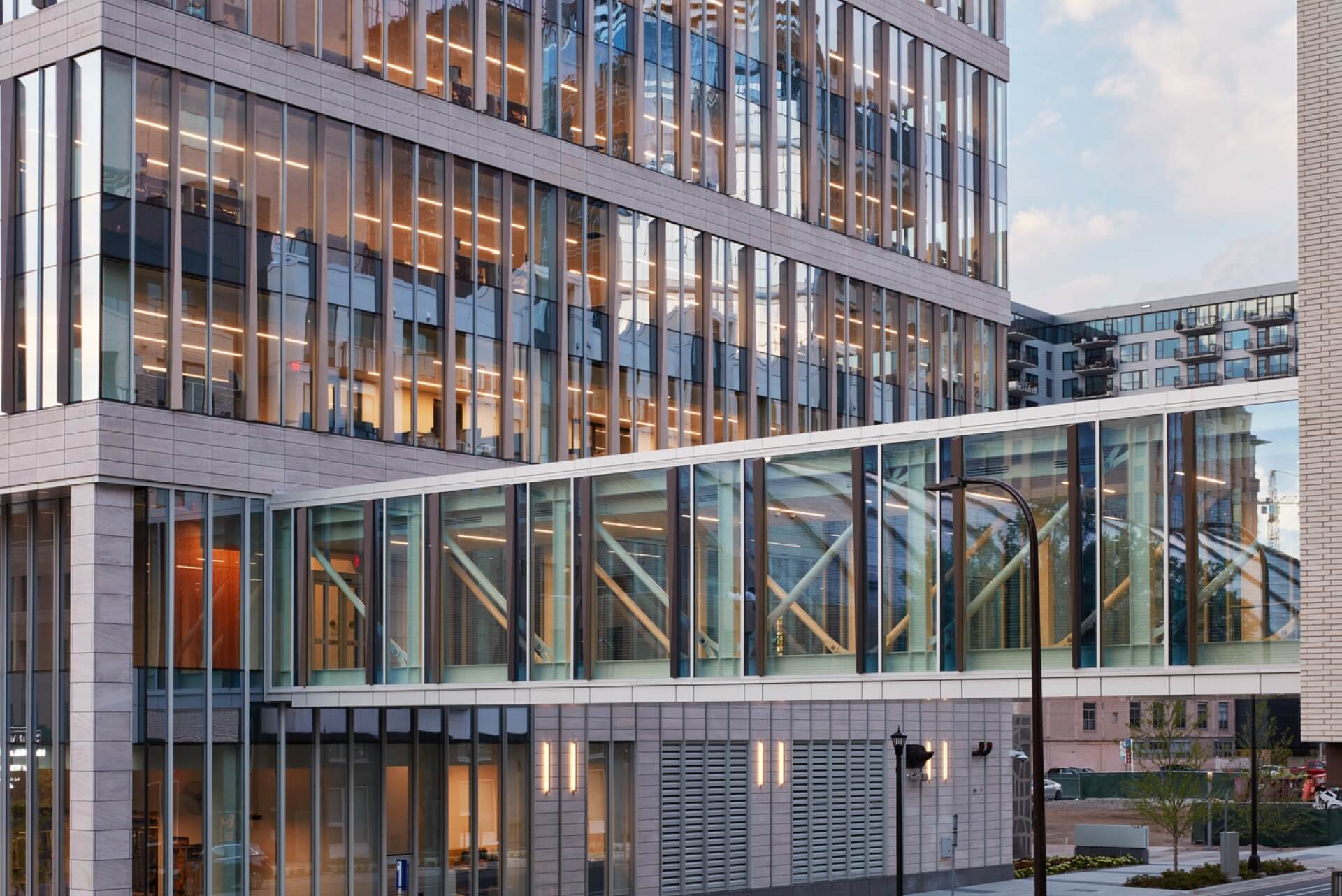
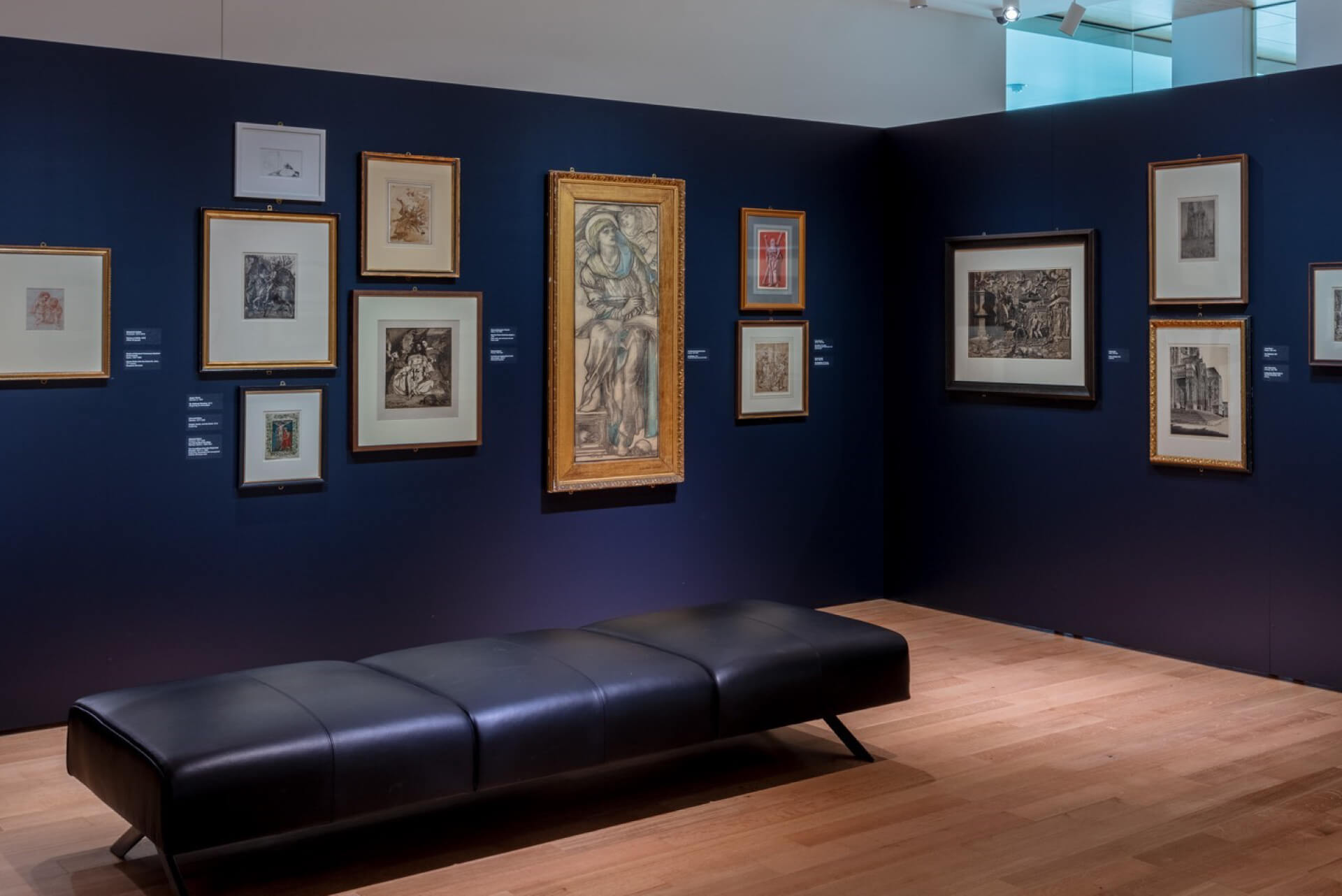
Our financial-services client was similarly community-minded in the development of its Minneapolis headquarters, incorporating into its plans a pocket park and a cafe that are open to the public. Pedestrians passing through the building via the second-story skyway can view the company’s notable art collection, on view in a gallery lined with glass walls that encourage passersby to stop and admire the works. Culture is woven into the urban fabric.
Creativity Harnessed for Change
These concepts, paired with the right expertise, can ignite transformation in our cities. By learning from past successes and challenges, we can weave together sustainable, inclusive, and resilient urban landscapes. As designers, we have a fundamental responsibility to shape spaces, engage communities, and harness our collective creativity to reflect our shared values and aspirations for enduring impact. ∎
About the Author
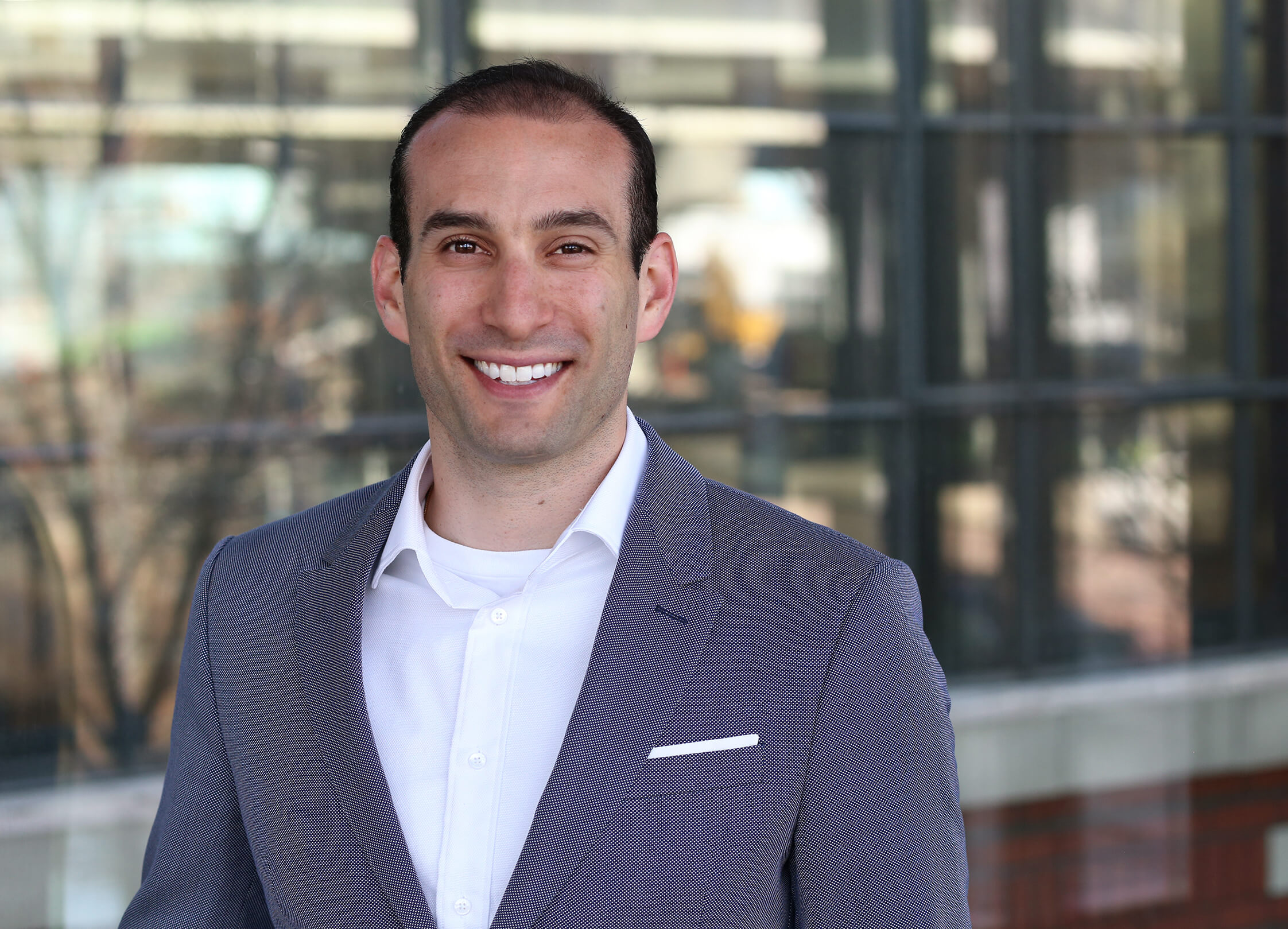
Sam Edelstein is dedicated to shaping the future of work through pairing innovative design with strategic insight. As a Principal at HGA, Sam brings over 15 years of diverse project experience, ranging from intimate workspaces to complex lab design, historic adaptive reuse and large corporate campuses.