
As planners, designers, and architects in HGA’s Science + Technology market sector, we collaborate with premier research institutions and leading life sciences organizations. In partnership with our clients, we design spaces that foster research and advance innovative solutions for some of humanity’s greatest challenges.
Just as these challenges are global in scope, researchers are collaborating across disciplines. Quantum science, nanotechnology, and computational sciences are at the forefront of advanced research spanning industries and disciplines. Translational research, often referred to as bench-to-bedside, accelerates the conversion of biomedical discoveries into clinical applications, benefiting patient care and public health. Our recent and ongoing projects are designed to foster collaboration, drive innovation, and support diverse research efforts.
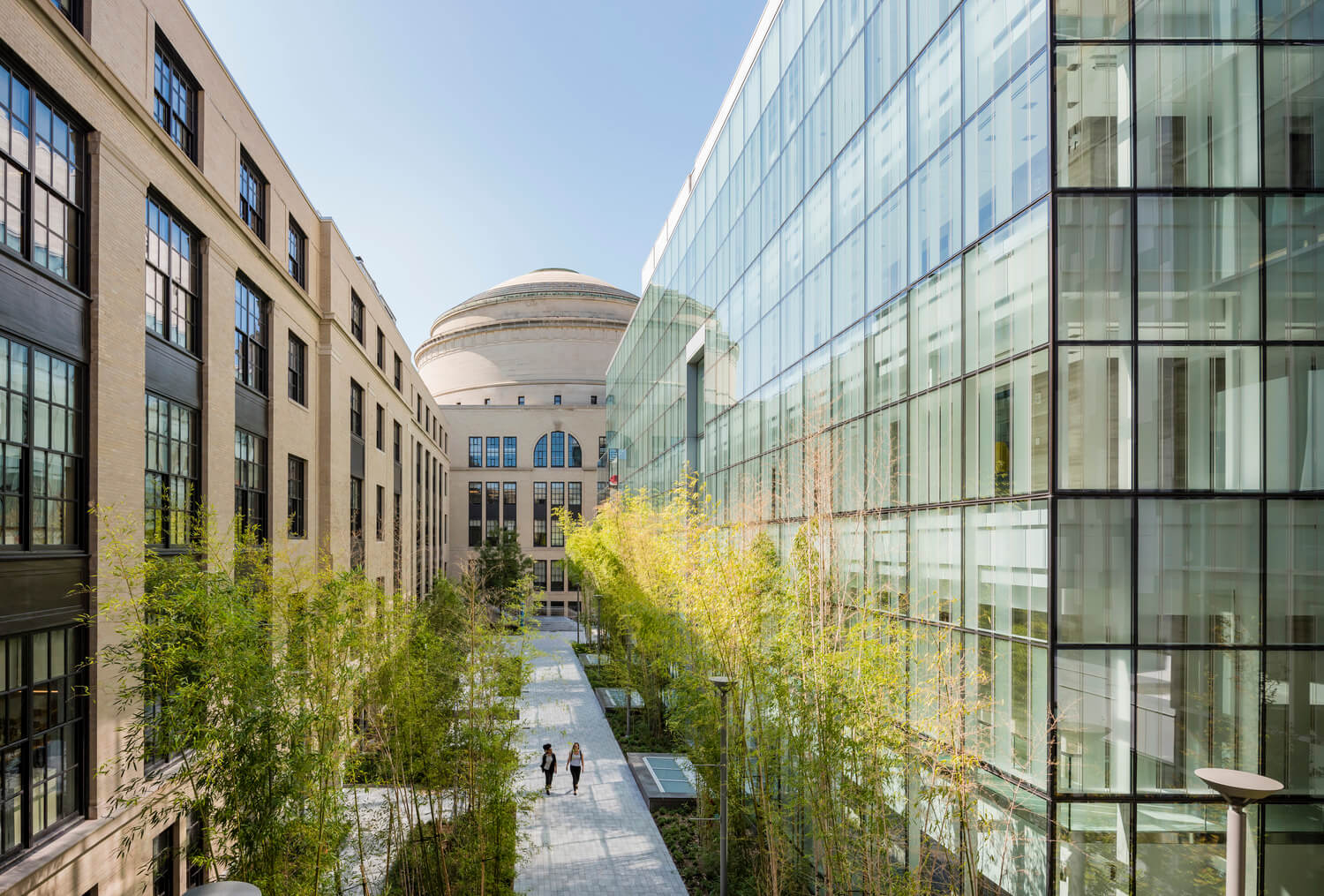

 The award-winning HGA-designed MIT.nano is a core research facility centrally located on the MIT campus in Cambridge, MA. At MIT.nano, faculty, researchers, and students from various disciplines explore transformative innovations in computing, energy, health & healthcare, sustainability, and toolmaking.
 Interdisciplinary Research
Despite significant scientific discoveries and advancements in recent decades, increased investment in research is essential to address the growing complexity and scale of global challenges. As architects that primarily engage with research clients, we design spaces intended to accelerate collaboration across research disciplines. Our design approach supports a holistic research environment aimed at addressing a range of challenges. By bringing together representatives from our interdisciplinary design team with diverse client user groups, we aim to facilitate an inclusive experience and deliver optimal design solutions where innovation can flourish.
We recently completed interdisciplinary research buildings at Dartmouth College and Lehigh University. These significant capital investments contribute to scientific discoveries and reinforce our clients’ positions as leading research institutions. As architects, working with our clients on these types of projects provides invaluable insights into the transformative power of the built environment. We frequently discuss how enhanced spaces and increased opportunities for collaboration can elevate their research and initiatives. Our designs are focused on helping institutions attract top-tier faculty and students, enhancing their academic and research capabilities.
The greatest inspiration comes from the users—the researchers and faculty—and the groundbreaking work they will undertake in the spaces we design. Witnessing researchers unite to delve into research at the smallest scale and make discoveries with profound global implications drives us to find creative solutions for laboratory design. This commitment to facilitating impactful research fuels our passion for creating spaces that not only meet but exceed the needs of our clients.
One of our current projects is a new five-story 186,000 GSF interdisciplinary research building at Case Western Reserve University. Designed to unite researchers from the School of Medicine, the School of Engineering, and the College of Arts and Sciences under one roof, the building will also feature offices, gathering spaces, and a café. Throughout the planning and design phases of this transformative facility, our team has facilitated workshops with representatives from diverse research groups, including robotics, life sciences, material sciences, and computer sciences.
The potential for the research that will take place in this building is immense, making our design process a continuous journey of discovery. The faculty we collaborate with are engaged in truly remarkable work—one researcher is developing artificial blood, another is creating bio-inspired robots, taking inspiration from animals. One research team is developing more advanced prosthetics, while yet another is pioneering sustainable steel production.
The interdisciplinary nature of the program introduces new challenges daily. For instance, we recently faced the task of designing a room to house insects. Additionally, we are creating spaces that foster future collaborations yet to be imagined, necessitating a design that can evolve and adapt alongside the research.
We have developed effective tools to communicate strategies for adaptability with our clients. These strategies ensure the building can seamlessly adjust to support emerging research initiatives, allowing the space to evolve and change in tandem with the groundbreaking work conducted within its walls.
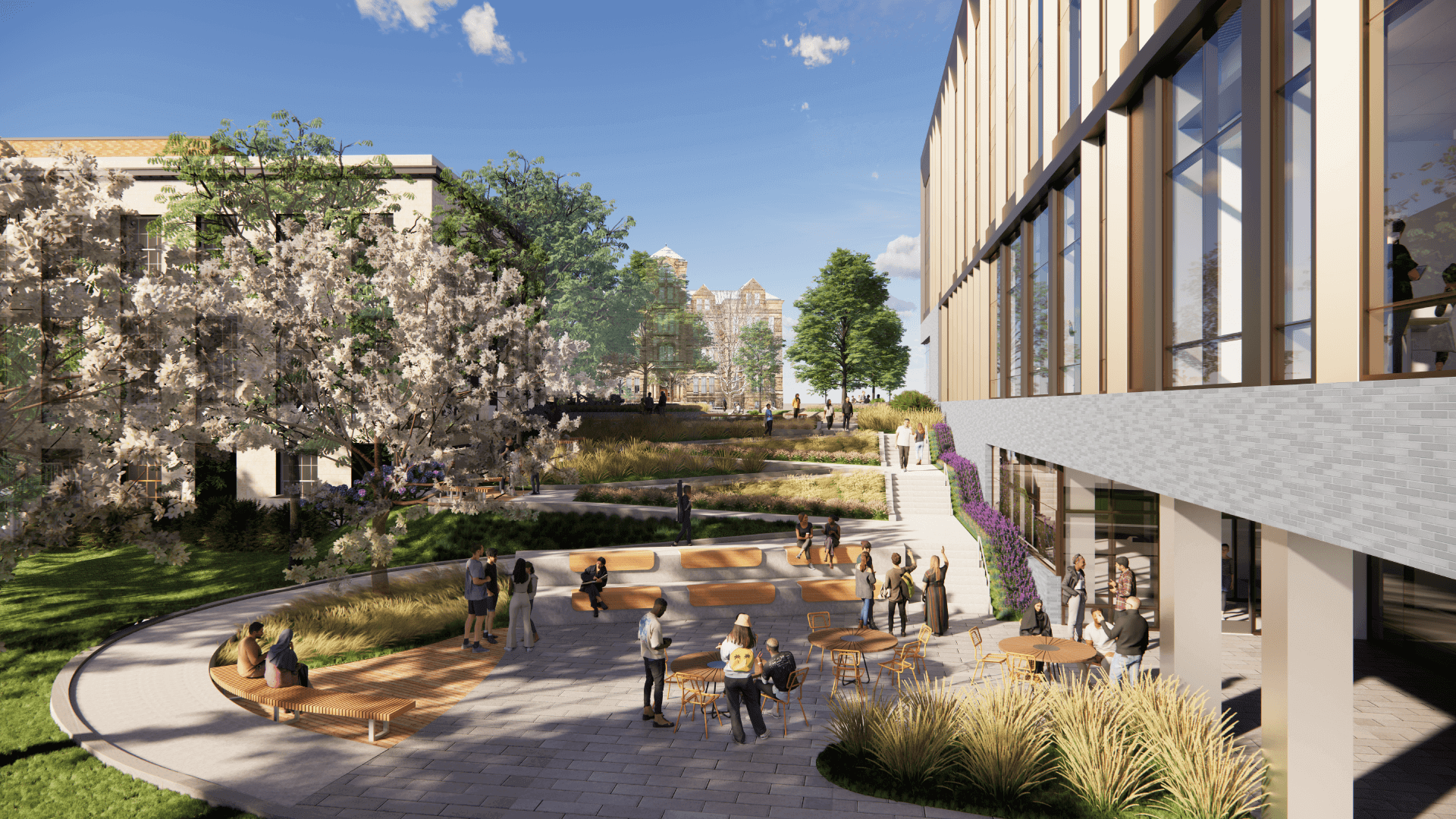
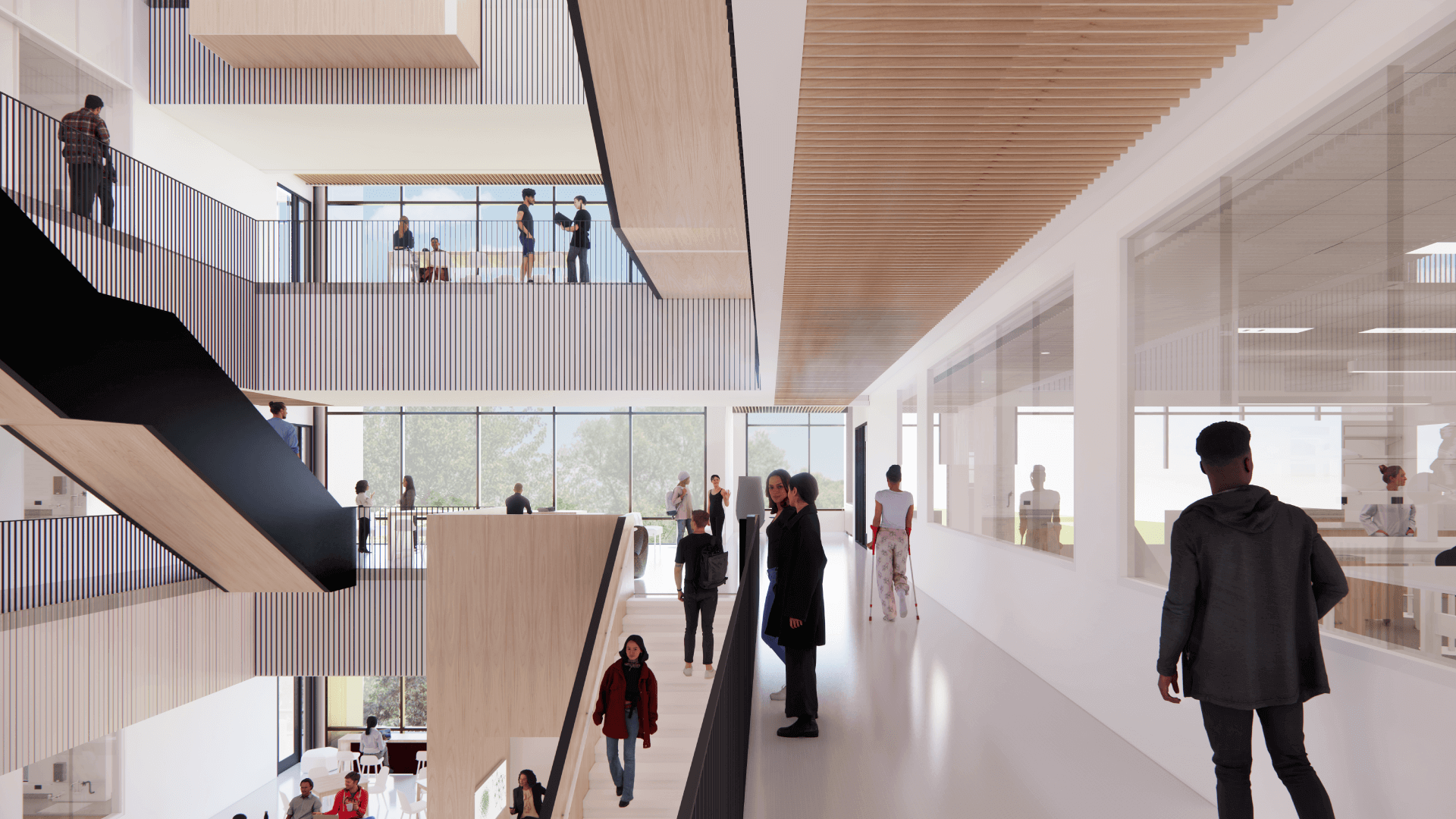
The Interdisciplinary Science and Engineering Building (ISEB) at Case Western Reserve University will bring together researchers across a range of disciplines and include wet– and dry–laboratory environments, along with shared core lab and technology platforms.
Research that Benefits and Enhances Human Health
Noncommunicable diseases such as cancer, heart disease, and diabetes—alongside the challenges posed by global pandemics and the resurgence of communicable diseases like influenza and monkeypox—are increasingly urgent worldwide health concerns. Investments in research aimed at improving quality of life and mitigating illness and disability are steadfast priorities for established research institutions and life sciences organizations globally. Remarkable progress in biomedical research, especially in the diagnosis and study of infectious diseases and advancements in human genome technology, is driving the development of innovative therapies and vaccines.
Translational research, which first emerged in the 1990s, has been pivotal in accelerating the transfer of scientific discoveries into clinical practice. The philosophy of bench to bedside is at the core of this concept, bridging diverse areas of research and connecting their findings to each other and, ultimately, to the community at large. This approach ensures that innovations in the laboratory are effectively translated into new treatments and therapies, enhancing patient care, and improving public health outcomes.
The ability to create vital and equitable collaborative spaces is essential for driving innovation in scientific research and education. Understanding the key design considerations most important to researchers is crucial in this endeavor. By partnering with researchers to explore design concepts that advance translational research, we emphasize key values such as collaboration, community, connectivity, flexibility, efficiency, and productivity. This approach fosters empathy and builds consensus throughout the process.
A design collaboration between Snøhetta and HGA, the Barbara and Gerson Bakar Research and Academic Building (BRAB) is currently under construction at the University of California, San Francisco. Centrally located at Parnassus Heights campus, the 323,000 GSF, nine-story building will house research programs for cancer, microbiology, diabetes, immunology, and cell biology. Designed as a vital collaborative space for translational research, BRAB will bring some of the most innovative researchers together to collaborate on groundbreaking discoveries that will benefit human health.
Harnessing the expertise of our team of talented architectural planners and designers, we are working closely with UCSF researchers to develop a sophisticated facility with efficient research and support spaces. This initiative aims to sustain and catalyze UCSF’s global leadership position in the health sciences field.
Getting to know UCSF stakeholders, institutional goals, and culture has been an enriching journey. Employing Lean Processes and Design Thinking in planning, strategizing, and design has significantly boosted stakeholder confidence. In-person workshops promote interactive dialogue and exploration, enabling meaningful engagement with researchers to delve deeper into various options.
This approach is complemented by the Progressive Design-Build delivery method, implemented within a co-located “Big Room” space. Working together as an integrated team allows us to balance infrastructure investment, ensuring the delivery of a flexible and adaptive environment that supports groundbreaking research while maintaining fiscal responsibility.

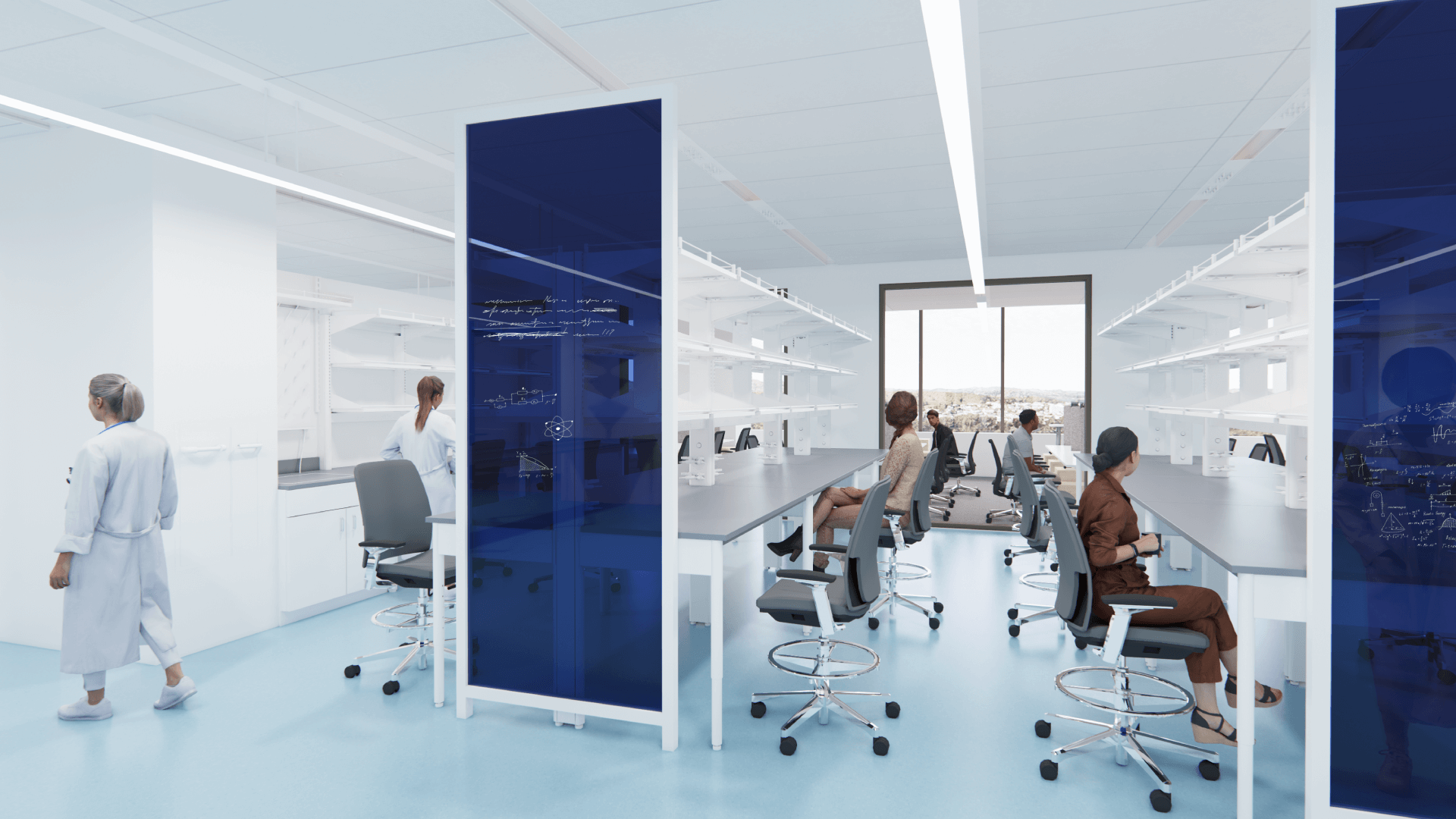
Bakar Research and Academic Building (BRAB) at the University of California, San Francisco, will house programs in cancer, microbiology, diabetes, immunology, and cell biology, addressing major health challenges.
Creating Spaces for Tomorrow’s Scientific Research Breakthroughs
As we grapple with the increasing complexity and scale of global challenges, researchers are racing to implement innovative methods to enhance the human condition. While these challenges transcend national borders, science offers crucial insights into the interconnectedness of our world.
We are inspired by our clients and the transformative impact of their work on humanity today and for generations to come. It is a privilege to collaborate with the brightest minds of our time, contributing in a small way by designing facilities and spaces that foster research and innovative breakthroughs. The dedication and achievements of our clients motivate our teams to continuously strive for superior and unique design solutions. Together, we aim to create environments where innovation and groundbreaking research pave the way for a brighter future for all.
Explore HGA’s Science + Technology expertise.
About the Authors

Cristianne Peschard leads HGA’s Science + Technology practice group in Boston. She manages a team of skilled architectural planners and architects, overseeing some of the firm’s most complex science projects nationwide. Fueled by her interest in how spaces shape human behavior, Cristianne fosters close collaboration within her team and prioritizes clear communication of client needs on all projects.

Deepa Balgi heads the firm’s thriving Science + Technology practice group on the West Coast. Based in HGA’s San Francisco office, she leads a talented team committed to designing cutting-edge facilities that effectively support our clients’ objectives. Dedicated to delivering innovative facilities that align with clients’ missions and goals, Deepa directs architectural planning and design for sophisticated research projects throughout the United States.