
In this Work Design article, Terri Zborowsky and Julie Mendoza-Lollar share how designing for neurodiversity starts with understanding people’s individual perception of comfort.

For decades, design professionals have endeavored to make workplaces universally accessible for everyone. Until recently, however, we have just focused on ensuring that people with physical disabilities have equitable access to all building areas and that the spaces they occupy provide them with a sense of safety, comfort, autonomy, and dignity.
Now, lessons learned from remote and hybrid work experiences, labor shortages and a growing understanding of how people who are neurodivergent can fuel innovation, improve efficiency and boost productivity have prompted us to expand our definition of “universal design” to address the needs of people with neurodivergent conditions, such as autism spectrum disorder (ASD), attention-deficit/hyperactivity disorder (ADHD), dyslexia, dysgraphia, dyspraxia and Tourette Syndrome.
To read the full article, visit Work Design Magazine.
About the Authors
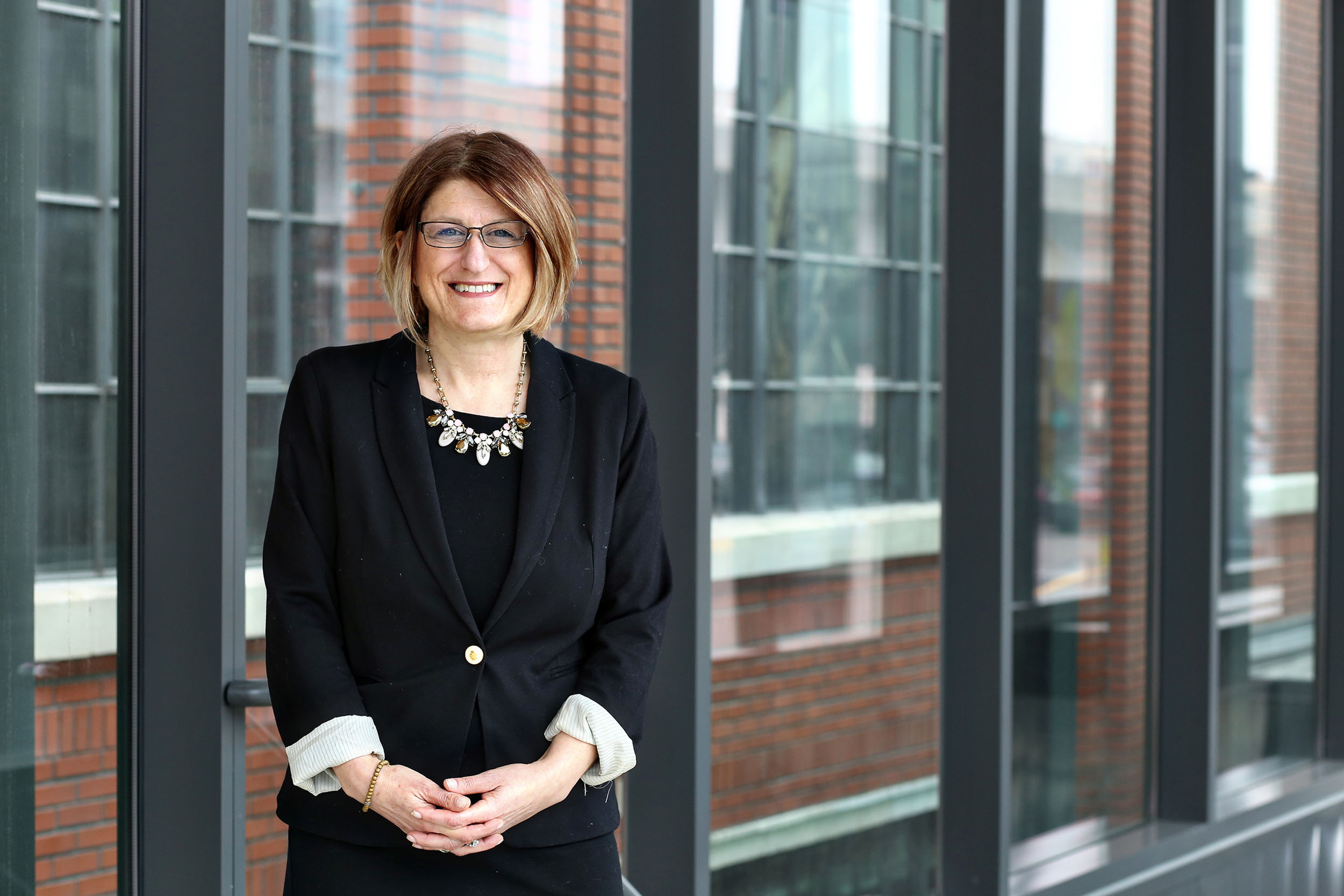
Terri Zborowsky
As an Evidence-based Design Researcher, Terri focuses on the intersection of user experience and human interaction within the built environment. Beginning her career as a registered nurse, she then obtained a PhD and master’s degree in interior design.