
The University of Minnesota’s Northrop auditorium is a campus landmark. Built nearly a century ago, the enormous structure, which overlooks the central mall on the U’s Twin Cities campus, has played host to countless graduations, concerts by such headliners as the Minnesota Orchestra and the Talking Heads, and thousands of presentations centered on dance, comedy, and film.


Time and traffic, however, took a toll on the building. In 2011, Northrop closed to undergo a three-year, $88 million dollar renovation. “The key question,” says former U president Robert Bruininks, “was how do you create new opportunities for programming?”
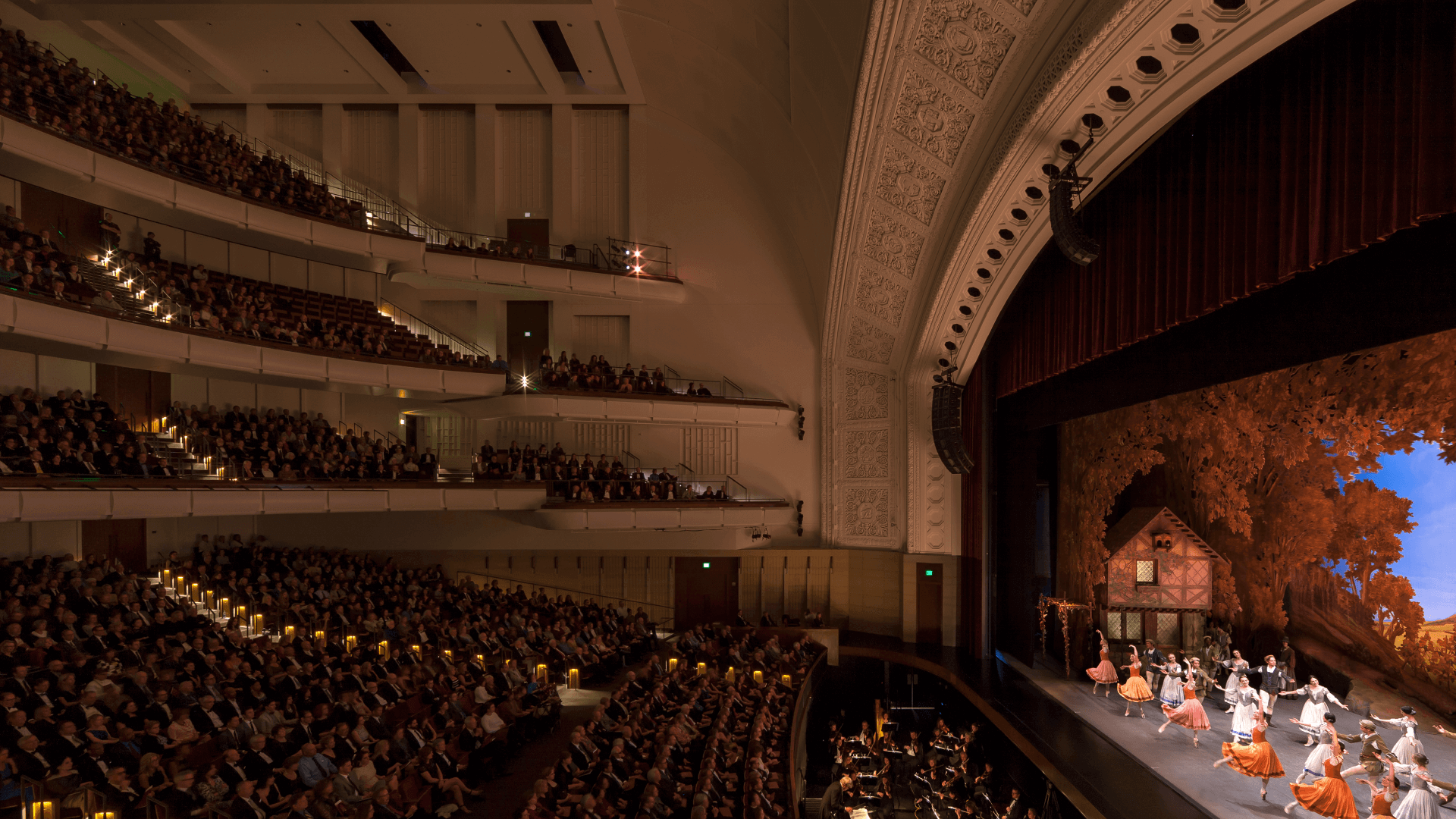
HGA was tasked with the redesign. Auditorium seating was reduced from nearly 5,000 seats to just under 2,700. In addition to improved sightlines, acoustics, and patron comfort, the renovation added such elements as a second 168-seat theater, a loading dock, a lobby/coffeeshop, and a daylight-filled dance studio to the facility.
The added spaces transformed Northrop, and dramatically increased the opportunities for new and diverse programming that attracted both on-campus organizations and community groups. Ten years later, the renovation continues to pay off, say Northrop staffers.
Why was the project a success?
Here’s what people who watched the project have to say:
 It Spotlights the Building’s History
The building was almost completely gutted during renovation, but the best historic features were retained.
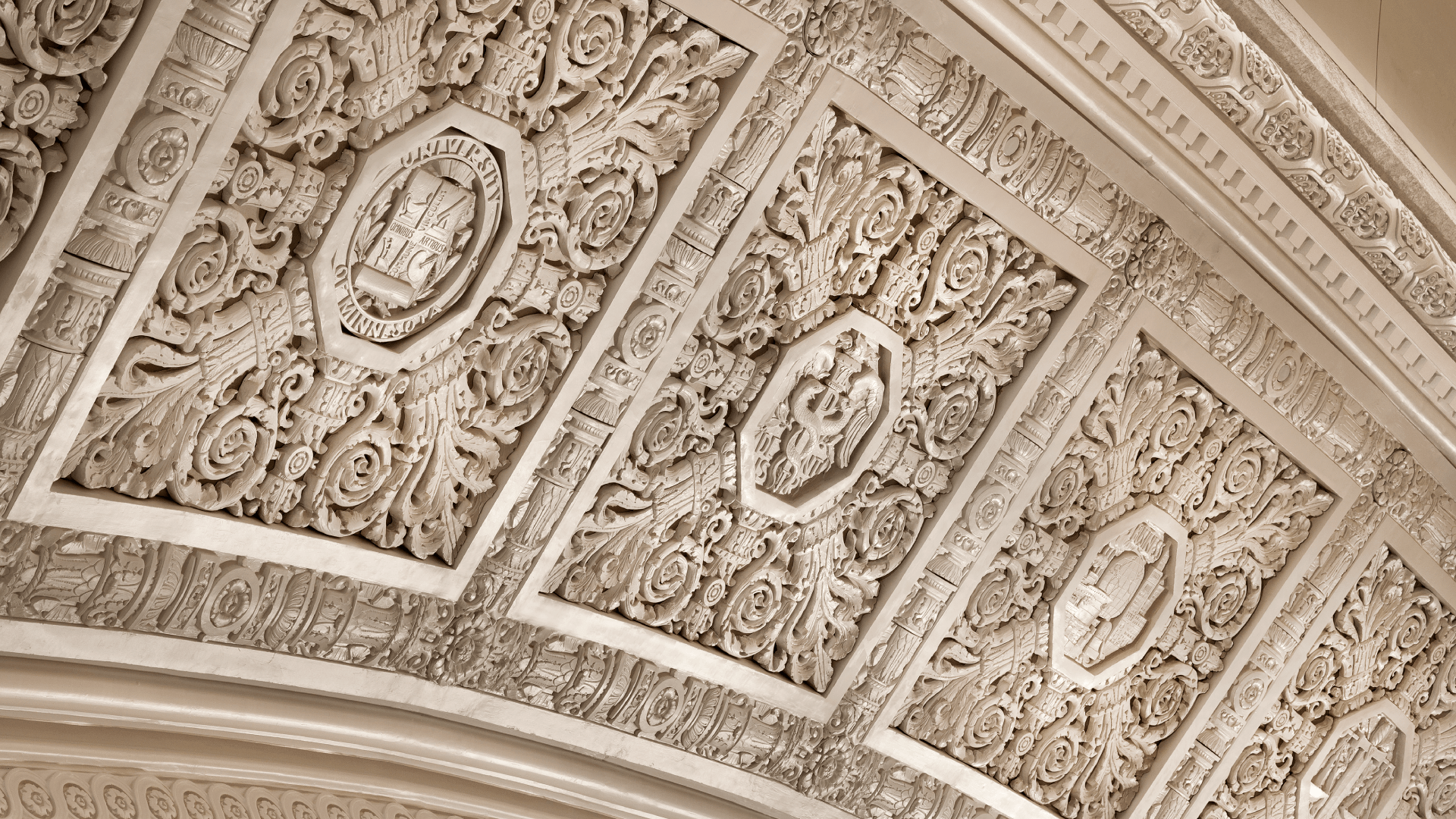
- Medallions in the proscenium were removed, restored, and hung in the new lobby, where they are much more visible.
- Giant urns that once stood alongside the stage remain in almost the same place, but now are outside the auditorium.
- The historic proscenium was removed and replaced with a perforated replica, allowing pipes for Northrop’s historic organ to be installed behind the façade. Since the renovation, Northrop has developed a music series focused on organ performances.


It Has Room for More Varied Activities
Shrinking the main auditorium allowed for the insertion of new spaces within the building’s giant shell, greatly expanding the range of activities that could take place—often at the same time—within the structure. Additions included:
- A small, high-tech, acoustically insulated recital hall that can be used for music performances, film showings, classroom instruction, and more.
- A central lobby where receptions for patrons, donors, and community groups can be held.
- A coffeeshop and study spaces for students, who previously almost never passed through the building except at graduation.
- Offices for the Institute for Advanced Study and the University Honors Program, as well as the Northrop staff.

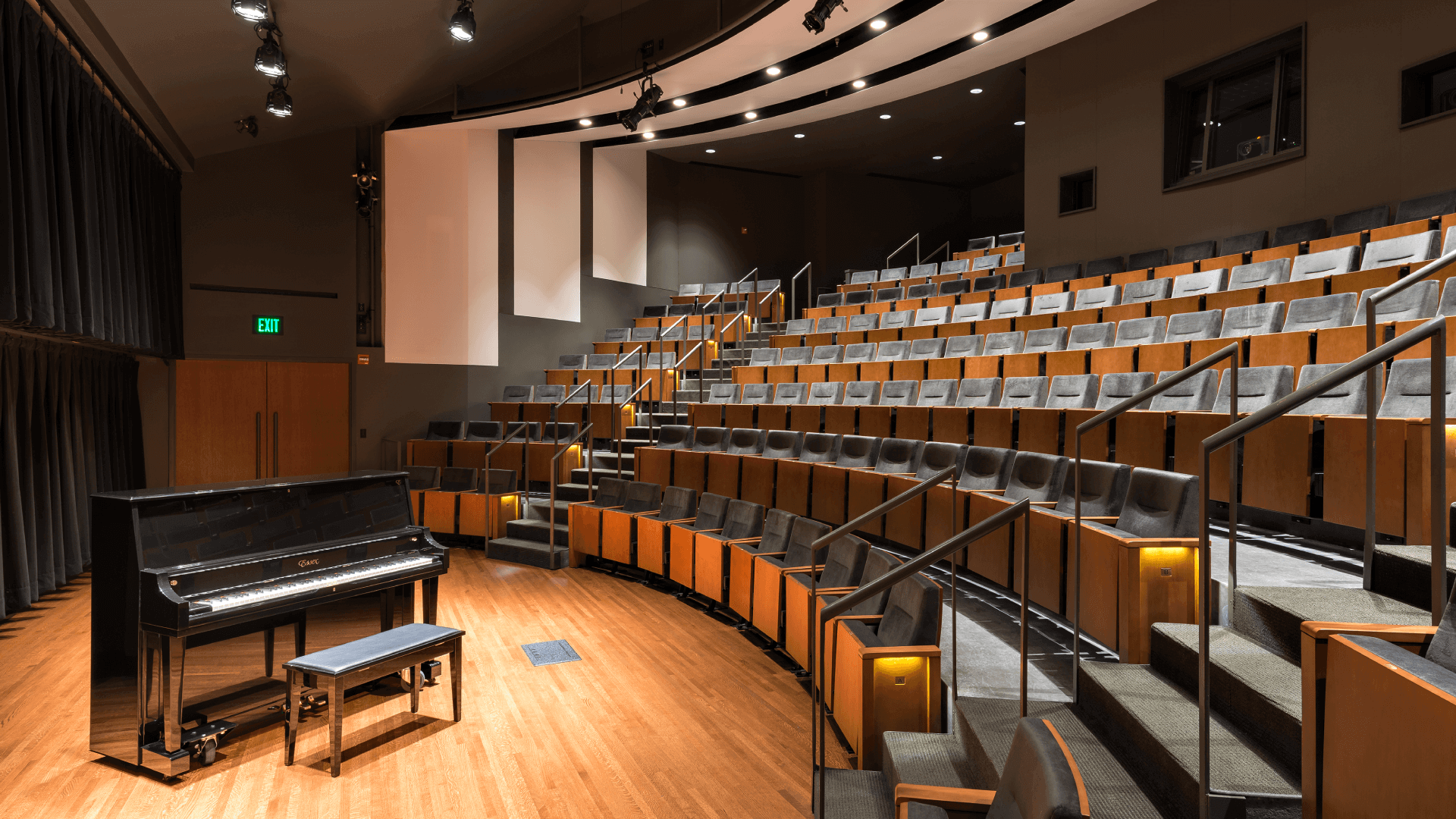
The acoustically enhanced Best Buy Theater is designed for lectures, films, and recitals. Credit: Morgan Sheff

The multi-level lobby in the renovated facility can be used for patron receptions and other activities. Credit: Paul Crosby

To help stakeholders envision what the new Northrop lobby space would look like, HGA’s design team created a detailed model.
It Now Functions Like a 21st Century Structure
Modernization, including the addition of several behind-the-scenes operational features, put Northrop on the same footing as other performing-arts facilities. Decades ago, according to one longtime staffer, the Rockettes canceled an engagement at Northrop because it lacked an easy way to bring in animals for their holiday show. Now it has a loading dock as well as a backstage space, and an expanded orchestra pit, which allows Northrop to attract a wider range of touring productions.

Hip-hop legend André 3000 will bring his New Blue Sun Live tour to Northrop this fall. Credit: Live Nation
The Best Buy Theater hosts discussions around timely topics as part of the Spotlight Series.
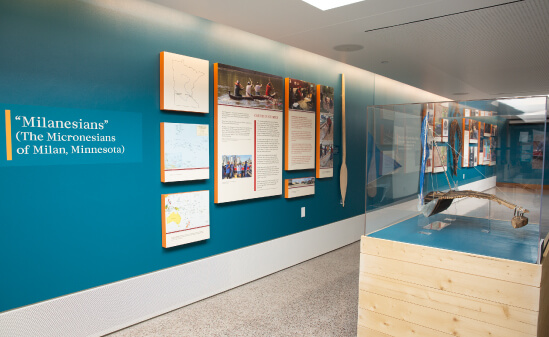
Closed for decades, the U’s gallery space has been used as a showplace for art and history exhibits.

Comedians like Brett Goldstein, of Ted Lasso fame, now regularly appear at Northrop. Credit: Live Nation
It Welcomes Groups from Across Campus
Synergies with campus groups were increased, as Northrop welcomed academic and campus group collaborations. A few years ago, when Balanchine’s famed ballet “Jewels” was performed in the main hall, a chemistry club assembled giant models representing the molecular structure of diamonds, rubies, and emeralds.
It Cultivates New Connections with Organizations Outside the U
The facility became more accessible to off-campus community groups, who could use the smaller spaces and gallery. While the space has always attracted dance groups, the renovated Northrop has been used by an increasingly broad range of groups, including:
- The Autism Society of Minnesota
- On Being, a radio program about spirituality with Krista Tippet
- VocalEssence, a choral group that does an annual program on choral music by Black composers that brings in more than a thousand school children
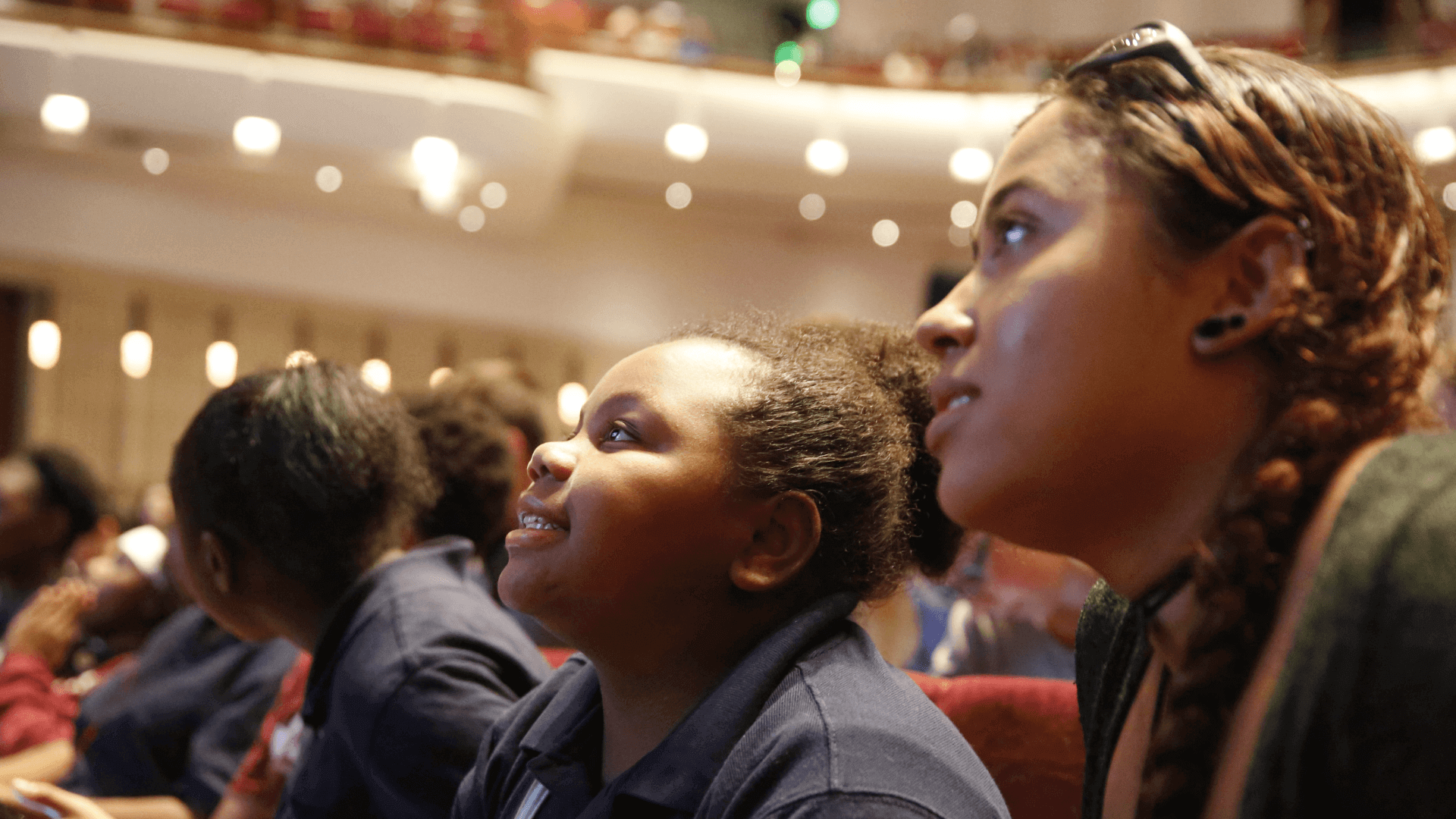
- Project Success, a program for underrepresented kids who may not be considering college. The organization brings groups of students and their families to performances in the building.
A Compelling Second Act
Thousands of people have attended concerts, shows, lectures, and receptions at the new Northrop, but in many ways the benefits of the renovation are just now being realized. “The space has opened up so many new avenues for programming,” says Bruininks, who, while retired, continues to track its rise.
Kari Schloner, who became Northrop’s executive director in 2018, recalls that a former provost once described the old Northrop as a structure that students walked around to get somewhere else. “The new building was designed to be porous, with students coming and going for classes, performances, and to study and socialize,” she says. “It’s a vibrant, living, breathing space.” ∎