
As we mark 10 years of Community Action at HGA, we reflect on how our social impact program is core to who we are and how we practice. We believe strongly that we are stewards of our communities, and that it is crucial for us to give back to those communities where we live and work. This connects to our core values of empathy, curiosity, meaningful work, originality, and creating a lasting impact.

Community Action began as a grassroots staff initiative in our Milwaukee office in the early 2010s. The intent was to provide opportunities for staff to engage in pro bono design for nonprofits and community organizations who otherwise might not have access to professional design services.
The initial program soon gained traction after an internal task force recommended expanding firmwide to engage volunteers across all offices in 2015. The program has continued to grow and currently commits firm resources to create lasting impact in five key areas:
 Pro bono services
Days of service
Mentoring
Charitable giving
Advocacy
Through these core impact areas, we help address social issues, often just outside our own door, by providing professional services to members of our communities who are under resourced and whose voices are often overlooked.
The Heart of Authentic Engagement
Community Action builds on the growing momentum in the architecture, engineering, and construction industry to consider the social, economic, and environmental impacts of design on communities. As such, HGA’s Community Action targets several goals:
Create positive change
Foster community resilience
Promote equity and justice in society
At the heart of our co-design process is authentic engagement to foster connections between designers and communities and encourage understanding of diverse perspectives, which can lead to more relevant design solutions. Especially in pro bono projects, we place importance on the “process” rather than just the final conceptual design product (a building or built environment) to help establish pride and ownership by the community.
This involves educating community members about the design process itself and equipping them with the skills and knowledge to advocate for their needs and participate in future projects in their community. Through co-design engagement workshops, community members share their experiences, fostering a sense of empowerment. This inclusive process reaches out to diverse stakeholders, ensuring that all voices are heard to create solutions that genuinely reflect their aspirations.
Building Partnerships with Kinship Community Food Center
In recent years we have used our Community Action projects as incubators for innovative engagement strategies—centering our values of empathy and equity. Designers are trained to respect cultural differences and recognize specific values of the communities they serve, thereby promoting acceptance and relevance.

For example, our Milwaukee team began collaborating with the nonprofit Riverwest Food Pantry in 2019, helping them rebrand as Kinship Community Food Center and develop a space program that supports their vision to be a more holistic resource center that promotes community health, stability, and prosperity.
As the partnership grew, our team studied different sites for their new space and developed building diagrams and conceptual renderings to gain support from municipal entities, funders, and the community. Through this process, we continued to strengthen our relationship with Kinship with day-of-service events, educational programs led by the executive director, and engagement sessions with Kinship clients, staff, and neighbors. Kindship has begun to secure funding, allowing them to move forward with their building plans.
Promoting Community Vision Through Design Workshops
Similarly, our Minneapolis team addresses social issues that staff are passionate about in its annual pro bono Design Workshop. Each fall, we send out an open call for design assistance to local nonprofit and community organizations, eventually selecting four to five organizations who bring diverse challenges to the design table. For example, teams have tackled housing insecurity, veteran’s mental health, workforce development, alternative learning environments for at-risk youths, and distinct cultural community spaces.

Over the course of two days, our volunteer teams work side-by-side with organizations to produce design concepts, programming documents, and cost estimates. Generally, partners do not have the financial resources to pay market design fees at this stage. As with Kinship, our goal is to assist them with preliminary design concepts and marketing materials to support a capital campaign and eventually hire an architect—whether that is us, another firm working in the community, or a partnership in between.
Supporting the Citizen Architect
Programming such as these two examples tap into a larger national call-to-action promoted by the AIA Citizen Architect, which calls for architects to be more involved in their communities. Along with the Public Interest Design movement and other grassroots efforts, advocacy is becoming increasingly integral to the AEC industry as design professionals recognize their responsibility to create change. By engaging in advocacy, designers can influence public opinion and help shape policies related to urban development, zoning, and community planning to promote design solutions that improve quality of life for all.
Looking Toward the Next 10 Years
As we look toward the next 10 years, we will continue to bring socially conscious design to all. With growing social concerns—such as wealth inequality and climate change—pro bono design is projected to become more integrated into the profession, with an emphasis on collaboration, innovation, and measurable impact. As we further develop our program, we constantly look to our peers and supporters to provide these essential services to nonprofit organizations. After all, pro bono work not only benefits recipients but also enriches the design community itself, fostering a culture of giving back and making a positive impact.
Learn more about our social outreach in our 2024 Impact Report.
About the Authors

Lyssa Olker
Lyssa believes that design can empower and transform. As a design principal, she leverages a deep portfolio of transformational projects across community and corporate markets.
Hannah Holbach
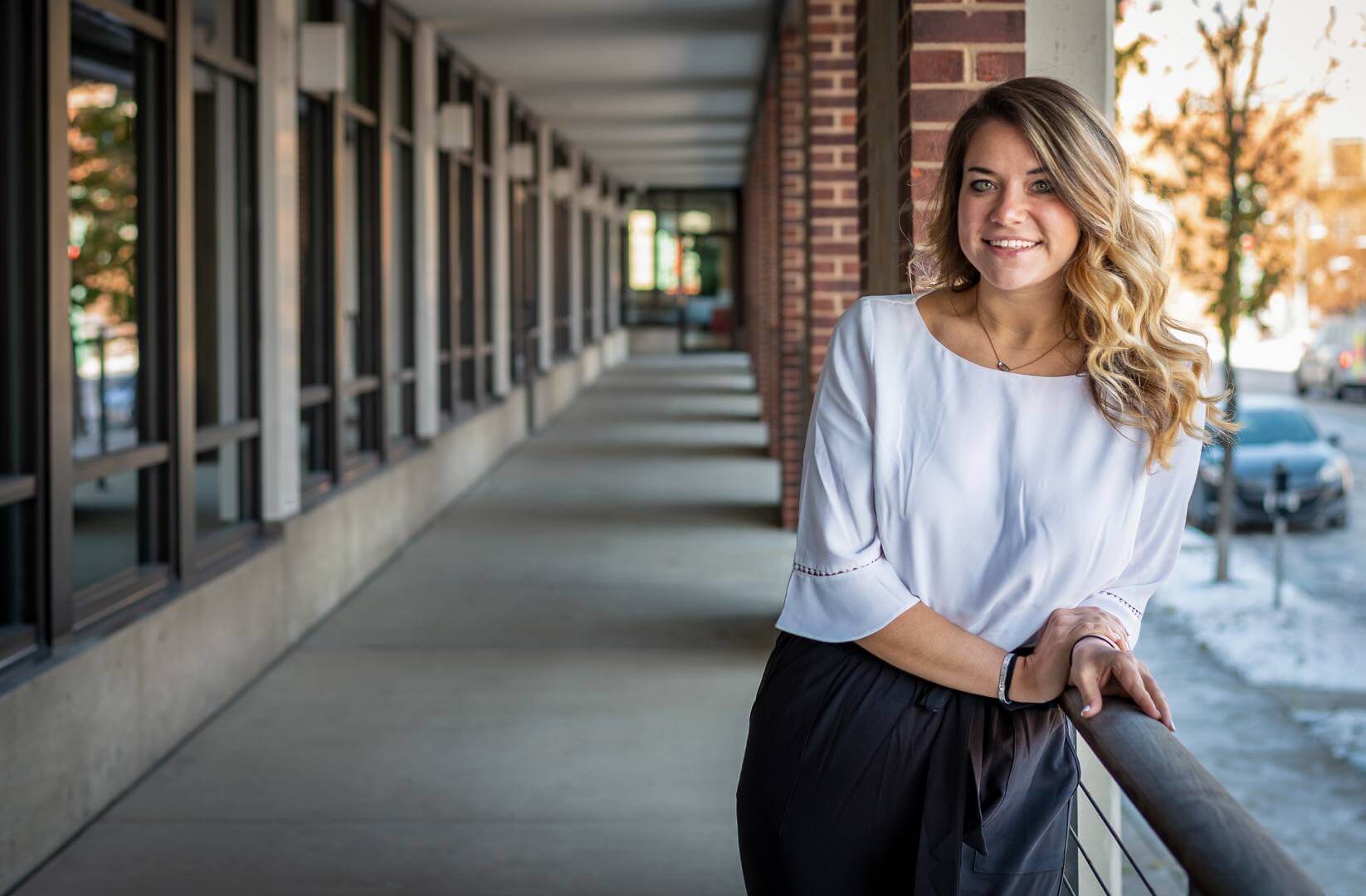
Hannah is a medical planner in our Milwaukee office and has been actively involved in Community Action programming and leadership since joining the firm six years ago. Her passion for positively impacting communities is infectious—and inspiring. She is the current national co-director of HGA’s Community Action social impact program with Kaitlin Schalow.

Kaitlin Schalow
Kaitlin is a public interest designer who believes that design has the power for social change. She brings a holistic approach to her passion for design by combining her skillsets in architecture, interior design, and landscape architecture. She is the current national co-director of HGA’s Community Action program with Hannah Holbach.