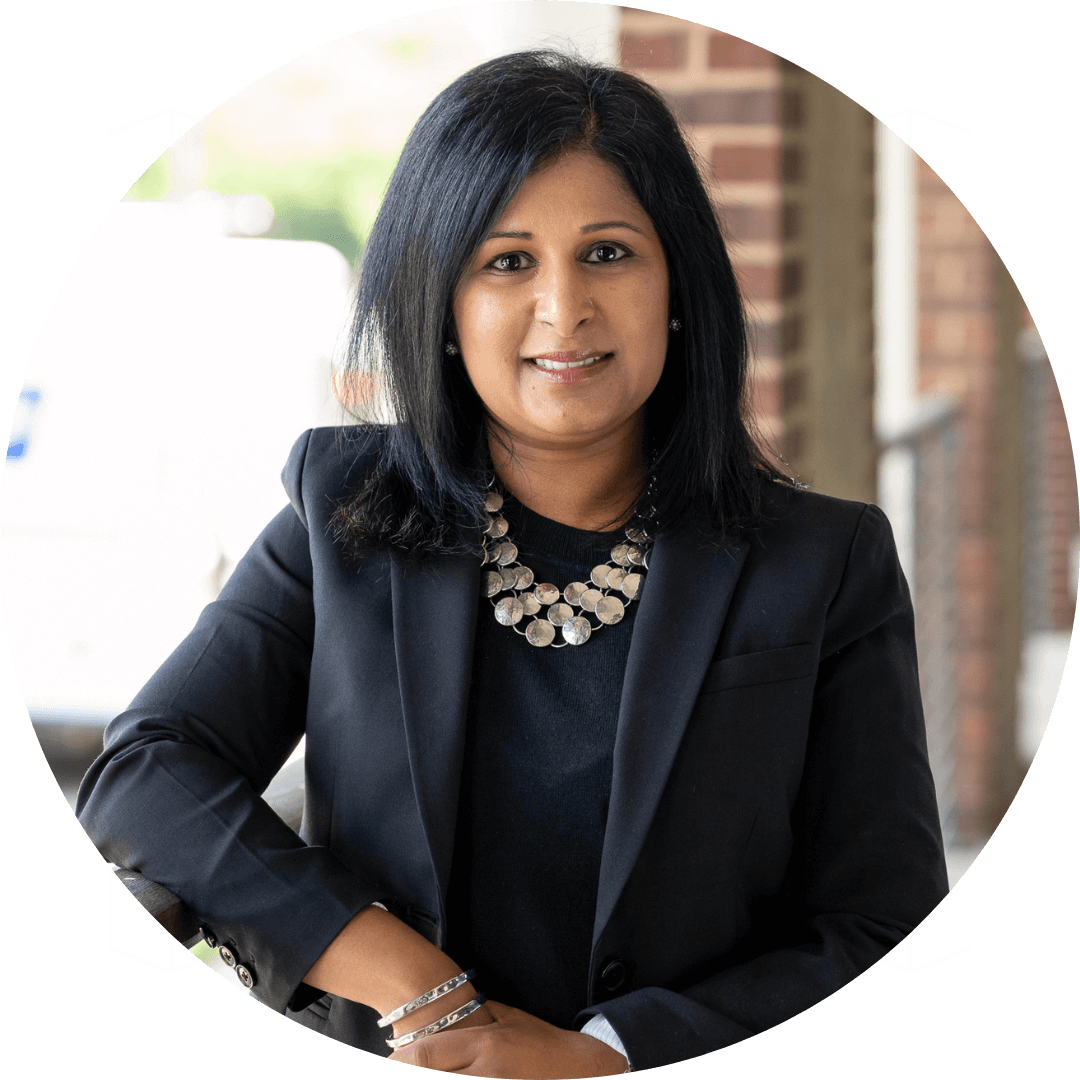
Taruna Gupta, NOMA, is a planner at HGA, where she focuses on arts, community, and education work. Throughout her career, she has stressed the value of equity in the design process—approaching each project holistically to consider diverse user experiences.
Since joining HGA in 2022, she has worked on a range of projects, including educational, healthcare, corporate, community, multi-family, and senior living. She also is actively involved in firmwide initiatives, such as the Equity Council and co-chair of the BIPOC Connections employee resource group.
Yet her work beyond the office equally informs her design thinking. She is co-founder and President of Defining Humanity, a Wisconsin-based nonprofit that provides design expertise for humanitarian initiatives globally. Recently, she co-presented a program with Yash Mehta, co-founder of Defining Humanity, at the AIA25 Conference on Architecture & Design titled “Innovating for Impact: Harnessing New Technologies to Address Global Challenges.”
Taruna serves on the Board of Women in Design Milwaukee and is the current President of the National Organization of Minority Architects Wisconsin Chapter. In the following, she discusses her dedication to community-focused work and the growing potential of new design technology to prompt social change.
Taruna Gupta
Planner
You just presented a program at the AIA Conference discussing 3D printing. Tell us about that.
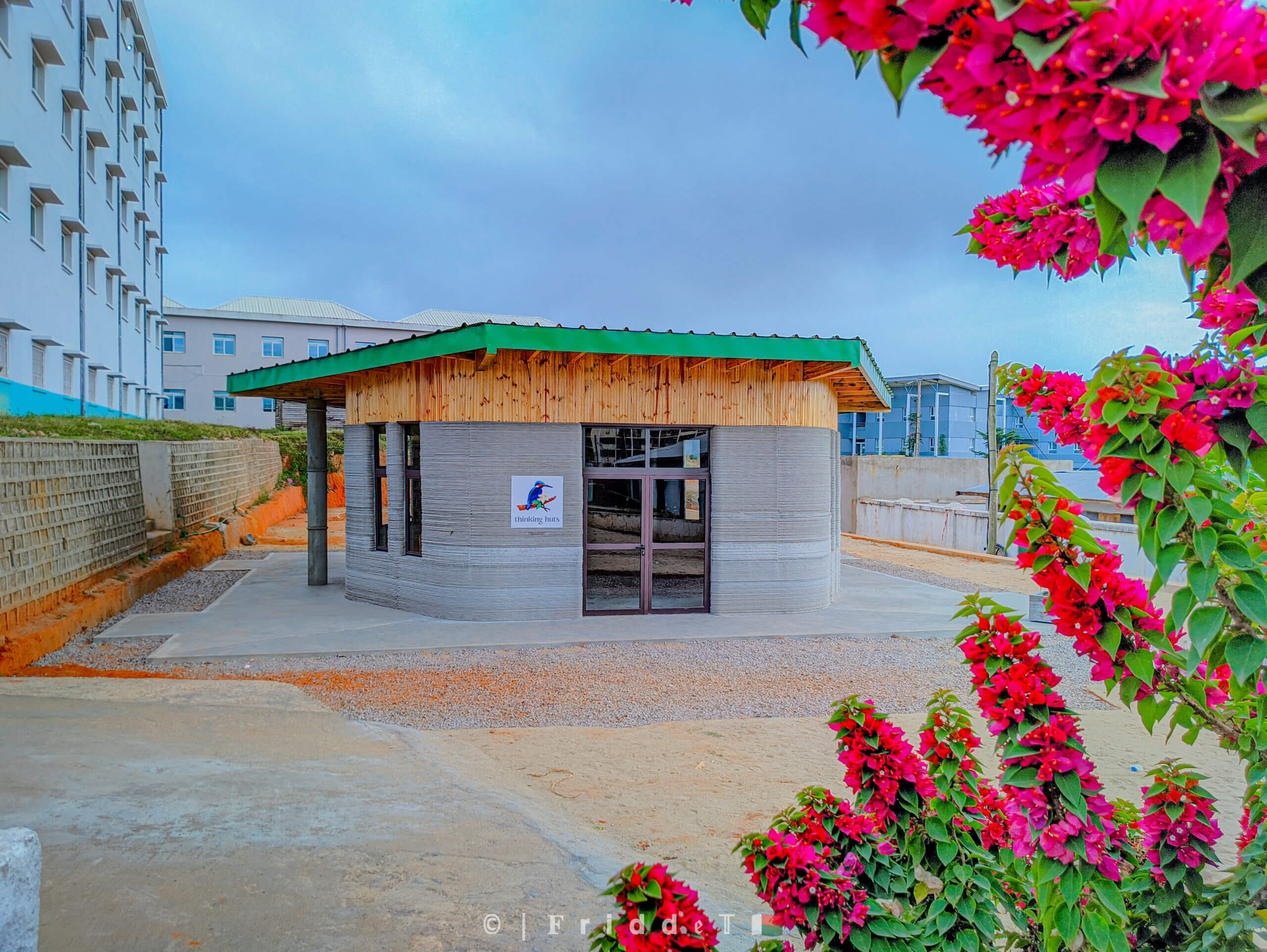
The program focused on the global outreach I’ve worked on with Defining Humanity using 3D printing and prefabrication to help underserved communities. We featured several case studies in Madagascar and California to demonstrate how designers and community organizers can leverage new technology to improve access, public health, safety, and welfare. 3D printing holds a lot of potential because it can print fast and create prototypes that are scalable, cost–effective, and sustainable.
What inspired you to launch Defining Humanity?
Growing up in India, I witnessed how poverty, systemic injustice, and gender inequality shape the built environment and impact communities. There are so many people who do not have access to safe, dignified spaces. This awareness stayed with me during college and my early professional years. I kept thinking about who decides who gets access to good design and who doesn’t. I started talking about that with some friends here in Milwaukee who also were interested in helping communities bridge that gap through design. That’s how Defining Humanity started in 2020. Our work is primarily with grassroots organizations, helping them create spaces that empower them to succeed.
Tell us about your global outreach.
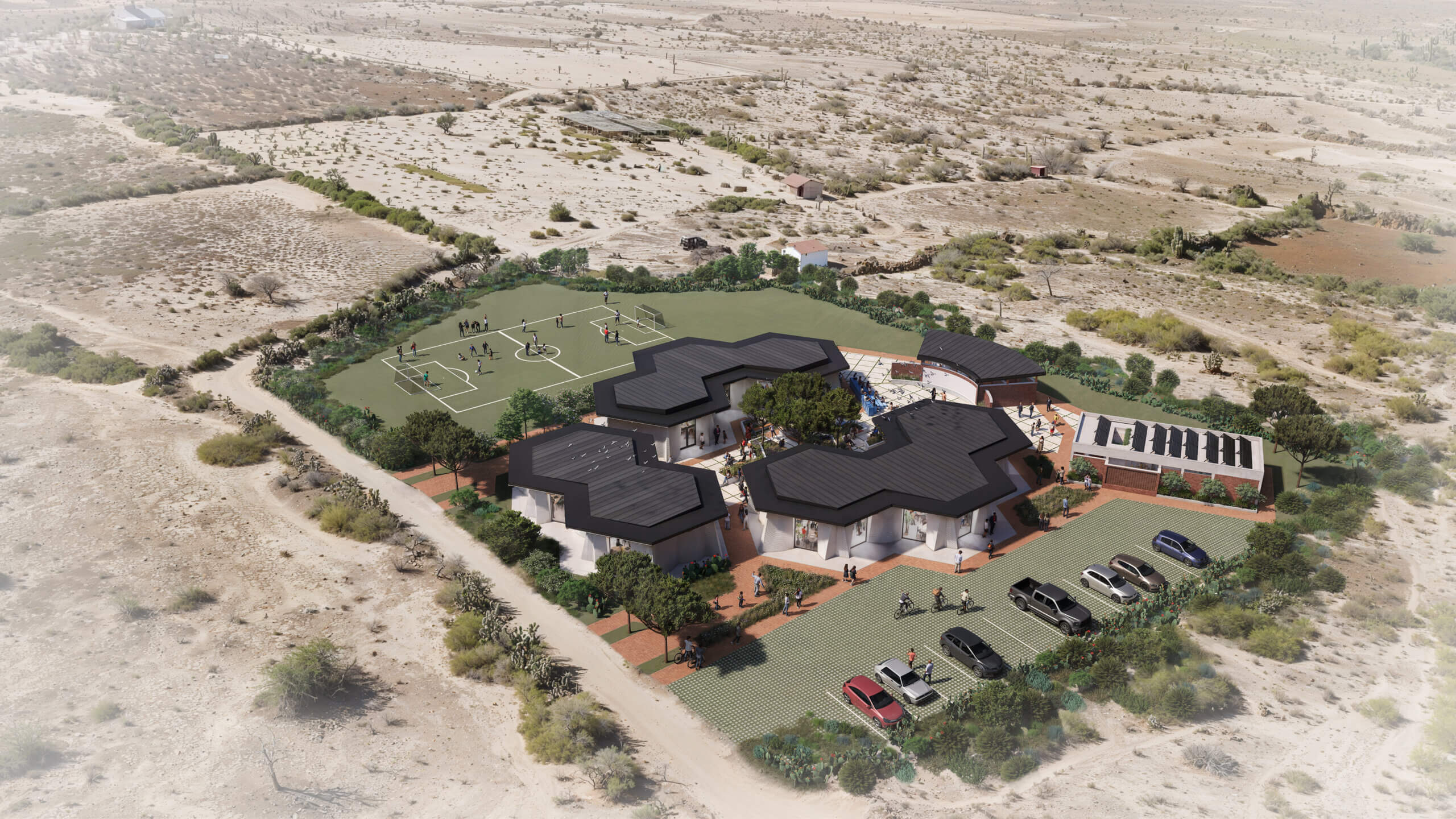
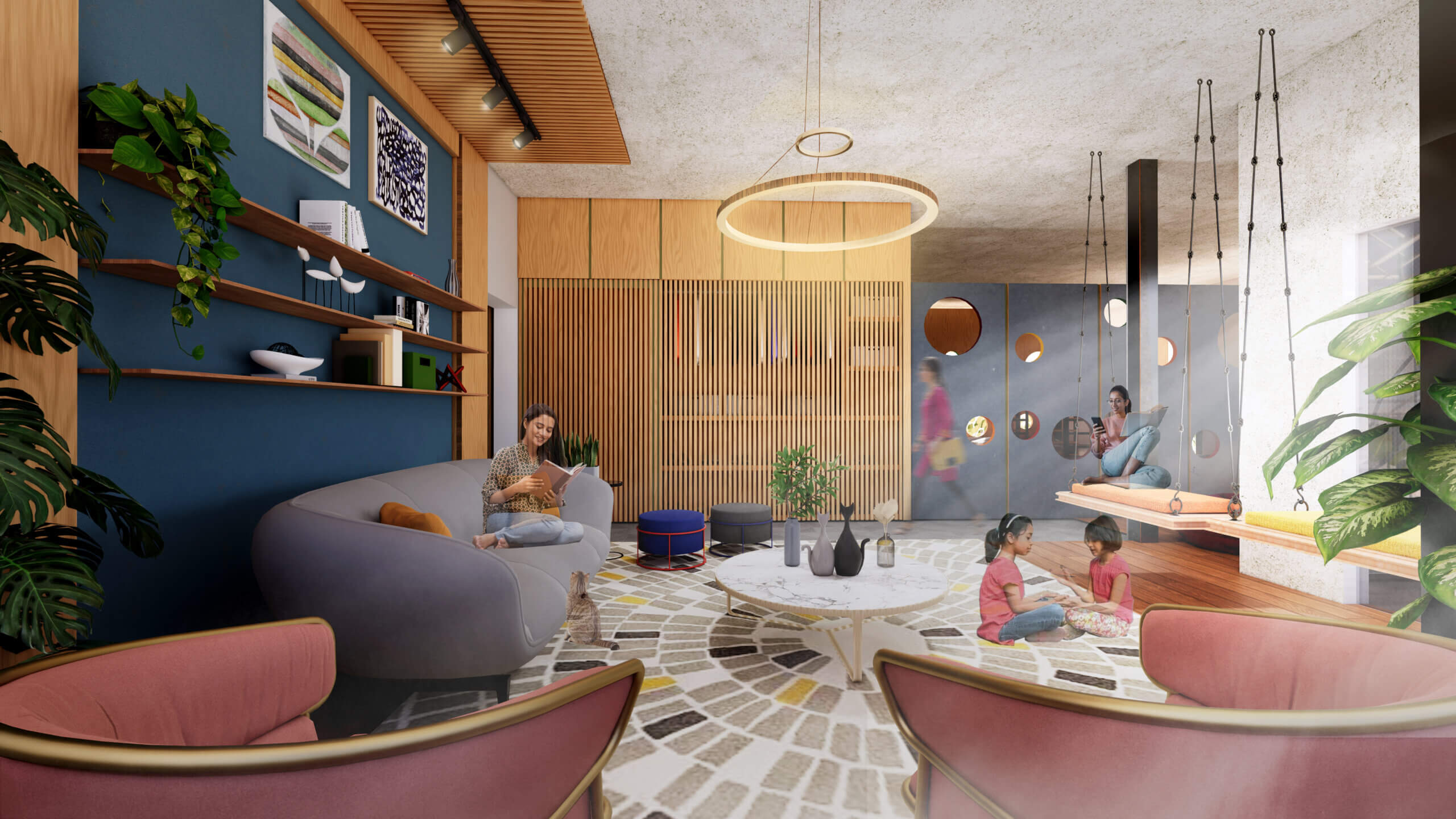
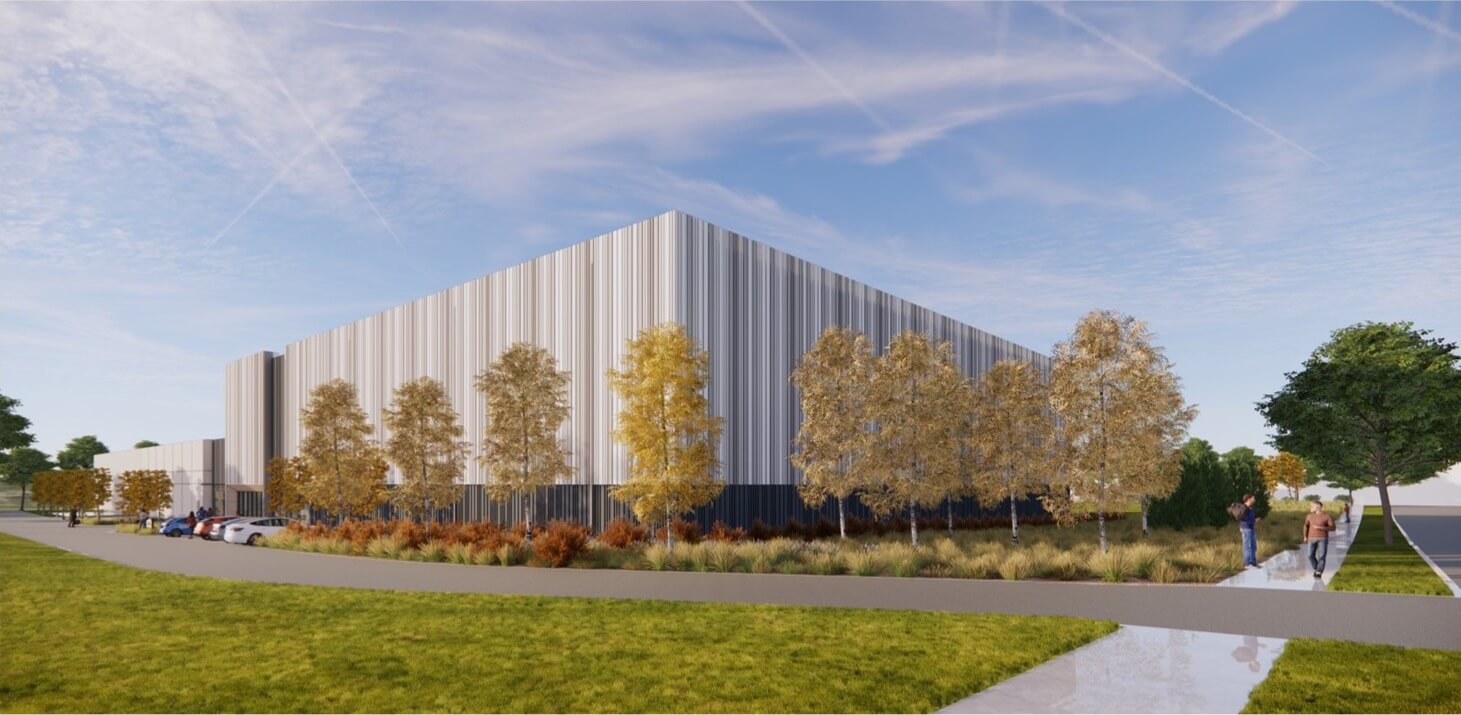
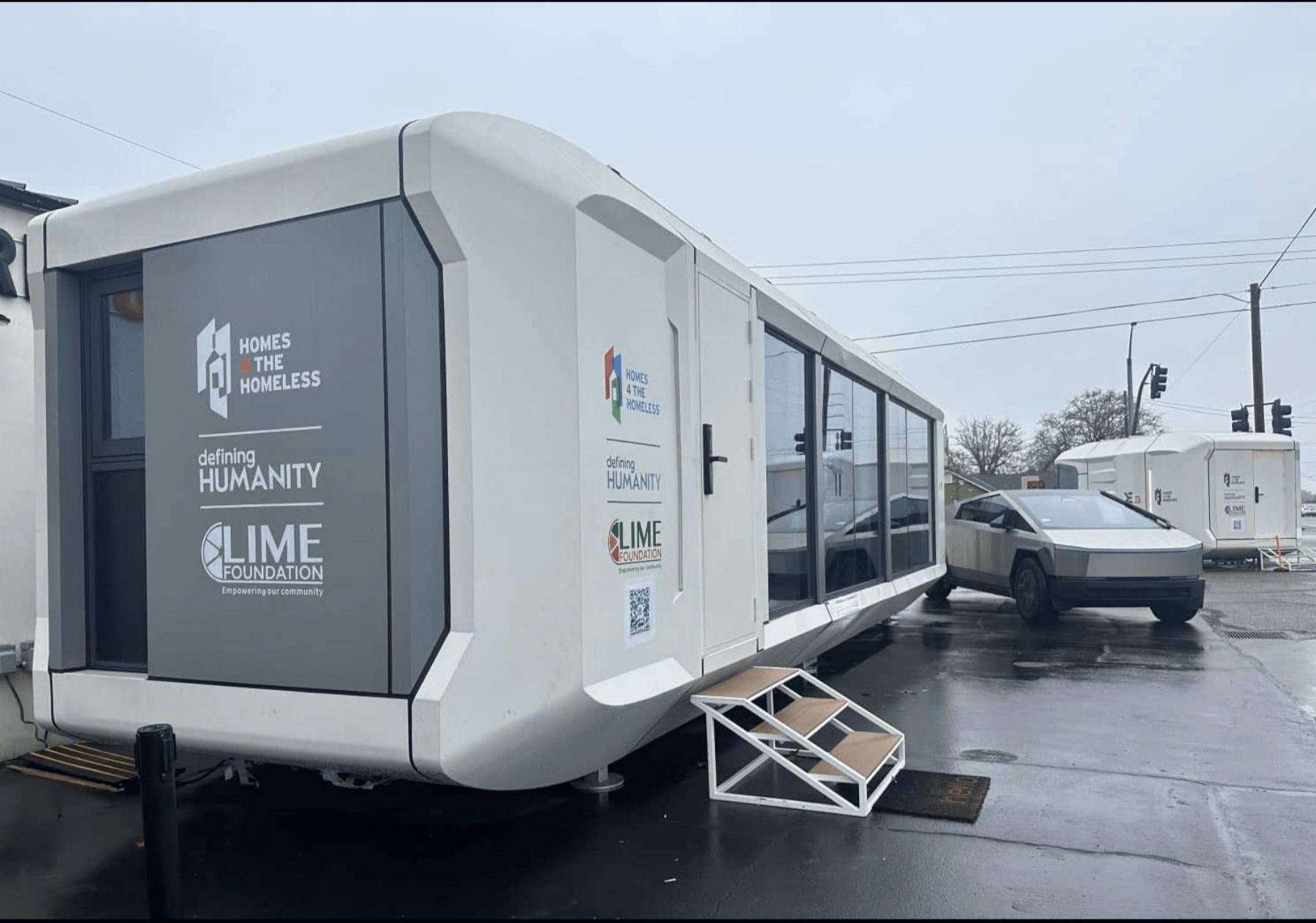
We’re based in Wisconsin, but we have partnerships around the world. Defining Humanity started with a 3D printed classroom Pilot Hut in Madagascar with the nonprofit Thinking Huts. That led to a larger 3D printed Education Campus and a Media Library & Cultural Hub. From there, we’ve built partnerships with other non-profits, designing a space for young women rescued from sex trafficking in India called Kranti that reimagines a safe home, building Vessel Housing in California that addresses the affordable housing crisis, and completing a National Resource Center for state and local reparations for FirstRepair in the Chicago area. These projects and others are about providing access and empowering people to break the cycle of exclusion.


As designers, we are uniquely positioned to reimagine environments that elevate everyone's voice.
Taruna Gupta
Planner
Do designers have a responsibility to address social inequity?
Absolutely. As designers, we are uniquely positioned to reimagine environments that elevate everyone’s voice. Here at HGA, I work predominantly on arts, community, and education projects. All our projects are about creating spaces that express a sense of belonging. I can genuinely say that equity is embedded in everything we do. It is our role to create spaces that set people up for success.
It clearly sounds like your nonprofit work impacts your work at HGA.
There is an overlap between the two that has sharpened my sense of purpose. At Defining Humanity, we’ve been able to think outside the box and use unconventional technologies. That experience has enabled me to bring bold ideas to the table, step outside my comfort zone, think more strategically, and lead with purpose. Now more than ever, I feel aligned with HGA’s core values of curiosity, empathy, meaningful work, originality, and lasting impact.
What gives you optimism looking ahead?
So many things. But specifically, I’ll say that it’s the next generation. A lot of the students and emerging professionals that I mentor are not afraid to challenge the status quo. They understand that architecture is a powerful tool for change that impacts many lives. As a profession, we’re becoming more intentional about addressing the need for equity and inclusion. We’re also more aware of the healing aspects of architecture. I see that in the work we do at HGA, and I see the next generation naturally thinking that way. And that gives me optimism.
Explore how HGA integrates sustainability, equity, and community action into our work to have a national and global impact.