
On structural engineering and new technologies advancing the building industry.
As National Structural Engineering Practice Leader, Sarah Jorczak, PE, guides an interdisciplinary approach to engineering, combining a holistic perspective on building systems and new technology with a focus on design excellence.
She has more than 25 years of experience at HGA working on a range of building types across markets. Throughout her career, she has promoted new products and technologies such as mass timber and modular construction that point to a more sustainable future. Yet most importantly, she thrives on building meaningful connections with co-workers and allied partners, tapping creative potential to achieve exceptional results for clients.
In the following, Sarah shares her thoughts on innovations impacting the building industry—and why the profession continuously inspires her.

Sarah Jorczak
National Structural Engineering Practice Leader
What motivates you with your work?
A lot of what motivates me is the amazing projects we work on in different markets. No two buildings are identical, so everything is new—which is the fun part. And I am motivated by how the buildings shape communities in a positive way. I always try to relate to the people who use the buildings we design. That drives me to do my best.
What changes have you seen in structural engineering throughout your career?
A lot has changed since I started at HGA right out of college. As I grew professionally, structural engineering as an industry also grew. The amount of research and code advancement have increased significantly, focusing on regional considerations for weather preparedness and natural disasters that inform building loading criteria. Sharper, more precise predictive analytic tools have given us a clearer understanding of building behavior.


What is building behavior?
Building behavior is how a structure responds to loading. It is about how forces travel through a building and how it performs under the demands of its inhabitants, program use, wind, seismic activity, rain, and snow. What has advanced significantly is our ability to model that behavior with a high level of accuracy. We can now tailor analysis to the specific site and simulate how interconnected systems act together, which leads to a more informed understanding of movement, load paths, and performance limits.
We hear a lot about new structural systems. How does HGA bring innovations to the client?
Our structural practice prides itself on having subject matter experts in fields where we see emerging innovations and trends. Within the practice, I foster a culture of ‘follow your passion’ to encourage highly motivated structural engineers to advance innovation.
HGA’s internal microgrant program provides resources and time for individuals to explore specific topics through research and prototyping, with a focus on applying those ideas to project work. As a result, we have advanced our design of mass timber, modular construction, hybrid structural systems and elevated our vibration analysis and digital prototyping tools.
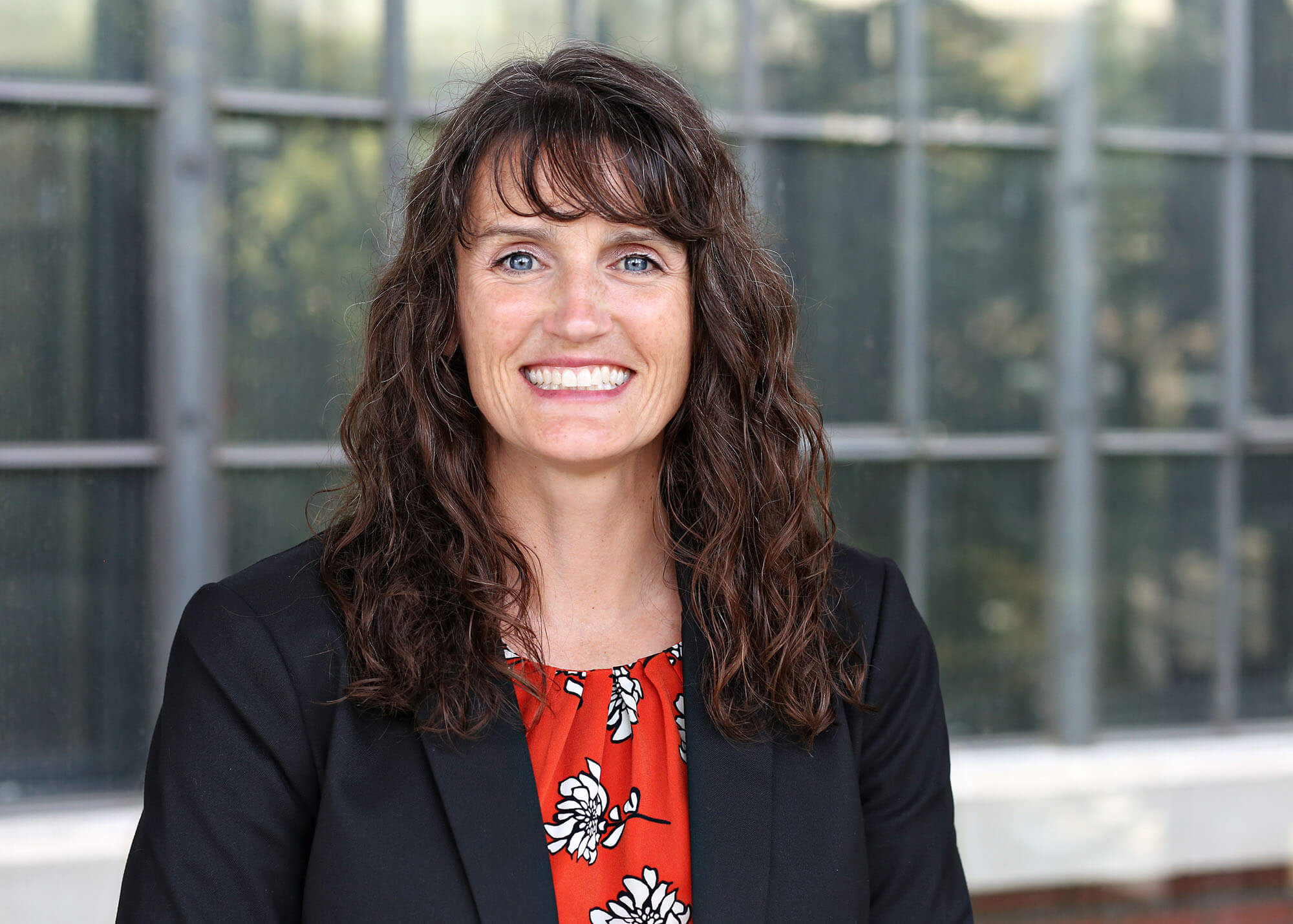

I always try to relate to the people who use the buildings we design. That drives me to do my best.
Sarah Jorczak
National Structural Engineering Practice Leader
How does this position HGA to better serve the client?
Folks do their best work when they are passionate about a topic. And they get super psyched when they can teach somebody else. That creates this wonderful momentum across the practice, where knowledge spreads, and we continually build new experts in different areas.
What that means for our clients is that they are not just getting one perspective; they are getting access to a deeper bench of informed thinking. That expertise shows up in how we evaluate systems and help guide conversations so clients can make decisions about building structural systems that align with their project goals.
What is the primary benefit you bring to clients?
We create value through our processes, collaborating under one roof, with structural engineering and architecture teams working hand-in-hand, side–by–side from project kick-off through construction completion. Our interdisciplinary approach allows us to deliver a final building that is efficient, technically sound, sustainable, and beautiful.
What is the one skill set you learned that helps you succeed?
I would say that there is a combination of skillsets or traits that have helped me throughout my career. Work can be fun, but it is not always easy. To keep learning and growing it is important to have determination and grit, to be consistent and persevere, to always be curious and maintain a passion for curiosity, and on top of all that still have humility. This plays off a growth mindset, because as engineers and designers we are constantly learning, constantly figuring out what works and how we can do something better.
What's on your design horizon this year?
We will continue to design with purpose, exploring mass timber options on more projects in unexpected building types, pushing new techniques in modular design, researching the use of AI as a tool to aid in more efficient design processes, and as an SE 2050 signatory firm, focus on making lower carbon design integral to our process.
But ultimately what I look forward to—and what I love most about the structural practice at HGA—is collaborating with so many people who are passionate about their work. We are so lucky to have people with different interests and expertise, investigating new processes, and elevating the whole practice. That passion is moving us forward. It’s inspirational.
Learn more about the our broad and deep Engineering expertise.