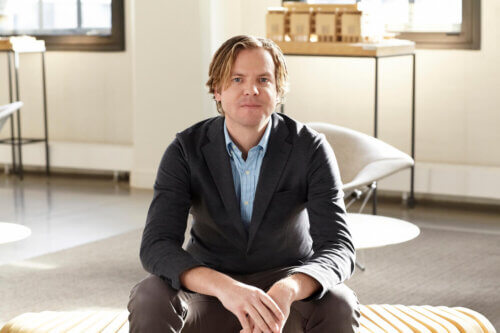
Nat Madson, AIA, is a Design Principal specializing in Arts, Community and Education work. Since joining HGA more than 10 years ago, he has designed a range of projects that “explore space and experience to create something new.”
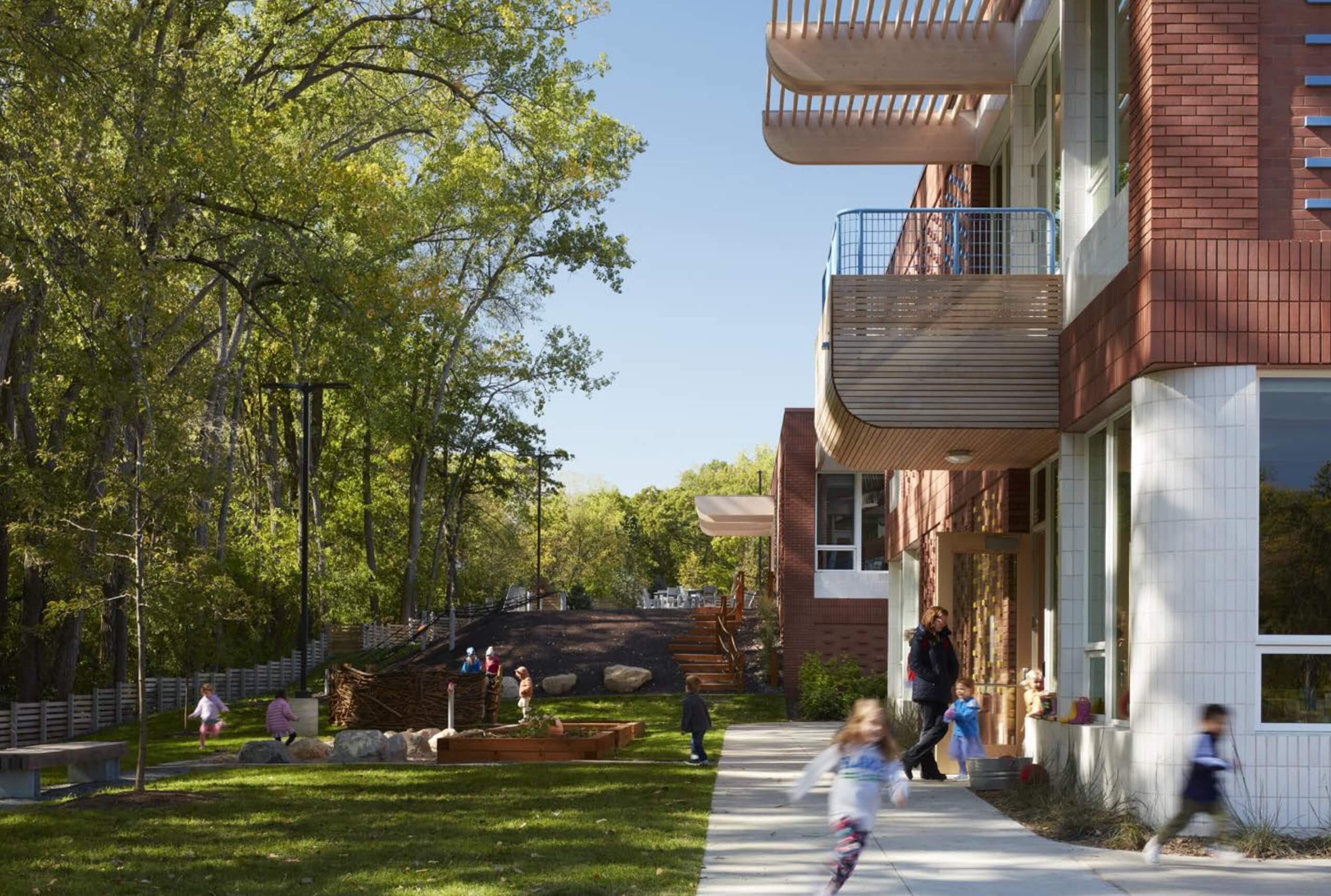
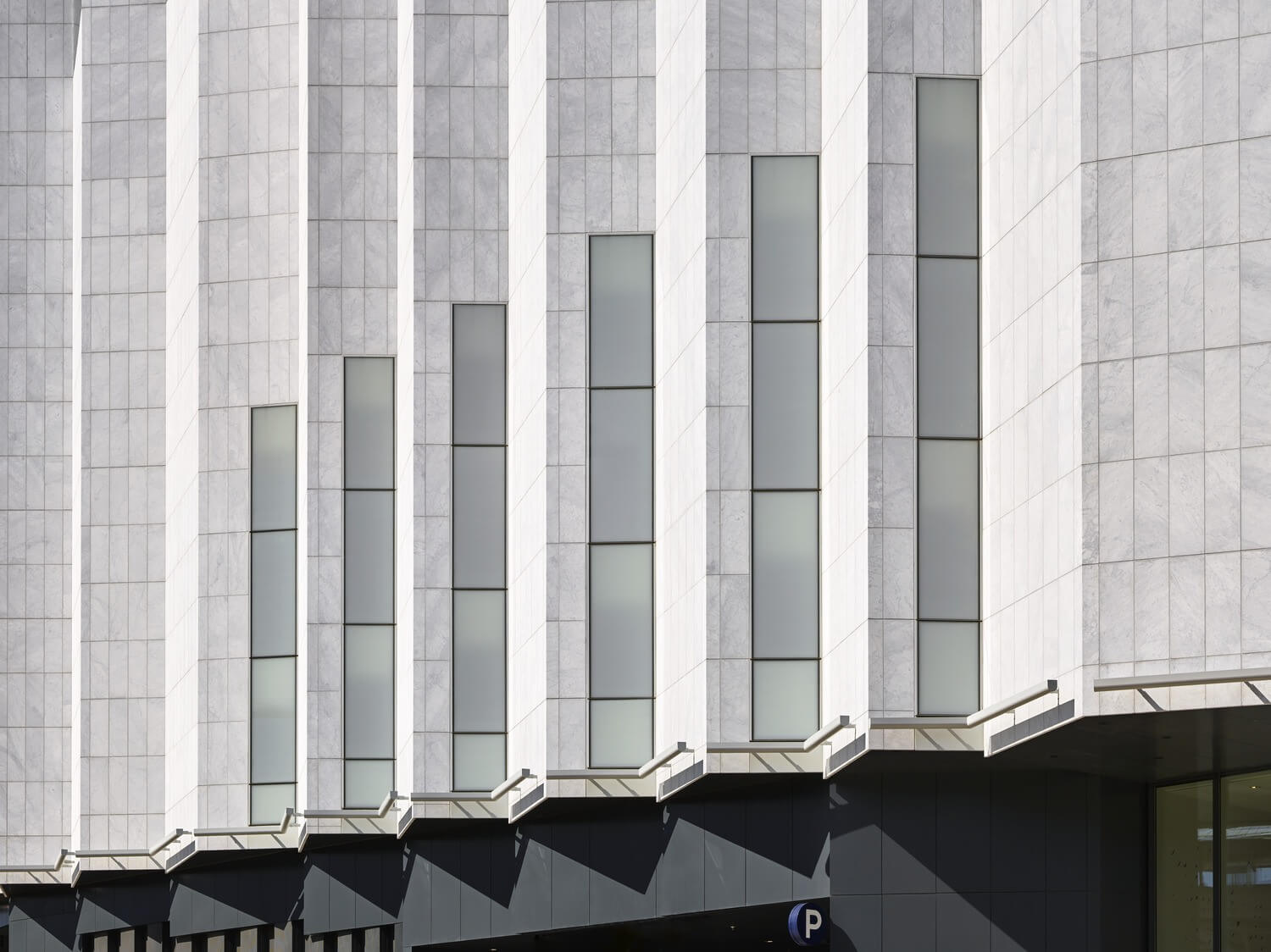
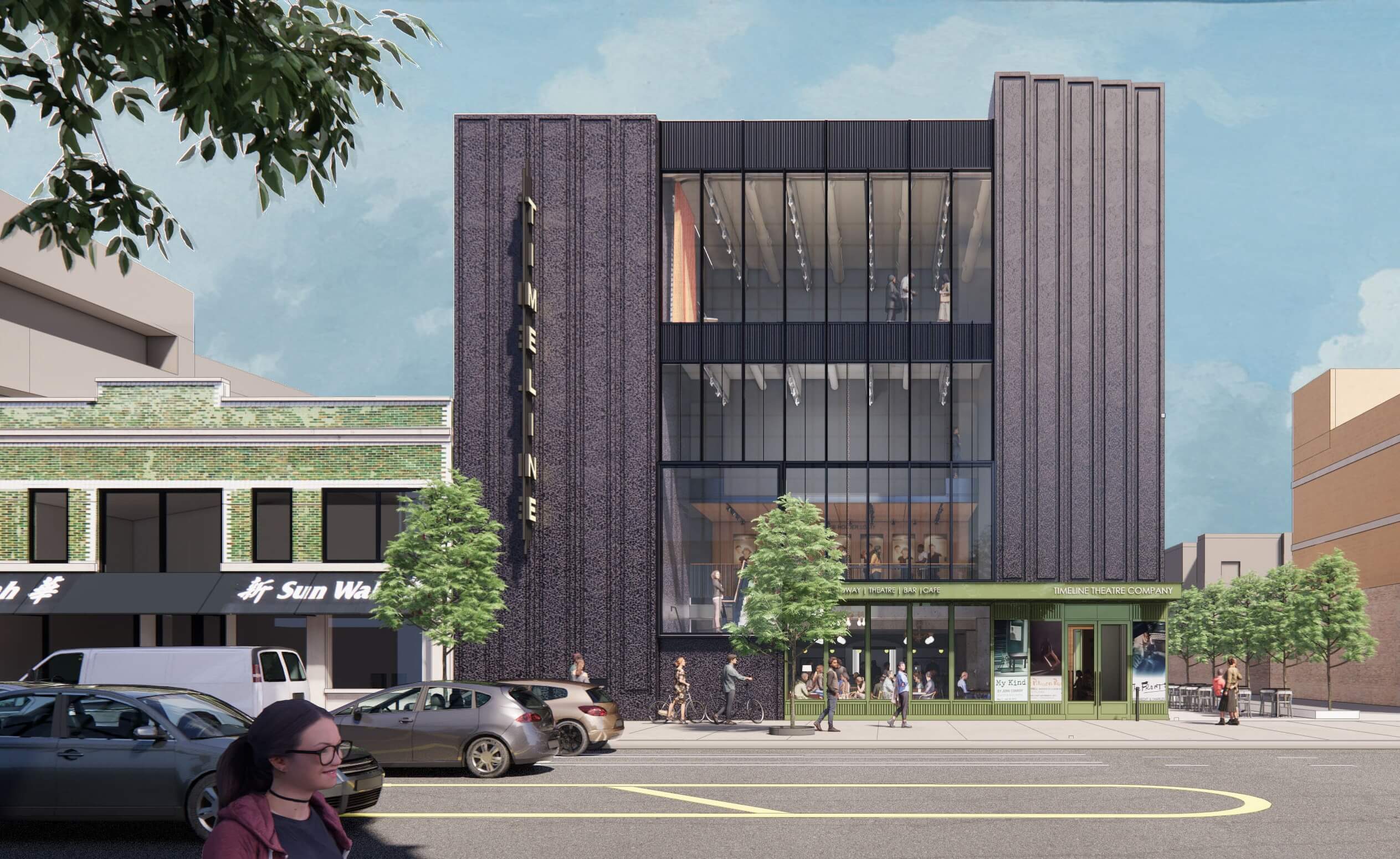
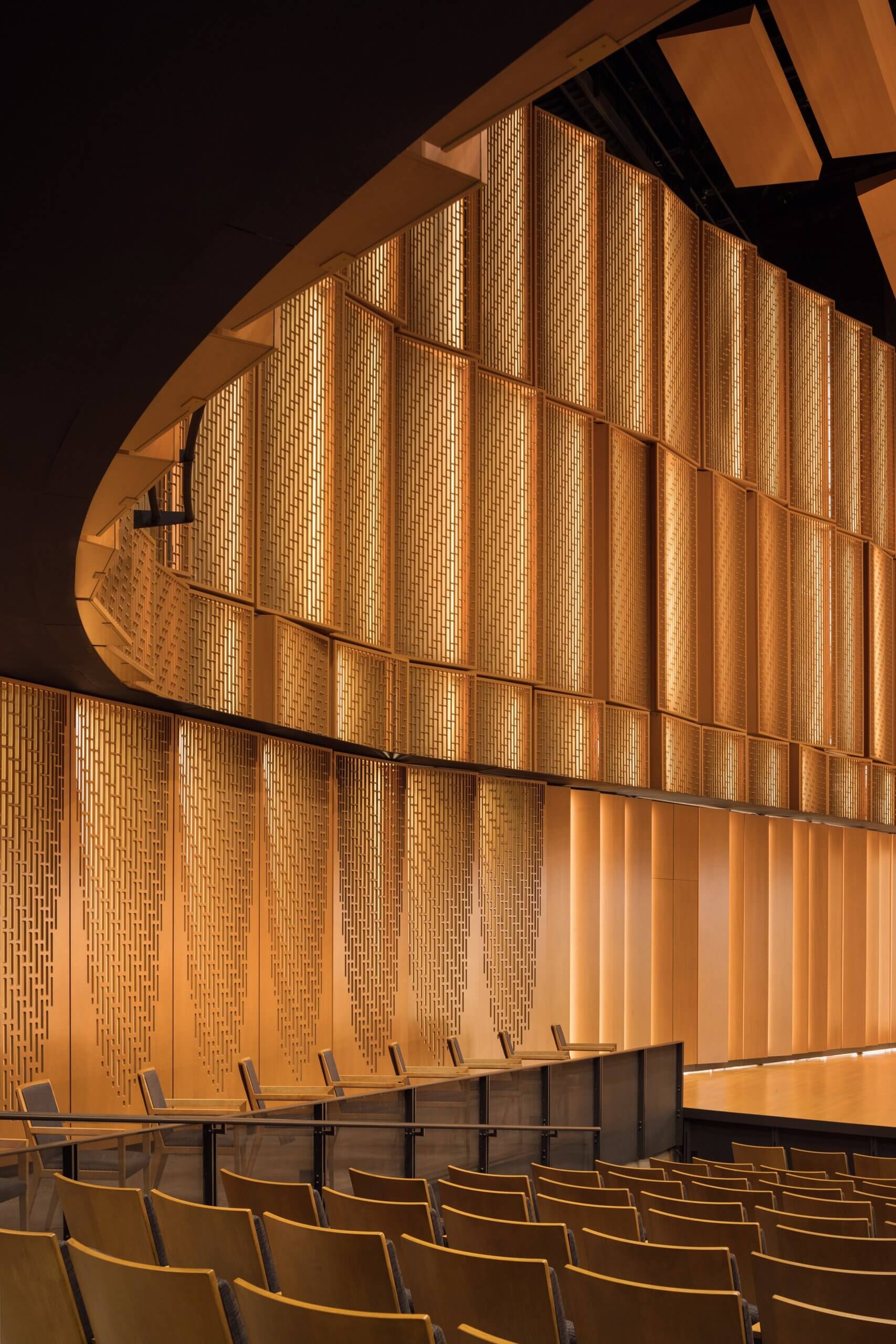
Among his notable projects are Capital One Hall outside Washington, D.C, the recently completed Blake School Early Learning Center near Minneapolis, a planned Residence Hall and Welcome Center at Macalester College in St. Paul, and a new home for the Timeline Theatre Company currently in development in Chicago.
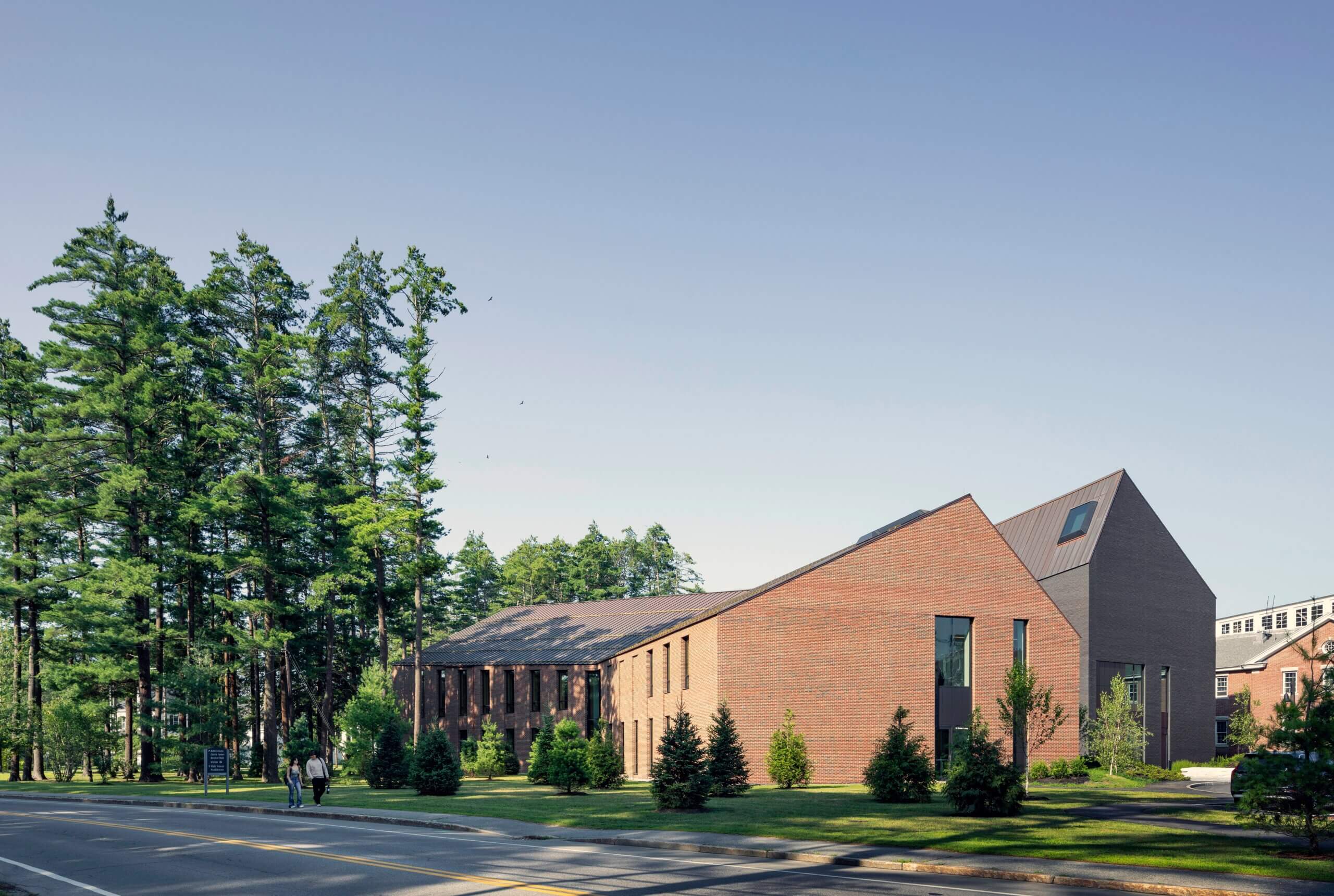
This fall also ushered in the opening of Barry Mills Hall and the Gibbons Center for Arctic Studies at Bowdoin College in Brunswick, Maine. This academic project combines his interest in structural expression, material research (in this case mass timber), museum experiences, and community engagement.
In the following, Nat discusses the personal and professional energy that comes from working with engaged clients to help realize aspirational projects.
Congratulations on the opening of Mills Hall and Center for Arctic Studies. What does this project mean to you?
Working with Bowdoin has been a great honor. Their campus has a collection of fantastic buildings dating back to the late 18th century. Many recent buildings are quite modern, yet the campus remains very cohesive. It’s been described as “an enlightened, engaging conversation that spans across history.” Our goal was to contribute to that conversation, respect Bowdoin’s history, while looking to the future.
The Center for Arctic Studies houses the Peary-MacMillan Arctic Museum. Did you learn something unexpected about the Arctic?
It’s complicated! Susan Kaplan, Director of the museum, says that you really can’t understand the Arctic without understanding its cultural and environmental context. This is really the goal of the Peary-MacMillan Museum—engaging visitors not just with the history but also the contemporary challenges and opportunities facing the Arctic.
What are some of those opportunities?
The Center for Arctic Studies—which includes the museum—is a place that brings people together from different perspectives to help build a body of knowledge around the Arctic. Indigenous cultures, environment, wildlife, and resource extraction are closely interconnected—it’s almost impossible to pull them apart and think of them as separate categories of research. Similarly, issues of climate change and the environment are intertwined with geopolitical policies that have profound impact on the culture and the environment.
Yes, this does sound complicated.
But what I really appreciate about the museum is the way it introduces these issues through artifacts, which are often fascinating and beautiful on their own, but they also serve as lenses into much broader subject matter. So yes, there was a real sense of discovery working on this project. It was endlessly fascinating.
You also just finished a very different academic project with the Blake School. Were there any similarities between the two projects?
Absolutely. Both projects are about learning, socializing, and making connections. At Blake, the school took cues from a Reggio–inspired learning model that encourages children’s discoveries through collaboration with peers and teachers—using a variety of tools and techniques. Emphasis is given to relationships. The school is supposed to be a model of society—a model of the city. As with a city, the learning environment can be complex and overlapping and rich in spatial relationships. We found this to be a powerful architectural idea.
Also, while working on Blake, I was frequently struck by the similarities between the Reggio method and the way I try to teach design studios at the University of Minnesota. Another link, I guess, between early learning and higher education.
What inspires you when you’re meeting with clients on different projects? Is it that experience of discovery?
I definitely gain inspiration from the intelligence and thoughtfulness that clients bring to the table. Heading into a project, I find it remarkable how little I know about the work that will be happening in this new building. The process of listening and learning from clients and end-users while testing and discovering the ways architecture can support their work is a continuous challenge and source of motivation for me.