Jes Skaug, AIA, is a Senior Project Designer at HGA. He supports highly collaborative team processes, sharing his technical expertise with colleagues and clients through the complex design process.
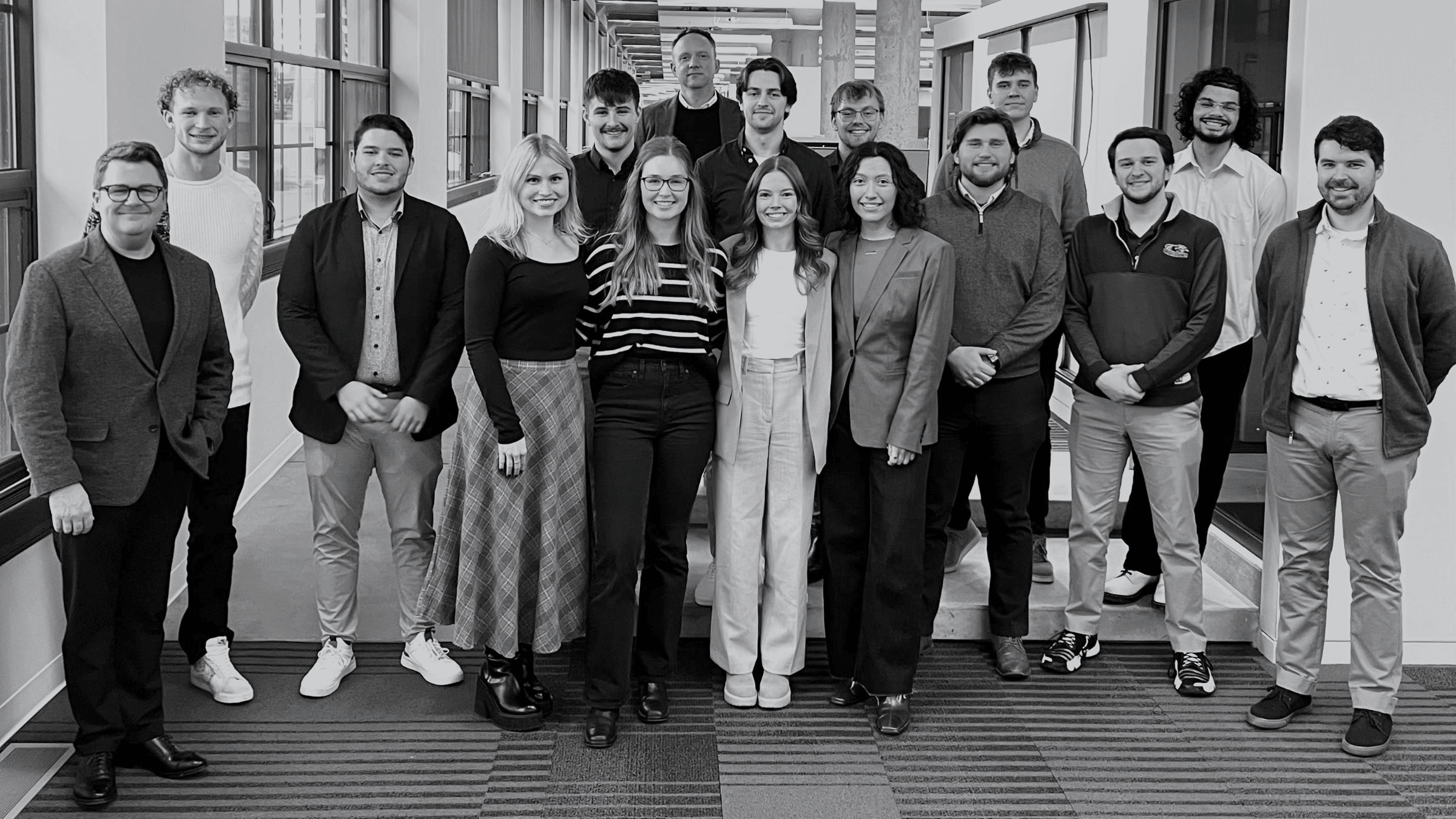
This commitment to sharing expertise also inspires his work with students from the University of Wisconsin-Milwaukee School of Architecture & Urban Planning. He just wrapped up a semester-long session leading the inaugural HGA Studio, in which 12 students spent two days a week in HGA’s Milwaukee office working alongside design professionals exploring the historic Milwaukee VA Soldiers Home from three design perspectives.
In the following, Jes highlights takeaways from the studio — and the mutual learning experience between student and mentor.

Jes Skaug
Senior Project Designer
Tell us about the background on HGA Studio.
HGA has had a long association with the School of Architecture, particularly through Jim Shields’ involvement leading graduate design studios. While traditional studios are taught on campus, we wanted to differentiate HGA Studio by bringing it in-house. It was an opportunity for us to have more exposure in the community and engage with students in a professional setting.
Creating an in-house studio must be a big investment on HGA’s part.
Launching a studio involved resources across disciplines. As our initial conversation evolved, we decided the studio should focus on our collaborative, multidisciplinary culture working on many different building types and markets. We also wanted the studio to reflect our commitment to community action and making a positive social impact.

How did you build the curriculum?
We structured the curriculum as an immersive, practice-inspired studio where students were led by a range of architecture, engineering, and design professionals exploring a community–responsive project.
How did you choose the Milwaukee VA Soldiers Home?
This was ideal for its rich history and architectural diversity, yet the campus is underutilized as a visitor destination. The campus originally was established as a recuperative village for returning Civil War soldiers. The site includes the Zablocki Medical Center, Wood National Cemetery, and a grouping of historic buildings designated as National Historic Landmarks. This provided an opening to explore design from three perspectives — and have an impact on individual lives.
Tell us about those three perspectives.
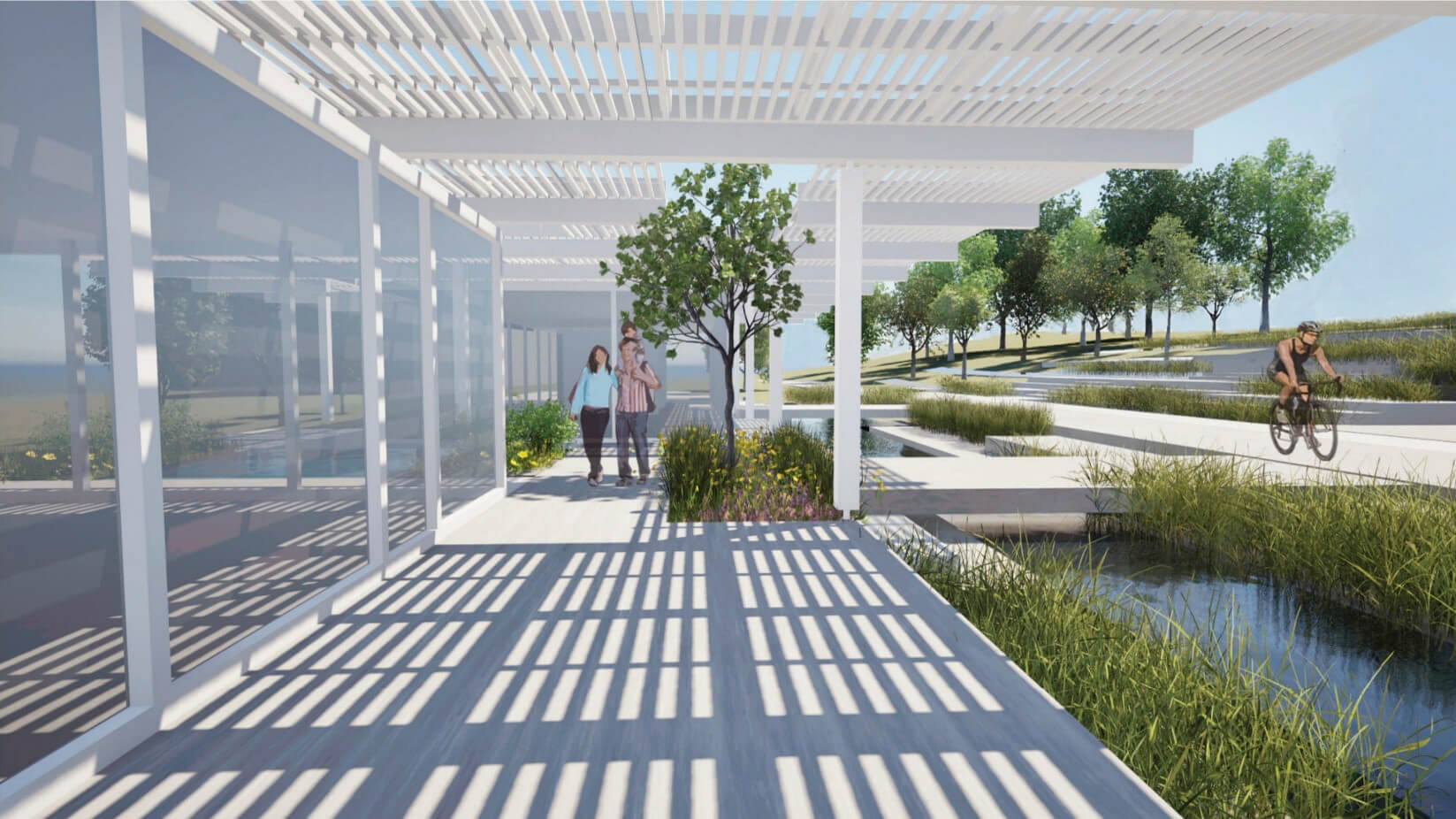
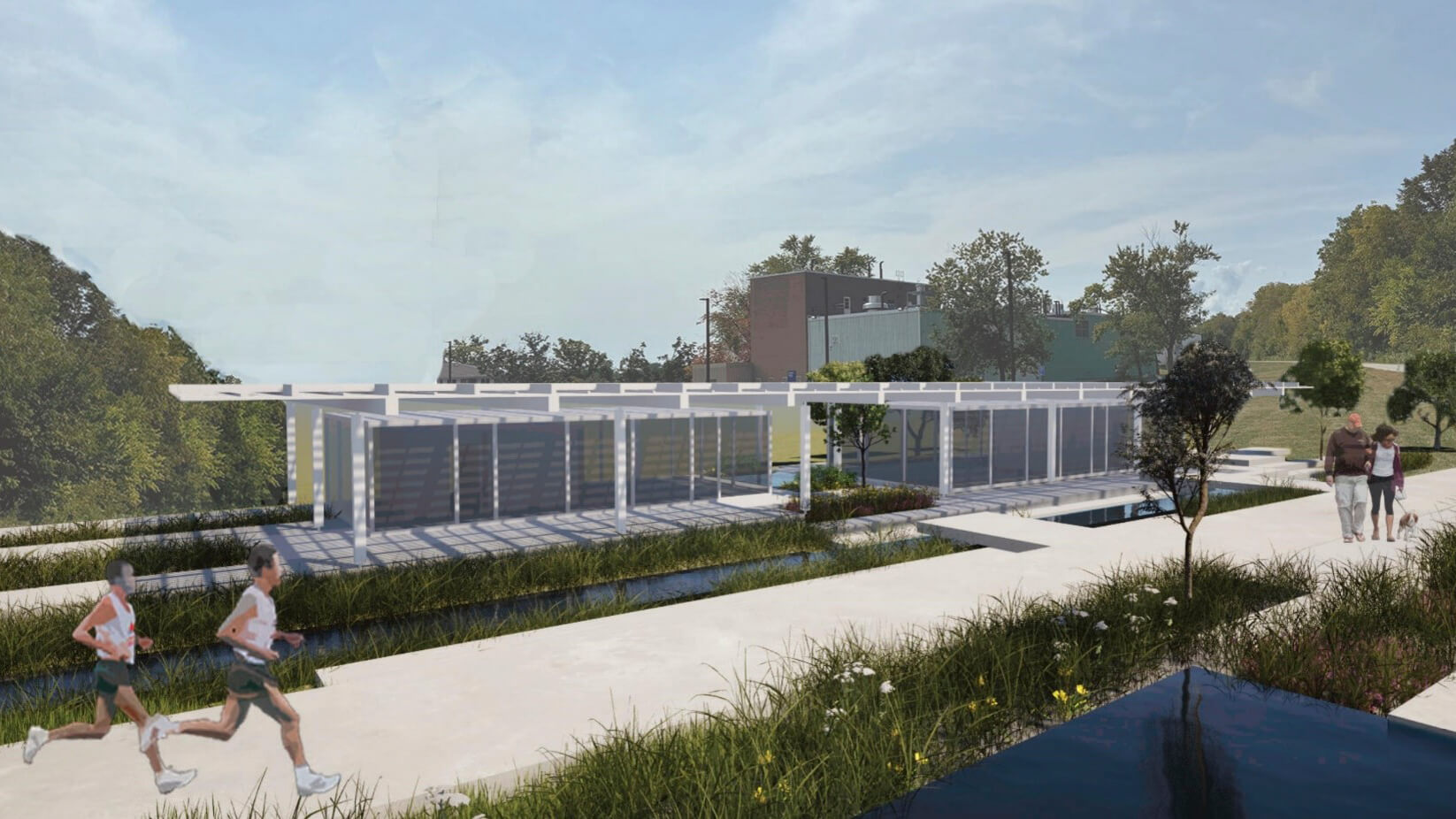
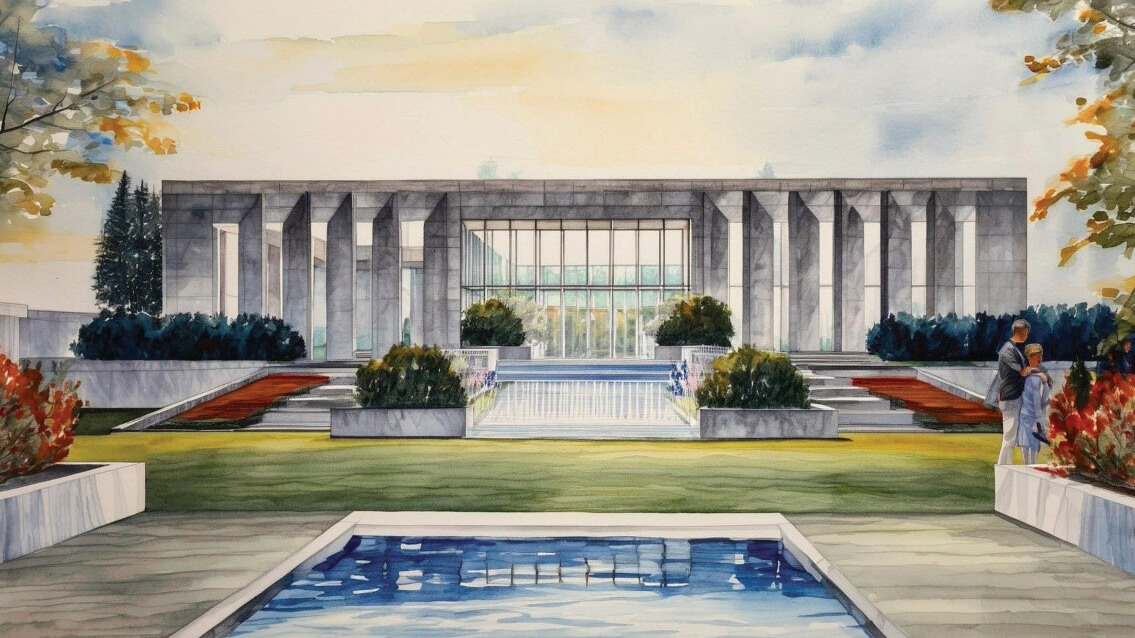
The first is “Space for Community” that asked students to design a pavilion adjacent to the Hank Aaron State Trail. A lot of people bike through the campus without stopping. The pavilion would be an invitation for trail goers to pause and enjoy the landscape, to reflect on its history, and remember those who have served our country.

The studio was about developing students’ capacity to think iteratively and evaluate what works, what doesn’t, and then taking another crack at it until you arrive at the right solution.
Jes Skaug
Senior Project Designer
And the second perspective?
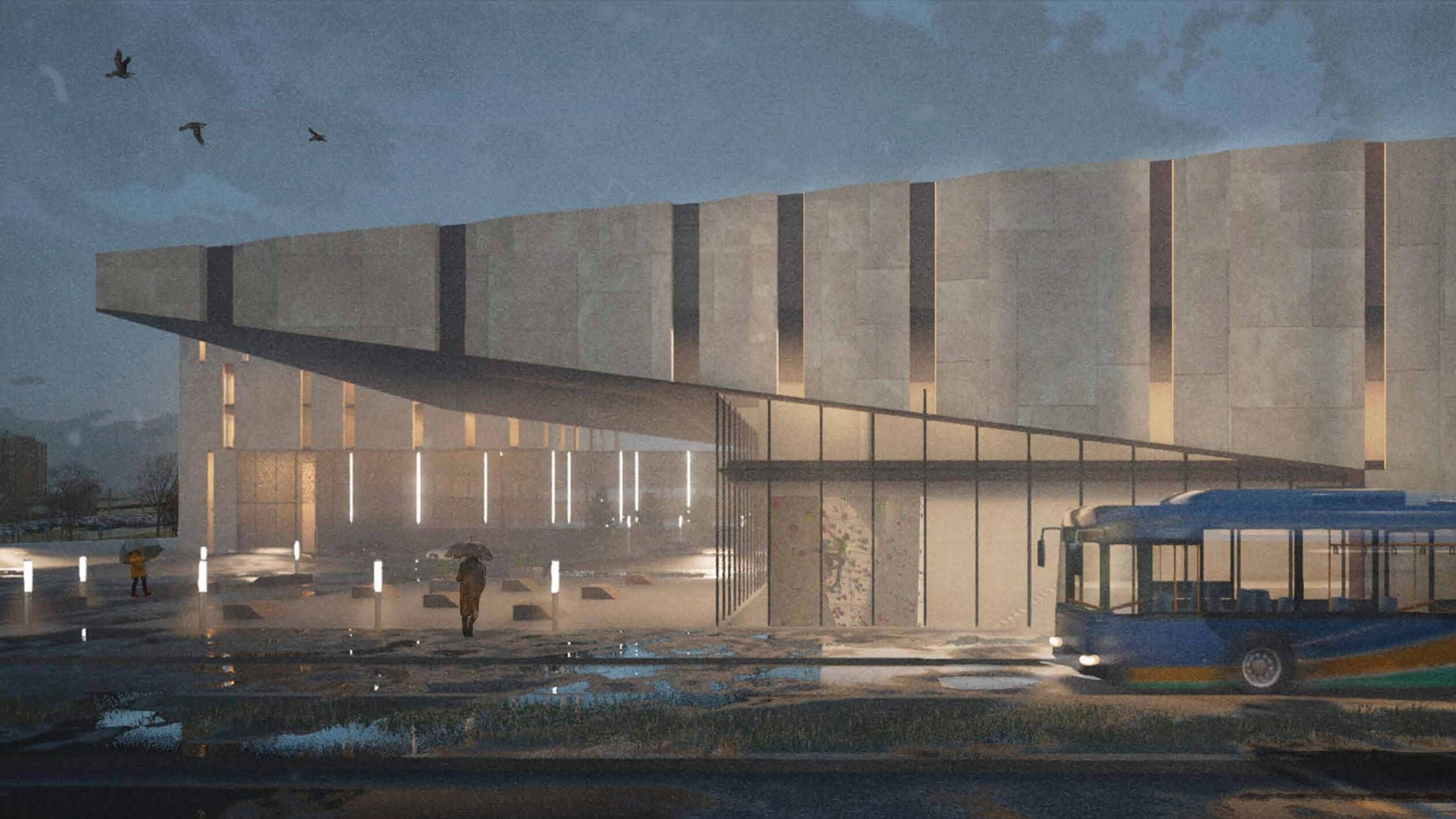
This is “Space for Treating Trauma.” It explored the acute needs facing many veterans. One in 10 suffers from post-traumatic stress disorder and other mental–health struggles. The project envisioned a mixed-use healing and wellness center offering access to therapy and community programs.
And finally, the third perspective?
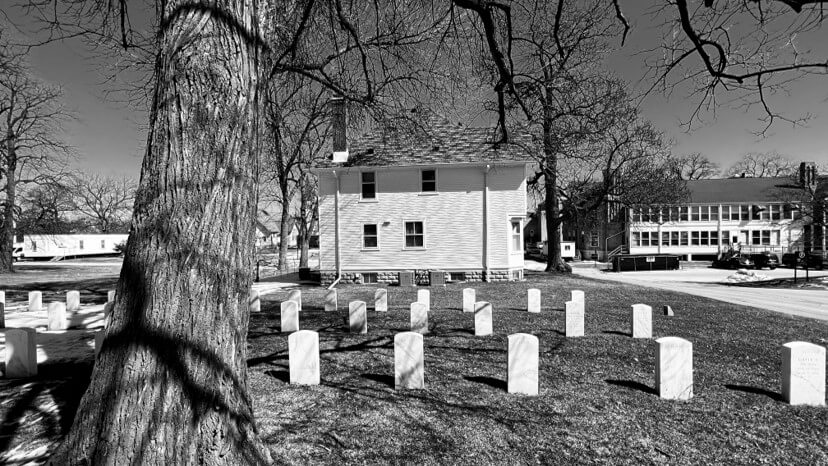
This is a memorial, “Space for Remembrance.” The space investigated the expansion of the Wood National Cemetery and its relationship with I-94. Opened in 1871, the cemetery essentially is “closed” with nearly 40,000 remains. Students explored how to create more space, including designing a columbarium and visitor center that will serve as a threshold between the cemetery and adjacent neighborhood.
What was a typical design session like?
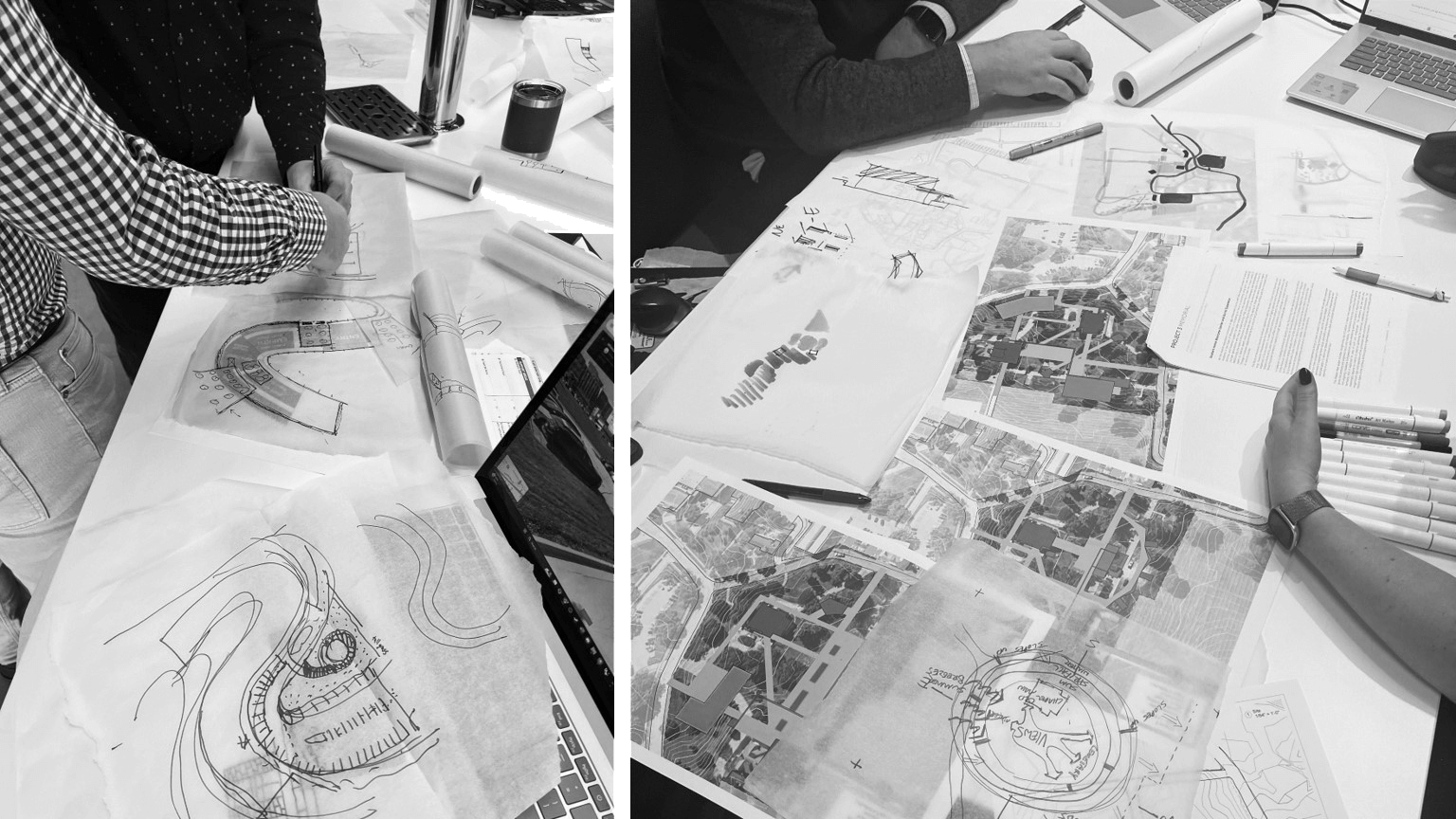
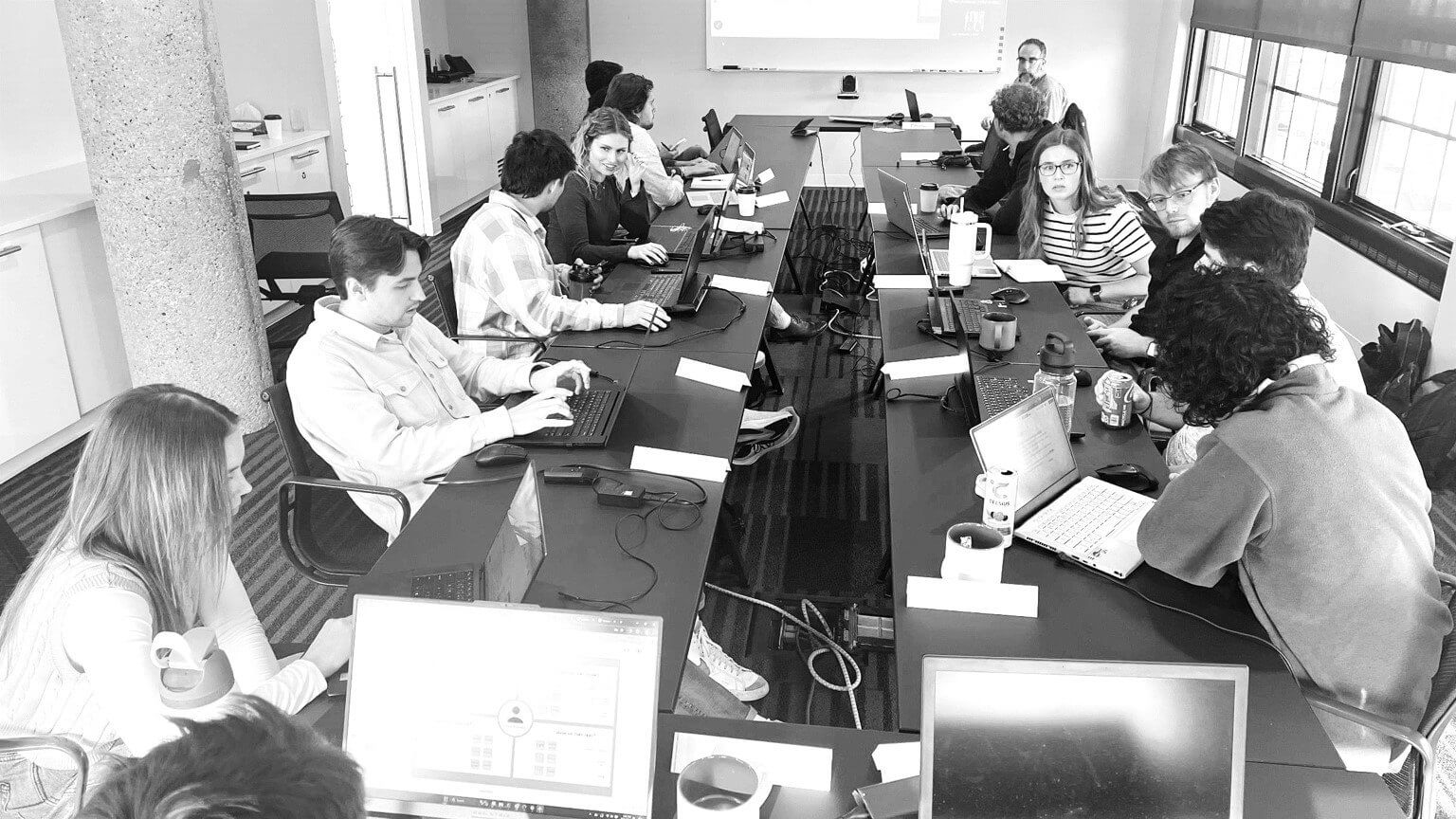
Having students in-house invigorated our office. There were days when we set up workstations and break-out stations throughout the office. More than 30 HGA team members participated in the studio at different times, working side-by-side with students. Several colleagues made presentations through Zoom or video from other offices, introducing students to our breadth of expertise.
What do you hope the students learned?
One of the hardest things about learning to be a designer is thinking like a designer. I don’t mean that egotistically but thinking like a designer is a different way of thinking. It’s nonlinear and you must always have your antennas out for ideas. The studio was about developing students’ capacity to think iteratively and evaluate what works, what doesn’t, and then taking another crack at it until you arrive at the right solution. This requires continuous curiosity. So, I hope that they walked away with a deeper understanding of what it means to be a designer and be curious.
And what did you learn?
I know a lot about what’s going on at HGA, but when you must frame it in a way that’s accessible to students, that’s a whole different story. Creating a curriculum through the dynamic interchange between students and colleagues helped me in my design work. My north star certainly is stronger now, it’s more clarified. And I have a better sense of how to create meaningful work for this company.
Are you up for next semester?
Whether I lead it or someone else, I think it’s beneficial for our office. Young designers are looking for a place to develop professionally, and this was a great way to introduce them to HGA’s culture. Ultimately, it was an exciting experience.
Learn more about our social outreach in our 2024 Impact Report.