
Caste is complicated to define. It’s an ever-shifting system of social rankings where differences determine who’s up and who’s down. The specifics vary by country and culture. But one thing is always the same, according to author Isabel Wilkerson: Caste elevates one group over another based on “ancestry and often immutable traits.”


Origin producer Paul Garnes

HGA Director of Equity Terri Howard
HGA’s staff recently explored the topic of caste—and how it relates to design and the workplace—in a conversation with filmmaker Paul Garnes. The producer of Selma and many other films and television shows, Garnes collaborated with acclaimed director Ava DuVarney on 2023’s Origin, a biographical drama that centers on Wilkerson and her best-selling book Caste: The Origins of Our Discontents.
Staff from across HGA attended the conversation with Garnes, which I had the pleasure of hosting. In fact, the conversation is part of HGA’s ongoing effort to promote diversity, equity, and inclusion across the firm and throughout the design industry.
A few weeks ago, I sat down with Garnes to revisit the topics we explored during our earlier chat. Here are some highlights:
What made you and Ava think Caste could be a good film?
The book contains these epiphany moments about how we interrelate to other people, not only in this country but around the world. Ava read Caste and thought, “Hey, this would make a great movie.” At the time, I think the general idea was that it could be a documentary. But Ava was passionate about making it into a drama. She found a way to add an emotional component.
Is caste just another word for race?
Race is so binary for Americans. Regrettably, it was woven into the origins of our country: You were white or black, free or enslaved. Caste is more insidious because it’s not as defined as race. It’s a system where differences determine your rank in society. Sometimes race is related, but not always.
What’s an example of caste?
Let’s say we’re both college-educated, but you went to an Ivy League school and I didn’t. We both know you’re above me in the caste system. But if we attended the same school and my parents and grandparents were college-educated but you’re first-generation, now I’m a step above you. Caste is this artificial order of hierarchy. It’s a construct. But we all seem to recognize who’s up and who’s down, even if you try to resist.
You’re saying it’s a challenge to step outside the caste system, even if you think you want to treat everyone equally….
Yes. Caste is woven into the social fabric, not unlike racism. My mother, for example, taught me to believe that race didn’t matter. Skin color shouldn’t make a difference in society. But she grew up in an era where interracial marriage was not just taboo, it was illegal in many states, and when I began dating a girl outside my race in high school, I remember my mother saying, “That’s not serious, right?” She didn’t want race to be an issue. She thought she was open-minded. But we feel the pressure of the social order: Stay in the box. Let’s not get too far out of the box. That’s how caste works.
How does caste play out in the workplace?
Caste shapes our ideas about who does what jobs. One aspect of Origin focuses on Dalits, a class of people in India formerly regarded as “untouchables.” Historically, they were given the dirtiest jobs in society. They still get them to this day, because that’s what their grandfathers and great-grandfathers did. If nothing changes, their sons and their sons’ sons will be doing it too. We grow to believe there are careers that only certain types of people can do.
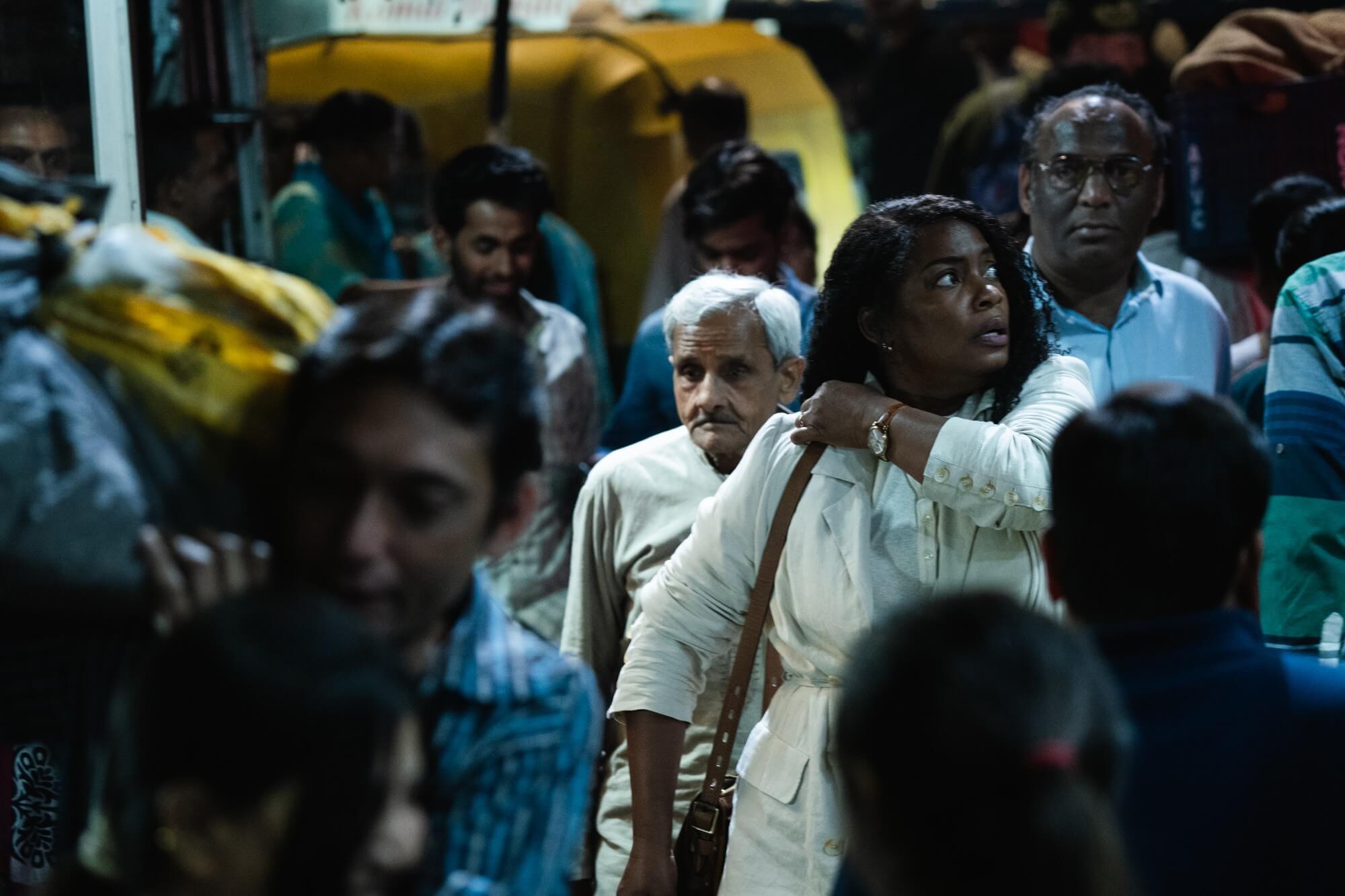
In Origin, writer Isabel Wilkerson (played by Aunjanue Ellis-Taylor) travels to India to research the concept of caste.
True. I don’t have a background in architecture, and when I applied to work at HGA, I realized I couldn’t name a single black architect. I thought, “Why is my only frame of reference for an architect Mike Brady from The Brady Bunch?” Growing up, I had no one to point to that looked like me that I could say, “Oh, I would like to be an architect like her.”
The myth that a black woman can’t be an architect becomes a fact, perpetuated by caste. It continues forward, especially in architecture where people of color just aren’t as prevalent. We build a world where that’s true.
How does the built environment reflect caste?
The standard heating and cooling temperatures in most buildings are determined by research that was done in the 1960s, when offices were dominated by men. That’s one example of how caste shapes design. Government buildings in America tend to be modeled on European styles, which suggests that whiteness and authority go together. The style of a building can look welcoming or intimidating, depending on how its design reflects ideas about caste.
What do you hope people take away from the film?
Awareness. You don’t realize how many of the -isims that we deal with every day are caused by our beliefs about caste. It gets in the way. It’s my team against your team. If we could strip things down to the core, we’d see our common humanity. It’s a level playing field. We all have hopes and dreams, pains and joys. ∎
Origin is available on Amazon and other streaming services.
About the Author
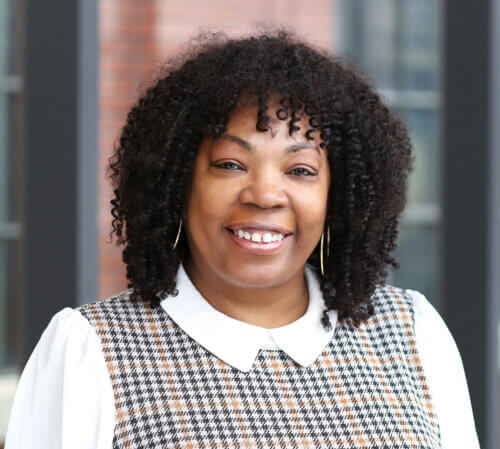 As Director of Equity, Terri serves as a thought leader helping to drive equity initiatives, develop hands-on programming, organize firmwide resources, and build external partnerships that position HGA as an industry model in workplace equity, recruitment and retention, and client relations.