
The landscape of health education is changing rapidly. Faculty, practitioners, and instructors grapple daily with new technologies, new pedagogies, and emerging health challenges (think COVID-19). Pivoting has become the new normal.
At HGA, we believe it’s our obligation to create spaces that help healthcare and health education clients anticipate change. Forward-thinking design can prepare them for the future, reducing upheaval and uncertainty.

Forecasting the future is often fraught. It rests on the ability to read the trajectory of current trends, to engage healthcare leaders who are looking down the road, and to ground ideas in analysis and research.
To understand the future of health education, HGA’s healthcare and education specialists partnered with our Design Insight Group—a team dedicated to research and strategic insights—to explore the field’s most pressing challenges. Our investigation yielded five key themes we believe are central to designing programs that catalyze change and advance innovation.

Rethink Where Health Ed Happens

Foster Equitable Access

Rebrand the Profession of Caregiving

Empower Adaptability with Design

Elevate Empathy in the Profession
 Rethink Where Health Ed Happens
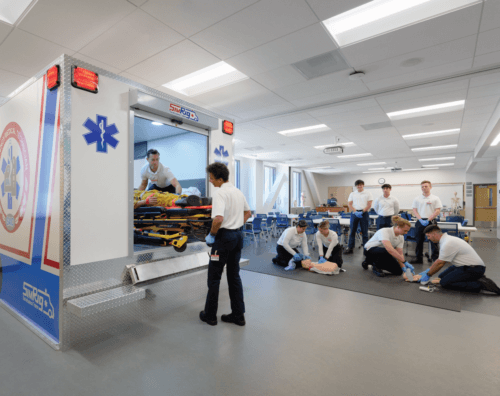
The shortage of community-based healthcare professionals suggests a need to rethink where health education happens. How can we keep learners rooted in the communities they care about as they grow in a healthcare profession? We encourage innovative, community-based approaches enabled by online and hybrid learning. Consider adding health-education spaces to office buildings in rural areas, or bringing opportunities to practitioners outside metro regions with mobile simulation spaces—health education on wheels.
 Foster Equitable Access
Fostering equitable access in health education is essential. This means addressing deep, systemic issues within healthcare systems, including discrimination, barriers to care, and unequal allocation of resources. In addition to recruiting from underserved populations and developing pathways for a more diverse generation of healthcare professionals, we must expand inclusive educational opportunities. This approach moves us toward a future where patients encounter caregivers who empathize with their communities and where healthcare better serves all.
Keep reading: Improving Health Education in Rural Areas ›

 Rebrand the Profession of Caregiving
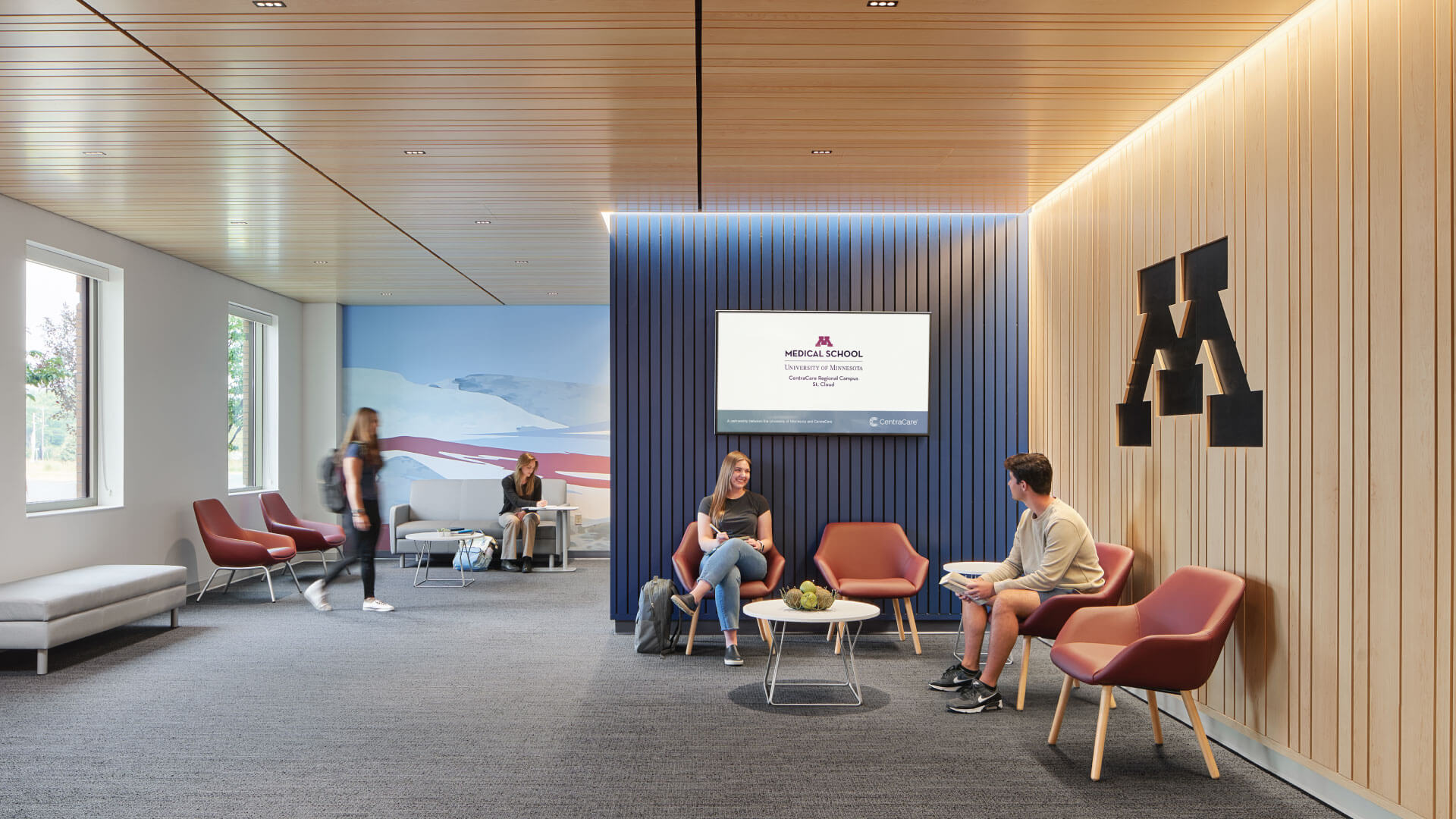
Caregiving needs a brand refresh. Post-pandemic, caregivers are worn down, and the profession can look grueling from the outside. Recognizing nursing and other forms of caregiving as skilled, strategic, and central to healthcare will make these careers more attractive to students and job seekers—and can reinvigorate professionals currently in the field. We have a unique opportunity to contribute by shaping educational environments that challenge outdated stereotypes, elevate teaching and learning through integrated technology, and create inclusive spaces where everyone feels welcome. Addressing burnout is crucial, too; design can play a critical role by providing spaces for respite that incorporate biophilic features.
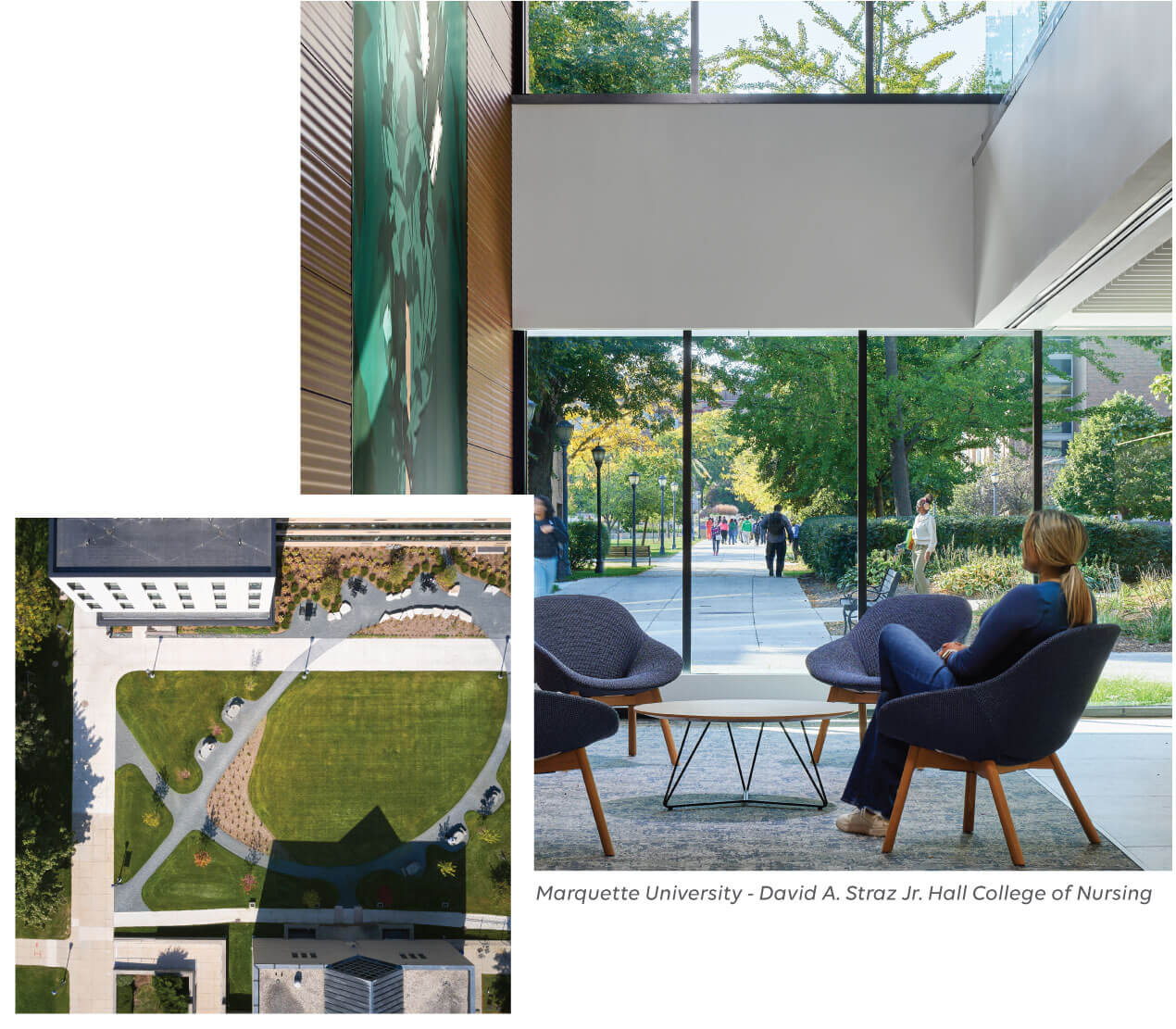
 Empower Adaptability with Design
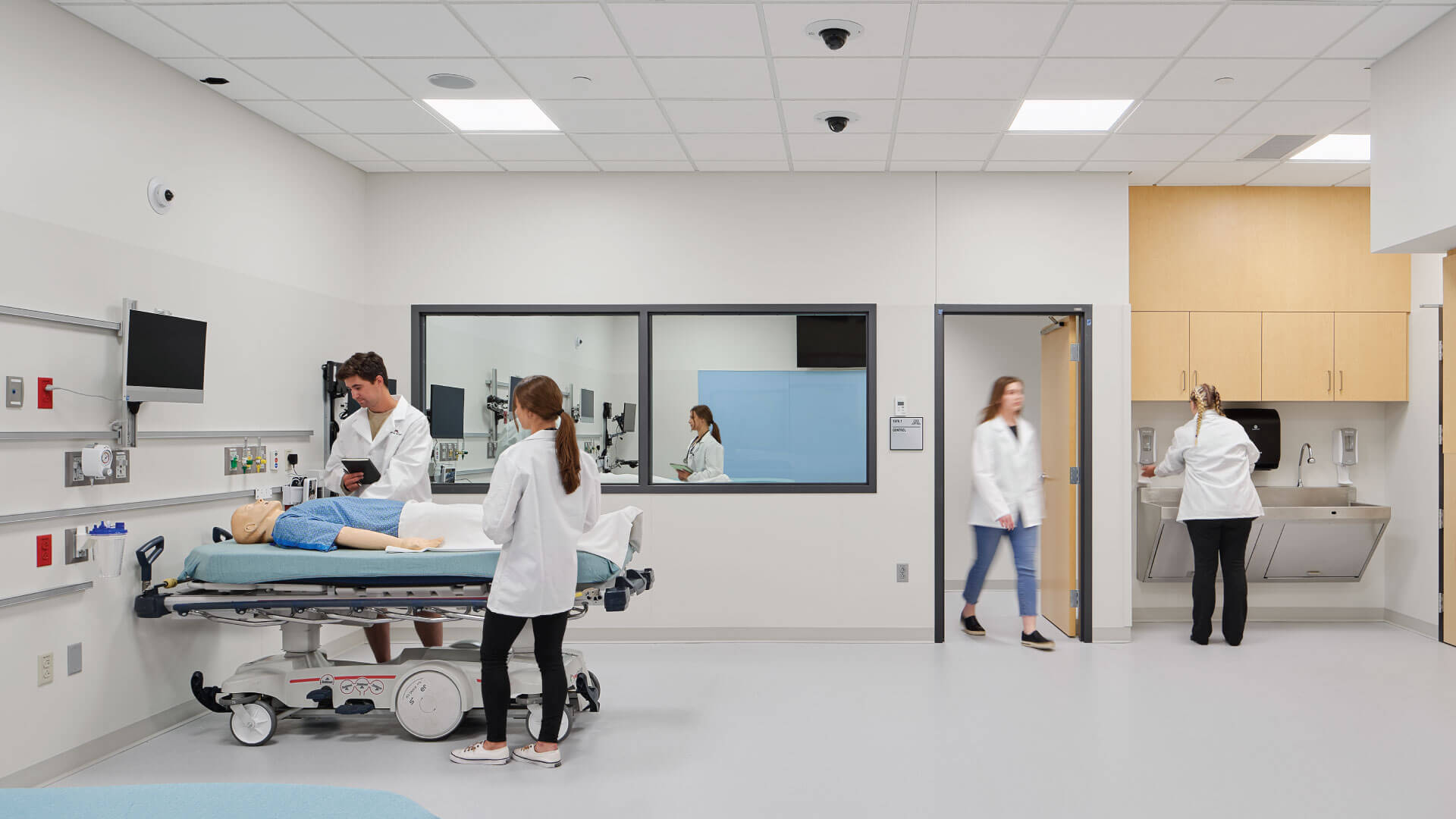
As health education evolves in response to rapid shifts in technology, clinical expectations, and care-delivery models, institutions are increasingly reimagining the spaces where students learn. But what is the right design solution? How can programs overlap to maximize usage? How much flexibility is necessary? HGA helps clients make informed decisions about how to scale their programs amid fluctuating demands. This includes designing adaptable footprints that support team-based, interprofessional projects of varying sizes and that nurture innovation in caregiving and education.
Keep reading: Designing Future-Ready Simulation Spaces for Health Education ›

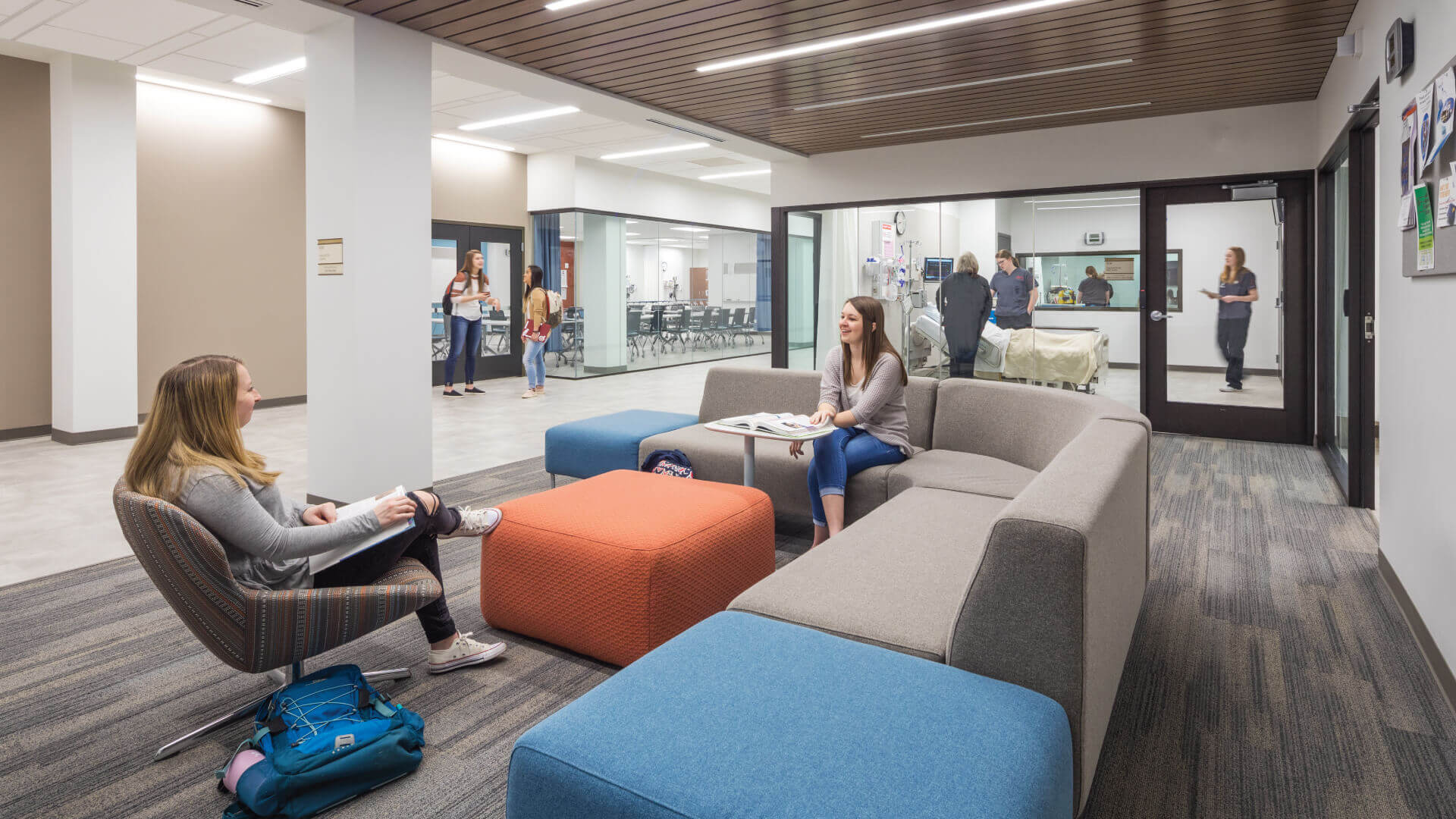
Northwestern College – Natural and Health Sciences Building
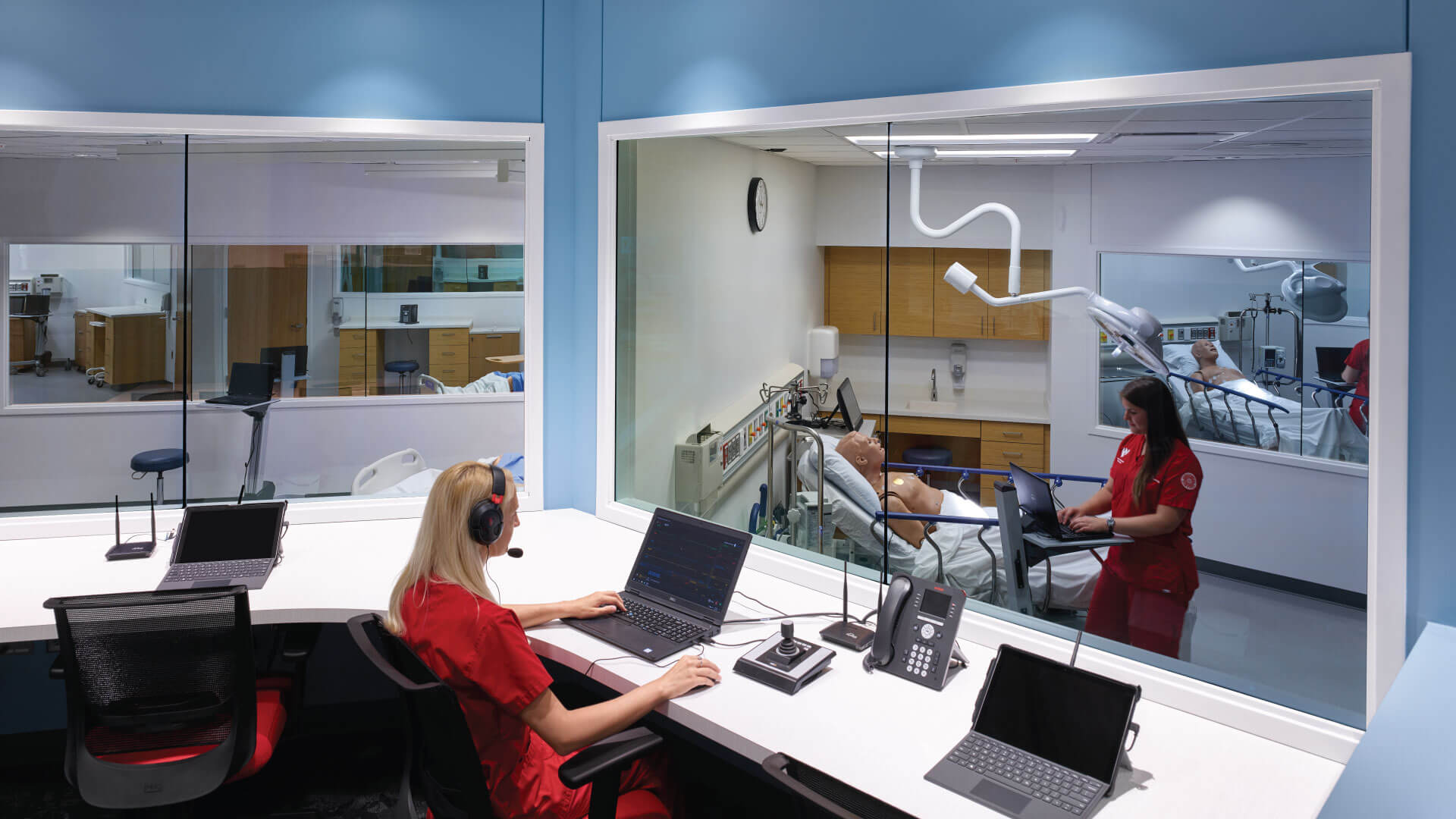
University of Nebraska-Lincoln – Health Center and School of Nursing
 Elevate Empathy in the Profession
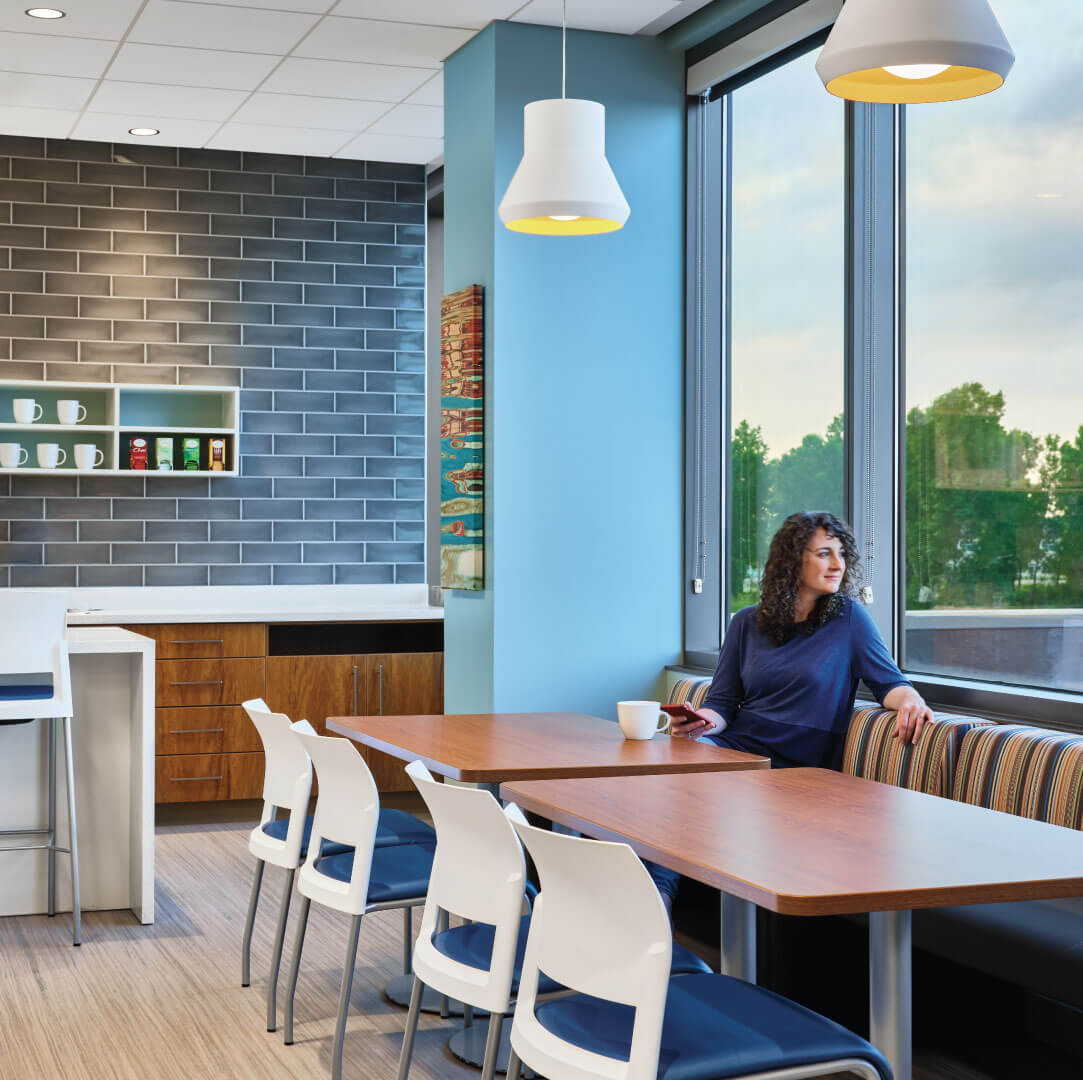
Technology plays a huge role in today’s healthcare, but it cannot replace human connection. Care is at the core of caregiving—the ability to empathize is perhaps the chief requirement for becoming a caregiver. Design can help cultivate empathy—for patients, for peers, and across the profession. Well-designed health education and healthcare spaces include small rooms where colleagues can speak in private, and larger areas where families and groups can gather, fostering social cohesion and empathy. ∎

The future of health education will be defined by adaptability, equity, and empathy—and learning spaces must evolve accordingly. See how we design for what’s next.
About the Authors

Joe Lilly
Joe Lilly is a senior health education planner at HGA with over a decade of experience in architectural planning, programming, and design for public and private universities, academic medical centers, and healthcare institutions. He brings specialized expertise in simulation environments and is known for his collaborative, interdisciplinary approach.

Rebecca Kleinbaum Sanders
Rebecca is a national leader in healthcare architecture, planning and design. Her work with academic medical centers puts her at the forefront of redefining healthcare, linking clinical environments and academic settings.

Terri Zborowsky
As an Evidence-based Design Researcher, Terri focuses on the intersection of user experience and human interaction within the built environment. Beginning her career as a registered nurse, she then obtained a PhD and master’s degree in interior design.