
In Conversation: Glenn Waguespack and Karl Huemiller on the Vision for the New Wood Lake Nature Center
Wood Lake Nature Center in Richfield, Minnesota, is a regional hub for environmental education and outdoor exploration. Located on a 150-acre park, the Nature Center features exhibits and community spaces, several wildlife viewing areas, an amphitheater, a picnic ground, three miles of trail and boardwalks, and adjacent wetlands and other ecological features.
True to its mission, the Nature Center provides a holistic visitor experience to support and protect native habitats while providing additional educational offerings and community space. Yet the Nature Center, built in 1971, is squeezed for space as it welcomes nearly 72,000 visitors annually.

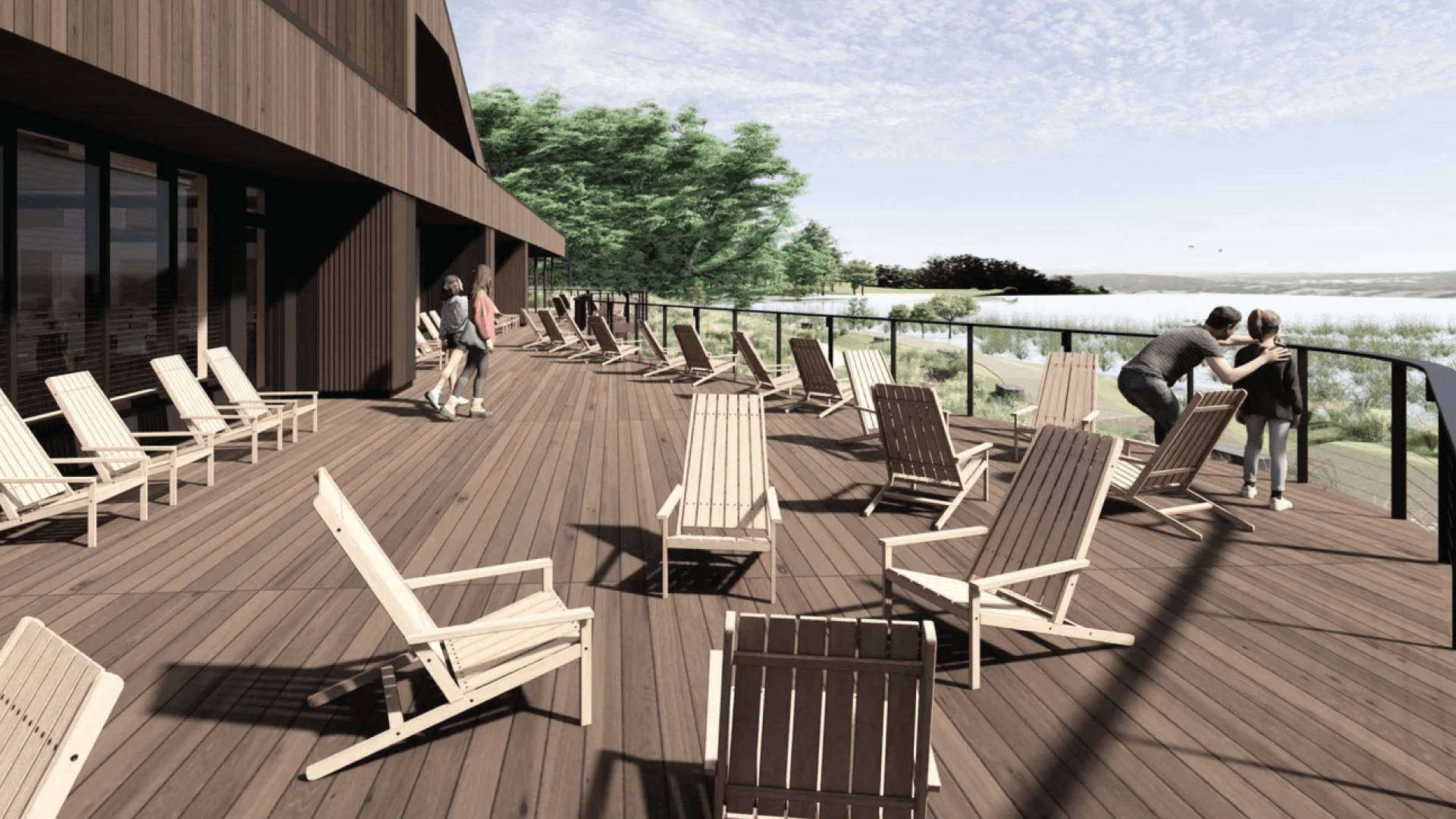
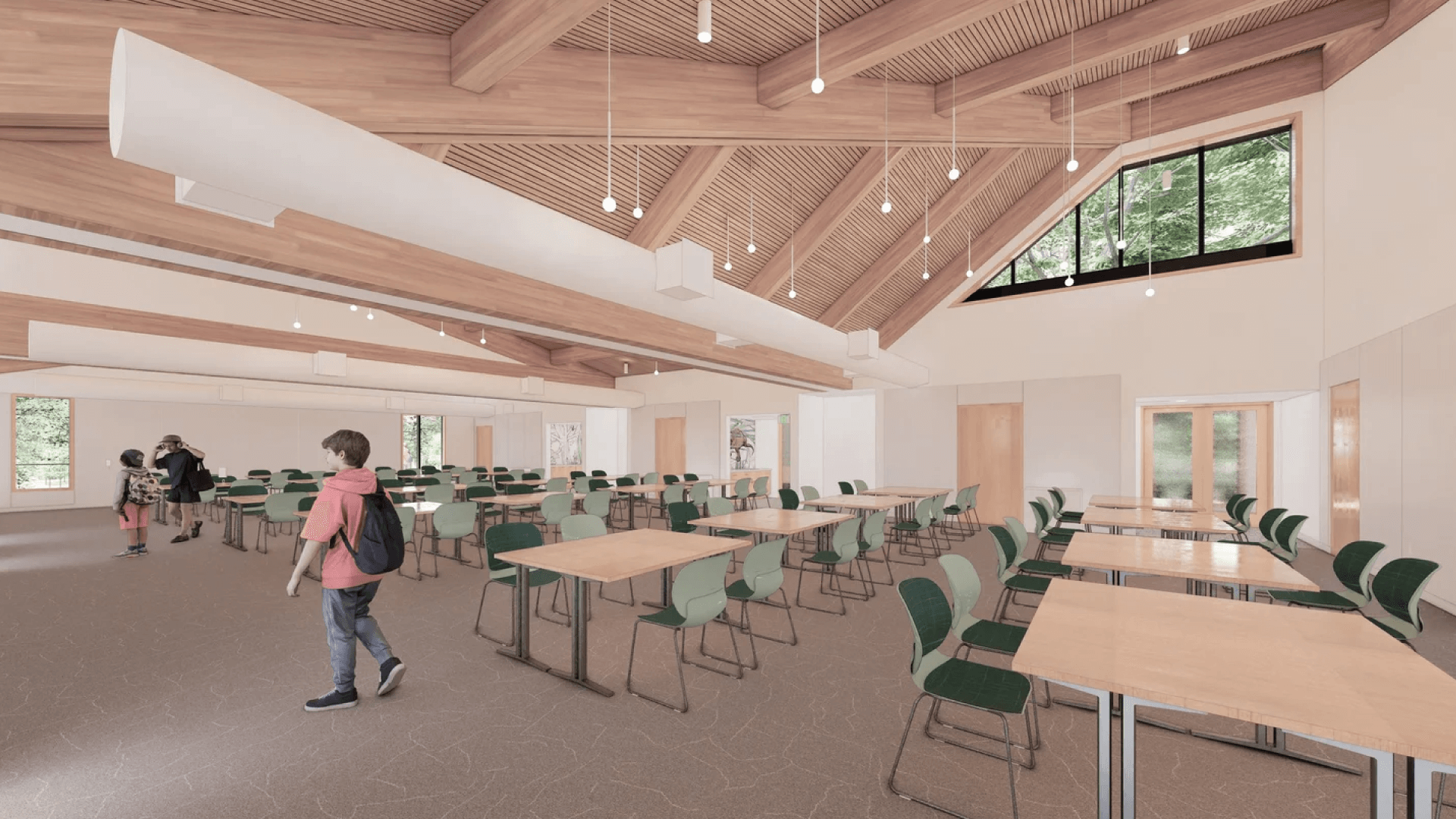
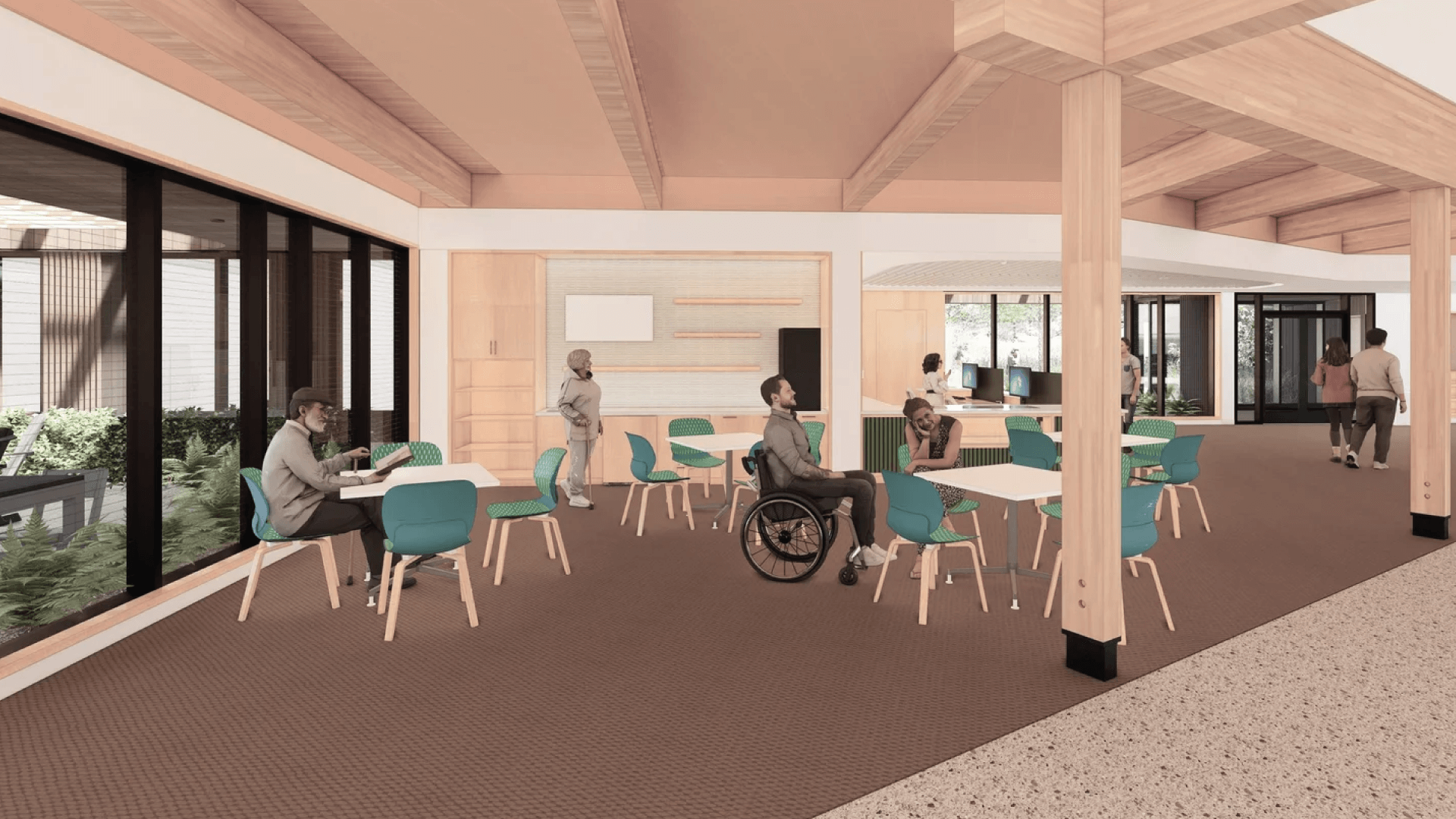
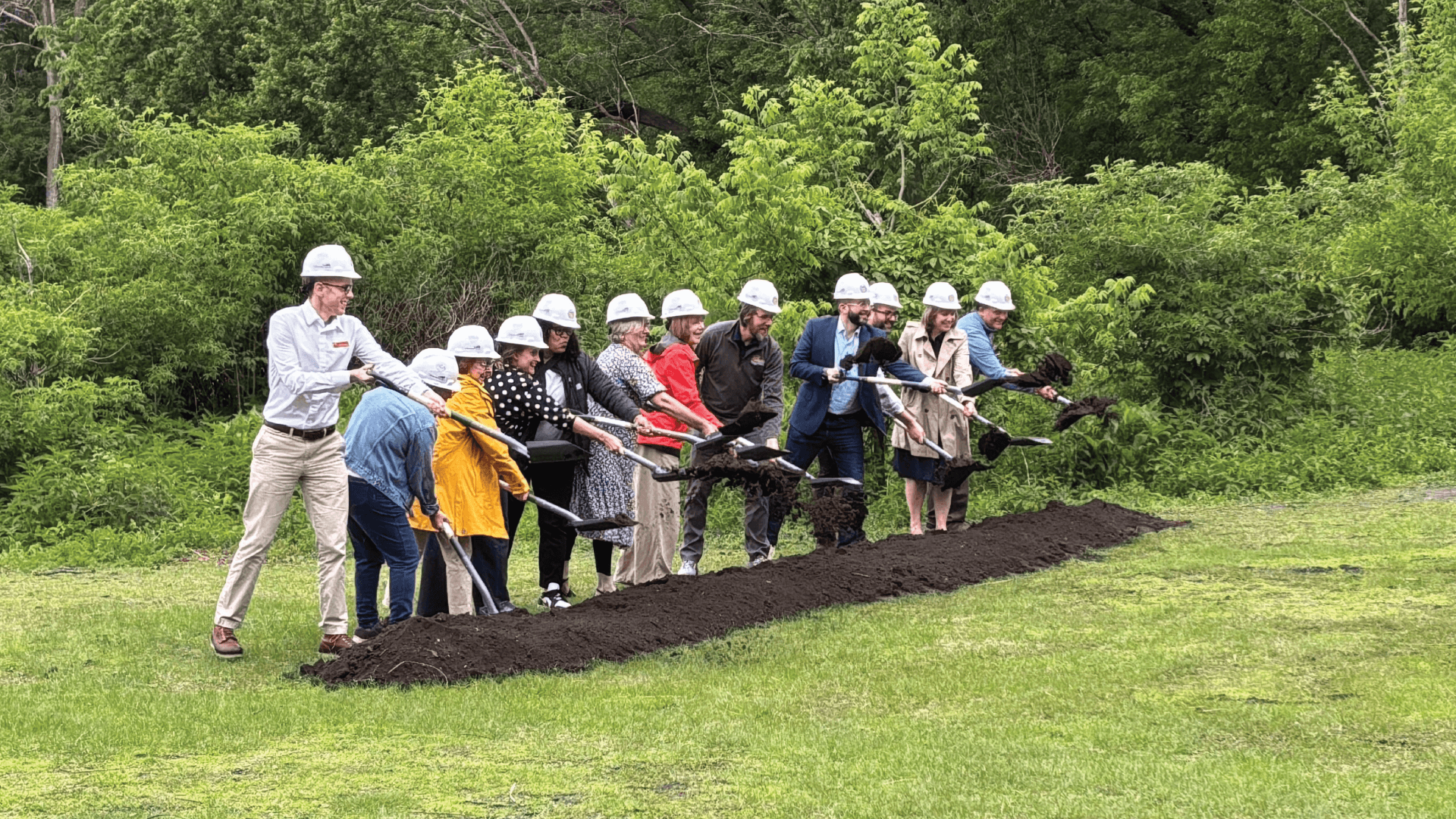
To meet its long-term mission for the diverse community, the City of Richfield just broke ground on a new energy-efficient Nature Center to replace the original with expanded educational resources, exhibits, and nature viewing spaces, in partnership with HGA and Mortenson Construction for fall 2026 completion.
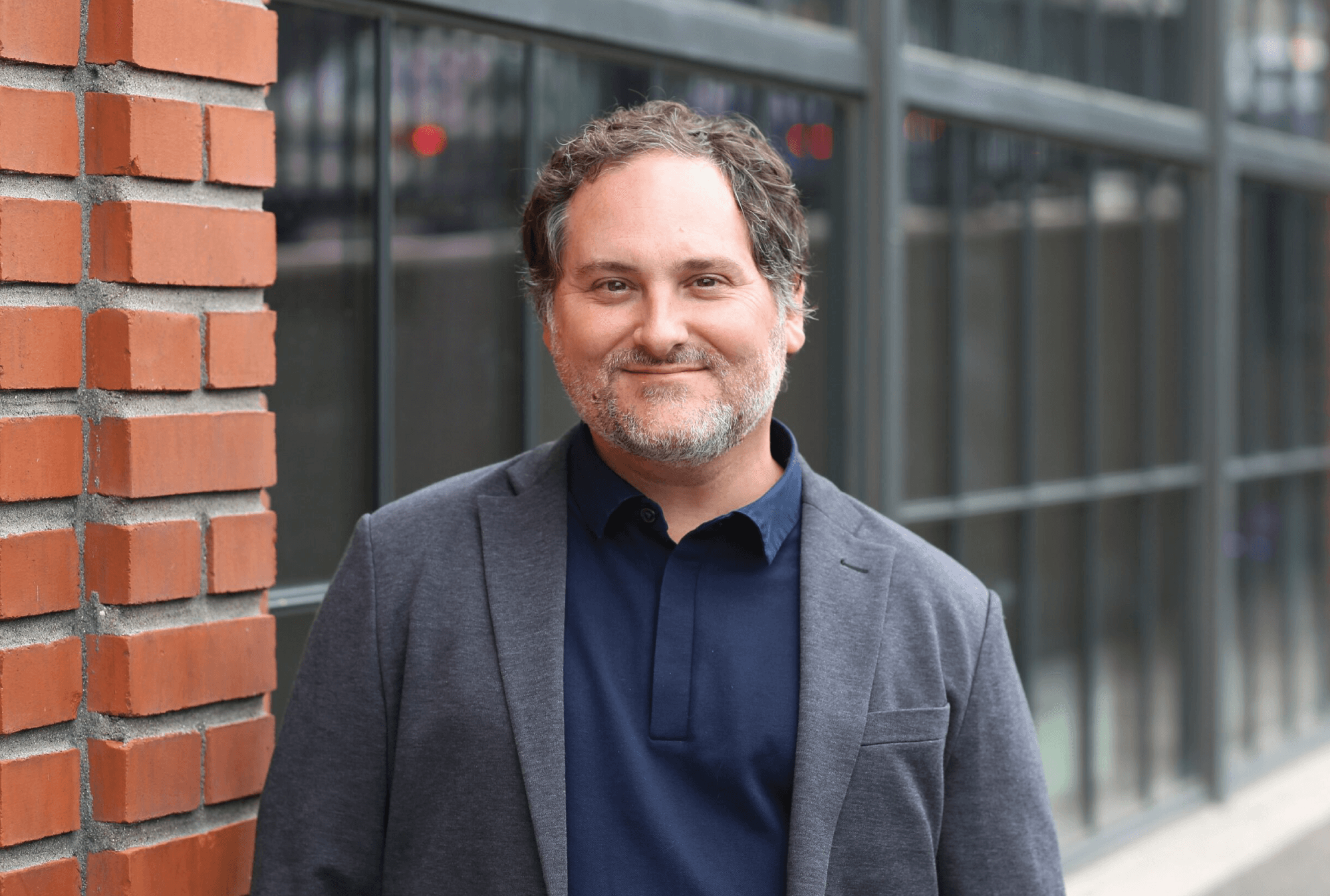
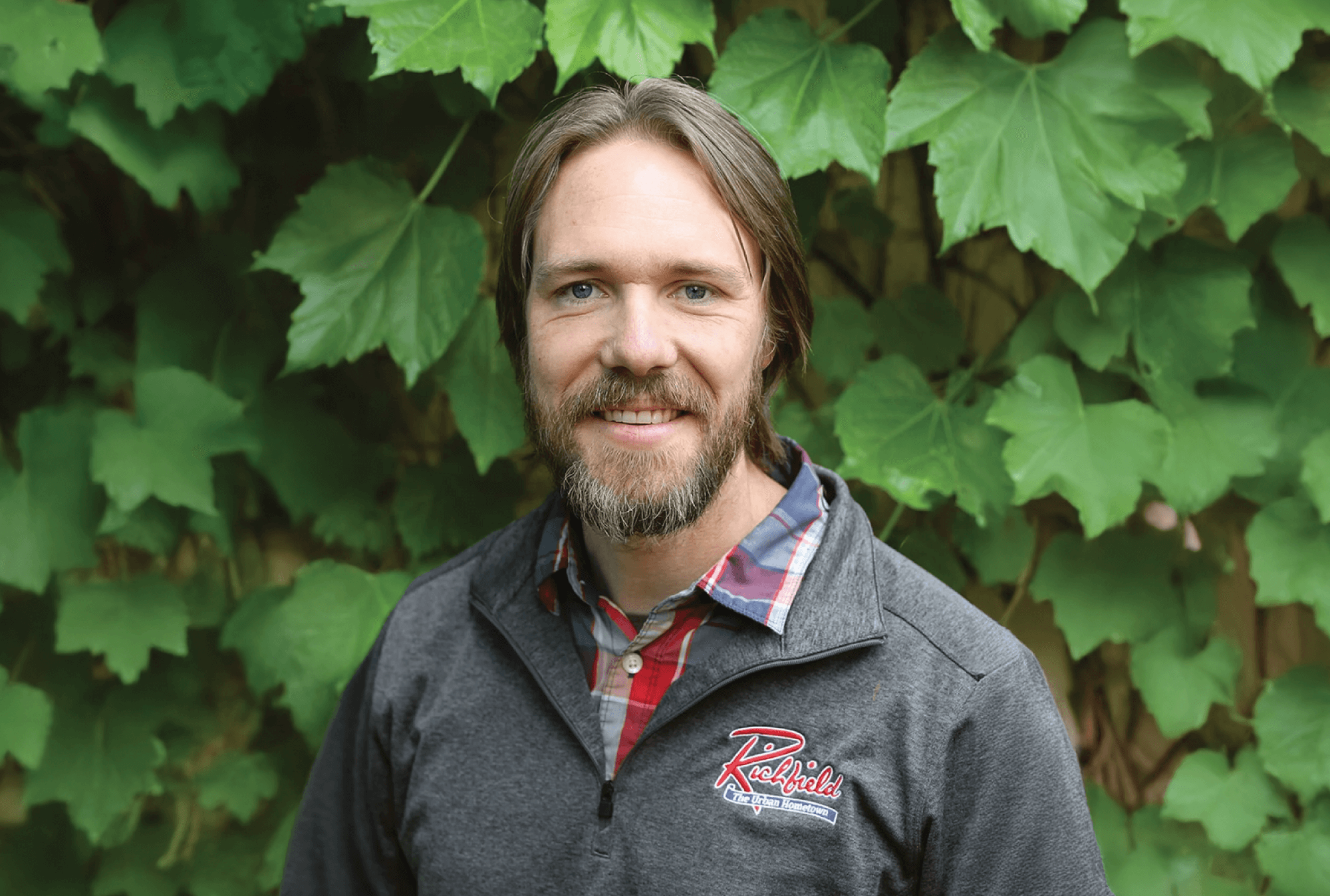
In the following, Glenn Waguespack, AIA, HGA Design Principal, and Karl Huemiller, Recreation Services Director with the City of Richfield, discuss their vision for the Nature Center as a community destination for environmental discovery, engagement, inclusion—and fun.
You just broke ground on an expanded building. What is the City of Richfield’s vision for the Nature Center?
Karl Huemiller: Wood Lake Nature Center initially came out of an era of growing environmental awareness in the 1960s and early 1970s. The City of Richfield, a first-ring suburb of Minneapolis, recognized that urban development was rapidly expanding and could eventually swallow up the existing lake and surrounding land on what is the current site. The city leaders at the time decided to designate the land as a nature preserve and built the nature center and trails. Since then, its popularity has steadily increased—to the point where the space doesn’t fit the growing programming.
Glenn Waguespack: Much of the environmental awareness from that era has had a big impact on how we think about parks and nature and land preservation today—and continues to grow in importance. Richfield was at the forefront then and still is with its vision for the new facility.
Tell us how architecture, sustainability, and nature intersect with the new building.
Glenn: Those are the ideals. When we did the initial pre-design to identify programming needs and site feasibility, we knew we were going to follow the Minnesota B3 Guidelines and the AIA Framework for Design Excellence. To be honest, a focus on sustainability is a natural course for nature centers to practice what they preach. With the City of Richfield, it was just part and parcel of a project dedicated to educating people about the environment. But to get there, we approached the design holistically to understand how it impacts the community, user experiences, site ecology, and urban context. It was about thinking through the big picture—exploring it from all perspectives.
Karl: To Glenn’s point, one of the goals was to maximize the amount of people who would visit the site by having an engagement process to spread the word, get people’s feedback, and learn what’s important to them. A lot of programming came directly from the community.

Tell us about the community engagement process.
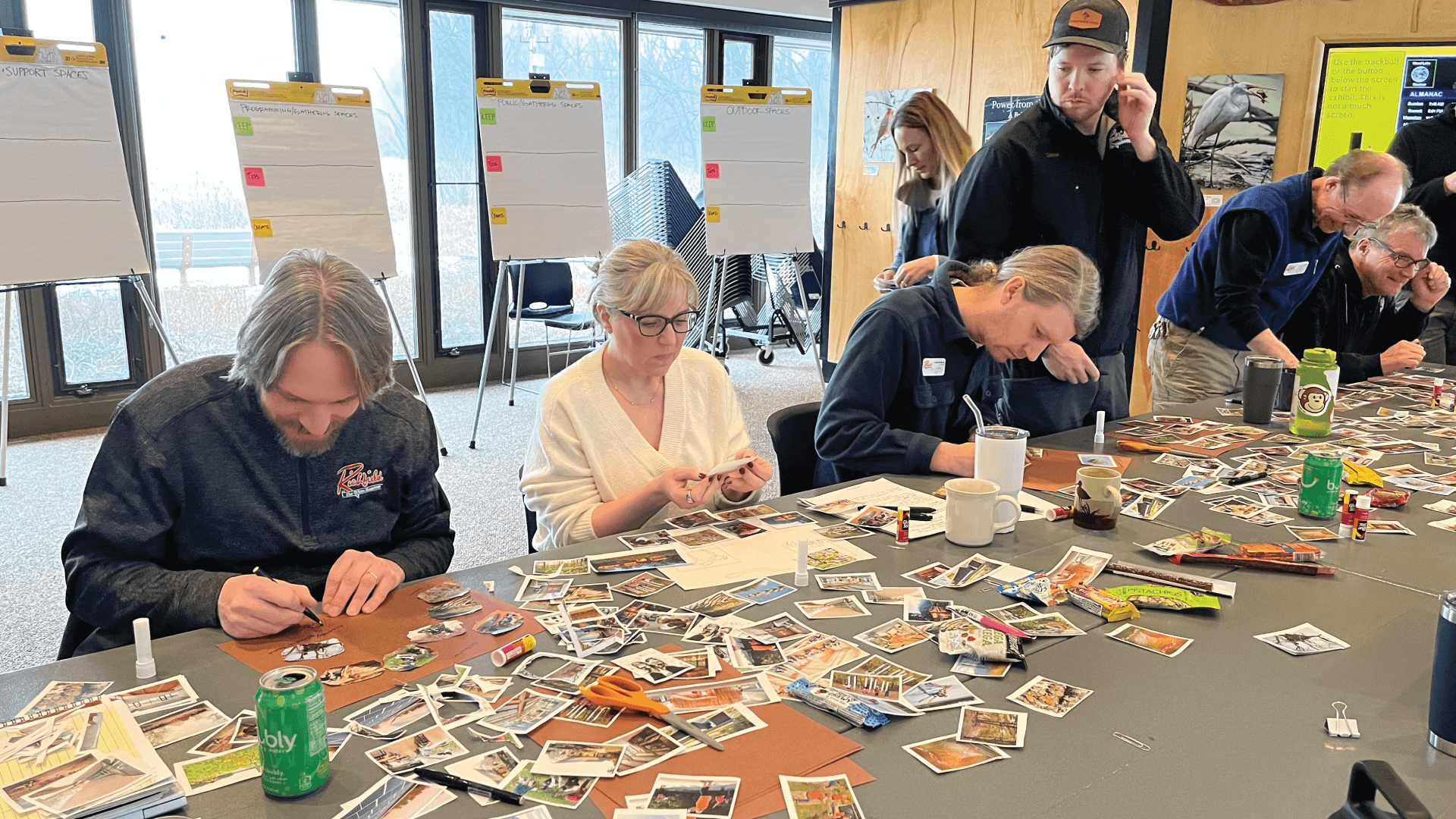
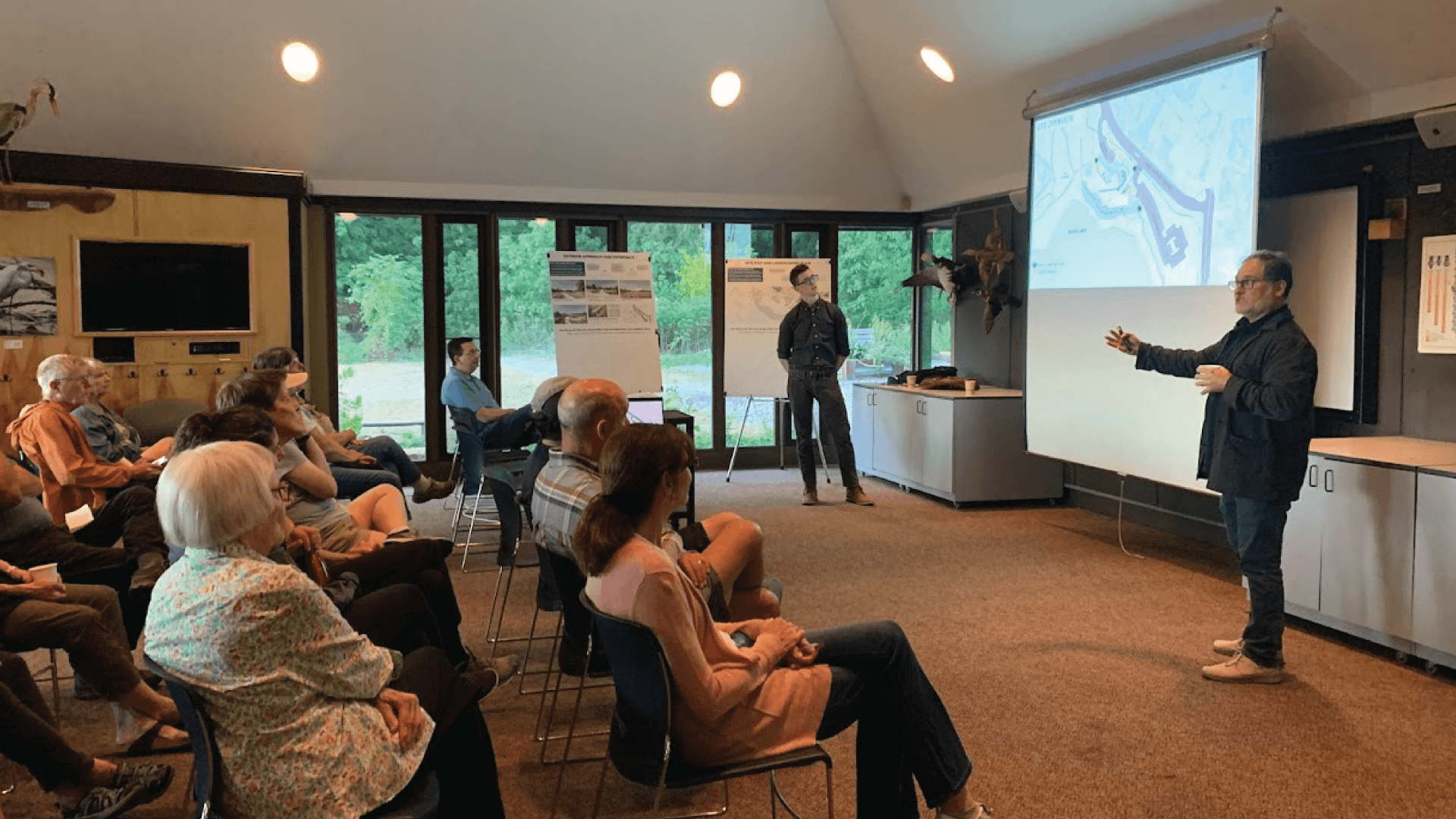
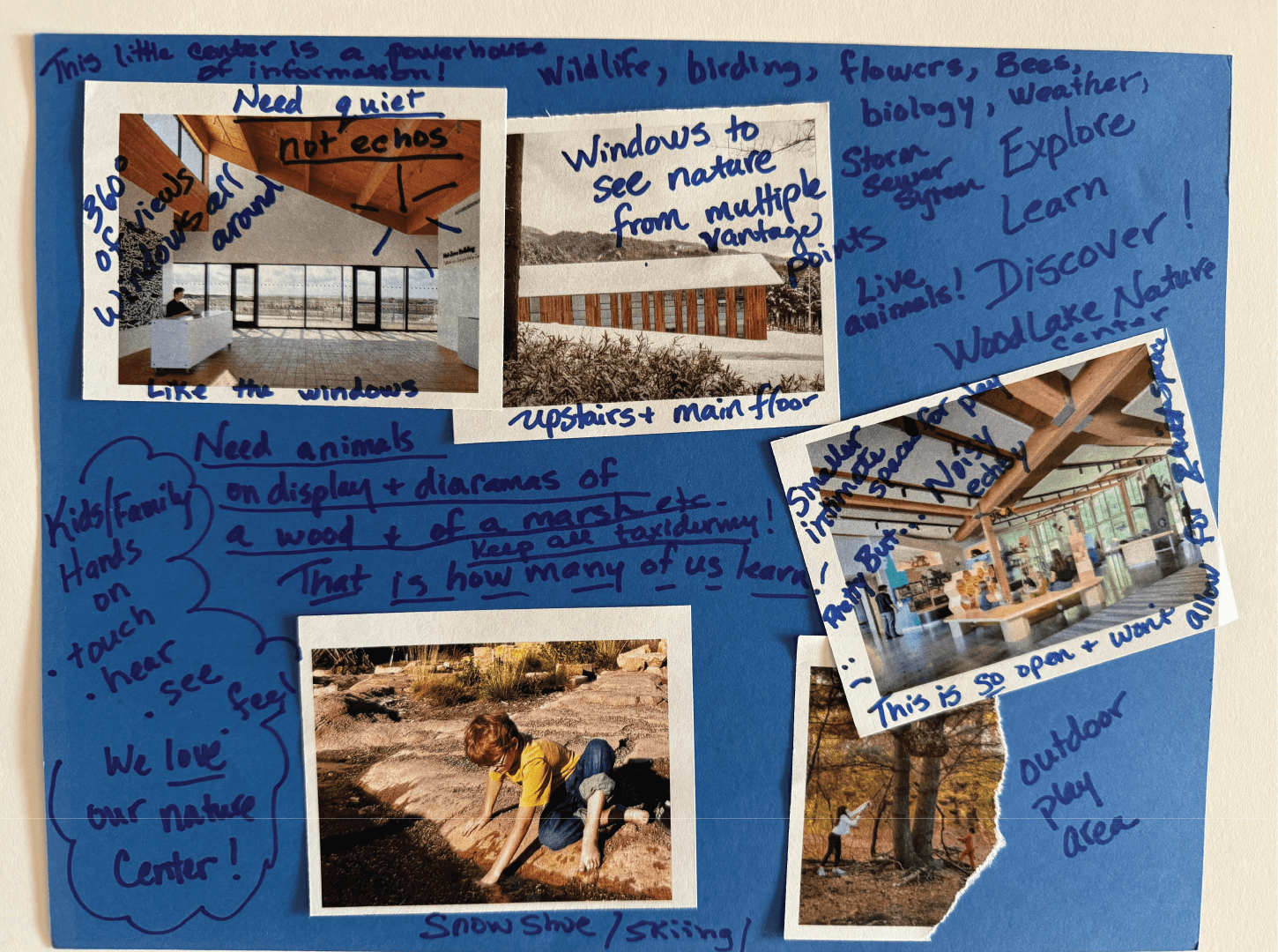
Karl: We conducted multiple community open houses to ask, ‘What do you want to see? What do you like about the current nature center? What don’t you like about it? What do you want to see in the future?’ We distributed a survey through social media, our email lists, and even posted signs around town to get people to respond. We also reached out to individual nonprofit organizations, including MIRA Resources to gather input from the Latino and immigrant communities. And we met with teachers to learn what they needed when they brought school groups to the site.
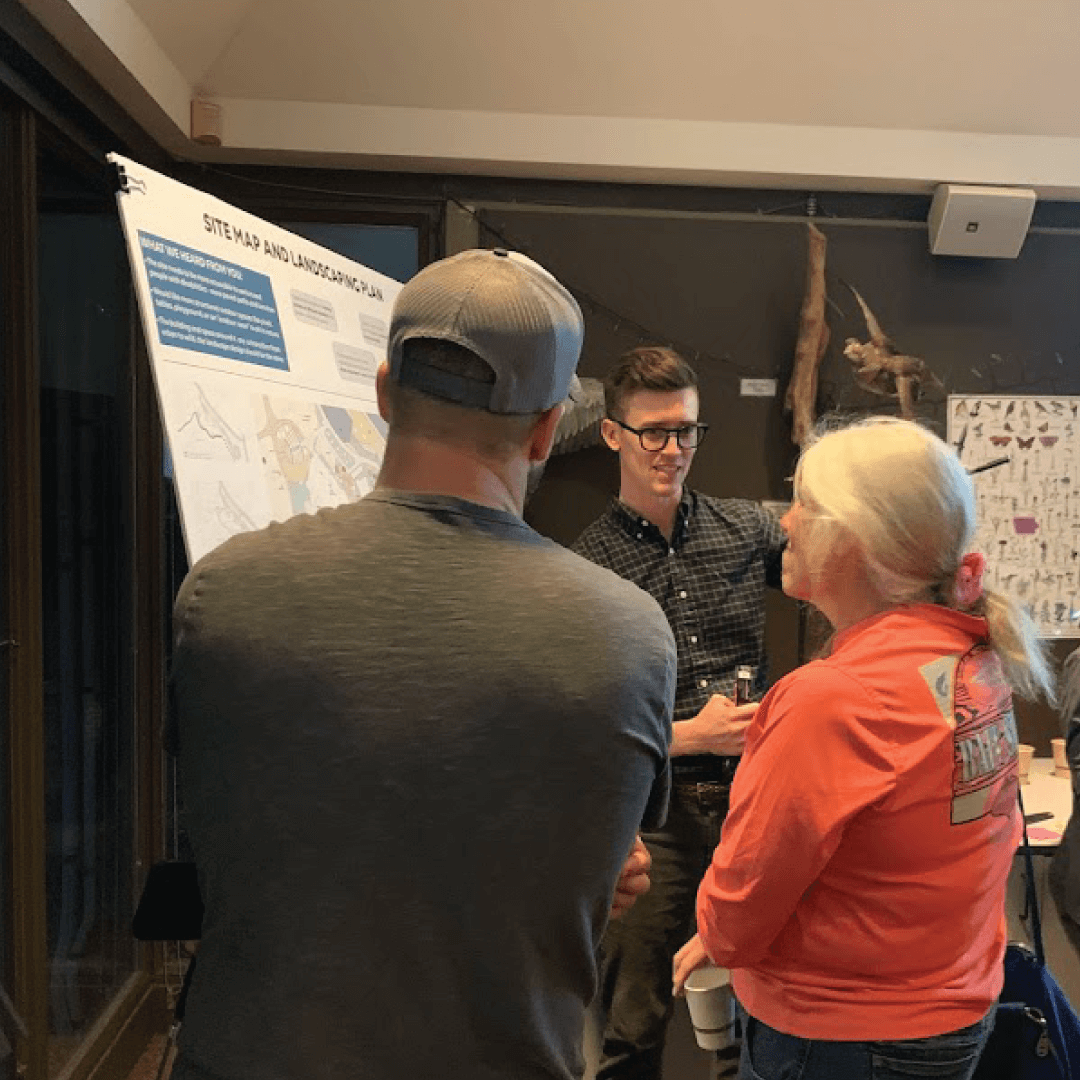
Glenn: The community engagement Karl described gave us a better understanding of how to approach the design concepts, what was important, and what resonated with people. Then we had a big open house where we got even more feedback on the initial design iterations.

What was the feedback when you presented the design concepts?
Karl: When Glenn and Andrew Holmgren unveiled the design at the open house, everyone applauded. People were really positive about the design. Yes, the old nature center was much beloved. They talked about all the memorable experiences they had in that building, reminiscing about birthdays and weddings and life events and just gathering with friends. But they appreciated how the new design honored the past while providing even more opportunities for community gatherings. The applause reflected their enthusiasm.
Glenn: That kind of response doesn’t happen every time, and it’s nice when it does! Karl mentioned that some folks go there to meet with friends. I even brought my kids there when they were little. I still meet with my daughter there, who’s now grown, to have a little dad and daughter time. It’s a place where good things happen.
From that personal viewpoint, is there something for everyone?
Glenn: We want to provide a sense of belonging for all visitors. There are all sorts of opportunities that we’ve created in and around the building for people to experience nature, socialize, and learn in an inviting atmosphere.
Karl: We get a wide cross-section of visitors. One of the most frequent visitors is seniors living across the road. We have school groups—elementary schools, middle schools, high schools. And we have a lot of young families who come to be in nature with their children. The new Nature Center will be a real focal point within the community—and regionally beyond.
Will the architecture itself be part of the visitor experience?
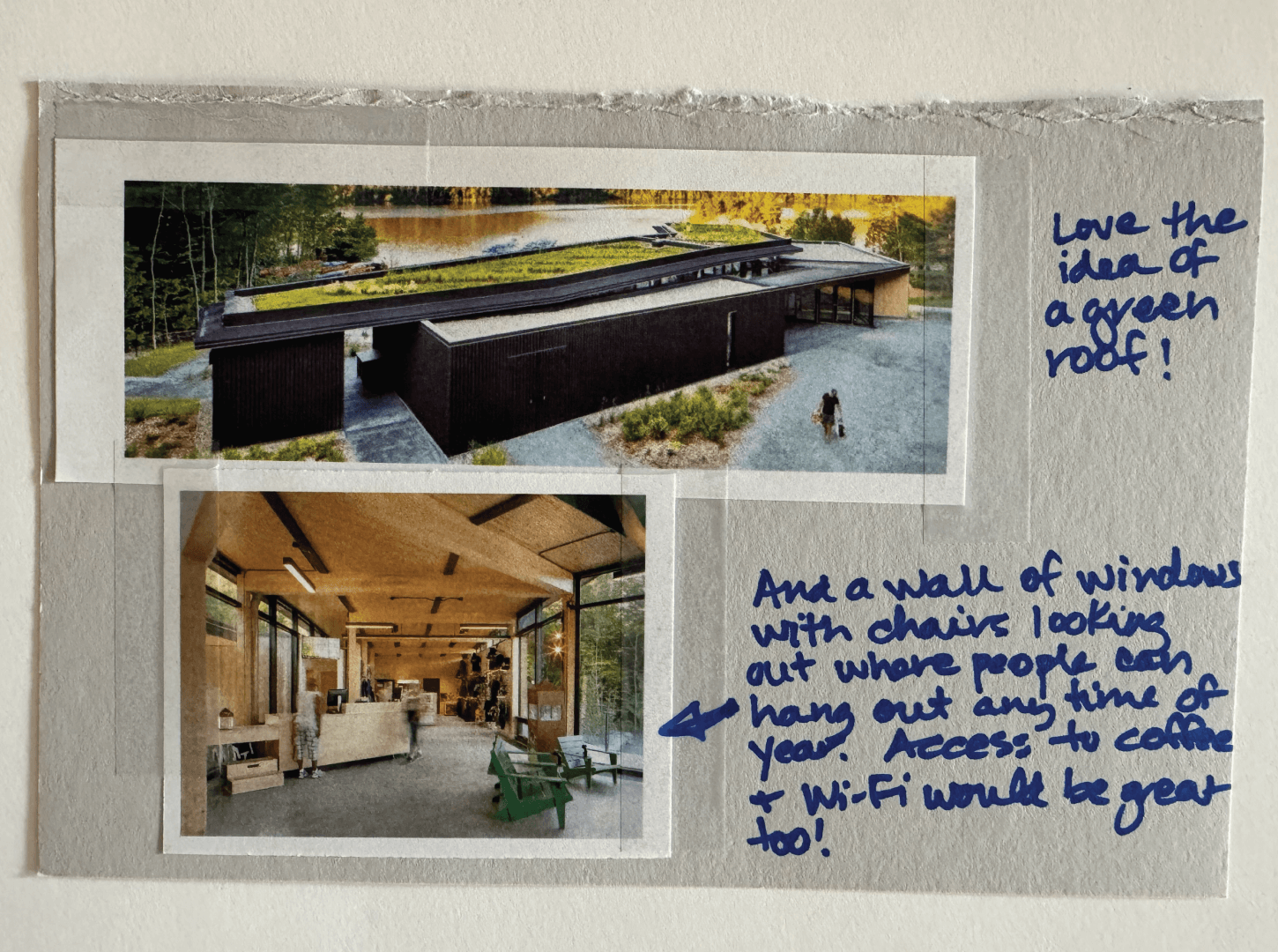
Glenn: The real impetus for the building is to create a gateway to the park. A clear message we heard was that people didn’t want the building to overpower the site. They come here to be in nature. We wanted to create a welcoming facility that will complement the landscape.
Karl: Yes, the architecture fits right into the landscape, surrounded by nature. The building is designed to draw people in with its exhibits, then outward to explore the lake and nature preserves and trails, and then finally back in with its community amenities. And it will be visible from the main road, so people will see it and think, ‘Oh, there’s something there. I should check it out. It looks cool.’
And will that experience be fun?
Glenn: That is definitely the plan, from a design perspective and an environmental perspective.
Karl: We are hoping the building will inspire people to look deeper and explore deeper. We’re making a whole exhibition space focused on the unexpected and what you might not normally see. For instance, muskrats. Yes, muskrats. Normally you hear about beavers and wolves and deer. But we also are highlighting lesser-seen plants and animals and encouraging people to discover something new, inviting curiosity and exploration—and fun. ∎
Community Centers are fun for everyone. Discover more spaces where nature, learning, and design come together.