
What’s at stake when we talk about the future of the office?
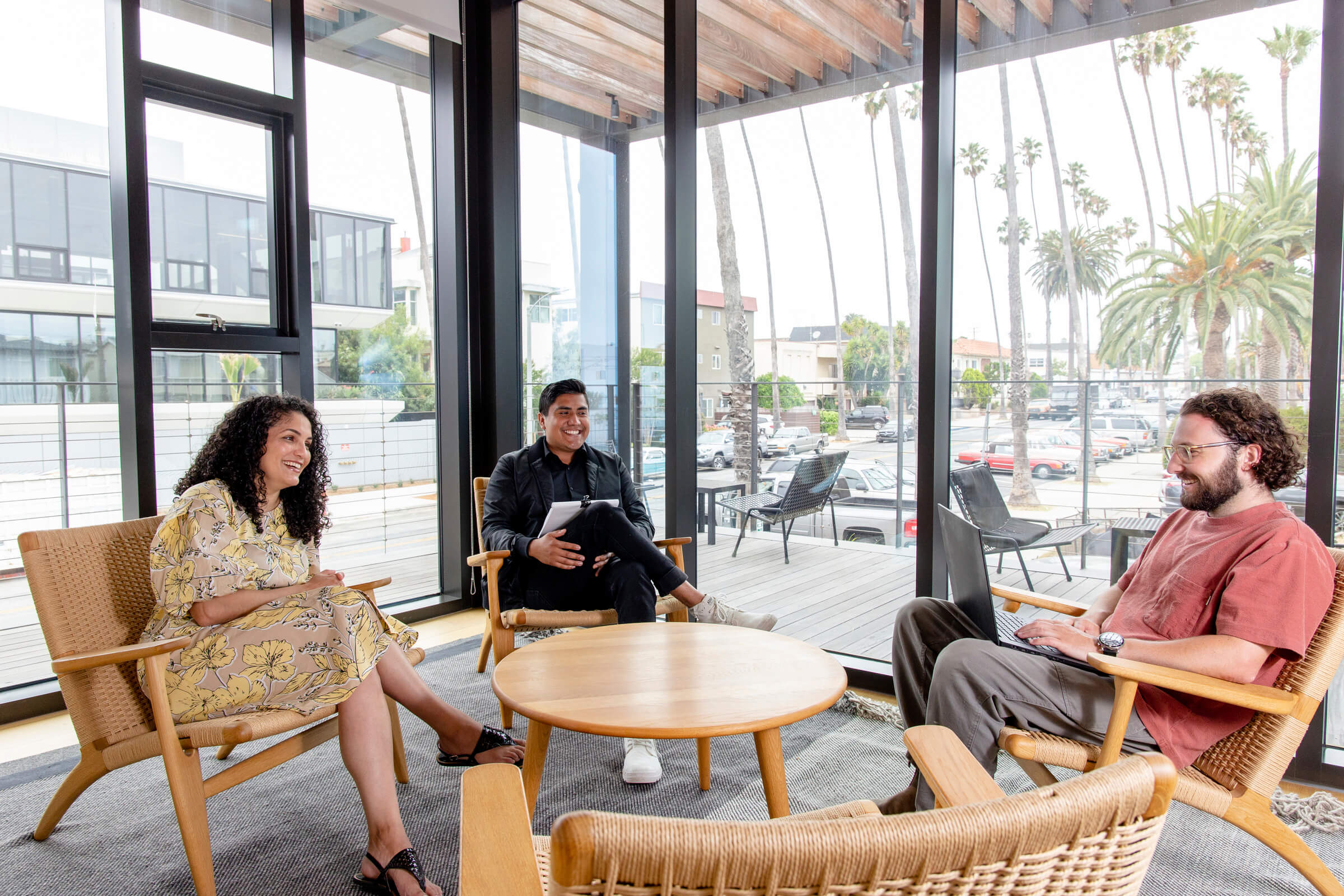
More invitation than mandate, a plan that re-activates the office is meant to create a new, comfortable, normal. In the same breath, it should factor in an evolution of workplace norms that shaped our professional lives before COVID.
What it should not be is an action plan based solely on enhanced health and safety measures. The flexibility and autonomy of work-from-home (WFH) arrangements enjoyed by many these past two years won’t be easily given up, nor should they be. If people are to come back to the office, even on a part-time basis, their primary motivation will be to connect with others.
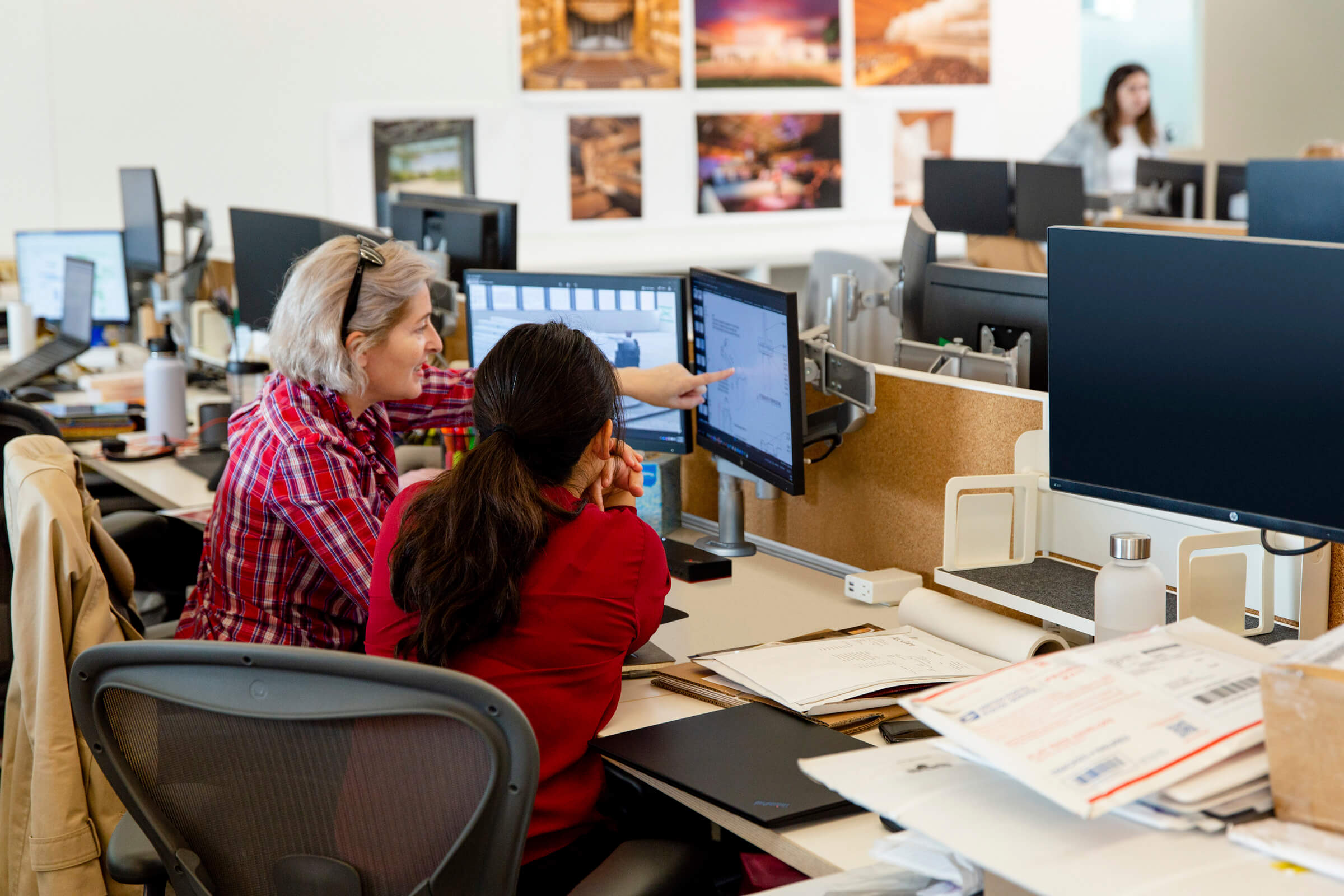
Interestingly, HGA’s data and other sources indicate that productivity levels have not been negatively impacted by WFH arrangements, and in many instances the opposite is true. However, it is the in-person connections that help drive and sustain what many consider the most important characteristic of their workplace culture: the collaboration, mentorship, and creativity that occurs organically in face-to-face settings.
Of course, it’s not as simple as going back to the way things were. The future of the office will require organizational change. It should engender trust and empathy, as well as offer something dynamic and fluid. An intentional view of the future of the workplace must support and respect the best of both worlds: our shared workspace and our remote workspaces. As we emerge from the pandemic, we must retrain ourselves to operate in a world in which all work activities are hybrid.
To better understand the pandemic’s impacts on workplace behaviors and office design, in the spring of 2020, HGA surveyed more than 3,500 professionals across generations, industries, and job functions. Survey feedback yielded data that were broken down into five core insights categories:
- Authorship: license to author one’s workday
- Quality: replacing stress with delight
- Fellowship: the essence of collaboration
- Membership: the need for face time
- Resilience: adapting for the future
As companies across markets and industries begin to express what the future of the workplace looks like to them, employees will inevitably experience a range of emotions. Some will relish the chance to once again feel that sense of fellowship and membership that comes with face-to-face interactions. Some will start to mourn the unfettered nature of their WFH environments, and the clear sense of authorship that comes with it. In many cases, the people from each group will be one in the same.
An all-hybrid work environment recognizes the importance of the social aspect of the office. It supports the acute benefits of in-person collaboration and being a part of a dynamic, flexible, high-quality workplace experience. It also prioritizes equity and accessibility, meaning interactive communication tools and technological integration are critical to ensuring all employees’ voices are heard, regardless of their physical location.
Clearly, no one set of workplace strategies and design interventions will be able to address all concerns. What can make a very real and positive impact on the workplace, however, is acting on the data.
Heeding input from colleagues and peers, HGA’s research-based workplace strategy, HGA Works, was fostered by a cross-discipline team that includes the firm’s Design Insights Group (DIG) as well as design teams in our Minneapolis and Los Angeles offices to redesign each of these workplaces as hybrid living labs.
More than just physical transformations, these individual office re-imaginings are seeking to create inspiring and equitable environments with flexible, technology-rich spaces that allow all employees to be present. These living labs will serve as opportunities for us to practice empathy and creativity as we continue to research, learn, and adapt—and co-create new ways of working together.
Discovering solutions that work also means designing for context. Features like activity-based workspaces, hoteling, hybrid work/respite areas, Zoom-ready communication nooks, modular conference areas and more all look great on paper, but a company’s culture is not a monolith; solutions must be tailored to each office’s physical space, employee preferences, commuting habits, and other factors.
Creating office workspaces that truly work for people today and in the future means continually listening, learning, and adapting. That is the approach that HGA Works is taking.
In the weeks ahead, stay tuned for more HGA Insights in our series devoted to our ongoing HGA Works projects and the important cultural and organizational transformations taking place in Minneapolis and Los Angeles.