
In Wisconsin, great design doesn’t happen in a vacuum — it happens through people, place, and purpose. Our Milwaukee office has been deeply rooted in the Greater Milwaukee area for more than 35 years, building lasting relationships and leaving a meaningful mark on the communities we call home. And in Madison, our team has grown alongside a city defined by civic energy, academic innovation, and a deep commitment to sustainability — embracing the high standard this community holds for design at every turn.
Local Pulse is your inside look at the heartbeat of our Milwaukee and Madison offices: the talented individuals driving innovative work, the projects shaping communities, and the culture that makes it all possible. From community engagement and sustainability initiatives to team milestones and market insights, Local Pulse highlights the stories that define who we are and what we stand for here in Wisconsin — and beyond. Pull up a chair — there’s a lot worth knowing.
Jump to: What’s New | Market Spotlight | Project in Focus | Subscribe

HGA at The Center for Heath Design Conference
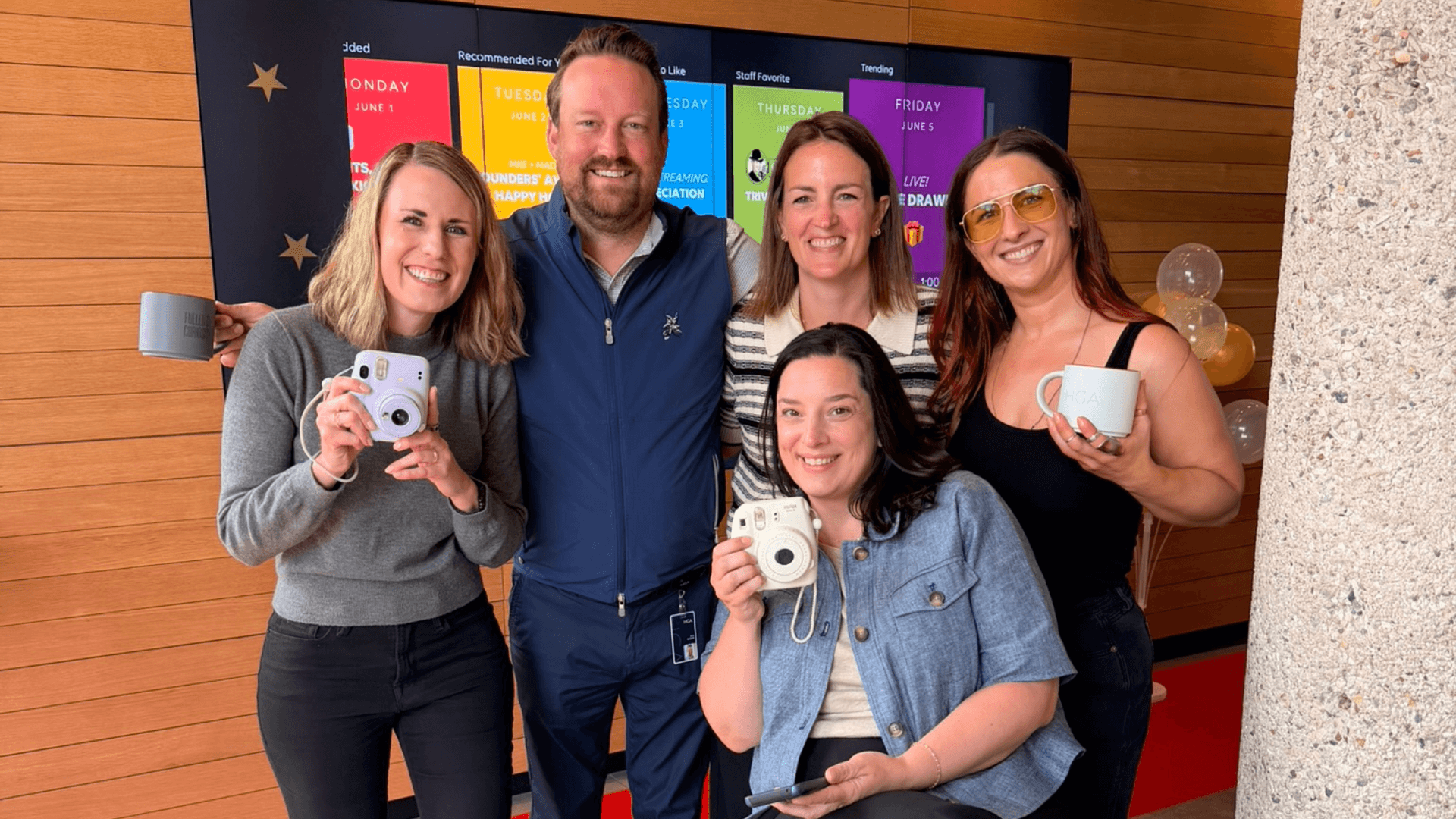
2026 Employee Appreciation Week
Our Milwaukee and Madison teams took center stage during Employee Appreciation Week, celebrating the people who make HGA a great place to work.
From kick-off events and happy hours to trivia, prizes, and time spent together, the week was filled with moments of connection and appreciation.
Congratulations to Cathy Hall and Amanda Wendling, recipients of this year’s Founders’ Awards, and thank you to all of our employees for the dedication, collaboration, and positivity you bring to HGA every day.

Constance Nankee Joins HGA
Constance Nankee, NCIDQ, WRID, WELL AP, has joined HGA as a Senior Project Manager focusing on corporate, government, and community work.
She has more than 25 years of interior design and project management experience across a range of project types, including corporate R&D, science + technology, retail, and workplaces. In her role, she will collaborate with project teams to ensure the project meets client needs through all stages of design, construction, and delivery. Read more here.
Milwaukee Pipeline
Fueled by public and private investment, infrastructure upgrades and a growing emphasis on long-term regional development—ranging from major airport expansions to health care modernization projects and cultural institutions—Milwaukee is seeing a steady pipeline of work that reflects both economic confidence and evolving community needs. While activity remains strong, firms are navigating a complex landscape affected by labor shortages, rising costs and shifting technological demands.
“Milwaukee’s AEC community is experiencing strong momentum right now, supported by continued investment across the region,” says Chad Bathke, vice president at J.H. Findorff & Son Inc. “There’s steady activity across a range of project types, from health care to transportation and more, along with major infrastructure efforts that are helping shape the city’s future.”
“Milwaukee’s AEC community is energized by a wave of prominent infrastructure and civic projects as well as major decisions that will shape the city’s future development,” adds Scott Lindvall, COO at architecture firm HGA, which has a dozen offices across the country, including in Milwaukee.
Read full article here.

Scott Lindvall
COO
Project in Focus
Building for the future of Wisconsin’s Healthcare
The team at ThedaCare came to us with two goals: close the healthcare gap in northeast Wisconsin, and build a repeatable model for small community hospitals. Without becoming institutional.
What followed was a collaboration – HGA, Miron Construction, and Hplex Solutions – that baked flexibility into every decision, from design to delivery. With fifty years of adaptability in mind.