
HGA’s work in Indigenous engagement is grounded in the belief that design can be a platform for reciprocity, cultural visibility, and long-term relationship-building. This commitment moves beyond symbolic acknowledgment and toward a practice shaped by listening, shared authorship, and care for the histories embedded in each site.
While these efforts reflect meaningful progress, HGA recognizes that Indigenous engagement is ongoing work—one that requires continued learning, accountability, and partnership. The projects shared here are not presented as perfected models, but as moments of reflection that help inform how we continue to grow our approach.
Across projects of all scales and typologies, HGA’s Indigenous Advocacy Committee (IAC), working alongside cultural advisors at Good Sky Guidance, has identified several themes that help inform more meaningful Indigenous engagement:
- Design as cultural storytelling, allowing Indigenous narratives to shape how spaces are experienced and understood.
- Community benefit and long-term stewardship, extending the value of design beyond project completion.
- Respect for land, history, and place, ensuring design decisions acknowledge layered histories and cultural context.
- Trust, transparency, and relationship-building, which create the foundation for collaboration rather than consultation.
- Early and ongoing engagement, which helps build trust and leads to more authentic, impactful outcomes.
The following case studies illustrate how these themes come to life in practice. Each one highlights a different facet of Indigenous engagement—demonstrating how thoughtful partnership can enrich design outcomes while honoring the layered history of each site.
Design as Cultural Storytelling
At the Jackson Hole History Museum, design serves as a vehicle for narrative clarity and cultural presence. Client-led collaboration with Eastern Shoshone communities helped shape not only the content inside the museum but also the exterior identity of the building.
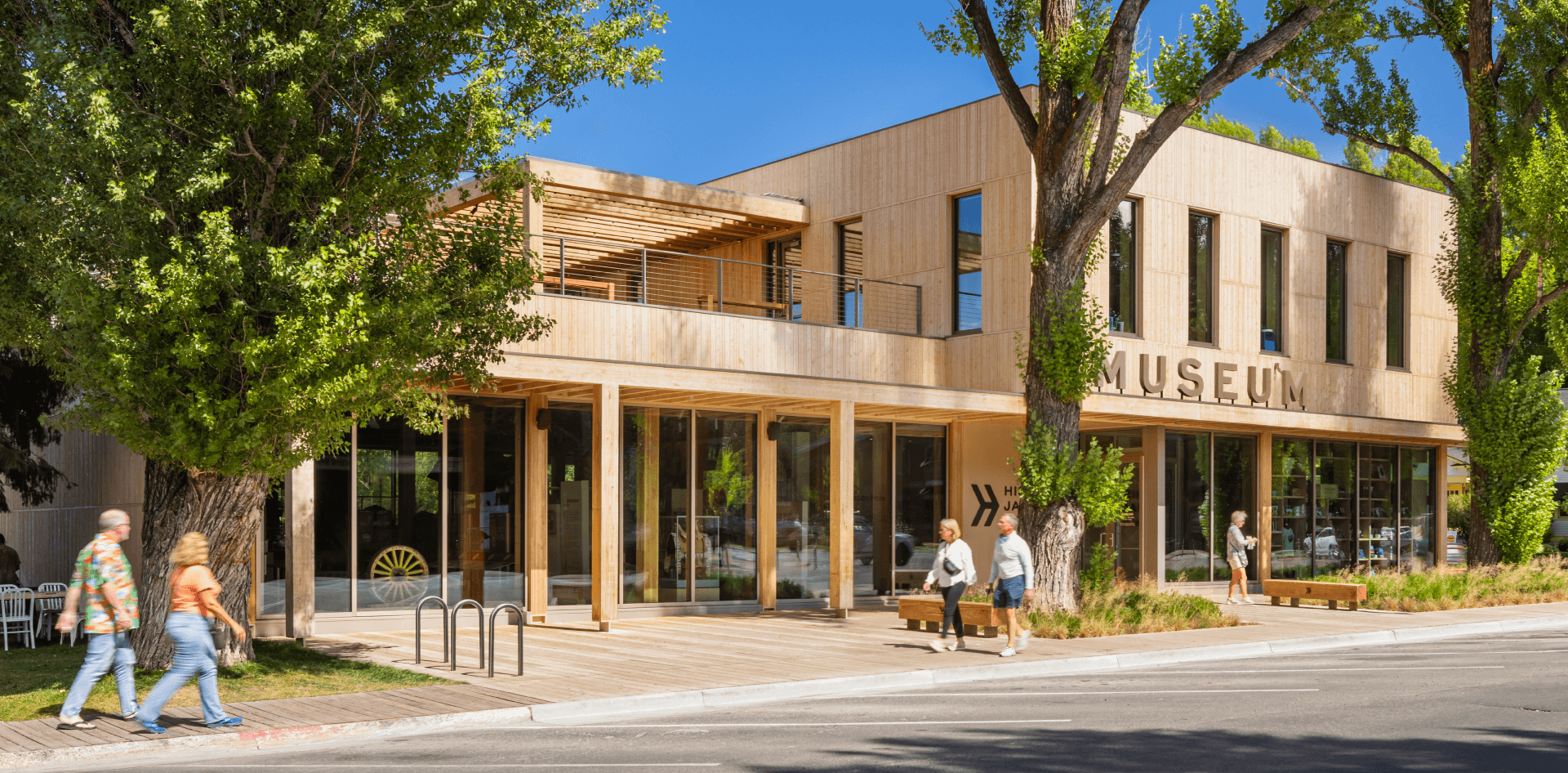
The west façade mural by Nani Chacon (Dinè) foregrounds language preservation and resilience, establishing the museum as a site of lived storytelling. Inside, the integration of historic cabins and land-based narratives deepens this relationship between architecture and cultural meaning.
Celebrating Shoshone Culture
Indigenous artist Nani Chacon’s (Dinè) mural on the museum’s west façade highlights the Shoshone language, inspired by woven beadwork and text. Using vibrant earth tones, the artwork symbolizes hope and resilience, inviting viewers to engage with the preservation of Shoshone heritage.
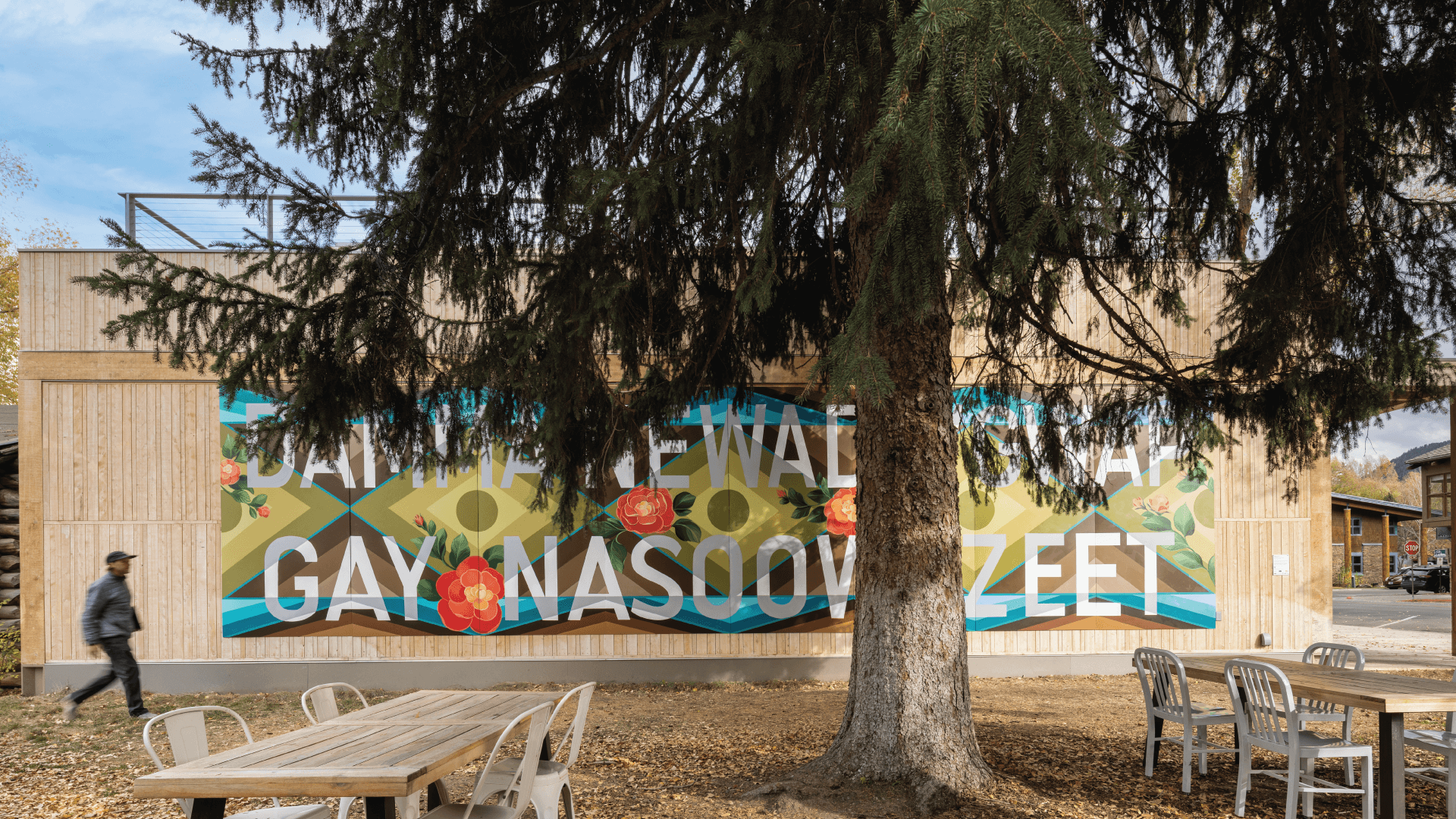
Together, these elements show how design can help elevate Indigenous voices and broaden the historical frame presented to the wider community.
Community Benefit and Long-Term Stewardship
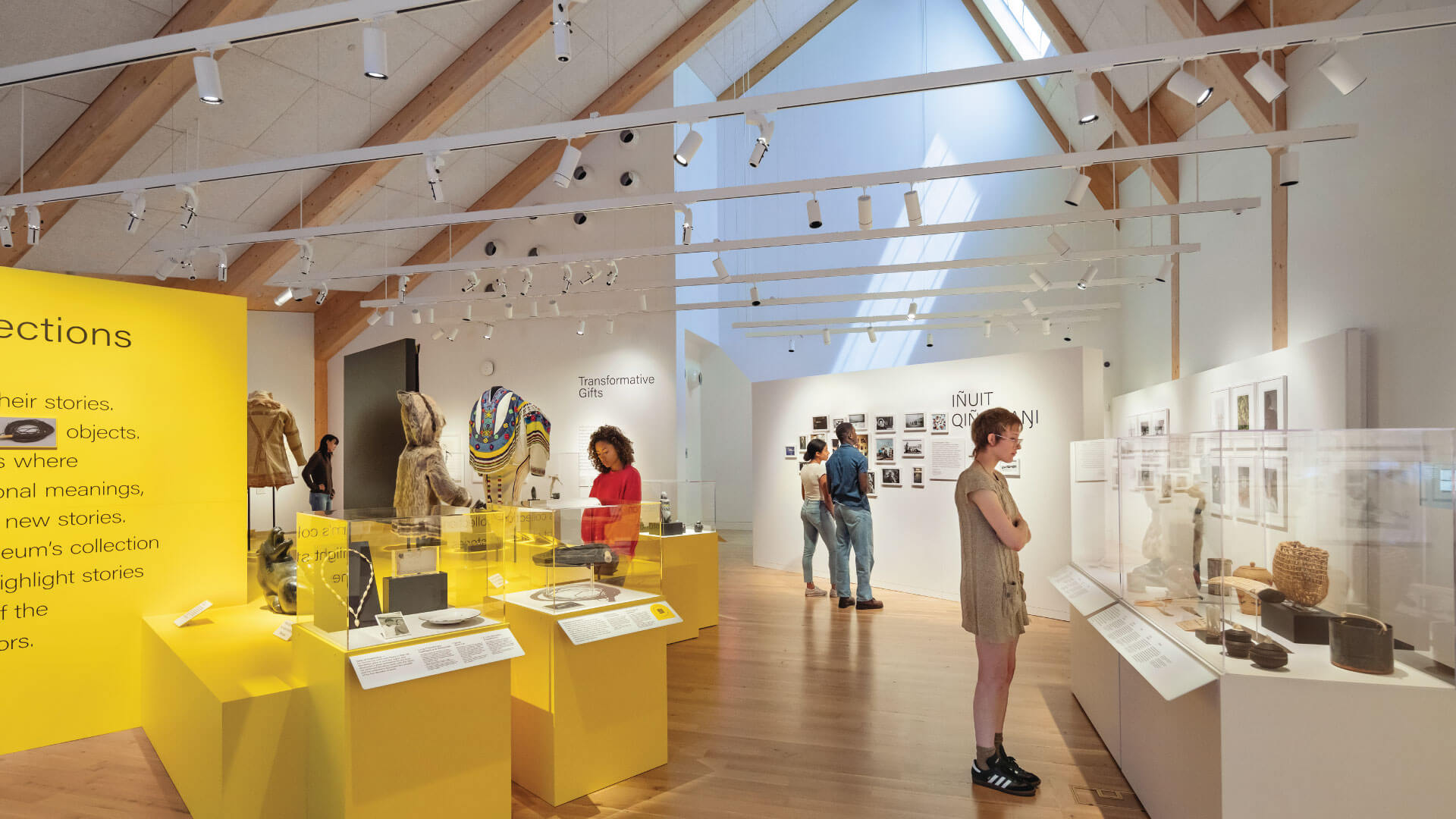
Bowdoin College’s Center for Arctic Studies demonstrates how academic institutions can embed Indigenous representation in ways that endure beyond project completion. Cultural acknowledgment was approached as a lasting campus commitment rather than a singular design gesture.
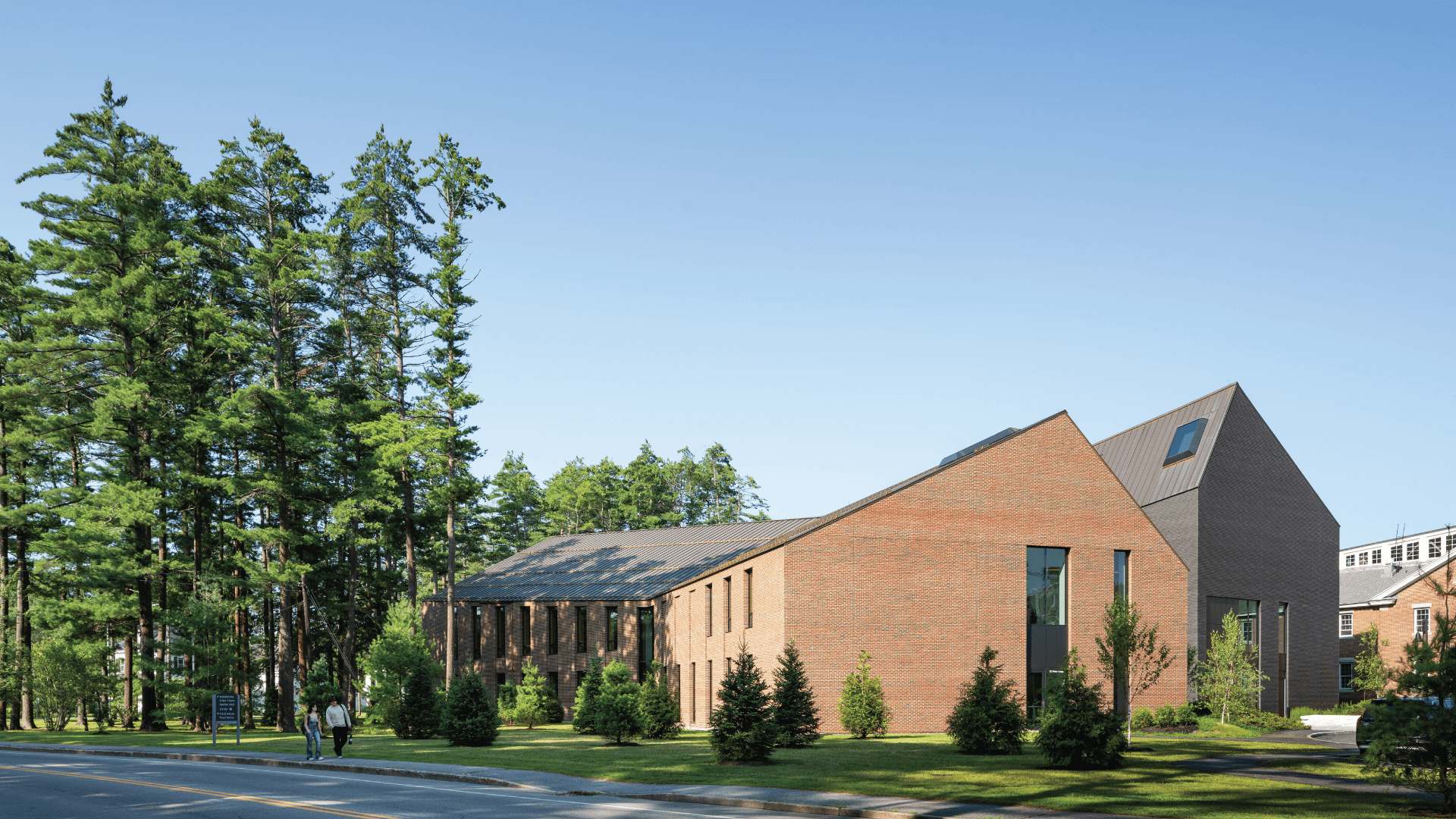
The client-commissioned Inukshuk, created by Inuit artist Piita Irniq, reinforces cultural presence within the landscape. Nearby, a stone marker acknowledges Bowdoin’s location on the ancestral homelands of the Wabanaki people.
Integrating Indigenous Symbols
The Inukshuk sculpture, created by artist Piita Irniq and commissioned by the client, reinforces the Center’s commitment to cultural recognition. Standing as a symbol of resilience and presence, it enriches the landscape while representing Indigenous identity across the campus.
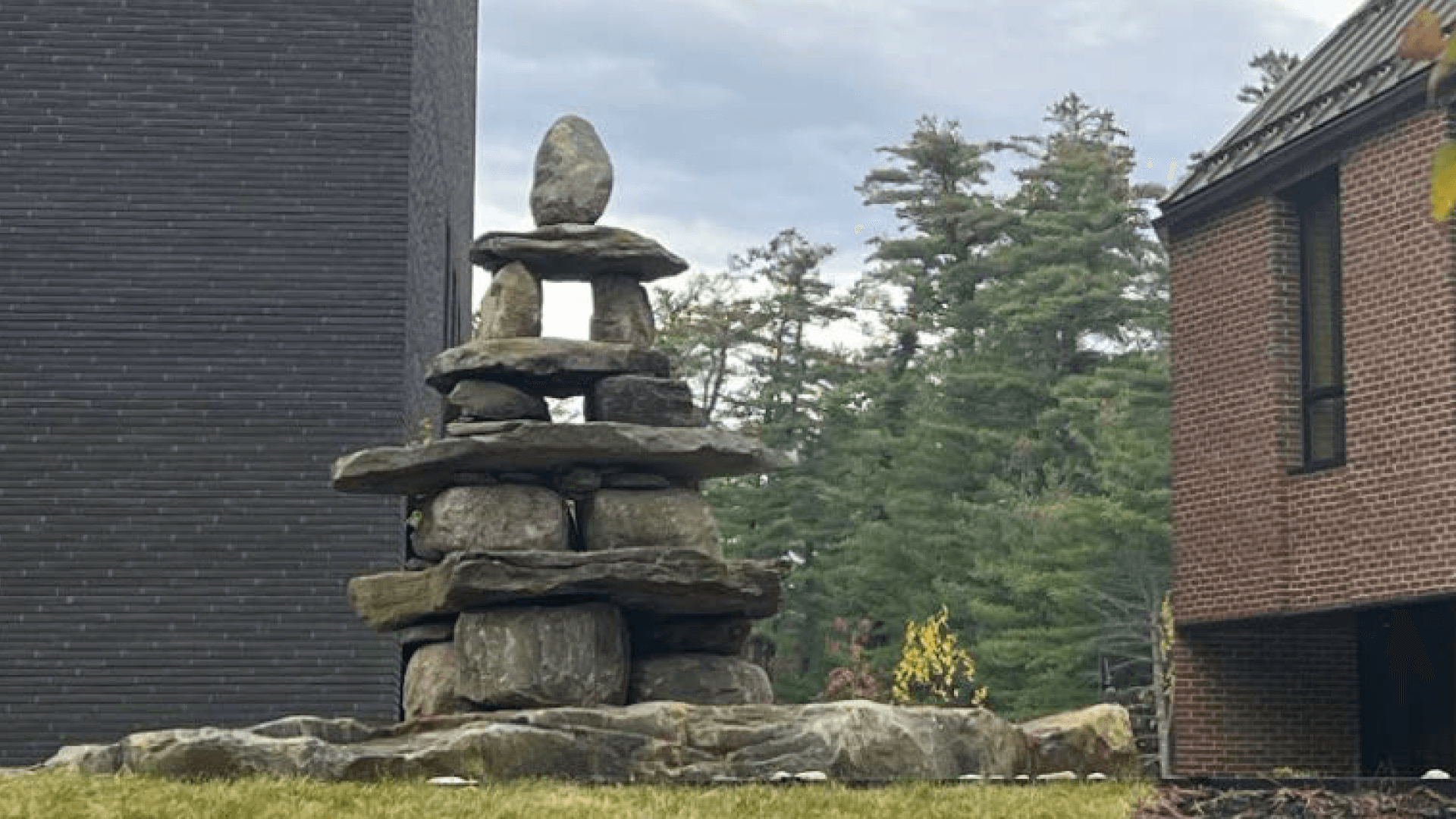
Together, these elements reflect an ongoing commitment to honoring Indigenous heritage as part of the college’s educational mission, creating a resource for learning, connection, and stewardship over time.
Respect for Land, History, and Place
Water Works Park Pavilion is located on Dakota homelands, a site shaped by industrial expansion and urban reinvention. The project acknowledges these layered histories through archaeological preservation, careful reconstruction, and collaborative storytelling.
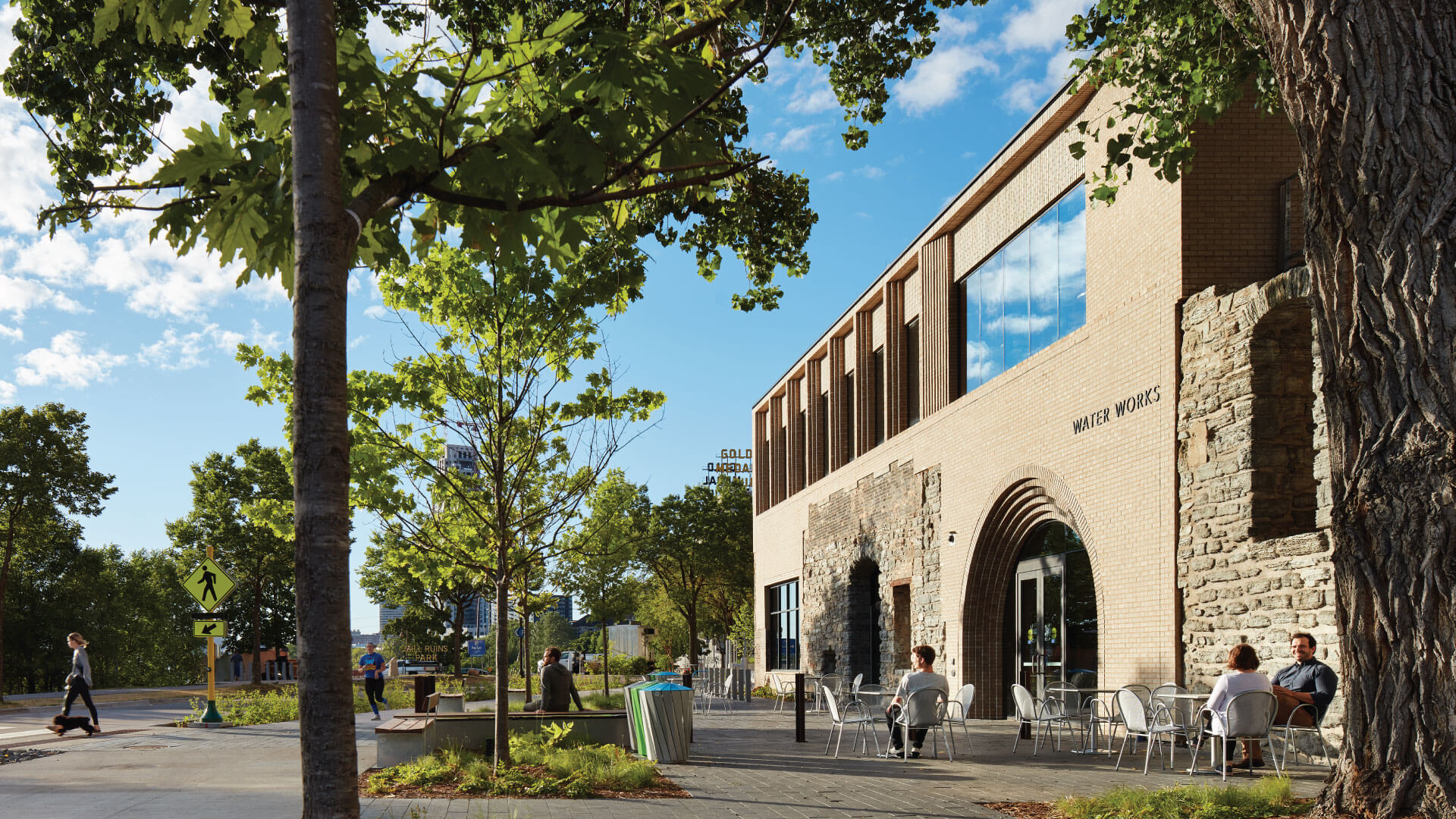
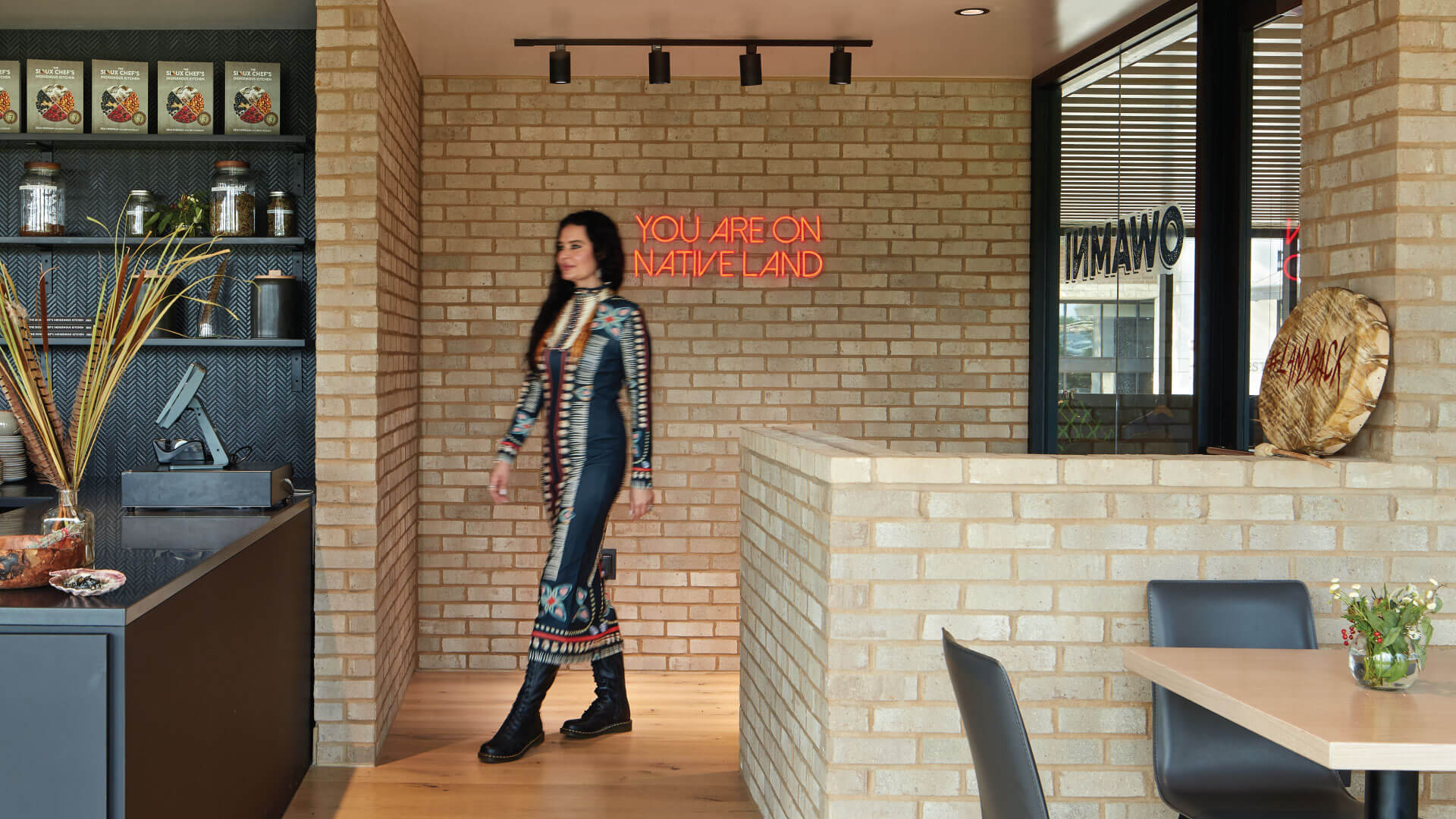
Partnerships with Oglala Lakota chef Sean Sherman and local artists transform the pavilion into a living cultural experience. Food, landscape, materiality, and narrative work together to reconnect visitors with Dakota history.
Honoring Indigenous Culinary Traditions
A collaboration with Sean Sherman underscores the project’s cultural richness, blending culinary anthropology and Indigenous practices to strengthen community engagement and honor local heritage.
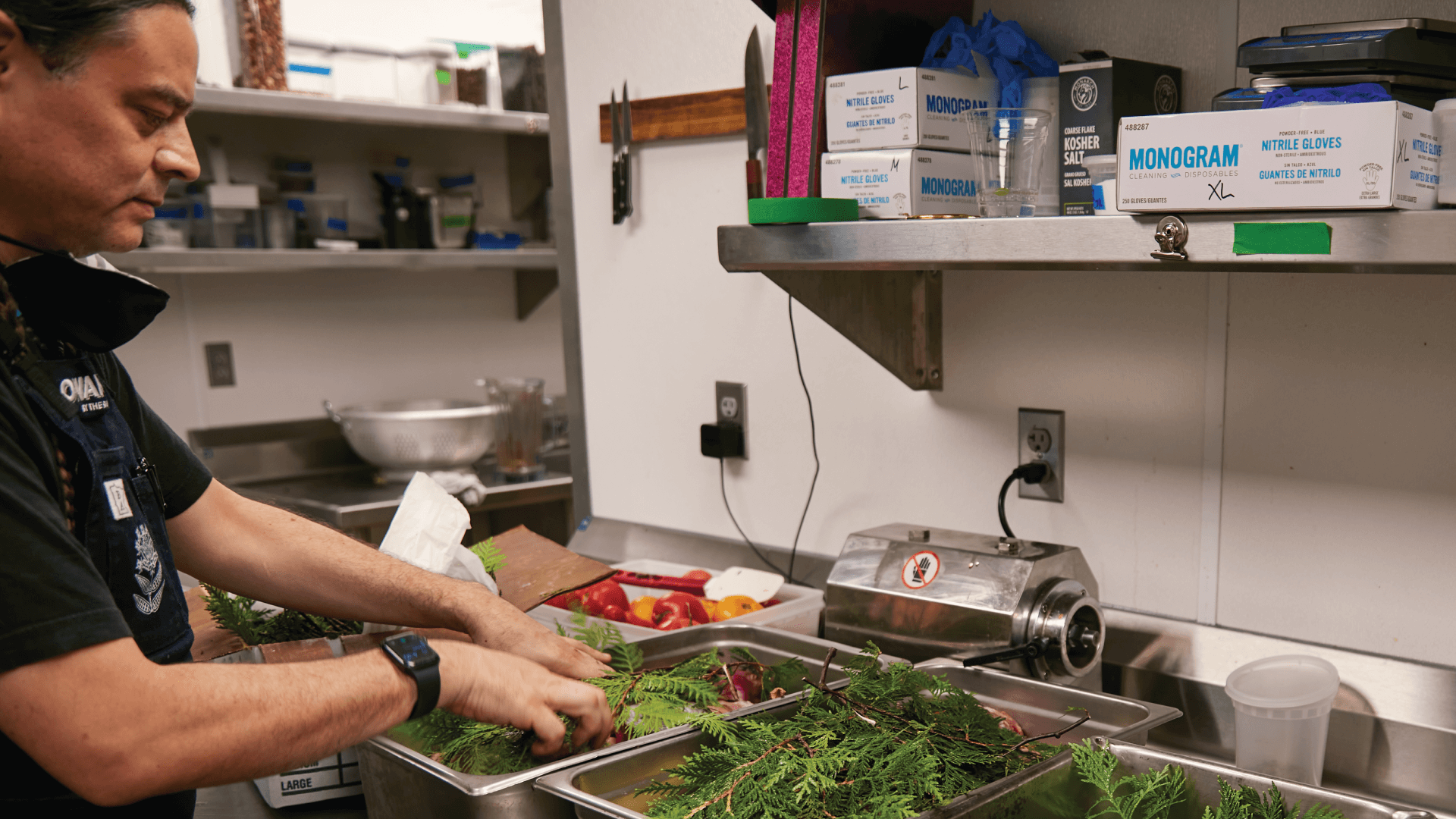
Grounded in place-based research and collaboration, the project reflects how respectful design can surface complex histories and make space for Indigenous perspectives to be seen, felt, and understood.
Trust, Transparency, and Relationship-Building
Davidson Park illustrates how sustained relationship-building can transform even a corporate-led project into a meaningful act of cultural advocacy. Collaboration with the Forest County Potawatomi and Greenfire Management Services informed the identity of the Potawatomi Serenity Garden.
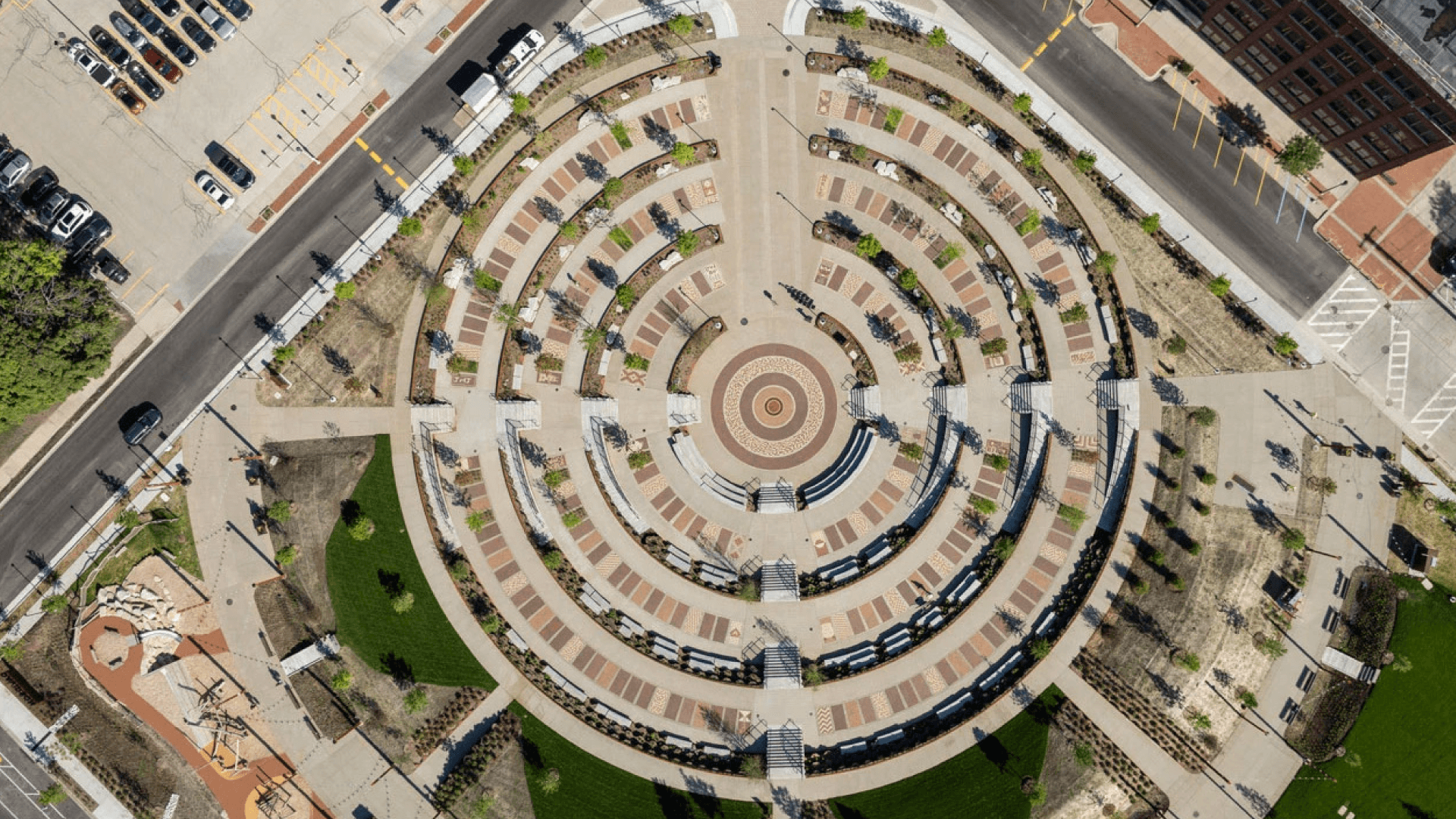
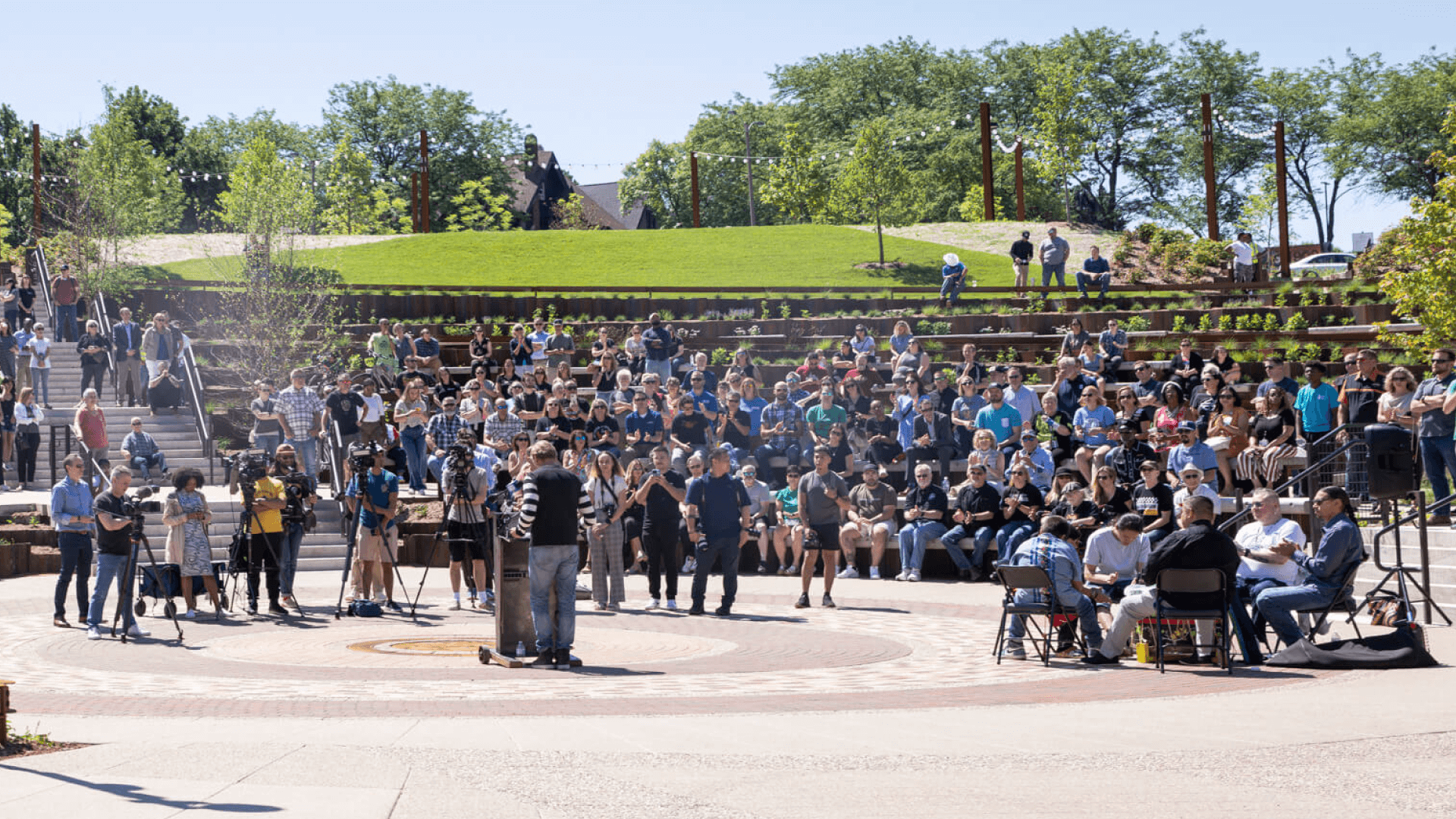
Through ongoing dialogue, the team integrated culturally significant elements—including the medicine wheel, sacred plantings, and symbolic gathering spaces—grounding the landscape in Potawatomi teachings.
Preserving Cultural and Spiritual Practices
The serenity garden incorporates symbolic elements, including a medicine wheel surrounded by sweetgrass, sage, cedar, and a dedicated space for tobacco, demonstrating deep respect for Indigenous traditions and the interconnectedness of physical, emotional, mental, and spiritual realms.
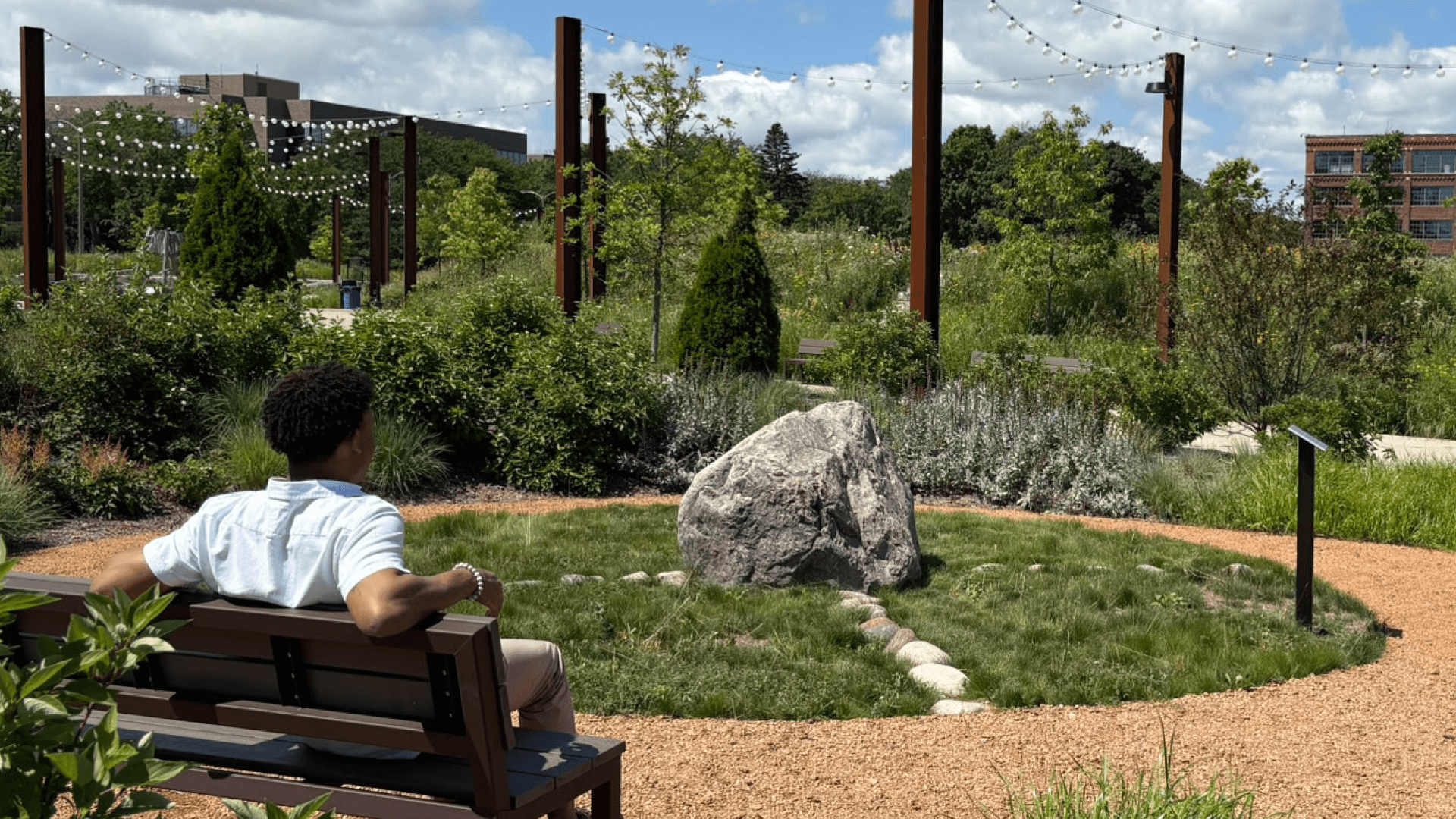
This process underscores the role of trust and openness in collaborative design with Indigenous partners, resulting in a space oriented toward healing, reflection, and shared cultural connection.
Early and Ongoing Engagement
The La Quinta Cultural Campus demonstrates how early engagement can shape both the direction and the spirit of a public project. Cahuilla tribal elders and artisans were involved from the outset, guiding key design features such as the ethnobotanical garden and symbolic snake motif.
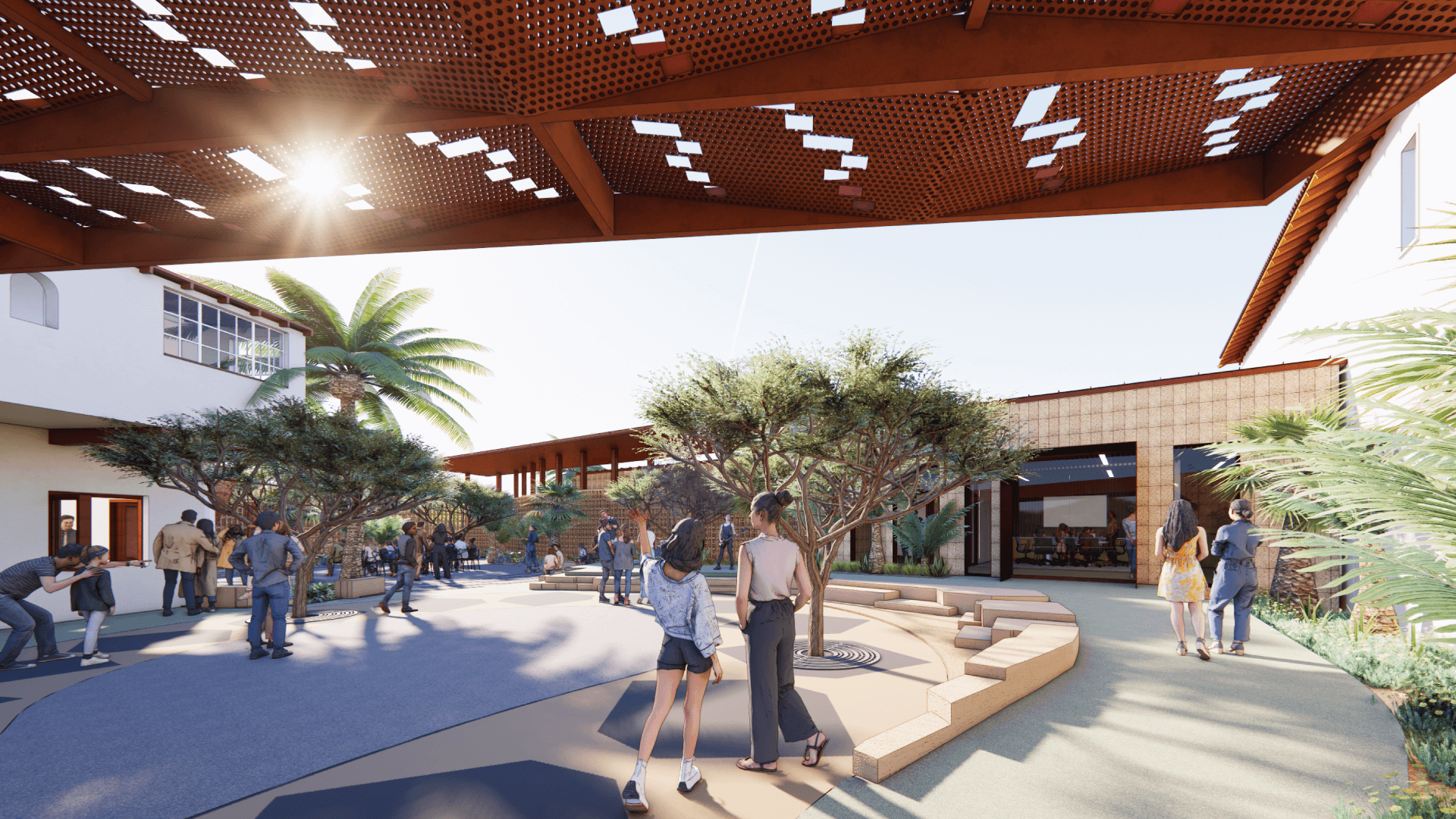
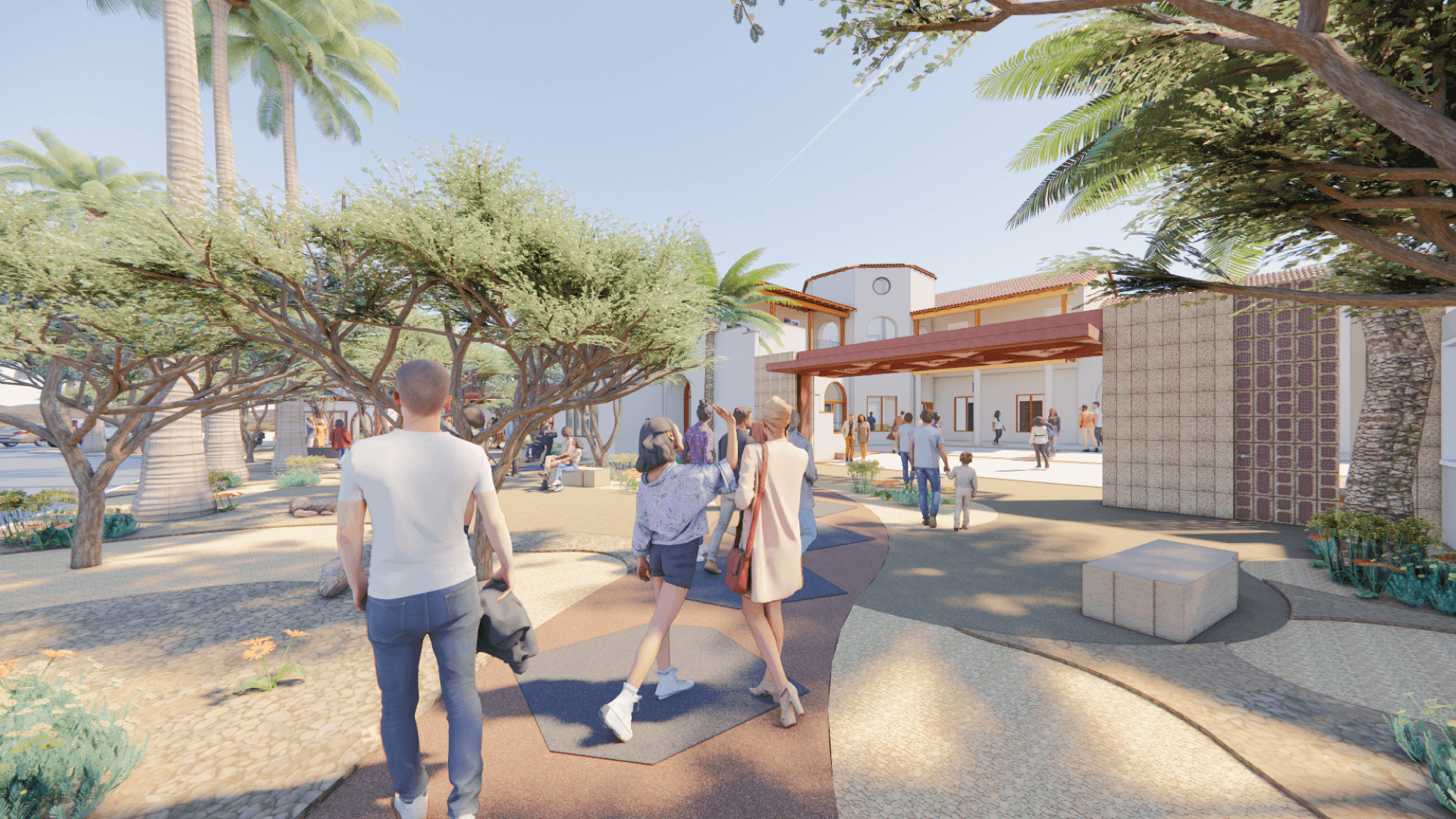
Their participation ensured that cultural knowledge informed the architectural and landscape strategies—not as embellishment, but as embedded meaning. An audio tour led by a Cahuilla educator extends this collaboration into the visitor experience, creating an environment that teaches through presence and story.
Highlighting Snake Symbolism
The ethnobotanical garden features an intricate snake motif that is both visually striking and culturally meaningful, reflecting the stories and traditions of the Cahuilla people.
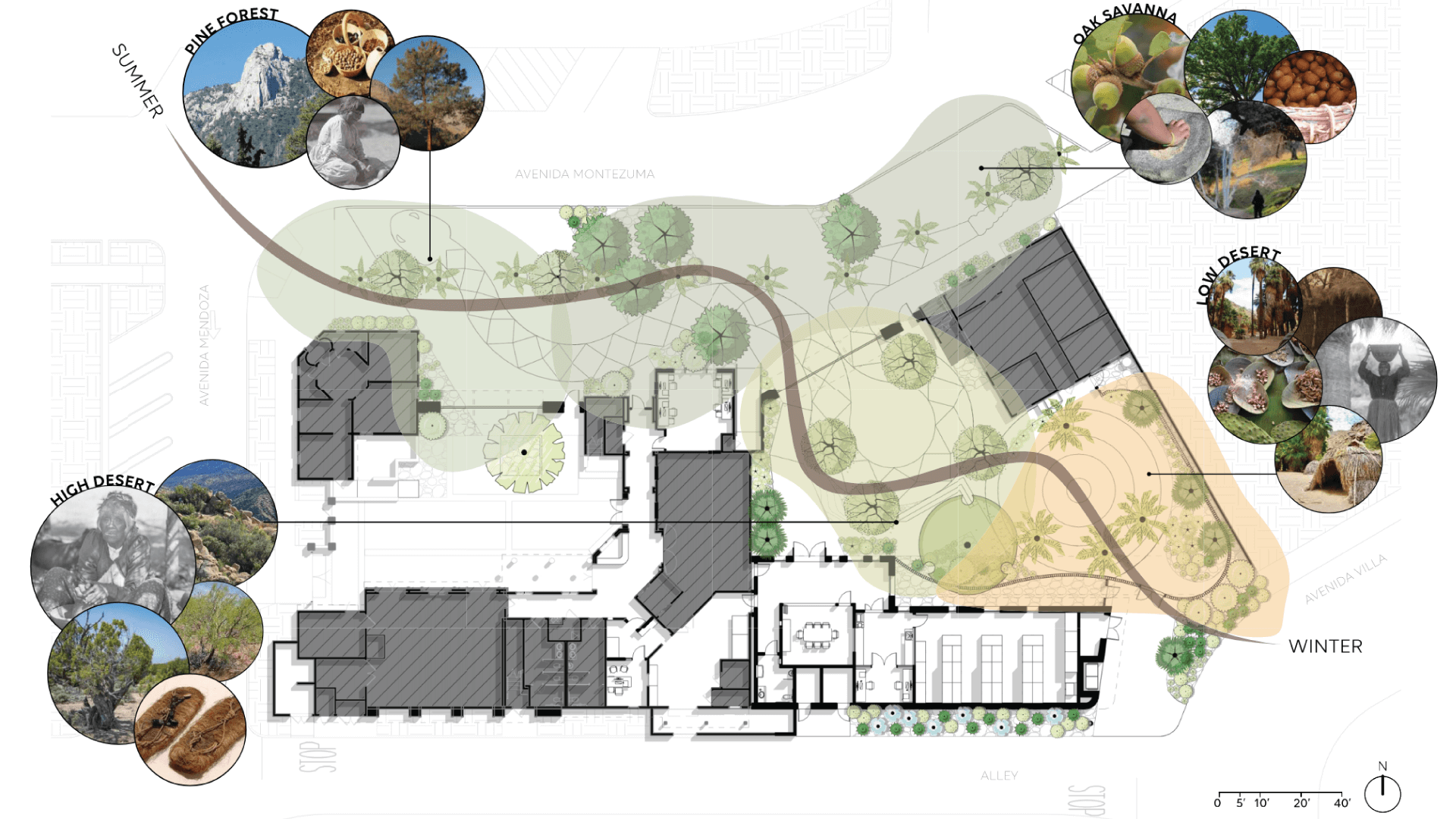
By centering Indigenous voices early in the process, the project reflects how transparent, respectful engagement can lead to more culturally grounded outcomes.
Commitment Through Collaboration
These projects reflect a growing commitment to designing with, not for, Indigenous communities. They show that when cultural knowledge, lived experience, and collaborative relationships guide the process, the resulting spaces carry deeper meaning and greater impact.
Taken together, the work demonstrates how relationship-building can shape not only individual projects but the practice of design itself—strengthening trust, elevating stories, and supporting long-term stewardship. As HGA continues to learn from these partnerships, we deepen our understanding of how the built environment can honor the people, histories, and lands that define each place. ∎
Learn more about HGA’s broader commitment to equity, advocacy, and community engagement.