

As we look ahead to 2026, our market sector leaders are seeing clear signals about what clients need most—greater flexibility, smarter use of resources, adaptable environments, and strategies that can keep pace with rapid change. Across industries, organizations are balancing near-term pressures with long-term goals, prompting questions about how design can support evolving expectations. Here, leaders from across HGA share the trends shaping their sectors and the solutions helping clients navigate what’s next.
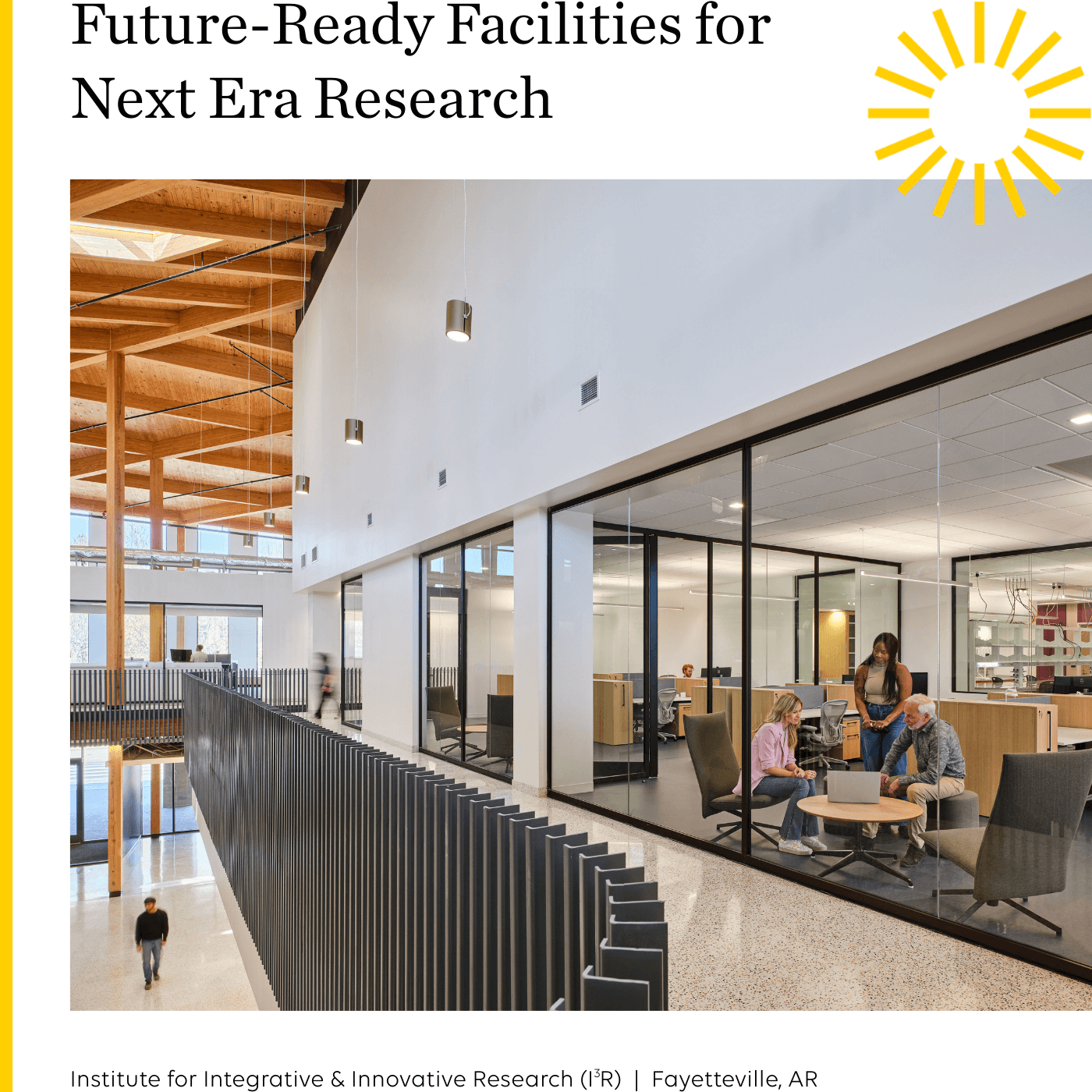

Our clients continue to seek flexible, adaptable facilities to support rapidly evolving research needs and advanced technologies. With ongoing shifts in funding, optimizing the value of facility investments is critical, and speed in project delivery supports our clients’ leadership in their field. To meet these goals, we are collaborating to deliver resilient, high-performing environments that align with institutional objectives and long-term value.
Our design solutions incorporate modular, reconfigurable spaces that support new equipment, processes, and emerging methodologies while integrating sustainable materials and energy-efficient systems. Additionally, robust infrastructure for power, data, and mechanical systems ensures research environments remain innovative, resilient, and responsive to both current and future technologies.
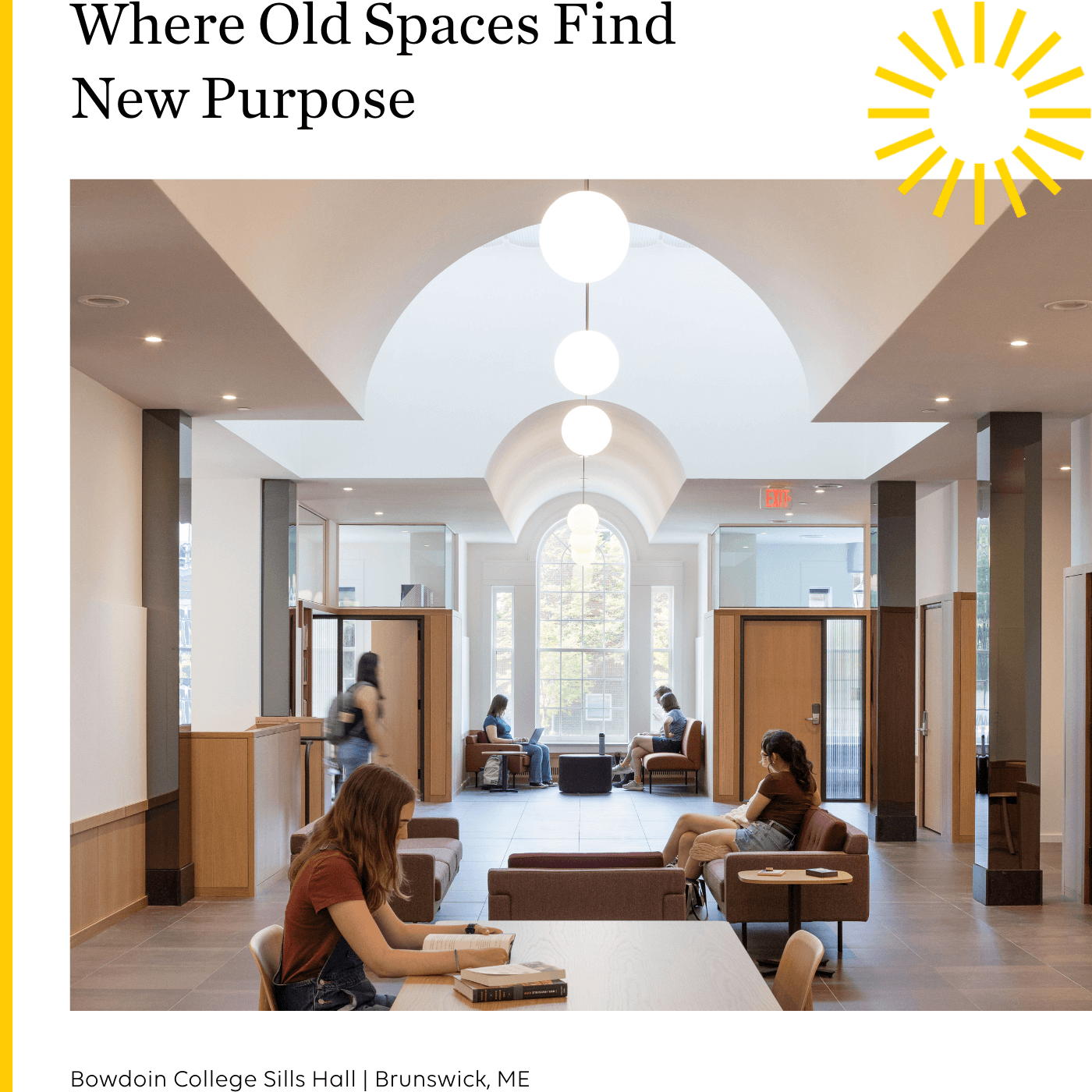
I’m consistently seeing a trend toward reinvestment in existing buildings and infrastructure. Our higher-ed clients are working on deferred maintenance and renovations of historic and aging buildings, with a focus on reducing energy use and creating more flexible, student-centered environments. Our arts clients are breathing new life into museums and performance spaces to attract new audiences, create more welcoming and adaptable environments, and hit their energy targets.
Adapting and updating existing buildings is a highly sustainable and rewarding endeavor, with unique challenges as we work through inherited constraints and unexpected surprises that can be uncovered along the way.
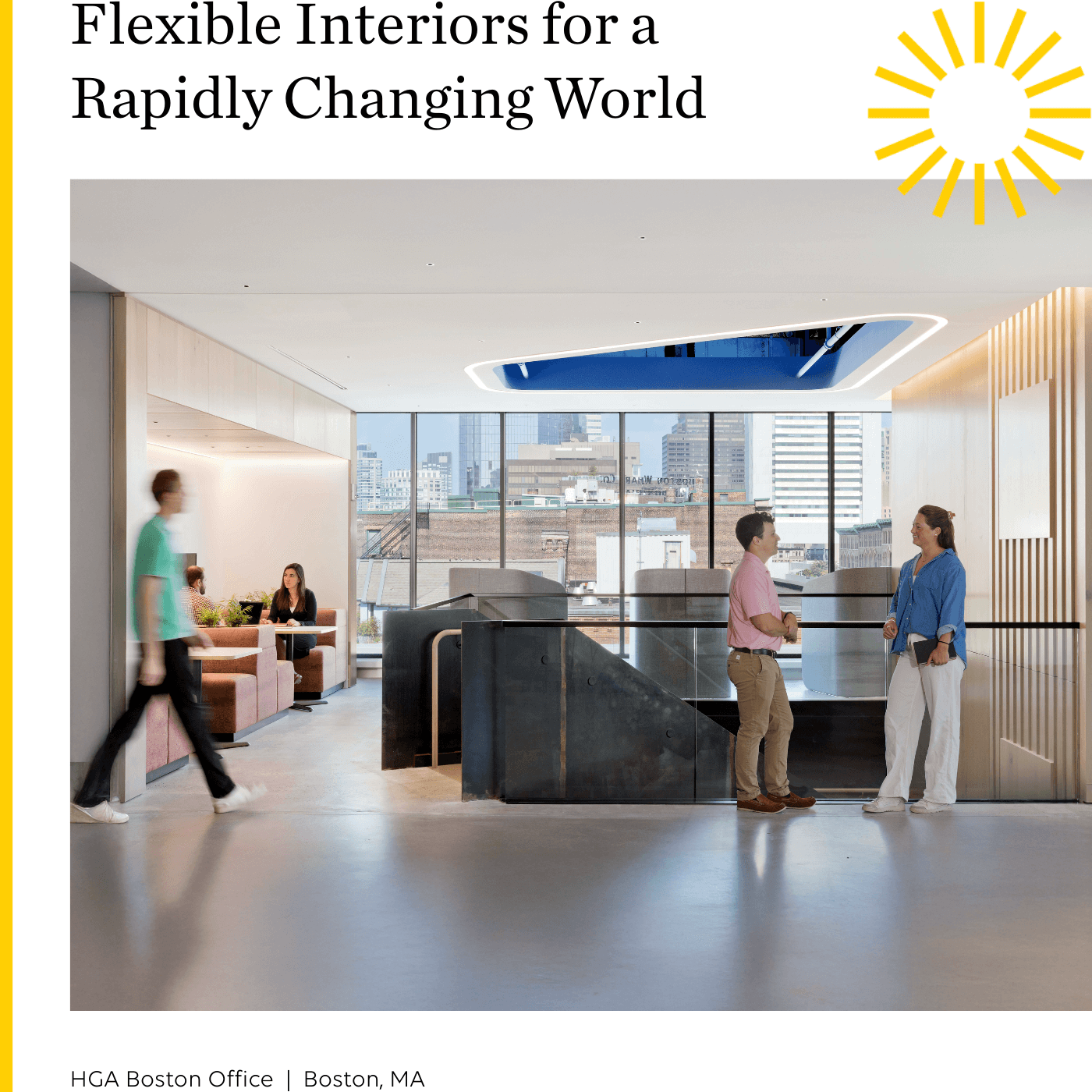
Our clients are asking for design solutions that don’t just sustain but continually renew themselves. They want environments built with flexibility at the core—modular systems, adaptive layouts, and materials that support circularity. As their needs evolve, they expect spaces that can effortlessly reconfigure, scale, and transform.
Through extensive programming and visioning sessions, we take a deep dive to understand where their needs are headed. Using regenerative design thinking, we help clients create spaces that remain resilient, future-ready, and capable of delivering long-term value in a rapidly changing world.
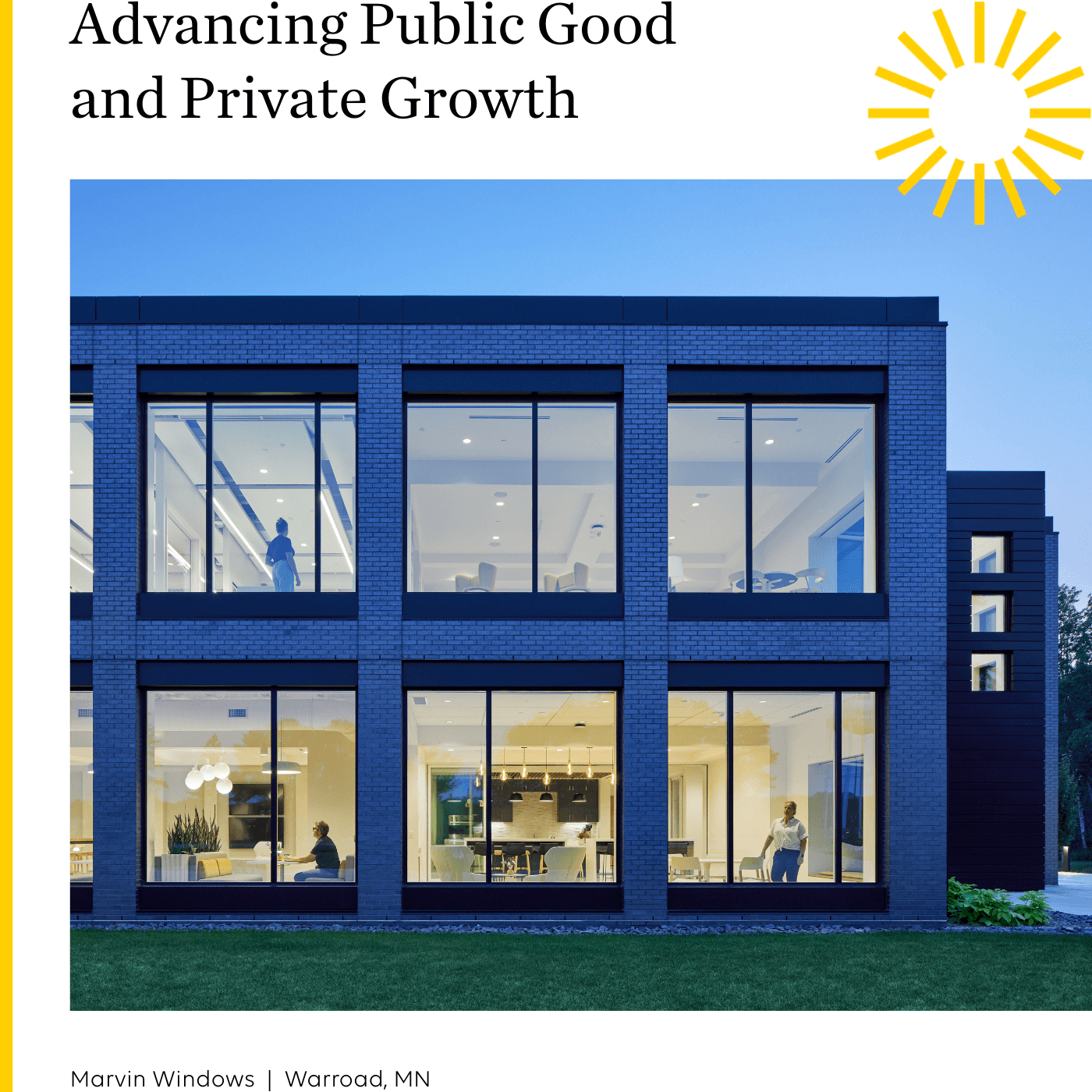
Across the country, our government and community clients are navigating rapid shifts in how people work, gather, and access essential services. They’re seeking project teams that understand the operational demands of civic buildings—from land ports of entry and federal courthouses to fire stations and community hubs—and partners who will guide them through high construction costs and phased delivery pressures. These forces will continue to shape project decisions and drive the need for resilient, forward-looking solutions.
In the corporate workplace, organizations continue to move toward flexible, multi-purpose environments that support collaboration and productivity trending towards bringing teams back to the office. Advanced manufacturing and data centers remain fast-moving markets, with modular and prefabricated solutions meeting growth, energy security concerns, and cost pressures. Clients rely on us for design leadership and full-spectrum guidance grounded in research, performance data, and deep market insight.
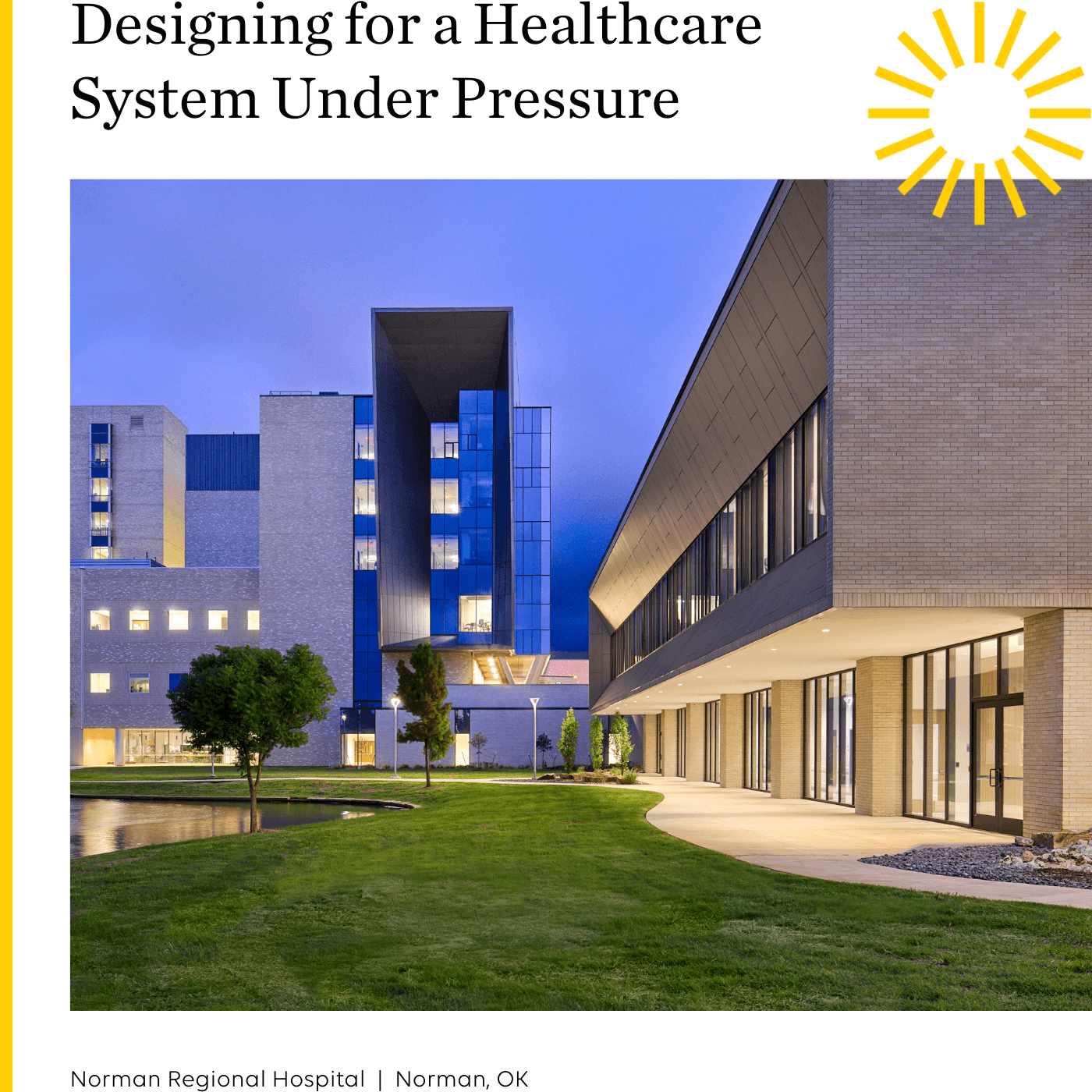
Staffing shortages, rising costs of care, and declining reimbursements continue to be top concerns for our clients heading into 2026. Many are also exploring how AI can support their operations—where it can help, what it might change, and how quickly those impacts will be felt.
Our role is to understand how these pressures influence day-to-day care delivery and what that means for the built environment. Through effective master planning, we help clients evaluate the operational shifts driven by staffing and emerging technologies, and identify strategies that improve time, quality, and cost. This allows organizations to make confident decisions as they adapt their facilities to support evolving models of care.
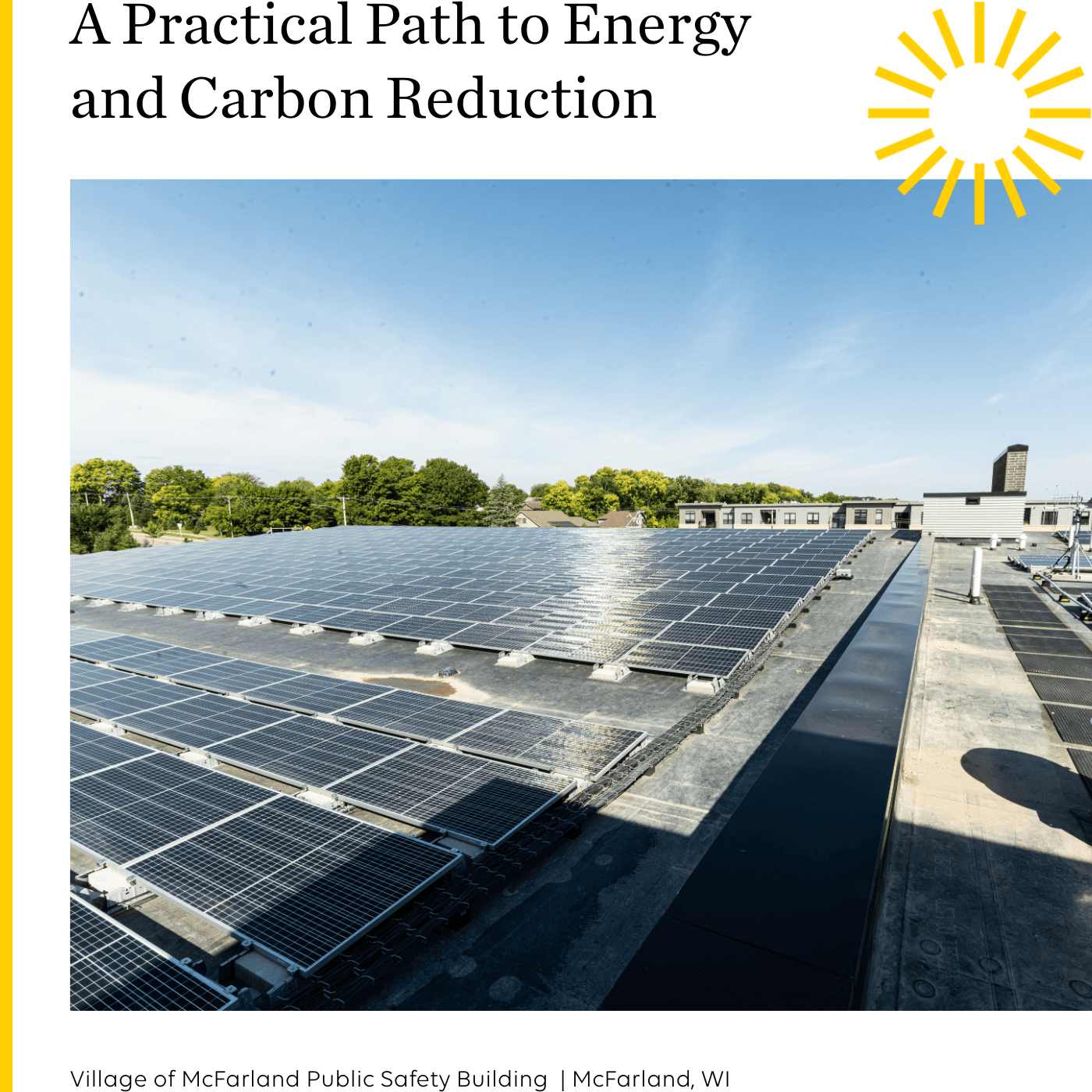
Every week, more clients tell us the same thing: they need to lower energy use, manage operating costs, and still move the needle on carbon. They’re facing shifting real estate demands, evolving policy requirements, and the rapid pace of AI adoption—and they don’t need theory. They need a plan.
We help clients build realistic, phased roadmaps that support decarbonization without derailing operations. And because HGA brings architecture and engineering together, we’re able to deliver solutions that link design intent with technical performance. For organizations trying to balance near-term pressures with long-term sustainability and operational goals, now is the right time to explore what’s possible.
Learn more about the range of markets we serve, and how our team’s cross-functional expertise enhances any project team.