
Community leaders are increasingly prioritizing energy efficiency in civic buildings, recognizing the value of reducing both energy costs and carbon emissions. They believe that investing in sustainability today delivers immediate benefits and lays the foundation for long-term community well-being.
And they’re right. As evidenced by this year’s AIA 2030 reporting results, community buildings designed by HGA deliver outstanding energy performance, with several exceeding energy reduction targets by more than 80% compared to a baseline standard building. These community spaces were among the top ten projects firmwide in energy reduction, serving as models for HGA teams seeking energy efficient design strategies.
Equally impressive, the designs for these community buildings have overcome barriers that typically reduce energy performance, including tight budgets, constrained sites, and more. These projects are designed to not only reduce energy, but to support the site’s ecological systems, improve health and wellness of building users, and streamline facility operations.
So how did these structures achieve such optimal performance? Here’s a look at the design of four HGA community projects—and the details that make them highly energy-efficient.
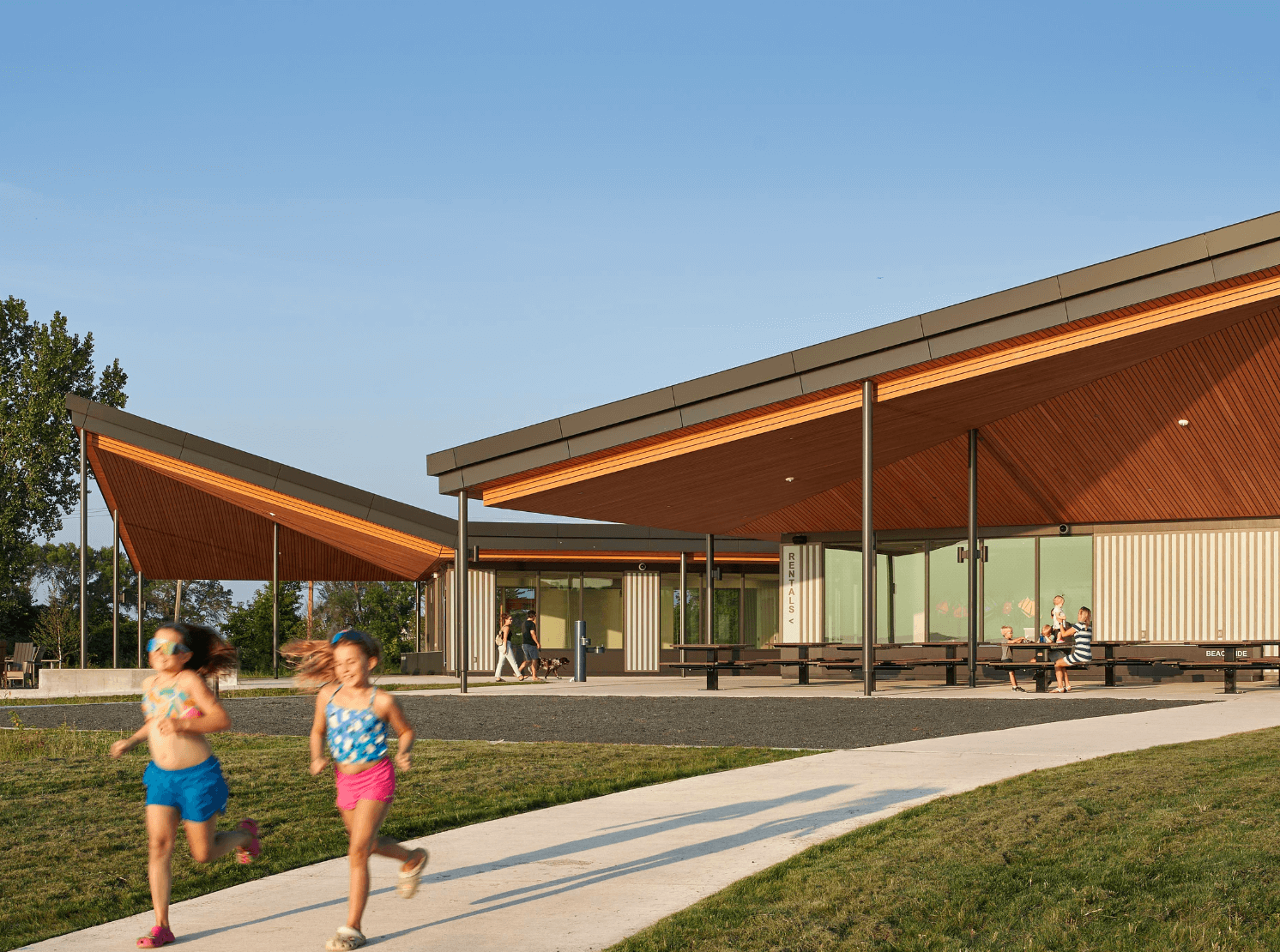
Lake Waconia Regional Park Paradise Commons
Recently recognized with a Best of Sustainable Building 2030 Award for its outstanding energy performance, the 6,100-square-foot Paradise Commons, in Waconia, Minn., delivers an outsized impact in sustainable performance. Built to replace an old dance hall, this multipurpose activity center reconnects the community with the lakeshore.
The building features a highly efficient geothermal heat pump system that provides superior heat transfer with groundwater aquifers. Large roof overhangs serve as outdoor gathering spaces and solar collection zones, turning passive architecture into a performance asset.
As a result of these design decisions, building energy use is reduced by almost 90%. Here’s a summary of how the project got there:
- Passive strategies such as building orientation and daylighting
- High performance window and wall systems
- Geothermal system that includes two wells and one test well
- Solar PV array on the roof
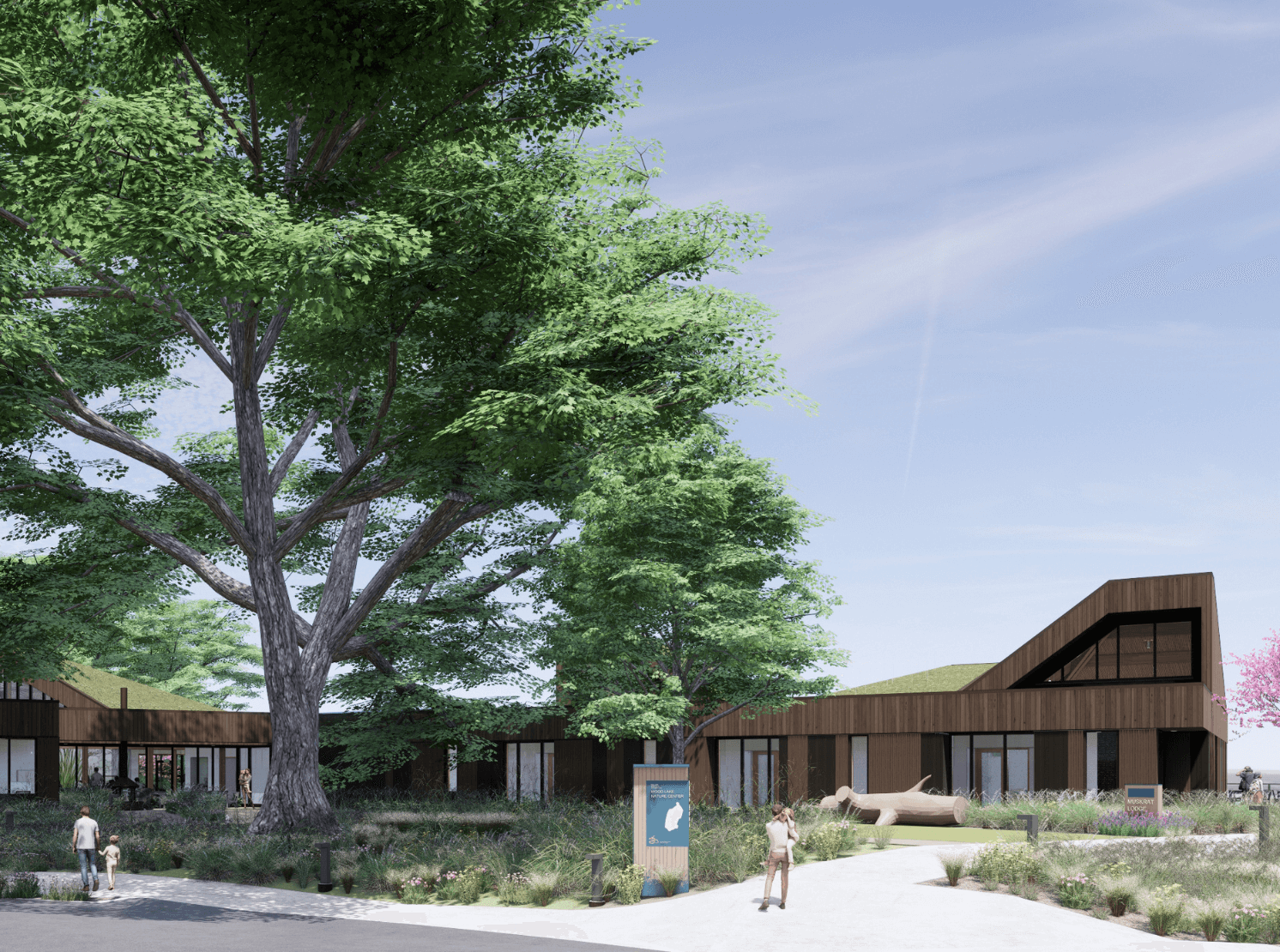
Wood Lake Nature Center
Designed to enhance human connections with nature, the 17,000-square-foot Wood Lake Nature Center in Richfield, Minn., replaces an existing facility while pushing the limits of energy efficiency in alignment with the city’s conservation goals and the Minnesota B3 green building standard. The project is about to begin construction and is targeted to open by Spring 2027.
The project team creatively worked within existing site boundaries and limitations to evaluate the best options for energy systems. For example, existing trees limited photovoltaic placement, so the roof was configured to include green roof space while providing adequate solar exposure for the greatest array possible. When selecting the optimal system for heating and cooling, the small site also made adding efficient mechanical systems like a ground-source heat pump system difficult. The team’s solution: 63 geothermal wells located under the center’s parking lot, which is being resurfaced with the project.
As a result of these design decisions, building energy use is reduced by almost 90%. Here’s a summary of how the project got there:
- Passive strategies such as daylighting
- High-performance window and wall systems
- Geothermal mechanical system
- Solar PV array on roof
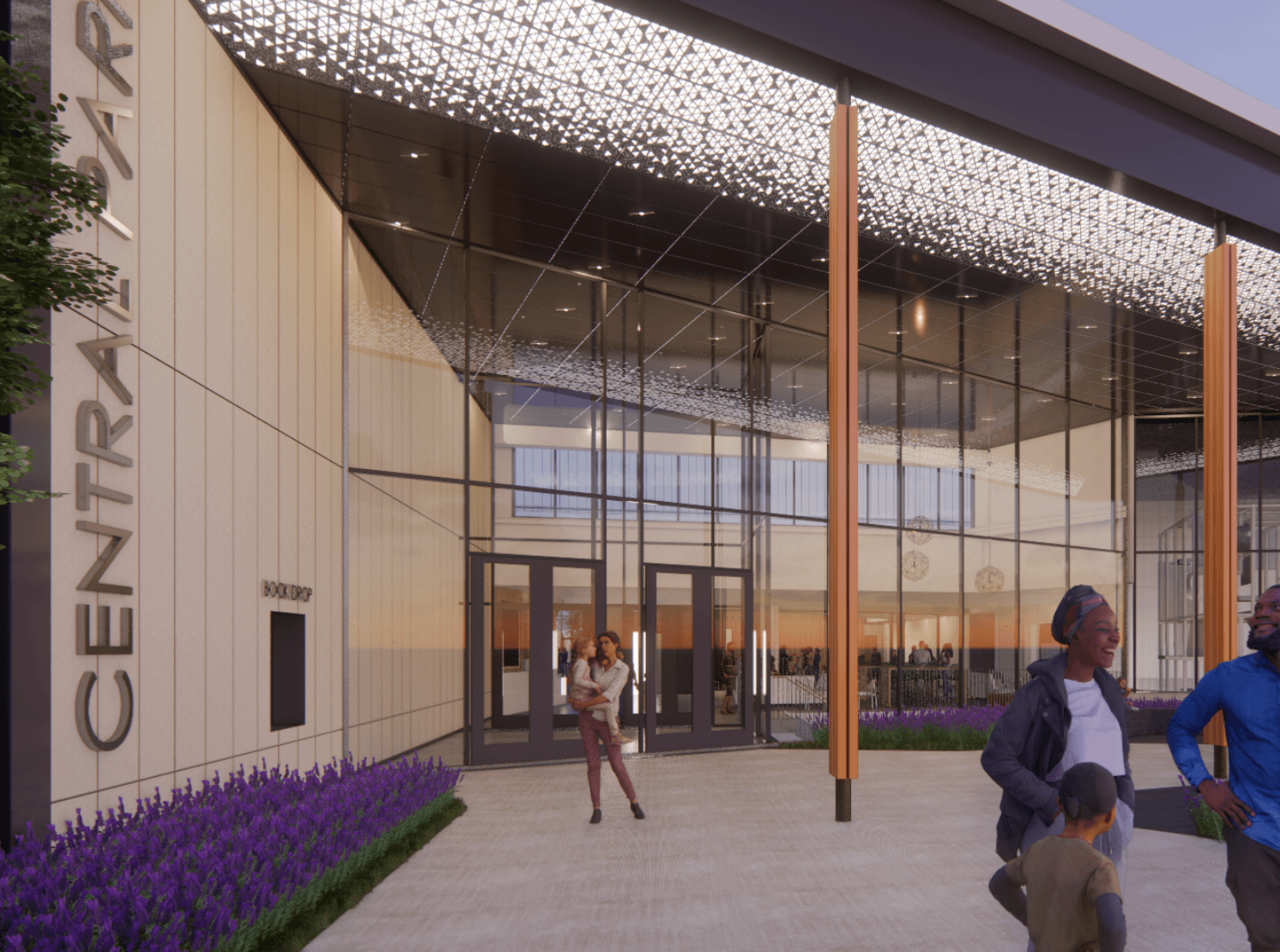
Woodbury Central Park Renovation and Expansion
Central Park in Woodbury, just east of St. Paul, Minn., is a unique indoor park space that blends natural landscaping with public programming. Originally constructed in the early 2000s, the facility was recently expanded by 17,100 square feet, with an additional 50,800 square feet of renovation.
The design preserved and enhanced the building’s indoor park character, updating systems and features to meet its energy goals. Despite being a renovation, the building hits high-performance targets and is designed to meet Minnesota B3 sustainable building requirements for energy efficiency. As a result of these design decisions, building energy use is reduced by 80%.
Here’s a summary of how the project got there:
- Rooftop PV array selected to match energy load and roofing type
- Ground source heat pump system utilizing geothermal wells
- Design promotes daylighting
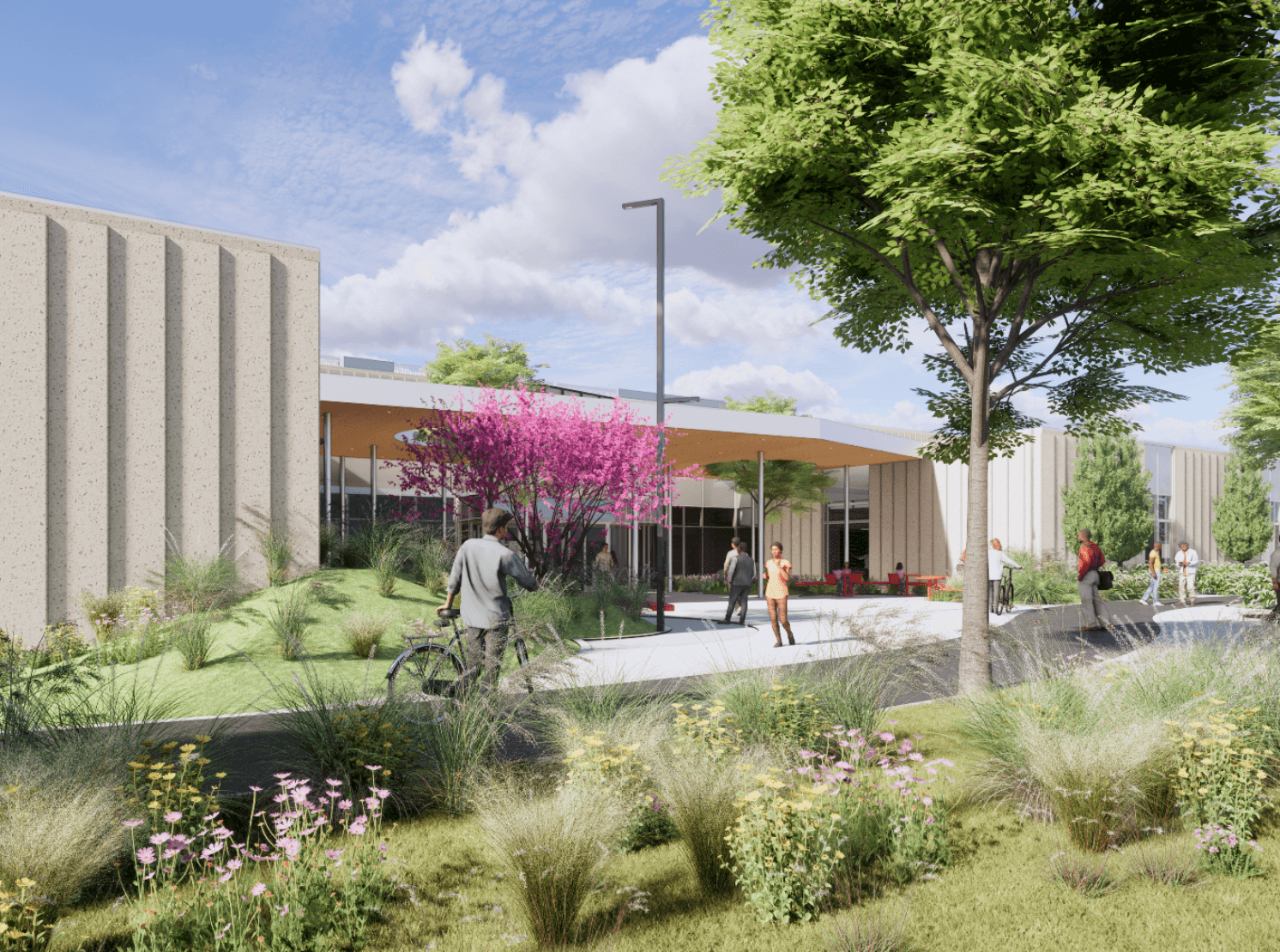
Bloomington Community Health and Wellness Center
The 105,900-square-foot Community Health and Wellness Center in Bloomington, Minn., brings together public health services and recreational programming within a facility designed to achieve LEED Silver certification with a strong emphasis on inclusivity, accessibility, and energy performance. Currently in the construction document phase and targeting a 2027 grand opening, the project also incorporates bird-friendly glazing and thoughtful indoor-outdoor connections that enhance its relationship to the surrounding community.
As a result of these design decisions, building energy use is reduced by 50% (even with high-energy-use elements like indoor aquatics). Here’s a summary of how the project got there:
- Rooftop PV array with infrastructure for future expansion
- Geothermal wellfield powers ground source heat pump system
Watch the latest project update video featuring HGA Design Principal Glenn Waguespack.
Designing with Purpose, Building for the Future
As communities continue to invest in shared environments that foster connection, learning, and wellness, energy efficiency is proving to be a powerful tool—not just for environmental impact, but for long-term operational value and resilience. These projects demonstrate that with thoughtful, strategic design, even complex civic facilities can achieve ambitious sustainability goals. At the heart of this success are HGA’s in-house sustainability experts, whose leadership, innovation, and deep expertise in building performance were instrumental in realizing these high-performance outcomes. Their collaborative approach continues to set a high standard for what today’s community spaces can accomplish. In shaping these environments into truly sustainable places, the work shows how intentional design can deliver measurable impact—supporting both environmental goals and collective well-being.
Learn more about HGA’s commitment to sustainability.
About The Authors

Glenn Waguespack
As a Practice Group Leader, Glenn’s authentic leadership has fostered a diverse and supportive culture in HGA’s Public Corporate practice in Minneapolis. A Design Principal with more than 25 years of experience, he has led the planning and design of a wide variety of community and corporate projects which uncover surprising, creative, and sustainable opportunities, resulting in impactful, award-winning architecture.

Nancy Blankfard
Recognized for her expertise and commitment to design excellence, Nancy is a skillful collaborator, adept at instilling a sense of place in her designs. With over 25 years of experience on a variety of cultural, arts and community projects, her work engages users in novel ways and inspires healthy, vibrant communities.