
In celebration of Nurses Week and the 2025 theme, “The Power of Nurses,” we invited members of our healthcare team to share moments when nurses transformed their approach to design. As architects and planners, we know our work is strongest when informed by those who deliver care every day. Nurses bring grounded, innovative perspectives that reshape how we think about safety, dignity, resilience, and healing. From ICU design to behavioral health, cancer care to emergency departments, their influence drives empathy and effectiveness in the built environment. The following reflections spotlight five powerful stories of how nurses have shaped—and elevated—our work in meaningful, lasting ways.
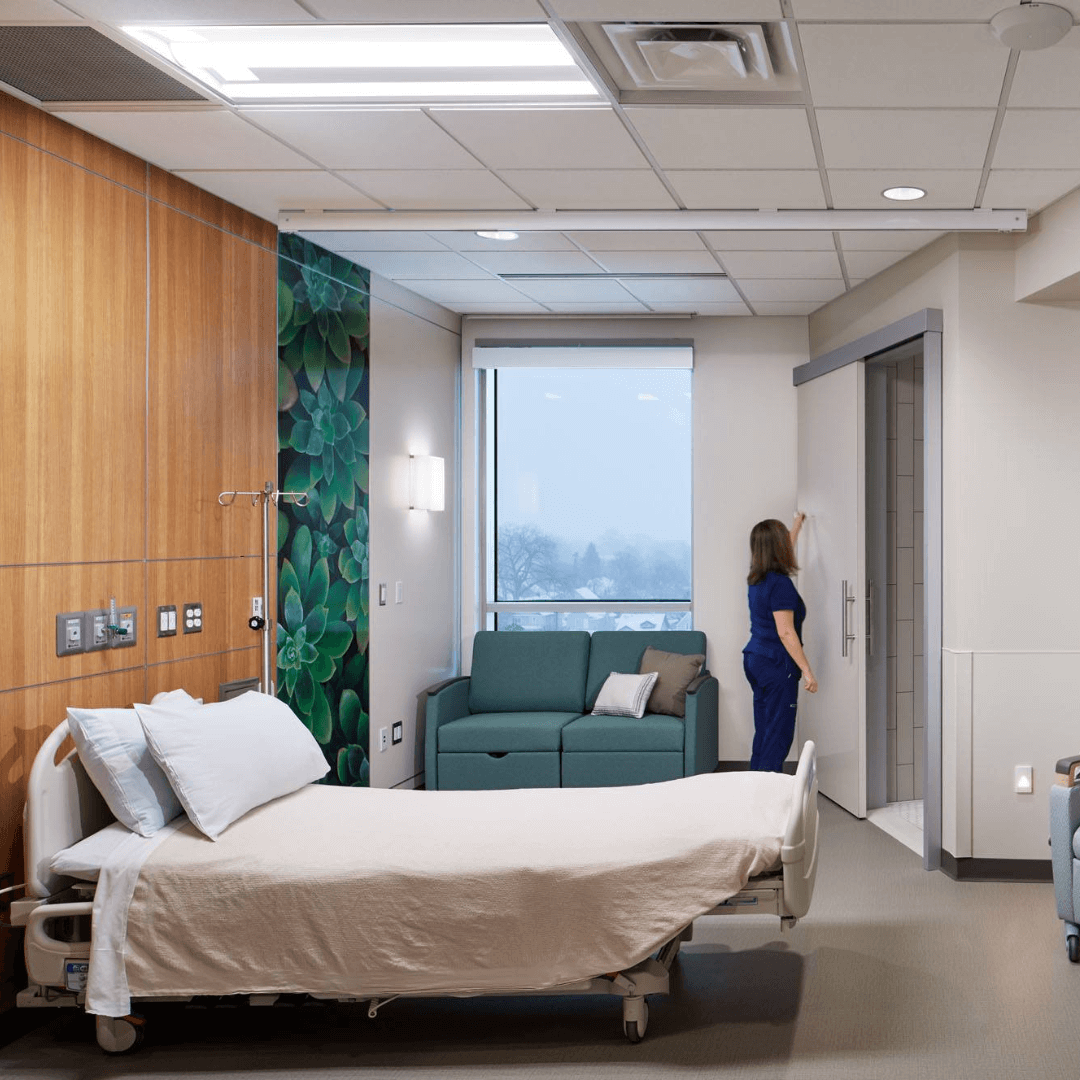

Nurses bring critical, real-world insight that strengthens our healthcare designs. At the Abbott Northwestern Hospital Neurological Care ICU that serves patients prone to seizures, it was the nurses who envisioned a single-button solution to quickly create a calming, safe environment. With one touch, lights dim, shades lower, the TV turns off, and staff are alerted—ensuring that any caregiver in the room can immediately respond to a patient’s needs. This idea, rooted in their day-to-day experience, significantly improved both patient care and staff response. It’s just one example of how nurses go beyond clinical input to shape environments that support healing, safety, and dignity. Their impact on design is both powerful and essential.

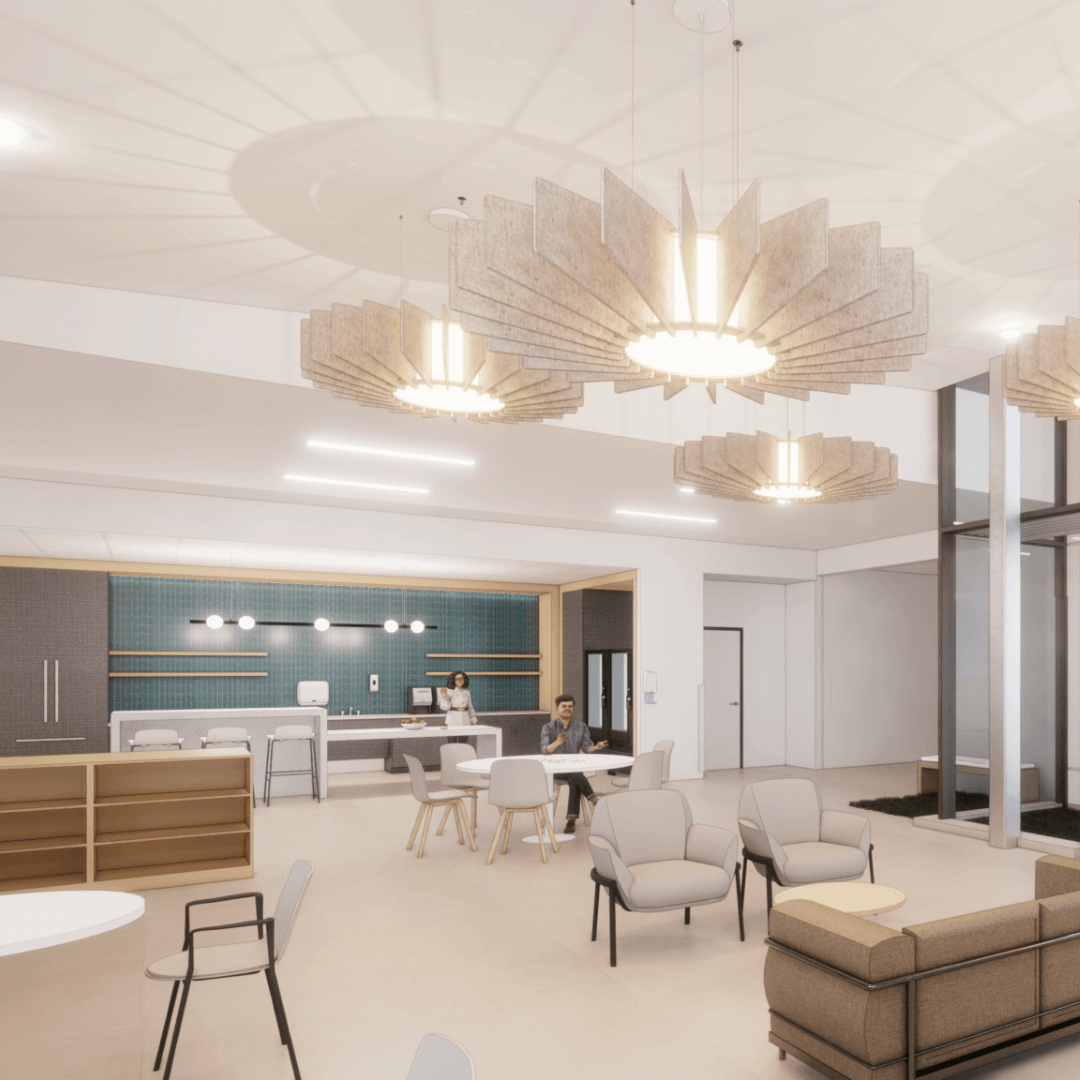
During a design review for Enloe Medical Center’s Comprehensive Cancer Center, a nurse reshaped my perspective on patient-centered care. While I had focused on wayfinding, efficiency, and comfort, she emphasized the importance of preserving patient dignity—advocating for single-stall restrooms throughout public areas and offering choice between private and social spaces in infusion. Her insights reframed design as more than functional—it became a tool for empathy, autonomy, and respect. That conversation deeply influenced my approach and reminded me that true patient-first design must honor the vulnerability and humanity of those we serve.


Terry Edmonson, MBA, MSN, RN, was a driving force in shaping the Child, Adolescent and Adult Behavioral Health Services Center at Santa Clara Valley Medical Center. His unwavering focus on improving patient outcomes guided every design decision. Terry led staff user group sessions, built consensus, and championed patient-centered features like choice in seating, lighting control, and access to fresh air. He shaped strategies for managing comorbidities, including the thoughtful placement of A.I.I. rooms. His advocacy for light-filled, human-centered spaces transformed the vision—away from institutional, toward healing. His leadership left a lasting mark on the building.

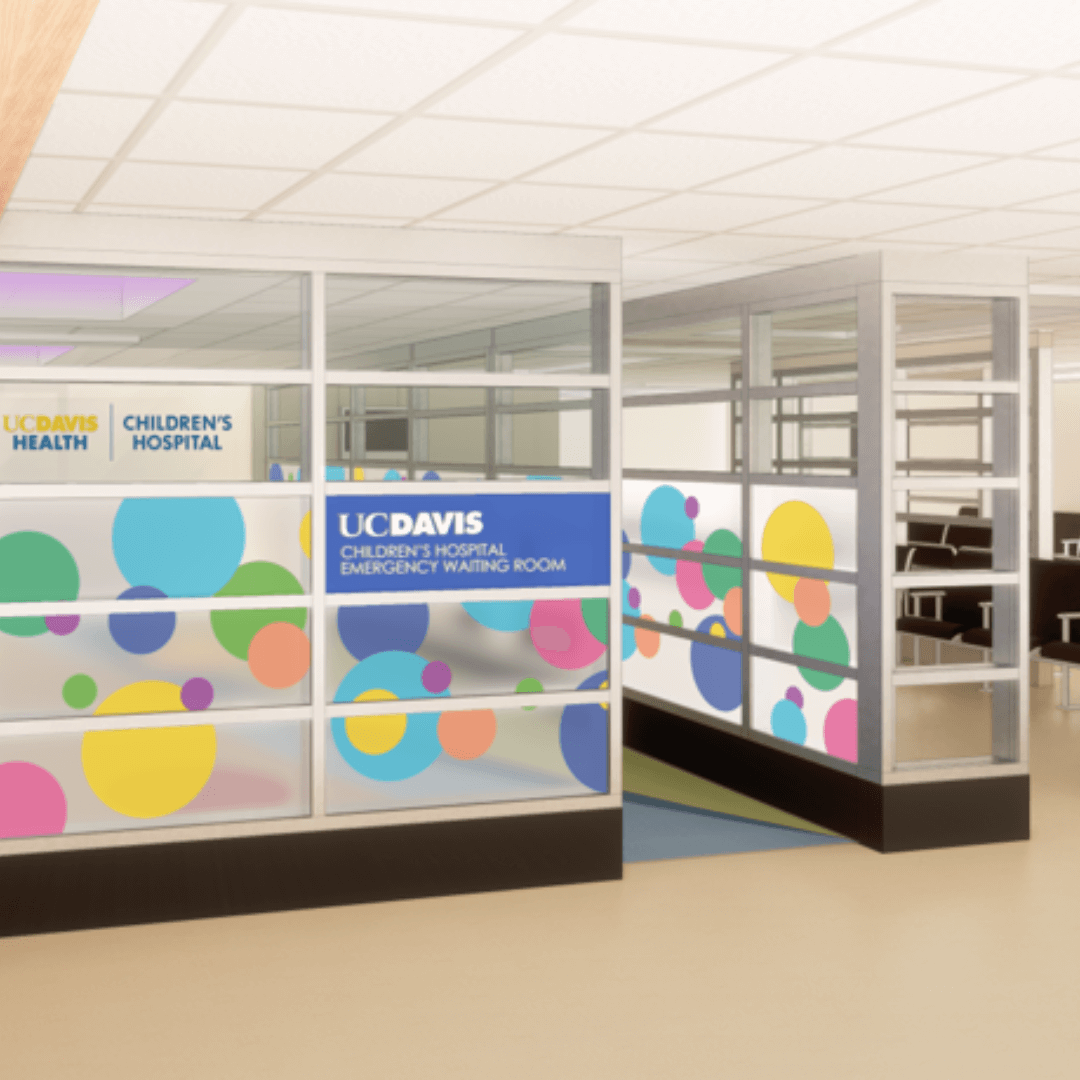
UC Davis Health ED Nurse Director Rupinder Sandhu’s compassion, commitment, and tireless work toward her team, patients, and family members are unmatched. We worked together on several process improvement workshops run by UC Davis for their clinical team, and Rupy brought us along so we could learn and contribute. She was quick to respond and adapt her built environment post-COVID to protect staff safety and well-being. Despite her accomplishments, her humility as an ED Director is evident. She selflessly dedicates every minute of her life to ensuring a better working environment for her emergency department.

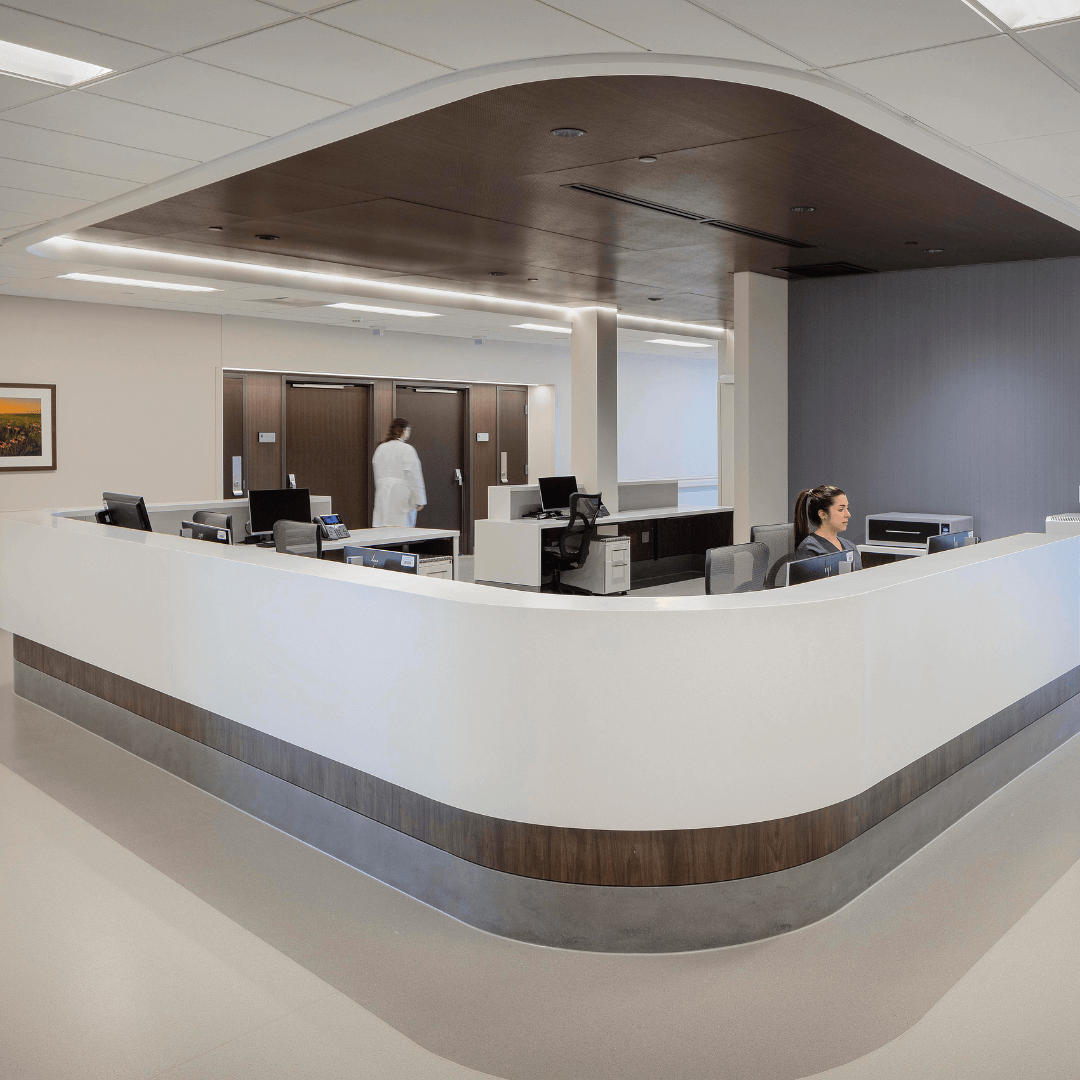
The CentraCare – Redwood Falls Nursing team played a pivotal role in shaping our hospital’s design, beginning in 2015 with Lean and Evidence-Based Design input across departments. Their feedback led to a major shift to a universal care platform, addressing staffing flexibility across Emergency, Surgical, and OB units. These nurses were engaged from start to finish—participating in user groups, providing continuous feedback, and later contributing to time and motion studies post-occupancy in 2021. Their collaboration, open-mindedness, and dedication had a lasting impact on the success of the project.

To learn more about HGA’s commitment to nurse’s check out Empowerment, Innovation, and Resilience: Transforming Nursing Through Design and Collaboration.