
In Conversation: Ariane Laxo and Amy Hellmund on Community Response and Design
The country watched in disbelief this January as wildfires swept across Los Angeles, destroying entire neighborhoods. More than 200,000 people evacuated their homes and businesses as fires cindered nearly 20,000 houses and structures. The historic Pacific Palisades and Altadena neighborhoods experienced the worst, although the destruction and toxic air was widespread.
HGA’s own team members witnessed first-hand the impact of the wildfires. Amy Hellmund, a Principal in our Arts, Community & Education practice, was among those who saw the fires approach her own home in Pasadena.
The wildfires set off alarms across the country, as a string of natural disasters have devasted communities, from hurricane-related flooding in Asheville, North Carolina to the recent L.A. wildfires. HGA has long been involved in resilience planning amid a volatile climate. Ariane Laxo, Director of Sustainability, has been at the forefront of this planning, while Amy has worked with clients throughout California to plan for inherent risks.
In the following conversation, Ariane and Amy discuss how the disaster increases the urgency to plan for resilience—sharing personal insight and professional advice.
Amy, you watched the fires approach your home. Can you share your first thoughts?
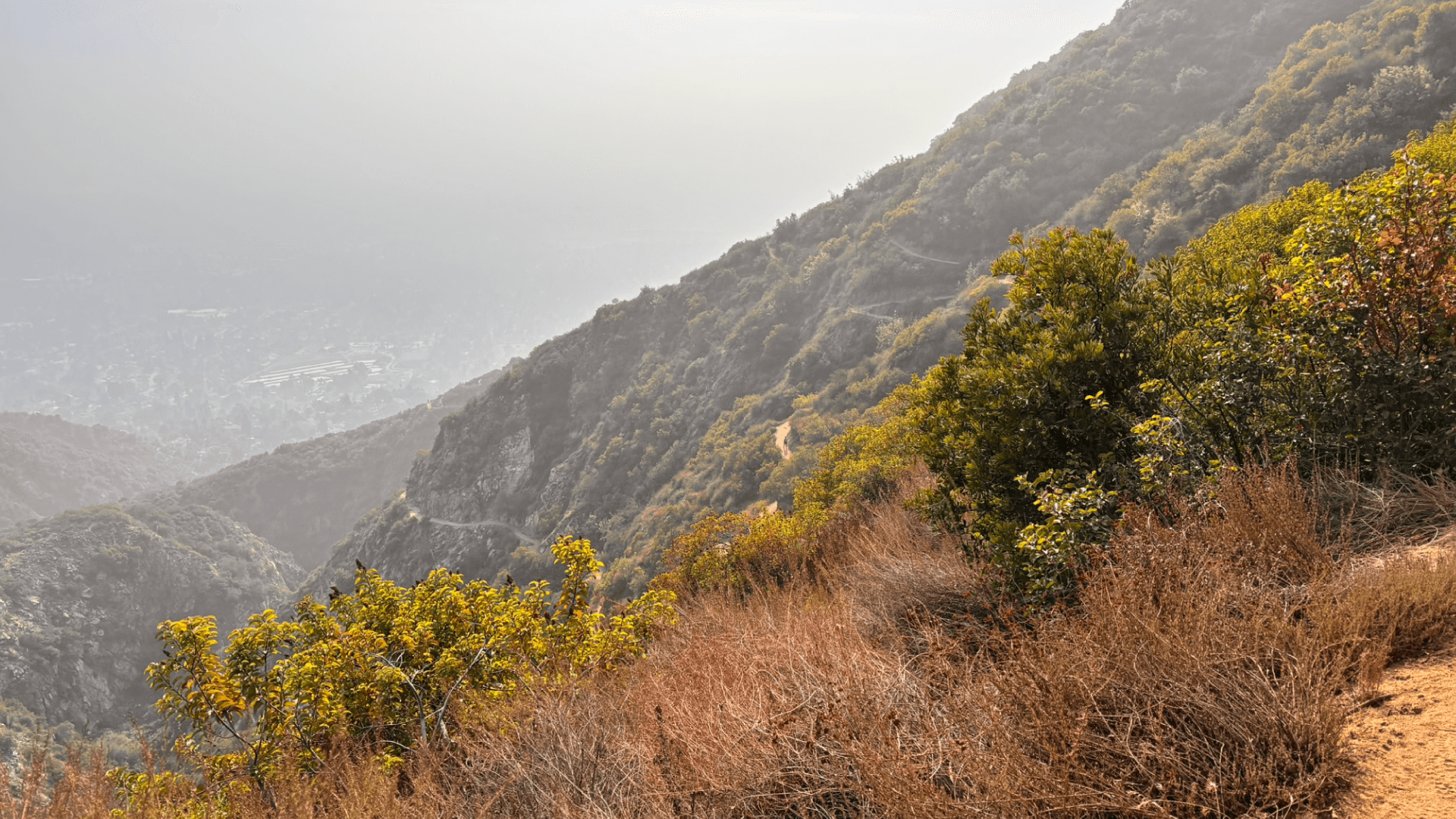
Amy Hellmund: I remember that day vividly. I was at the office in Santa Monica when we stepped outside and saw plumes of smoke rising over the Pacific Palisades, with flames licking the mountaintops. As I drove home to Pasadena, I glanced down every side street and saw the fire cresting the ridges. The entire mountain was on fire.
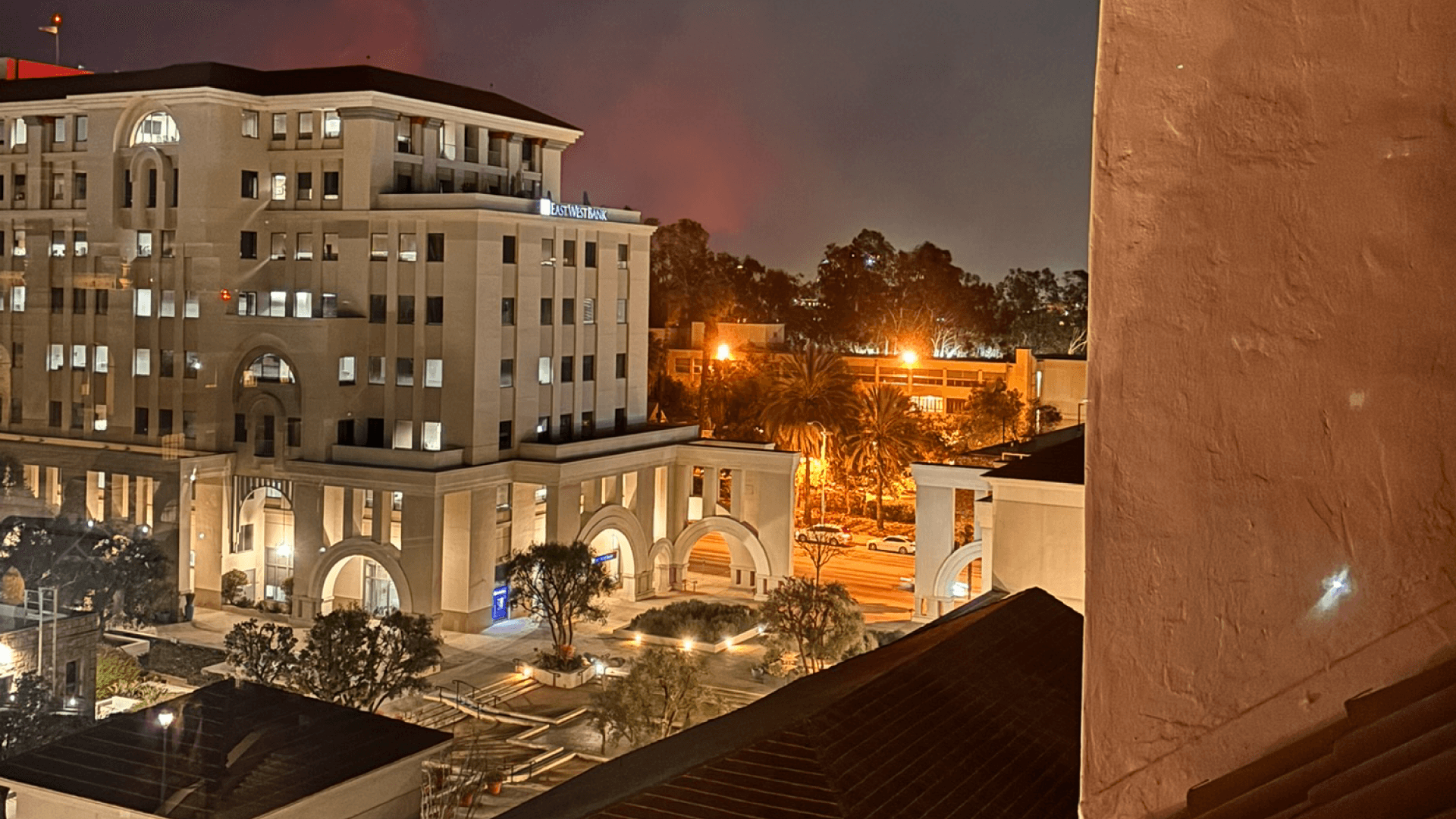
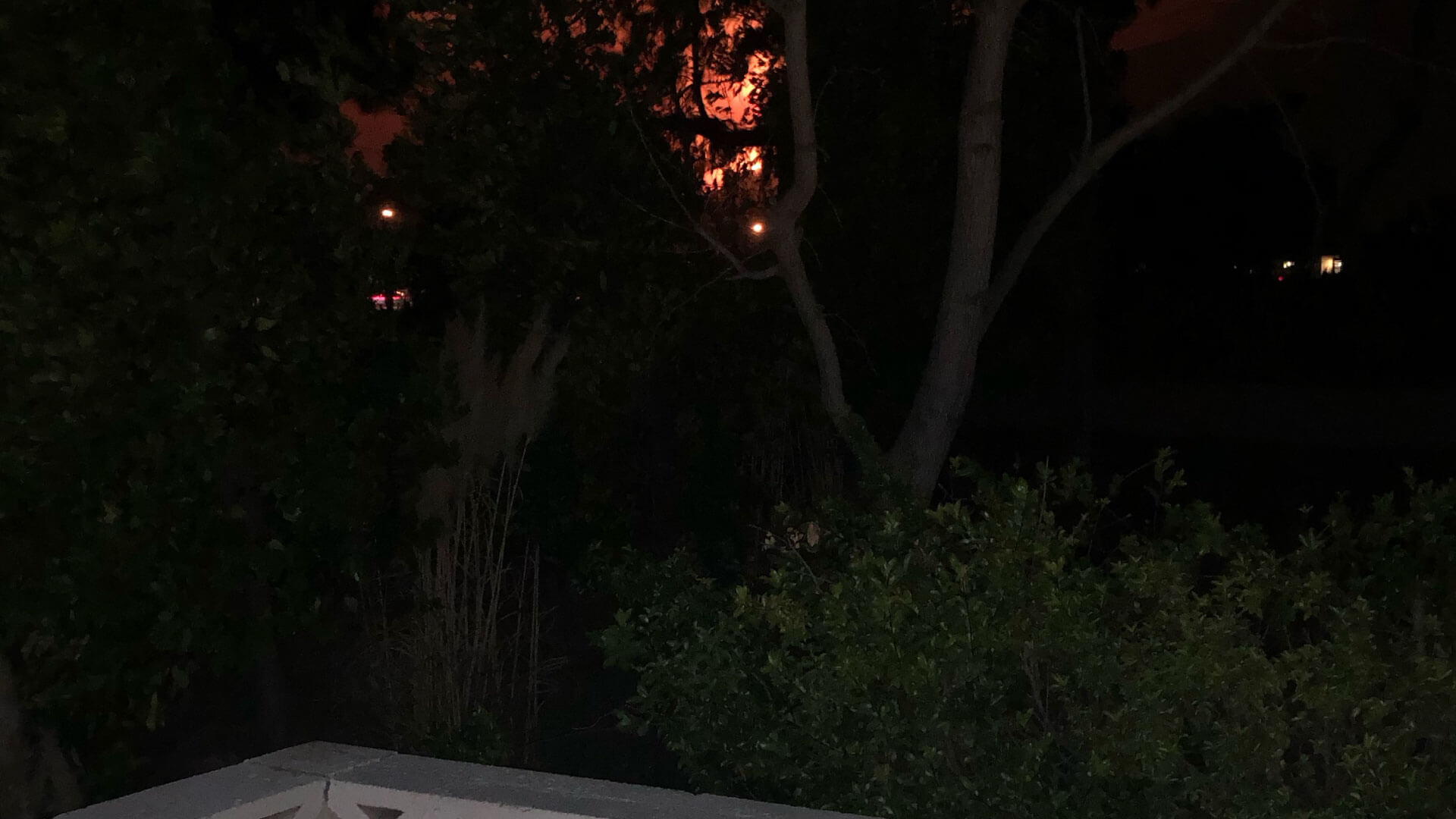
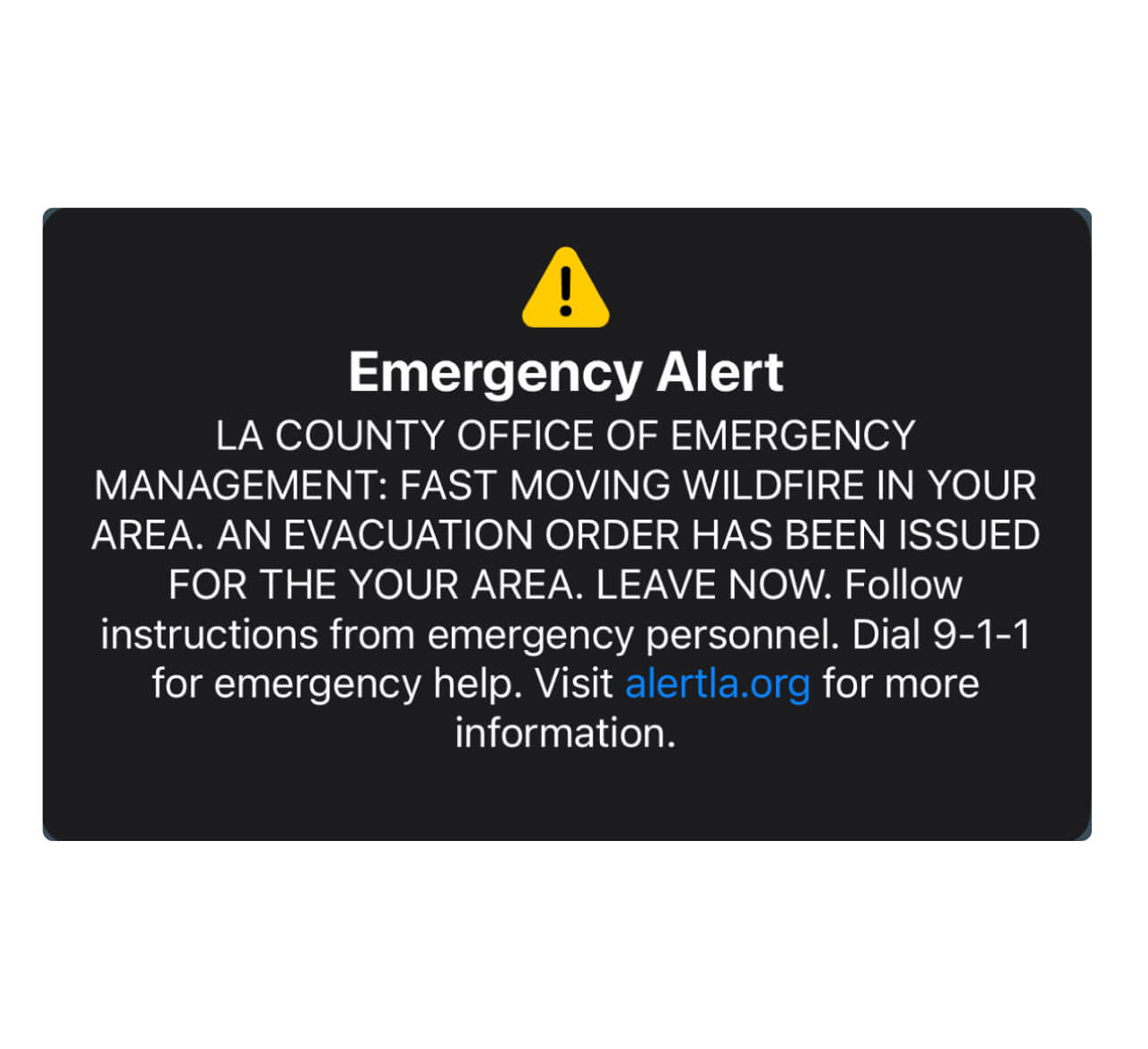
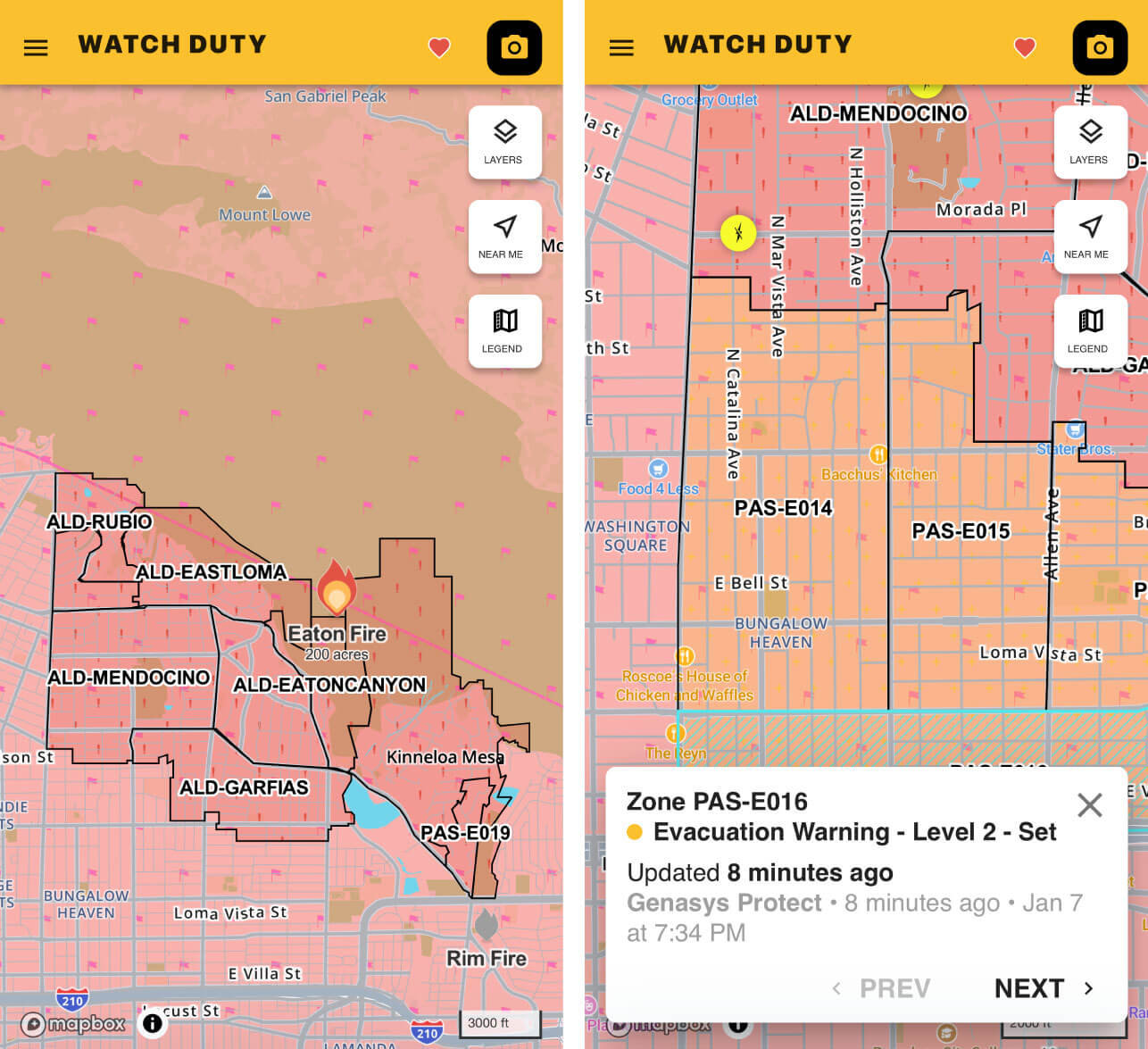
When I arrived home, I felt a sense of relief, thinking I was outside the fire zone. But by early evening, I was alarmed to see flames on the mountain out my north facing window. Looking out, I saw the sky glowing orange as another fire erupted beyond downtown. My friends in Sierra Madre and Altadena started calling and sending pictures from their yards, showing the flames inching closer. The fires weren’t stopping, and we all started enacting our evacuation plans.
So, it really impacted you personally.
Amy: Absolutely. It was incredibly emotional talking with friends on the phone. Everyone was tuned in, watching the fire advance either on TV or out our windows. I had friends and clients who lost their homes. But what really stood out to me was the power of the community in times of disaster. Neighbors were the first to step in, opening their homes, helping each other evacuate, sometimes even going back to save those who couldn’t get out on their own. The first line of defense always begins at the personal community level. That sense of unity and immediate action is what made the difference for so many people.
These disasters are piling up. As designers, what do you both say to your clients about planning for resilience?
Amy: Our design process often begins by looking at the broader context beyond just the building property itself. In higher education projects, for example, I often discuss the importance of community networks, how one institution might need to respond if a neighboring institution or community is impacted by a disaster. Many of our clients already have strong relationships with their peer institutions, but the real opportunity lies in strengthening those connections and making them more actionable in times of crisis.
Ariane Laxo: The most recent extreme disaster is always top of mind and changes the conversation. A lot of our clients already do hazard mitigation planning and risk management. But now with disasters like this happening more frequently, we’re seeing more interest in risk assessments and clients asking how we can help them plan for resilience. When we offer these services to clients, we discuss the benefits of forecasting potential hazards, assessing risks, and then prioritizing where to plan design solutions that will mitigate or adapt to the greatest risks.
What does that risk assessment process involve?
Amy: In sustainable and resilience planning, we look 10 to 20 years ahead to design for future risks. These wildfires affecting dense urban areas highlight the urgency of proactive planning. We assess disaster risks, how a building may be impacted, and what mitigation measures—ranging from low to high cost—can enhance resilience. Just as importantly, we consider how our designs affect neighboring properties, ensuring we’re not unintentionally creating greater risks but instead fostering safer, more resilient communities.
Ariane: I agree, and we often go far beyond 20 years—looking at the potential impacts of climate change we might experience by the end of century. There might be a general sense of surprise seeing these disasters. But when we look at past climate data projections, patterns have been emerging for years that suggest events like these really shouldn’t be a surprise. Communities can better prepare in the future. Our Resilience Planning & Practice can scale up or down depending on the project and location to help mitigate risks over a building’s lifetime. We also work directly with climate scientists so that we can better understand the projection models and data. The more we can share this information with our clients, the better we can help them plan for resilience.
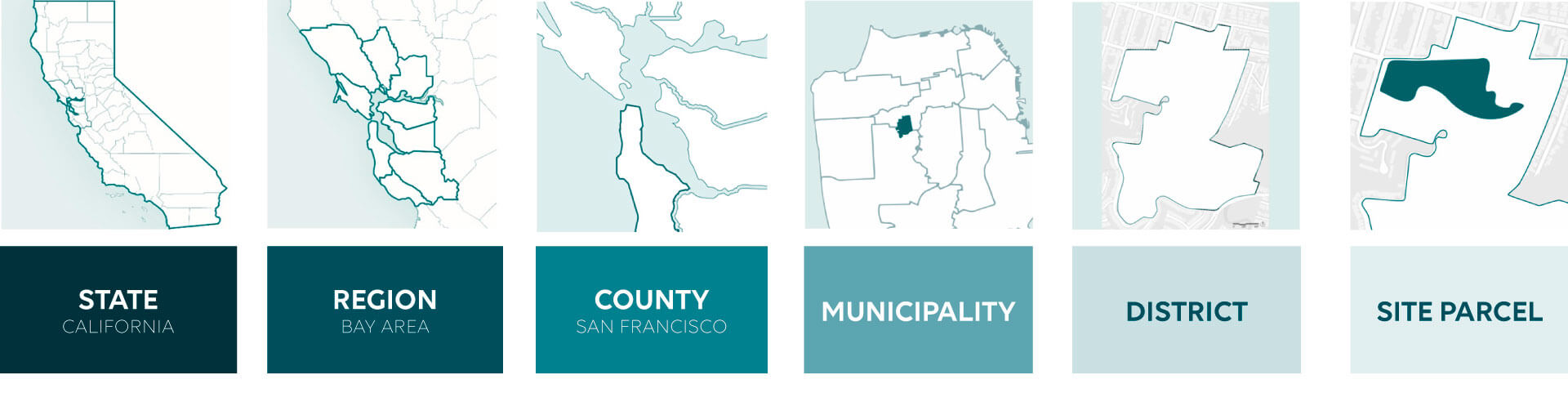

 Our resilience planning is scalable to the project, from a single facility to a campus to a city, region, or statewide project.
 Where is the building industry on resilience planning and disaster assistance?
Ariane: I think the industry has done a great job with disaster assistance so far. The AIA Resilience Disaster Assistance Program, for instance, has been a leader in providing industry resources. But where the industry still has an opportunity is consolidating resources and consistently offering comprehensive risk assessments so that architects and engineers are planning for resilience in a similar way.
But this will take time, so what can we do in the meantime? Use projection data and information to have conversations with owners and communities about risk. Cal-Adapt has projection data on future climate for the state of California, for example. This information is out there. I think the opportunity now is for design firms to take up that challenge and really jump into that space with clients and bring scenario planning into practice by looking at plausible future scenarios and how they impact design.
Amy: In some ways, we were getting out over our skis here in Los Angeles after the wildfires. Since day one, there’s been an overwhelming rush to help, which is great. But with so many sources of information, it’s became difficult to distinguish what information was even accurate. This flood of mixed messaging is stressing homeowners and, in some cases, eroding trust in the architecture and building community.
The AIA Pasadena & Foothill chapter has done an outstanding job organizing and verifying volunteer architects to support wildfire-affected homeowners. Their Wildfire Recovery and Resources and Ask an Architect outreach programs provide reliable guidance, helping homeowners navigate the rebuilding process with trusted professionals. The goal is to remove barriers and make rebuilding as straightforward as possible while connecting them with resources they can use.
How do we put these resources into action, considering the recovery task ahead with the wildfires?
Ariane: At the building scale, the AIA Disaster Assistance Program offers a Safety Assessment Program (SAP) Evaluator Training. SAP certified professionals can come into buildings affected by the fires and do a damage assessment to identify which structures are safe to renovate in recovery efforts.
Amy: But when we look at the larger community, places like the Pacific Palisades or Altadena, where entire city centers were lost, we must consider the historic and cultural fabric. These weren’t just buildings; they were generational homes and businesses that shaped the identity of their communities. The challenge is rebuilding in a way that preserves that history while addressing what wasn’t working before—whether it’s outdated infrastructure, fire resilience, or community needs.
Our role as designers isn’t just about replacing what was lost, but about engaging with residents in a meaningful way. It’s a partnership—mobilizing the community, having empathetic discussions about their vision for the future, and ensuring that the places they love remain recognizable while becoming stronger, safer, and more adaptable.
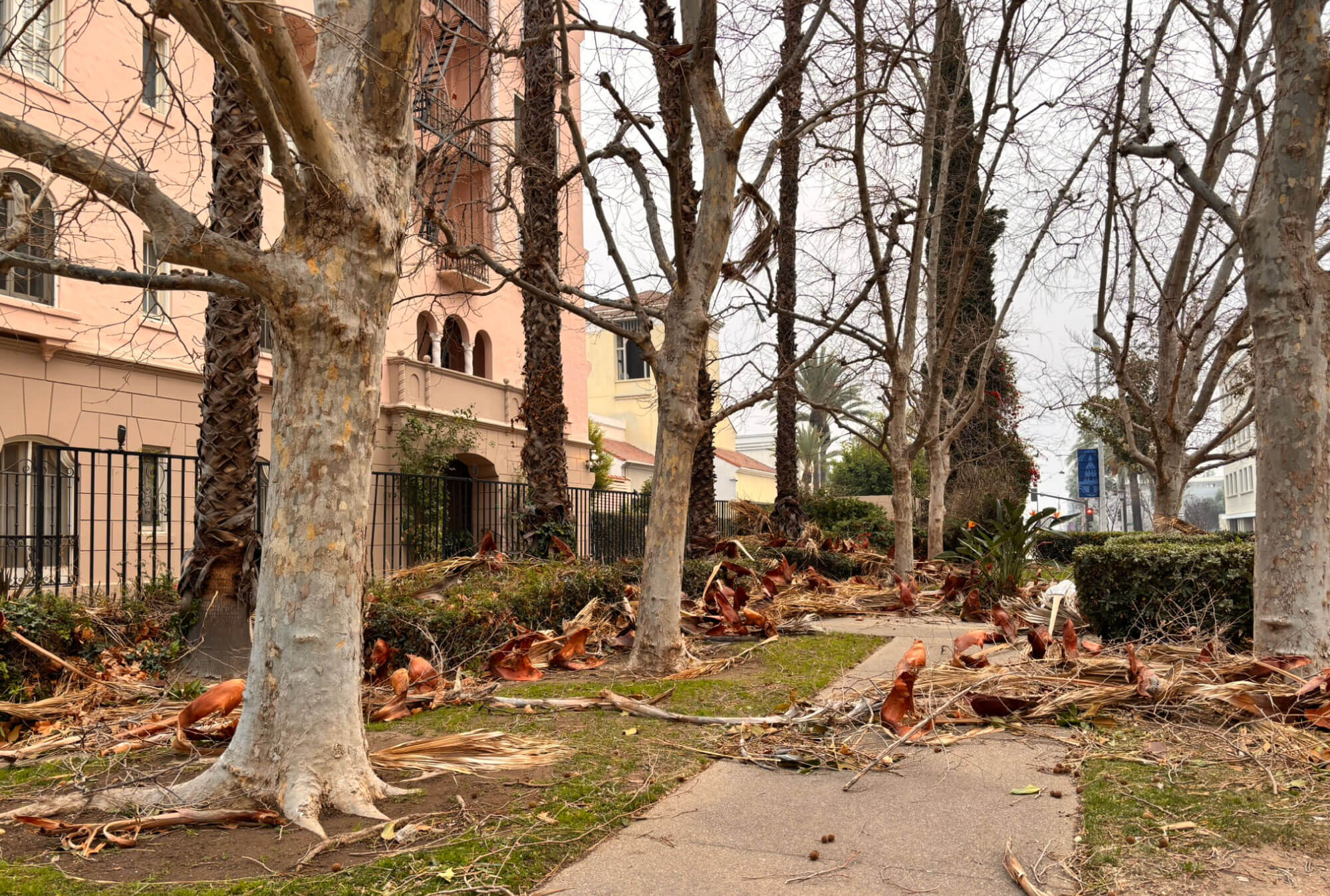
Debris caused from the Santa Ana winds, which fueled the fires. Photo: Amy Hellmund.
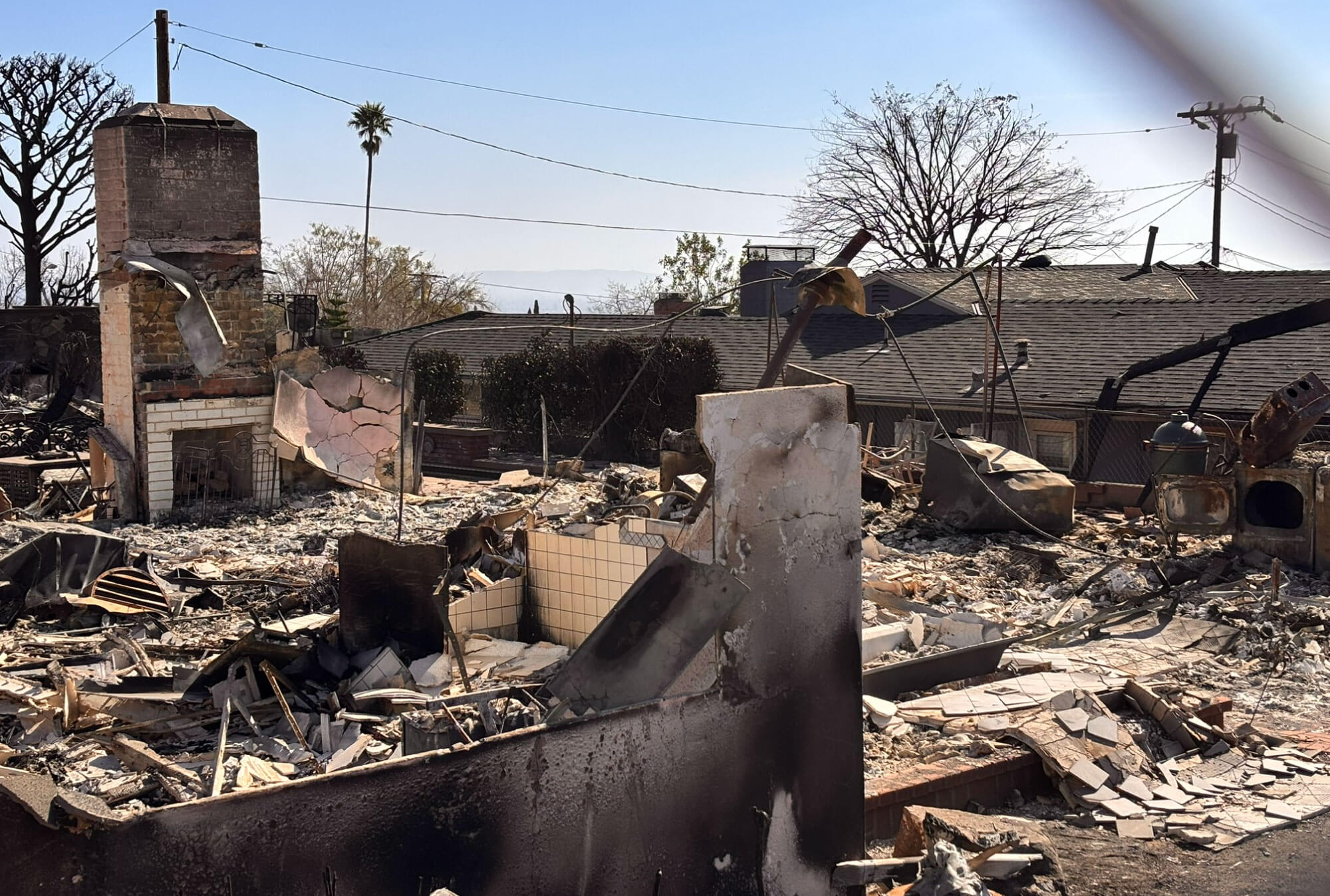
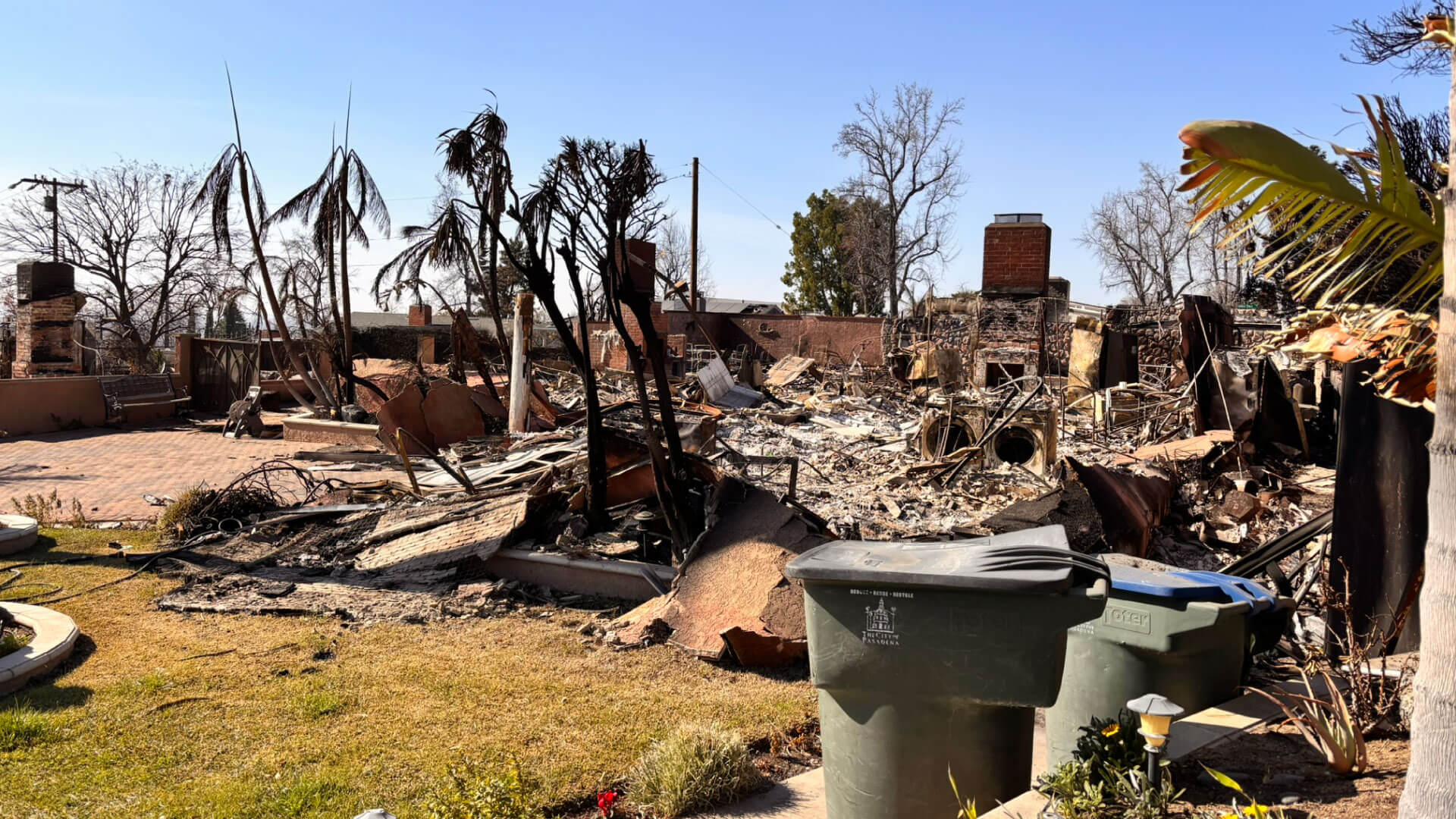
A house in Pasadena destroyed by the fires, while several neighboring houses remained untouched. Photo: Amy Hellmund.
Where do you hope we’ll be in five years, as a design industry and as a community of neighbors?
Ariane: In the next five years, there will undoubtedly be more climate related disasters nationally. The awareness that comes from these disaster events gives our communities an opportunity to strengthen infrastructure and prepare for the reality of what could be coming. We can learn from every disaster. And building owners can use this time to bolster their planning approach and extend their network of partners to improve community resilience.
Amy: Building those connections is key. Right now, I’m working with other architects in the Ask an Architect program, inviting community members to engage with us, not just as design professionals, but as neighbors who have experienced the same challenges. Through this disaster, I’ve not only strengthened bonds with fellow architects but also deepened my connection with the community. Moving forward, I hope to see more of these collaborations, where expertise and lived experiences come together to create stronger, more resilient neighborhoods. ∎
Learn more about HGA’s national leadership role in Resilience Planning & Practice.
Resources