
You may have noticed: the word “experience” is having a moment. From visitor experience to customer experience to user experience, the concept is popping up in everything from tech to retail to government services.
For museums, focusing on experience is nothing new. Many institutions have shifted their approach to embrace impactful experiences. What did it feel like to live in Ancient Egypt? Or hear cannon fire during the Civil War? Or ride an elevator down a mine shaft during the Industrial Age? Immersive experiences engage our senses—sight, sound, and even smell—and invite us to participate, creating vivid, lasting impressions.

But interest in immersive experiences has accelerated among museum leaders in recent years—just one of many changes HGA has observed. Having completed dozens of cultural institutions across the United States, HGA’s design team has a broad perspective on these evolutions. Our work with a wide range of institutions specializing in art, history, science, and more allows us to see how museums are discovering new ways to engage visitors, increase impact, and drive revenue. Here’s our take on the shifts happening in the museum world:
 Interactive and immersive experiences
You’ve heard of “Van Gogh: The Immersive Experience”? Maybe even purchased a ticket to this traveling sound-and-light show? The exhibition doesn’t involve any actual paintings, but its popularity is undeniable. It’s participatory and gets people talking. It’s clear that multisensory experiences create memories—and buzz that drives exhibit traffic.
Immersive experiences take many forms, extending beyond technology. At Ramsey County Historical Society’s Gibbs Farm in St. Paul, Minnesota, HGA designed a new educational and exhibits building that seamlessly integrates with its surroundings, immersing visitors in the sights, sounds, and even smells of nineteenth-century agricultural life. The design connects with the landscape, blurring the lines between inside and outside. This experience is especially impactful for young students from urban settings, offering them a rare and memorable encounter with the prairie.

 Revenue-generating, multipurpose spaces
Rental and event spaces were once considered secondary to a museum’s mission-driven functions. Today, as museums strive to expand their audiences, serve their communities, and generate revenue, these flexible spaces have become a central focus. From weddings and corporate conferences to gala fundraisers and community gatherings, museums are now sought-after venues that offer unique and memorable settings for a wide range of events.
The American Swedish Institute in Minneapolis, for example, recently completed work on a new wing that includes a protected courtyard where both community and private events can be hosted. The space has attracted widespread interest and is conveniently connected to food-service facilities and other interior amenities that can be used during events. Museums designed with accessible rooftops are also popular with event planners because they offer a unique vantage point of the surroundings.
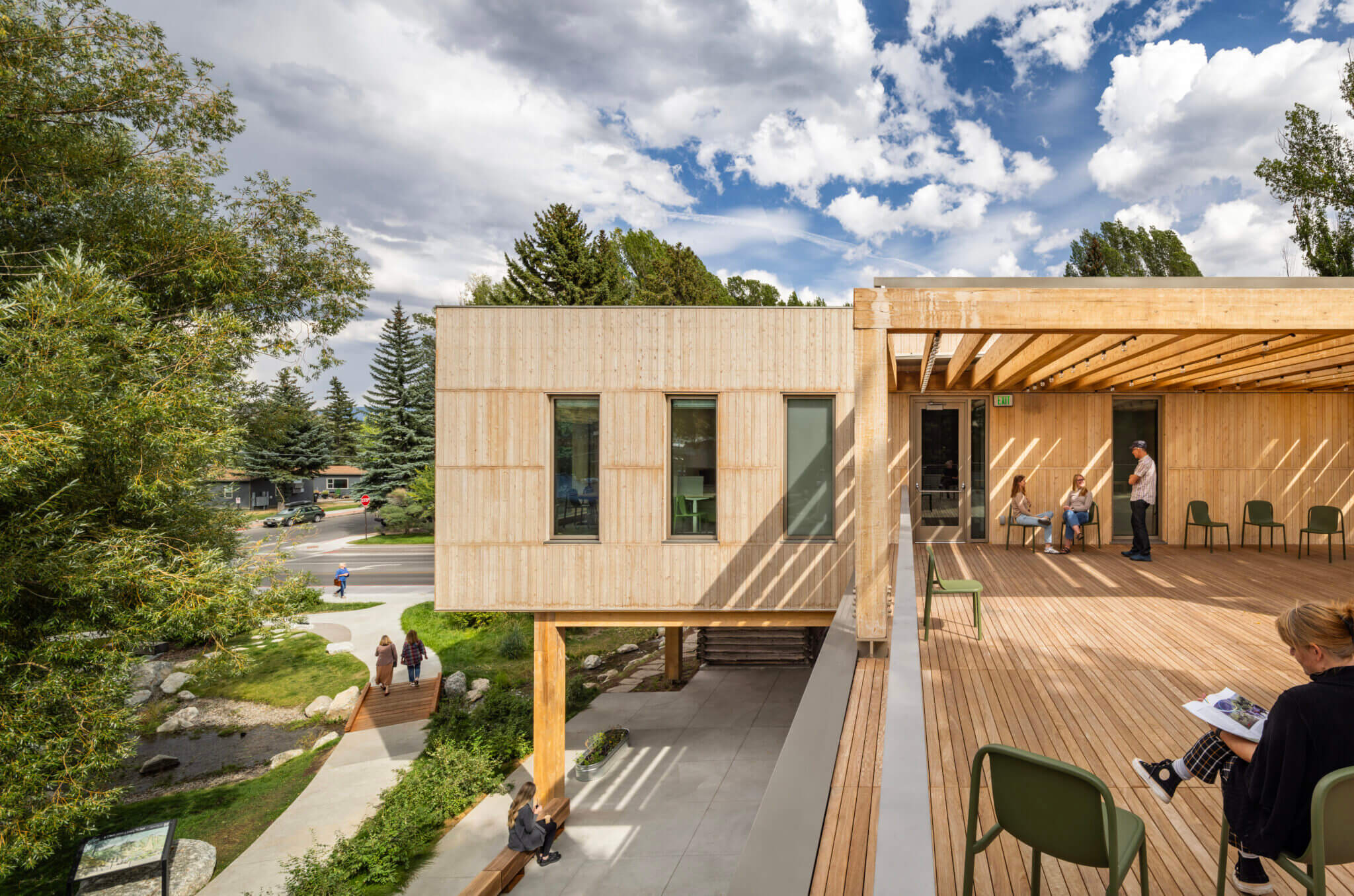
 Blurring the lines between inside and outside
Even prior to the pandemic, interest in spaces that blurred the lines between indoors and outdoors was on the rise. For museums, this means increased use of glass, incorporation of courtyards, and even more use of balconies, patios and porches that allow visitors to enjoy some fresh air and take a break from the exhibit experience.
HGA’s design for the Minnesota Military & Veterans Museum transforms 32 acres into a dynamic space that honors military history and service. The expansive grounds will showcase military vehicles, aircraft, and artifacts, while also serving as a parade ground for deployment ceremonies—welcoming visitors whether they enter the museum or not. Thoughtfully integrated outdoor spaces will enhance the museum’s indoor exhibits, creating a seamless and engaging experience for all who visit.
 Connections with local food and retail
Museums are increasingly emphasizing locally sourced food and products in their shops and dining options. This not only supports local artisans and businesses but also enhances the overall visitor experience, offering authentic products and flavors that reflect the institution’s location and community.
For the Walker Art Center in Minneapolis, HGA designed a new entry that not only ties the facilities to the Minneapolis Sculpture Garden, but it also includes a retail shop that sells locally produced goods and a restaurant that’s open even after the museum is closed.
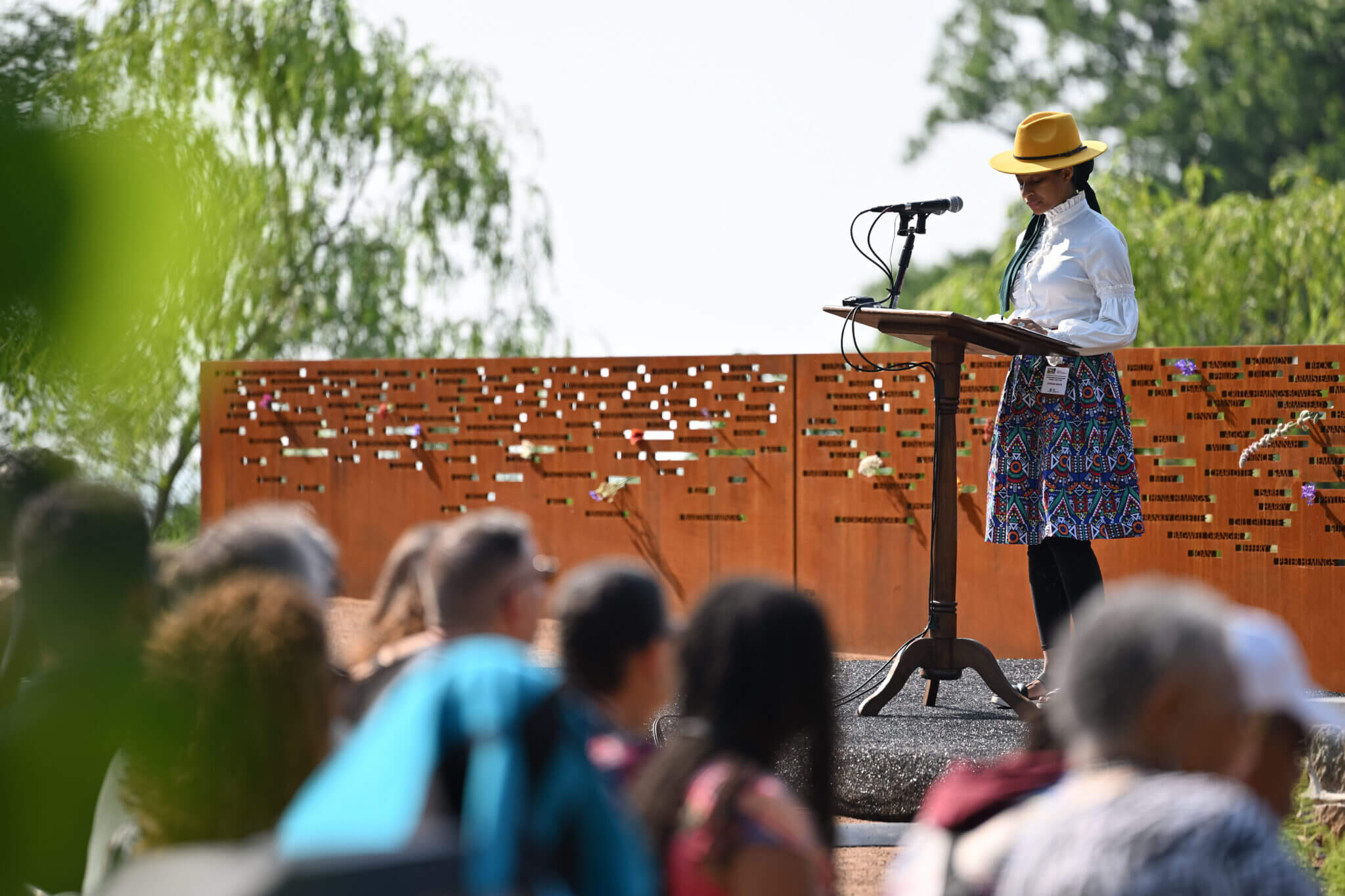
 Authentic community engagement
 Accessibility that signals welcome
As the U.S. population continues to age, museums are increasingly prioritizing how to make their visitor experiences more universally welcoming and comfortable. Institutions may also be aware that people with disabilities attend museums at roughly half the rate of the general population, representing a tremendous patronage growth opportunity.
Accessible design doesn’t always involve costly renovations, like adding ramps and elevators. Enhancements often start with connections to community advocates and specialists who can help prioritize investments in accessibility. For visitors, the measure of accessibility often begins at the museum’s website, where they can gauge how attuned the museum will be to their specific needs. Upon arrival, accessibility means curbside ramps, a welcoming entry, well-trained staff, and spaces and programming that meet the needs of a variety of visitors. Notably, our design team has found that such measures encourage repeat visits and enhance the experience of all museum visitors.
To learn more about how HGA can assist in creating a museum design that inspires and engages the next generation of visitors, please contact Amy Braford Whittey, National Arts Market Strategist, at abrafordwhittey@hga.com.
About the Authors

Roxanne Nelson
