
The 2024 death of New York City resident, Flaco the Owl, made headlines worldwide. A longtime attraction at the city’s Central Park Zoo, the Eurasian eagle owl escaped into the wild in 2023 after his enclosure was vandalized. Throughout his year of freedom, Flaco had been spotted in several locations across the city, but in late February he crashed into a midrise building on the Upper West Side and died on impact.
Bird collisions have risen dramatically as the urban environment has grown. Buildings with extensive glass exteriors, such as high-rise glass towers, low-rise commercial properties, and even single-family homes, pose a particular threat to bird populations. While most avian species have excellent vision, glass is essentially invisible to birds: It can appear clear or reflective, mirroring the sky or surrounding foliage. A 2020 study found that bird strikes are far more common than we may think, totaling more than 1 billion fatal collisions annually.
What can architects do to reduce bird collisions and improve wildlife preservation? Bird-safe glazing is one promising solution. It can mitigate bird collisions, promote biodiversity, and create sustainable urban environments.
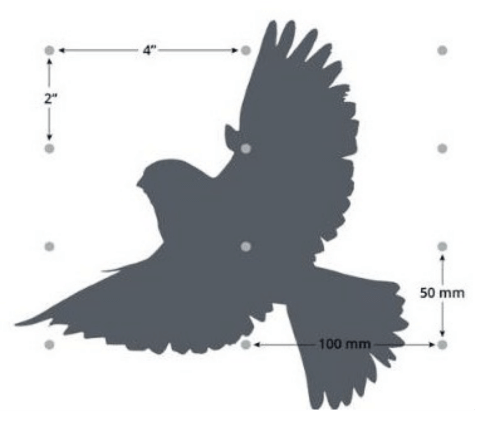
Bird-Safe Glazing
Bird-safe glazing is designed with marker patterns and visual cues that deter birds from colliding with glass. Fritted glass, etched patterns, adhesive films, and UV-reflective glass are among the solutions being implemented. In new construction, these conservation features can be integrated into the design with fairly simple guidelines and a slight premium in glazing cost. Retrofitting existing structures to make them more bird-friendly can be challenging but it is not impossible.
Bird-Friendly Design Principles
Bird-safe buildings involve more than just glass, however. Building orientation and placement play crucial roles in minimizing bird collisions. Thoughtful landscape design that incorporates vegetation, water features, and feeders can attract birds away from hazardous areas.
Lighting design also matters, as migratory birds that fly at night can often be drawn off course by bright lights in tall glass buildings. Utilizing dark-sky compliant exterior fixtures can drastically reduce this environmental impact while lowering energy loads.
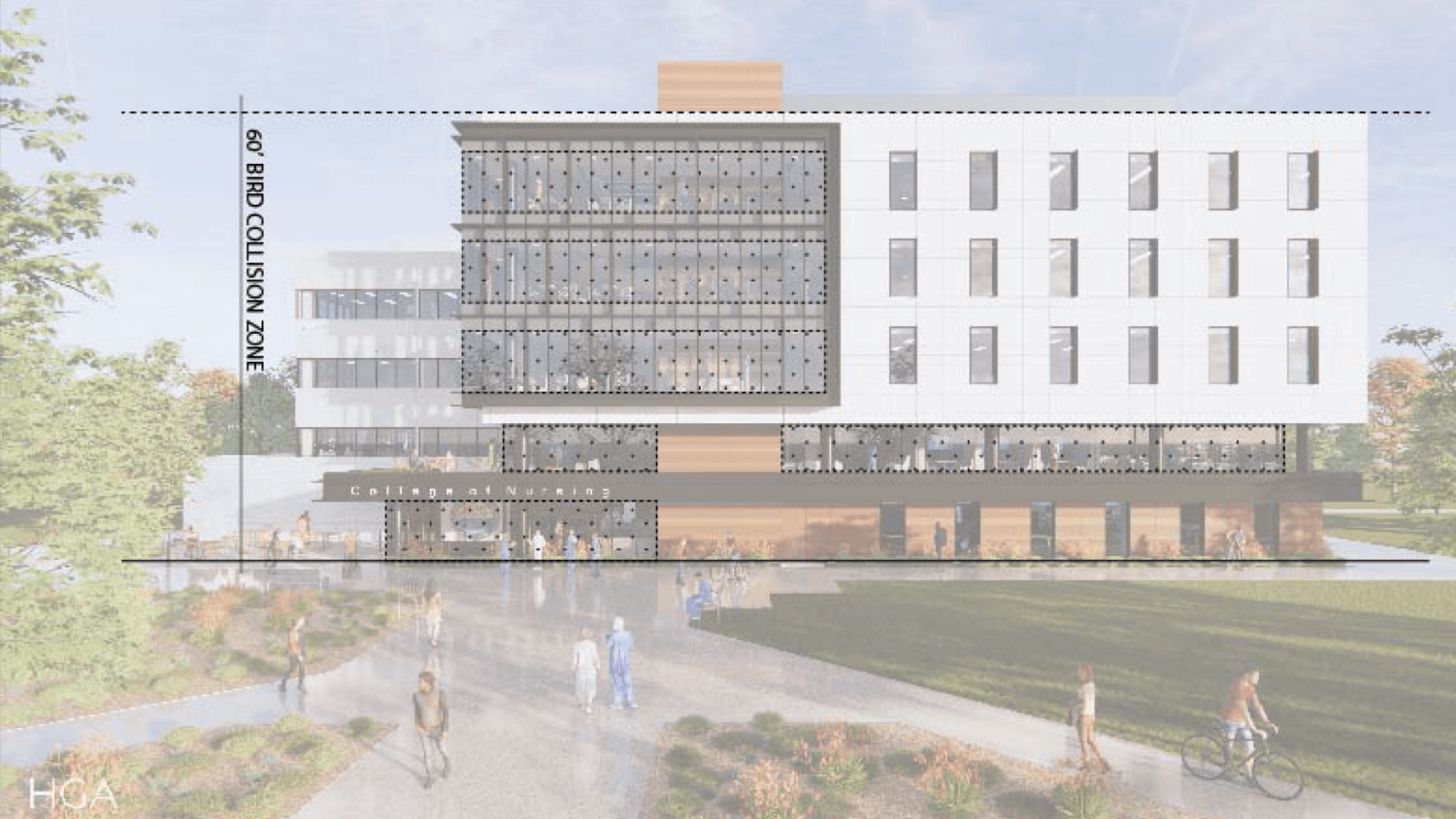
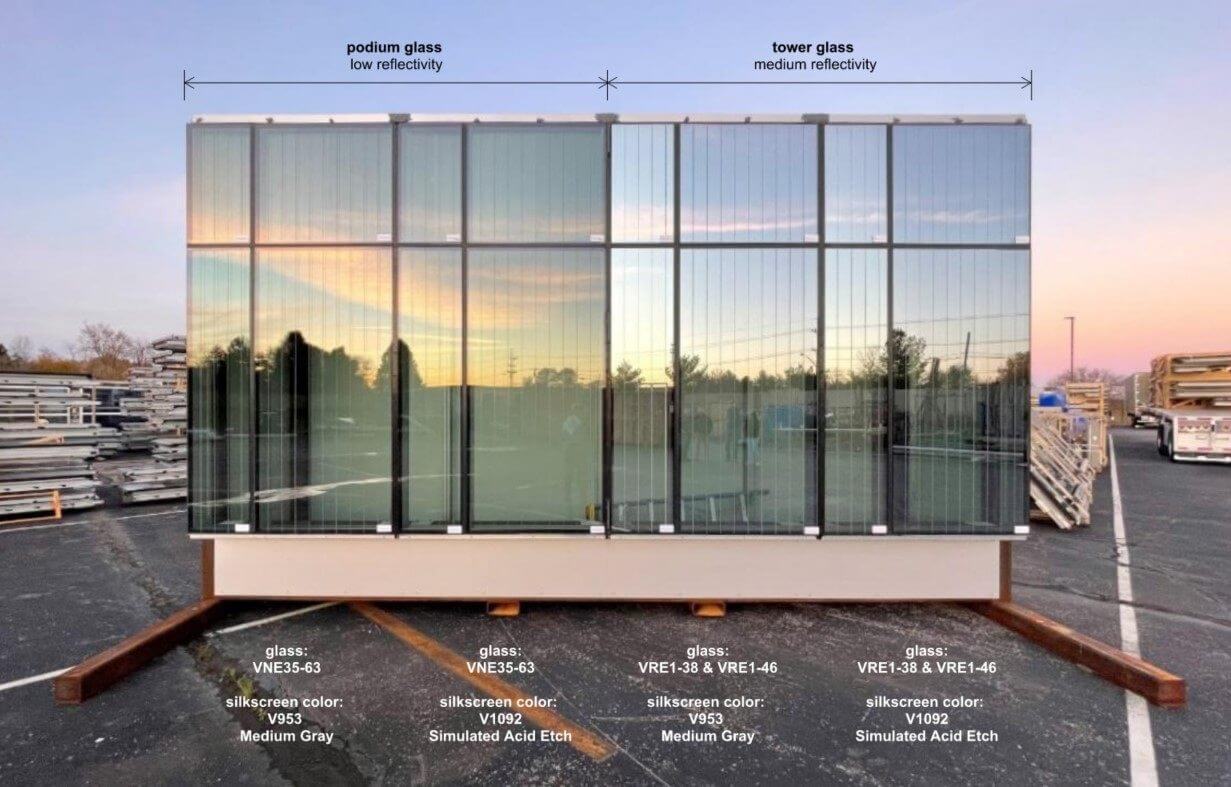
Several recent HGA projects have successfully implemented bird-safe glazing. For the Marquette College of Nursing in Milwaukee, we utilized UV-reflective dots on the outer surface to make glazing more visible to birds without obstructing views from the interior. At Lake Waconia Regional Park – Paradise Commons, bird-safe frit is present in the glass throughout. Both projects referenced best practices like Audubon’s bird-safe fact-sheet and various state-led policies.
Collaborative Efforts and Policies
Addressing the issue of bird collisions requires collaboration among architects, conservationists, and researchers. Policymakers can also play a vital role in promoting bird-safe building design. Many building certifications offer credits and resources to address bird-safe glazing, including the recently released LEED v5, which includes bird-friendly glass as an option for Biodiverse Habitat credit. Cities and states that have adopted bird-safe building measures include:
- New York City
In 2020, New York City adopted Local Law 15, requiring all new construction and significant renovation projects to install materials that reduce bird strikes. - San Francisco
In 2011, San Francisco became the first U. S. city to require bird-safe measures for new building construction and replacement facades. - Chicago
Since 2020, bird friendly building policies have shifted from being mandatory to point-based, with continued advocacy for required adoption from local bird preservation groups. - Madison & Middleton, WI
In 2020, the first bird-friendly building ordinance in the state of Wisconsin was adopted by the City of Madison, and in 2024, Middleton adopted a bird-safe glass ordinance. - Minnesota
The Minnesota B3 Sustainable Building Guidelines require new construction and renovations (where glazing is included) to comply with bird-safe criteria calculated by threat factor. - California
Since 2022, California’s Green Building Standards Code (CALGreen) has required bird-friendly building design elements for newly constructed buildings and existing buildings with glazing alternations. - Washington, D.C.
Through the Migratory Local Wildlife Protection Act of 2022, D.C. Law 24-337 requires new construction and renovation projects to incorporate bird-friendly materials. - Portland, ME
Since 2024, the city has required bird-friendly materials with a threat factor of 30 or less to be used on new and renovated buildings.
The Future of Bird-Safe Glazing
Bird-safe technologies, best practices, and policies are continuing to evolve, and architects, developers, and building owners who choose bird-safe glazing have the power to reduce bird strikes and boost conservation. Such measures are yet one more way we can create sustainable built environments—places that ultimately support the safety and wellbeing of birds and humans alike.