
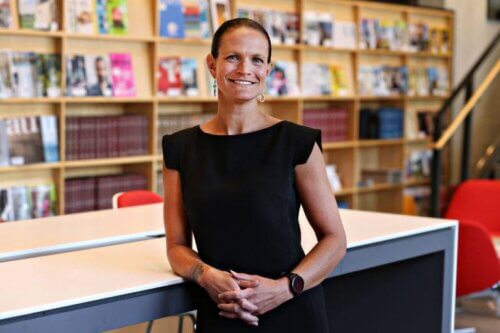
Adaheid Mestad is a Design Anthropologist within HGA’s Design Insight Group (DIG). DIG takes curiosity to another level by applying expertise and rigor to research and innovation. An interdisciplinary group with backgrounds in anthropology, data science, evidence-based research, innovation methodologies, and process improvement, DIG can approach a broad range of problems from multiple angles simultaneously.
Since joining the firm in 2018, Ada has combined her knowledge of anthropology with ethnographic research tools to translate human experiences into built environments. She has engaged in a range of research initiatives that support the design process, including the University of Wisconsin-Milwaukee Student Union renovation, the U.S. Government Bureau of Overseas Buildings Operations (OBO), UPMC Presbyterian Lifestyle Village, Walker Art Center Visitor Experience, and Marvin Windows Headquarters Employee Master Plan.
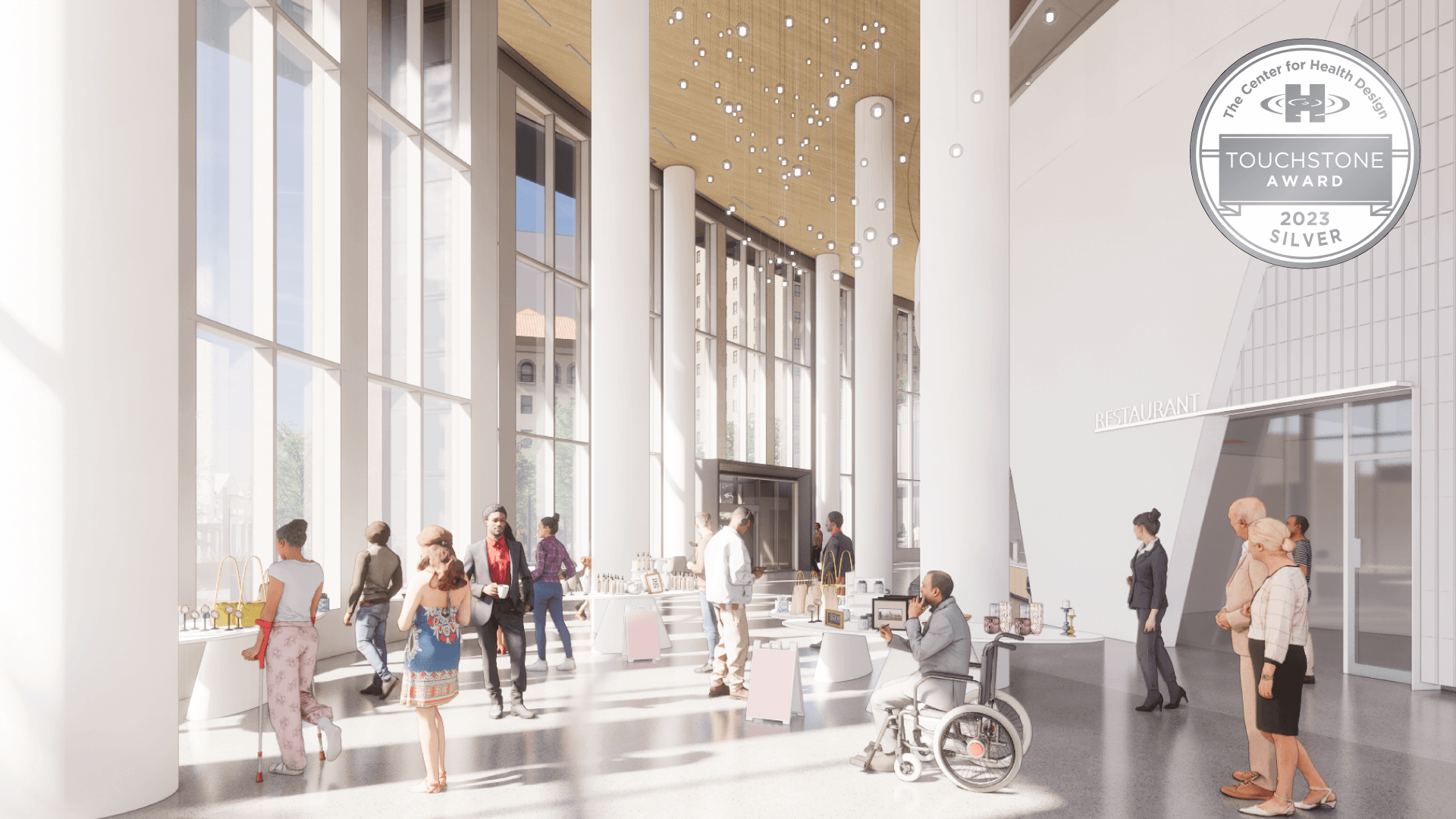
Her work has won several awards, including the Certificate of Research Excellence (CORE) award by the Environmental Design Research Association (EDRA) and Touchstone Awards for evidence-based design by the Center for Healthcare Design.
In the following, Ada shares her inspiration for advancing anthropological research in the built environment for positive impact.
What is design anthropology?
Design anthropology is an emerging subfield of anthropology that focuses on understanding and reframing social, cultural, and environmental interactions to create places and systems in partnership with people and communities. It is about understanding how people see the world and interact with it to guide the built environment.
At its core, design anthropology is participatory research that moves anthropology from just studying people to making active change with them. As designers and researchers approaching from an outside perspective, we don’t necessarily know how people interpret and give meaning to place. People and community members become partners in the process—not just research subjects. Their input drives a data-driven process.
How do you support this partnership?
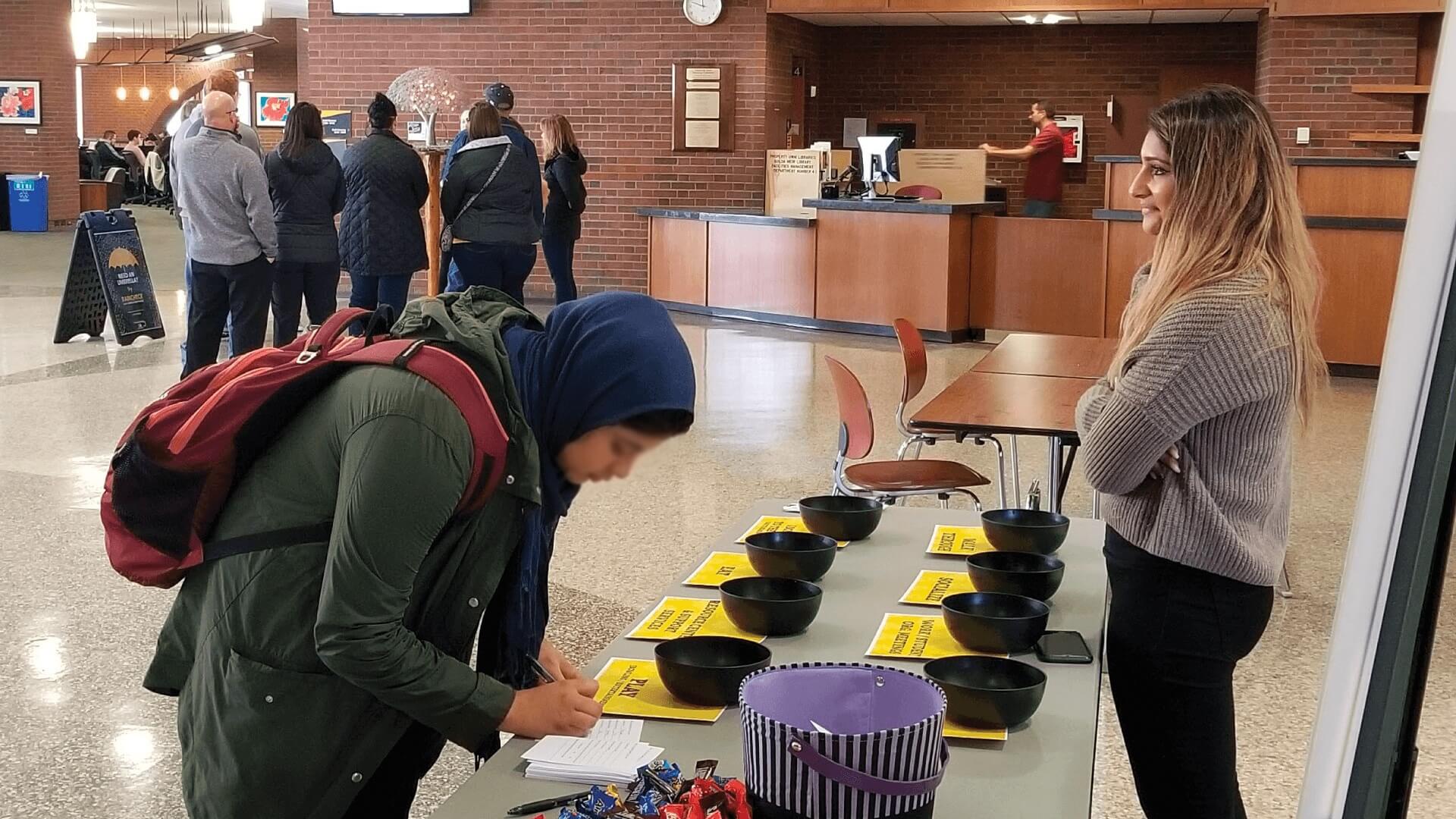
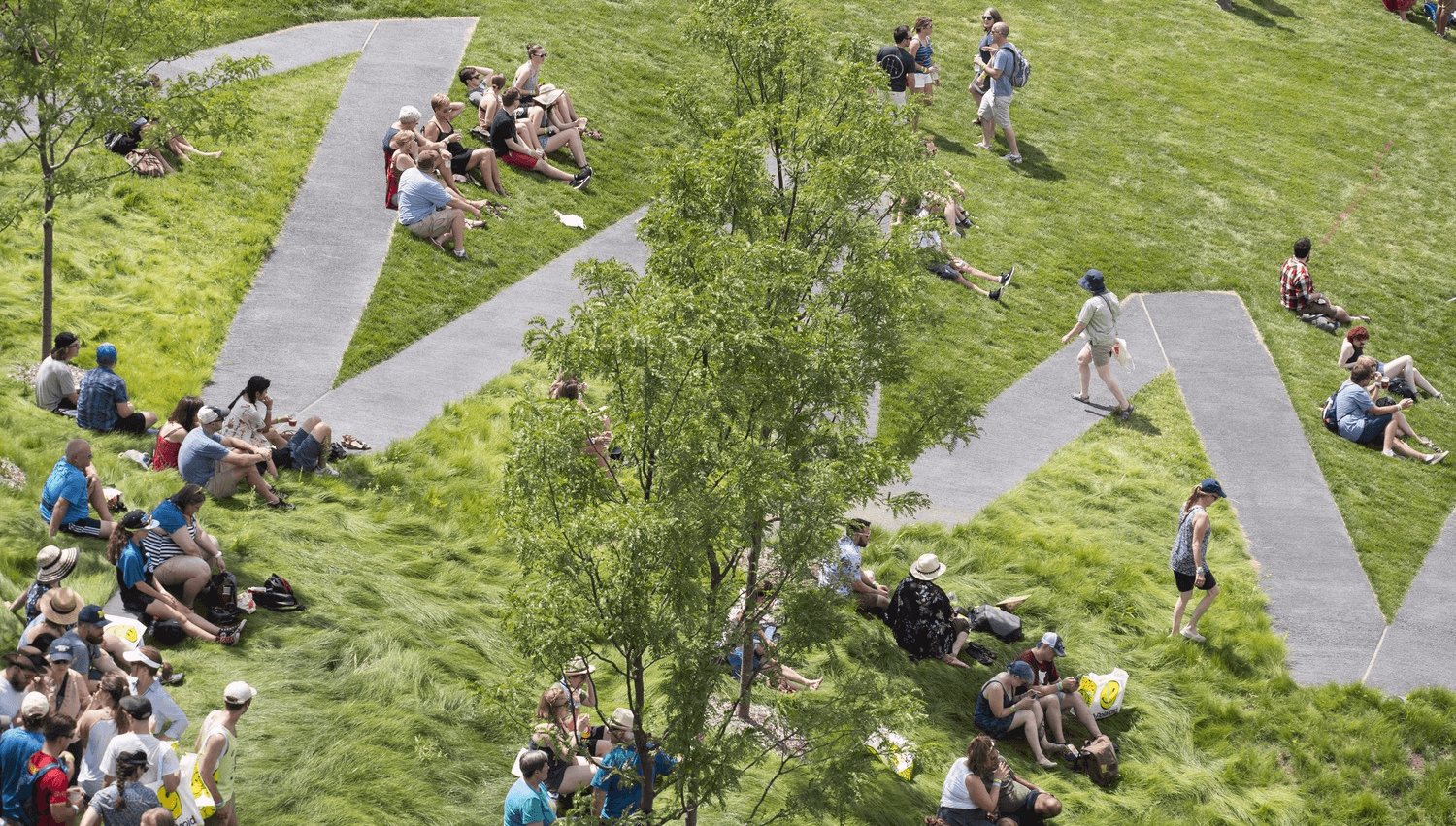
Design anthropologists are trained in ethnographic research, which tries to understand people in their environment and their social interactions. It’s about meeting people where they are at. A lot of it is hanging out with people in their daily lives. We call it participant observation. It’s about interviewing them in their home or public places that have meaning to them, walking with them, and having them narrate their journey using a variety of tools in real time.
What tools do you use to conduct participant observation?
There are pros and cons of each method and tool. Most importantly, it’s about understanding where and how people are most comfortable. At times that might involve walking alongside them in-person to conduct our research. At other times we might be as unobtrusive as possible, giving participants digital ethnographic tools to share videos, photos, audio messages to avoid influencing behavior through our presence.
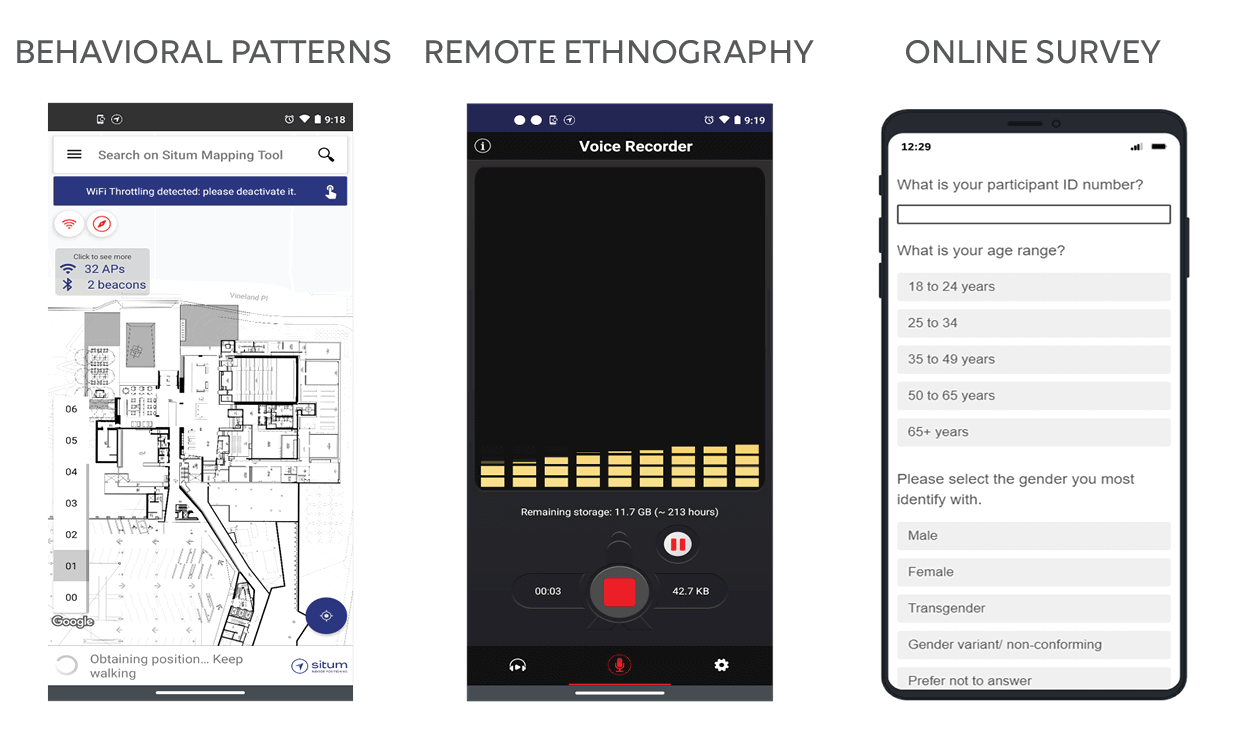
For the Walker Art Center Visitor Experience, we used a remote travel app to track where people were going and a real-time audio diary to record their experiences to understand the how and why around their behaviors as they moved through the museum. At the end, both quantitative and qualitative data helped the Walker leadership better support a welcoming and confident visitor experience.
Is the goal of ethnographic research to improve experiences?
In a way, yes. To improve the experience, it’s important to understand the context of social identities and human interactions. A unique aspect of our research lens is to understand power and social structures, sense of place and meaning, belonging, difference, identity, and the role of material culture and symbolism. We look at solutions that holistically make up an experience, which includes place, of course, but also culture and policy, process and operations, and technology.
How do you establish a sense of place that helps people connect?
There are a variety of ways to research a sense of place. For anthropologists, a sense of place describes how someone feels or views a specific environment as an expression of their social identity. For our lens, it’s more about a sense of belonging. And that’s what we are hoping to do through research—create a sense of belonging.
Are there intangibles to people’s perceptions?
We all have a perspective tied to our identity, whether it’s self-identified race, gender, religion, ethnicity, education, occupation, career, past experiences, or the intersections of these. The qualitative data we gather through ethnographic research provides depth—what we call “thick data”—which we analyze through an iterative process. It’s all about the nuances and intangibles, the ways that people see and interact with the world.
What have you discovered about yourself?
I learned that I really appreciate working with different expertise and finding ways to develop new methods and tools to understand and measure social impact through design. I continue to learn from our other DIG expertise, in addition to collaborating with architects, planners, clients, and people to translate discoveries into the built environment. That’s why I thrive on partnerships. I’m not a one–person team.
What are you looking forward to?
I think we’re just at the beginning stages of integrating applied anthropologists into the architectural and design process at HGA and the overall industry. We’ve done some great work together, but we still have room to advance the shared integration of anthropology, design, and architecture. And that’s where I get excited, connecting with others across the country, and globally—colleagues, clients, communities.
More . . .
HGA has long supported a culture for innovation across market sectors and disciplines. Through the Design Insight Group, the firm engages in a broad-based approach to research to develop new knowledge through exploration. For more information, visit HGA Research & Innovation.