
Susan Foong, LEED AP ID+C, CCIDC, WELL AP, is a Design Principal specializing in workplace interiors at HGA. Throughout her work, she leads conversations that add value to clients as they reimagine their work environments. She recently traveled to several global design conferences—including Salone del Mobile in Milan and NeoCon in Chicago—exchanging ideas with industry leaders as she attended programs and exhibits.
In the following, Susan shares takeaways that are inspiring the future of the design industry—and possibly pointing to a more positive workplace experience by design.
What are you hearing from recent global conferences?
One of the real benefits of attending these conferences is talking with people from around the world and witnessing their passion, genius, and creativity. That is inspiring.
Yet as artists, architects, and designers, we cannot help but respond to the broader social context and the needs of the last few years reaching deep within us. The sense of isolation from the shutdown perhaps propelled people to seek a simpler and more basic approach to their lives for comfort and support. This is something that we need to talk about. A traumatic event does change the way we create and design.
What would be an example of this basic or simpler approach?
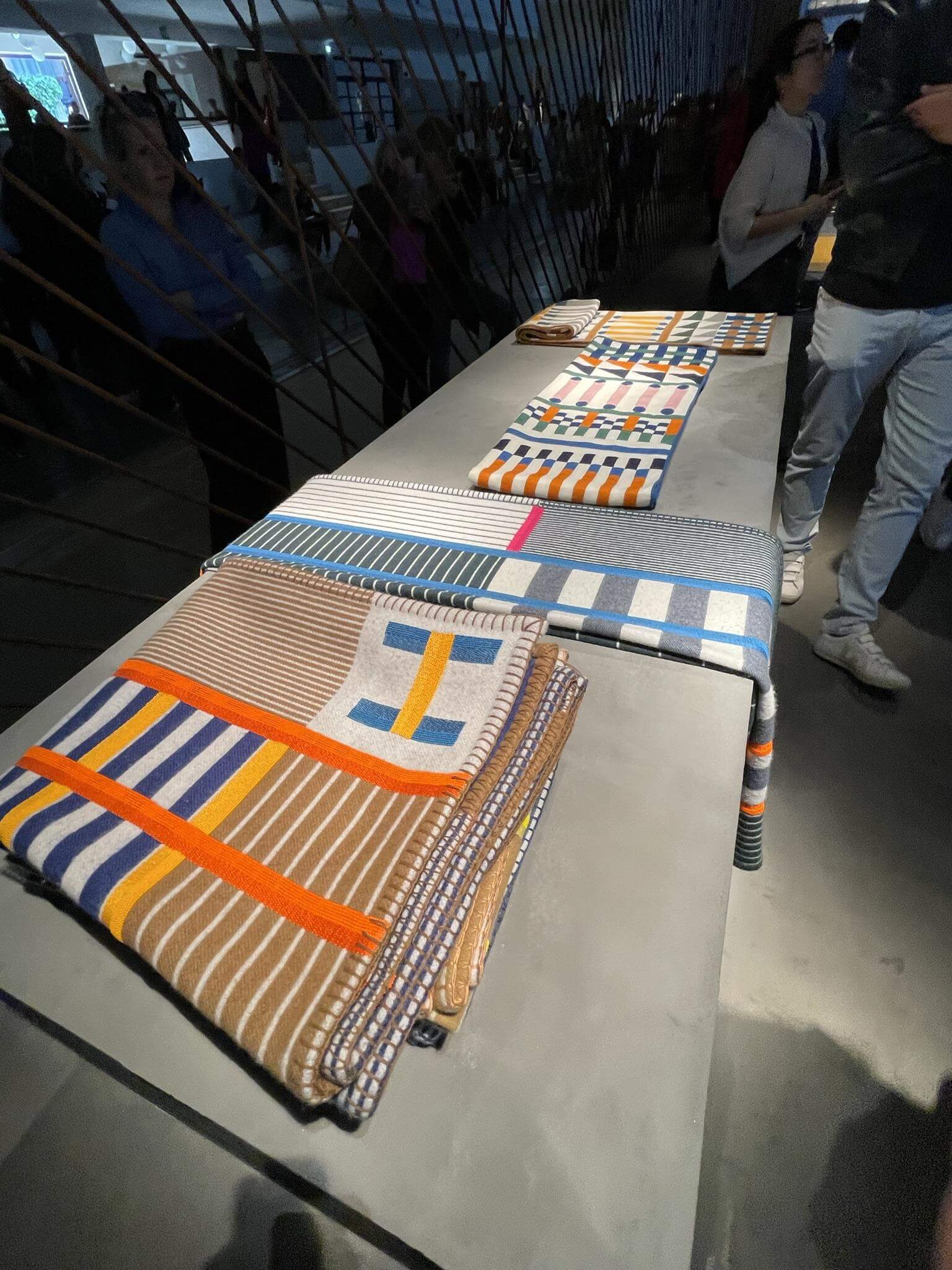
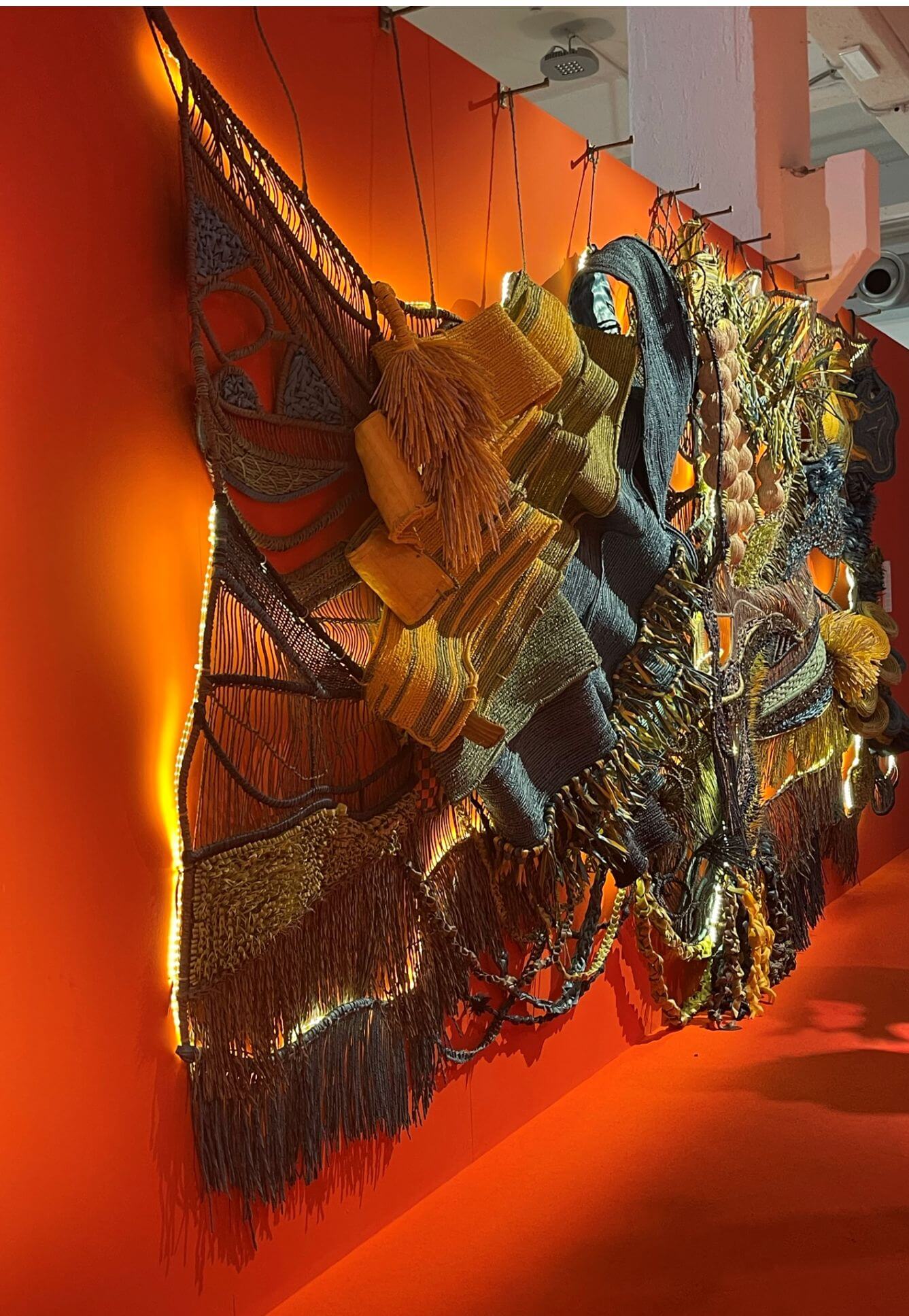
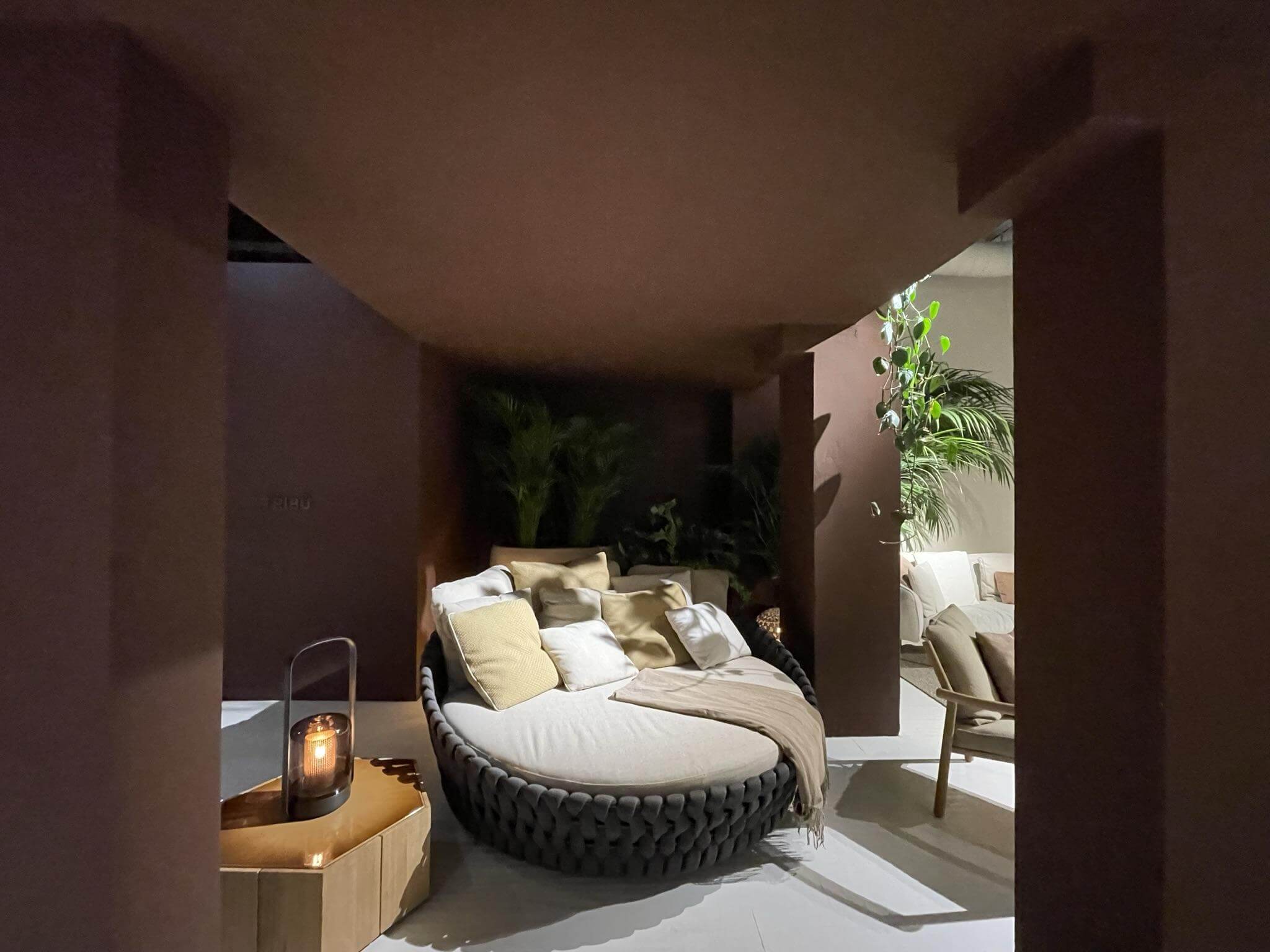
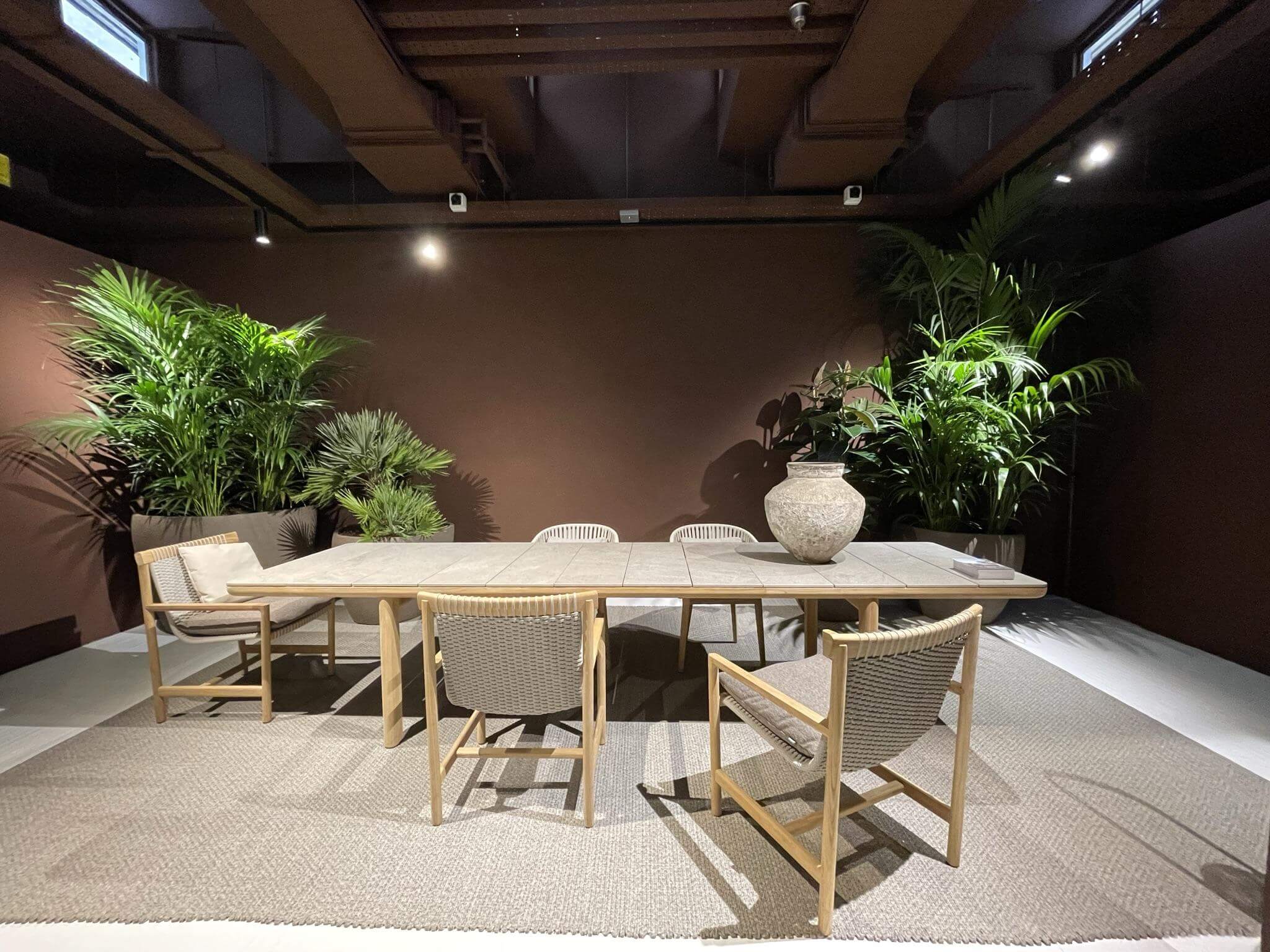
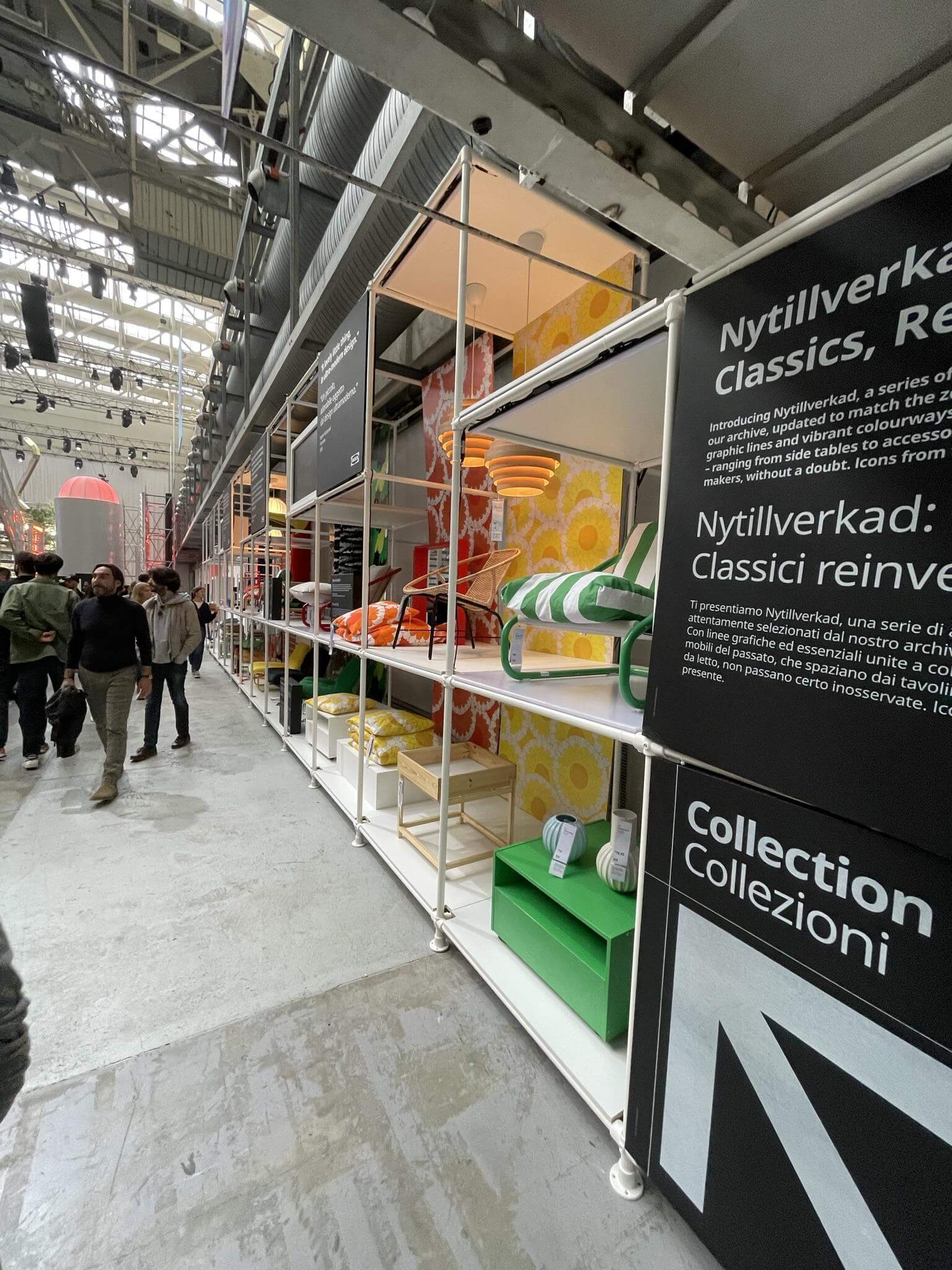
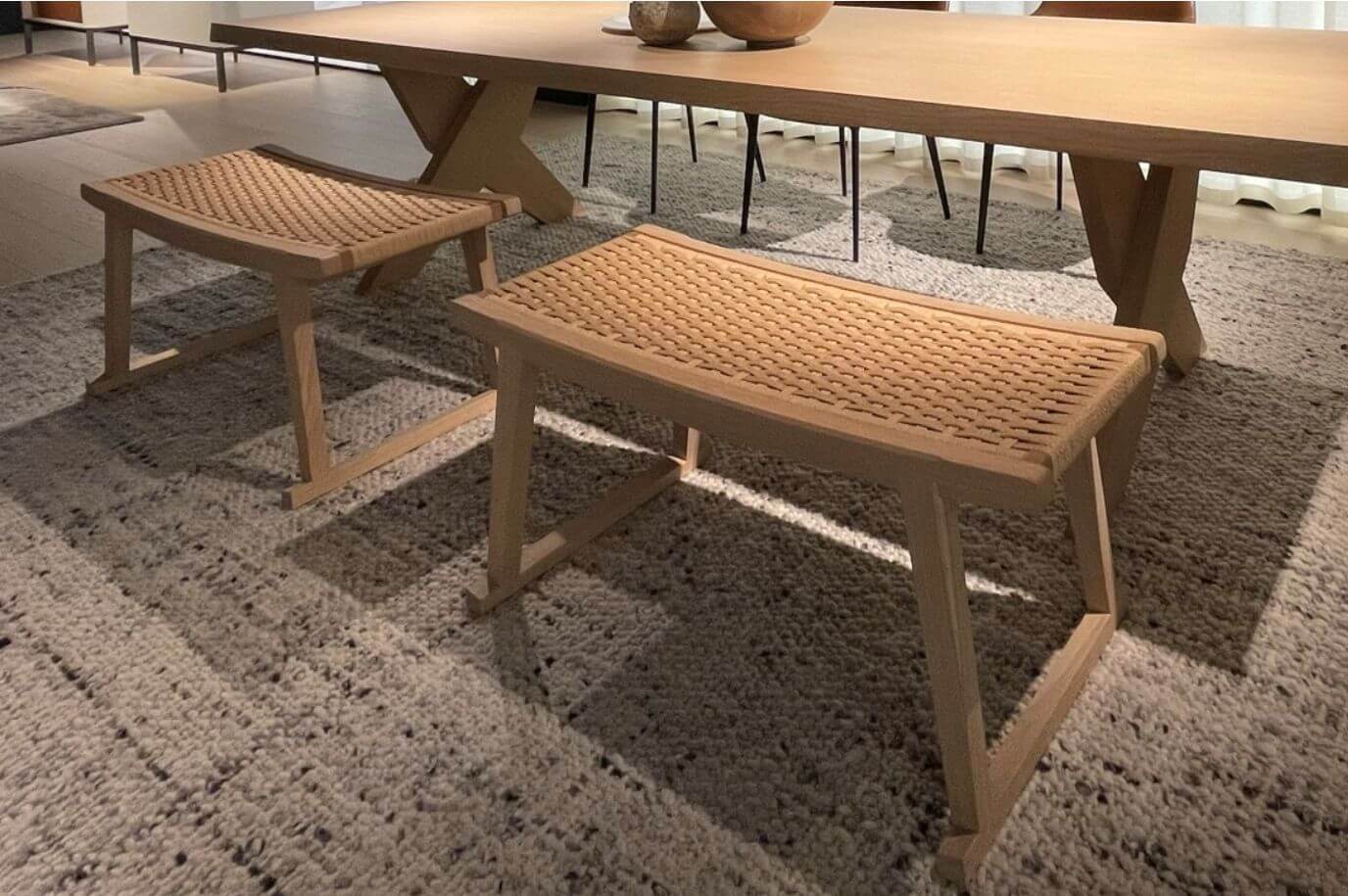
I saw a lot of exhibits that suggested a more organic or sustainable way of living, with handcrafted products found in the traditions of our past. This return to basics included everything from art to lighting, home goods, woven products, and commercial design. There seemed to be a real call for a return to basic comfort—creating connections on a visceral, tactile level.
A return to basics?
It’s very empowering for humankind. Think about Maslow’s hierarchy of needs. There is a sense of pride in doing things by hand and creating beauty from the routine. We all have been seeking comfort over the last few years.
What are examples of this comfort?
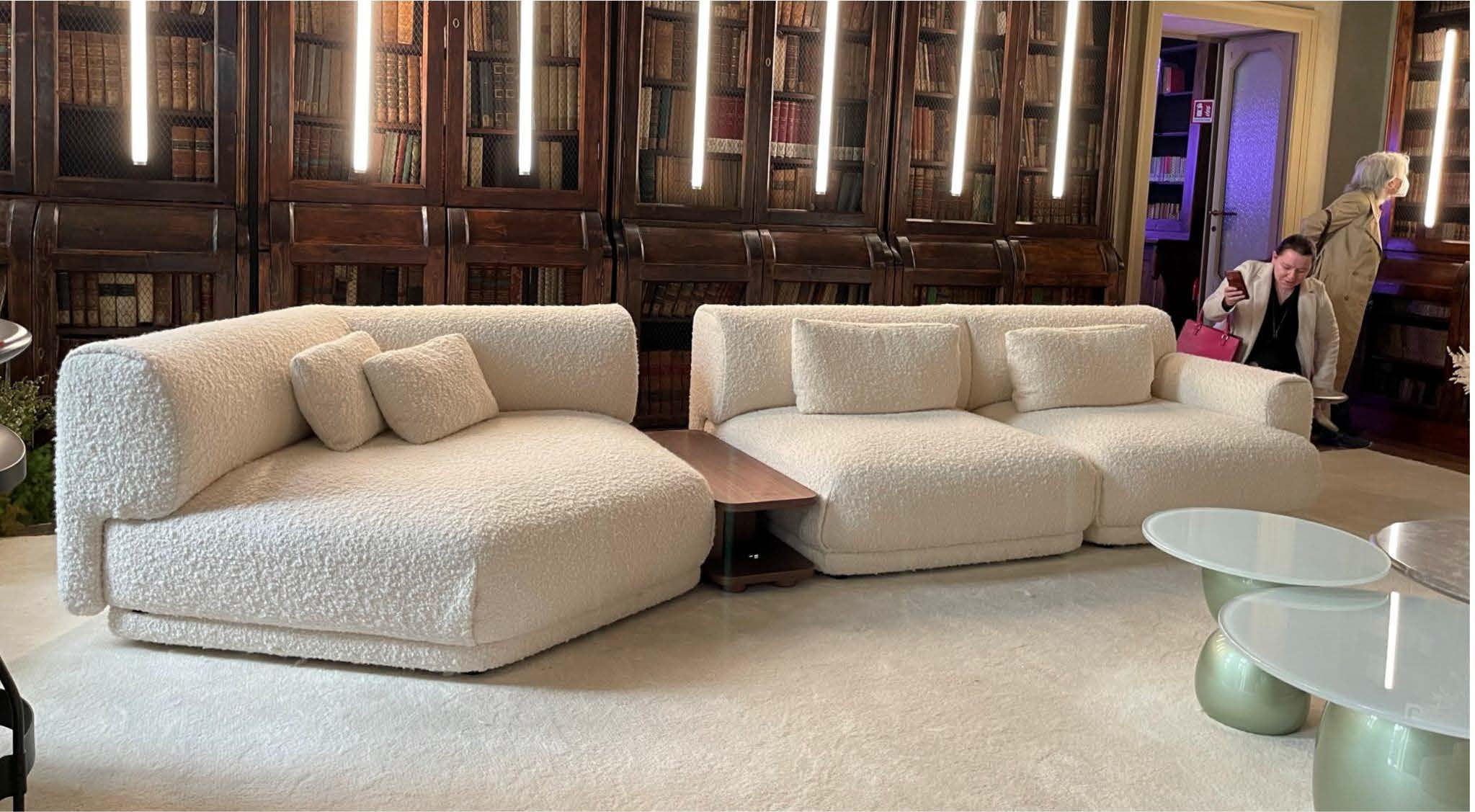
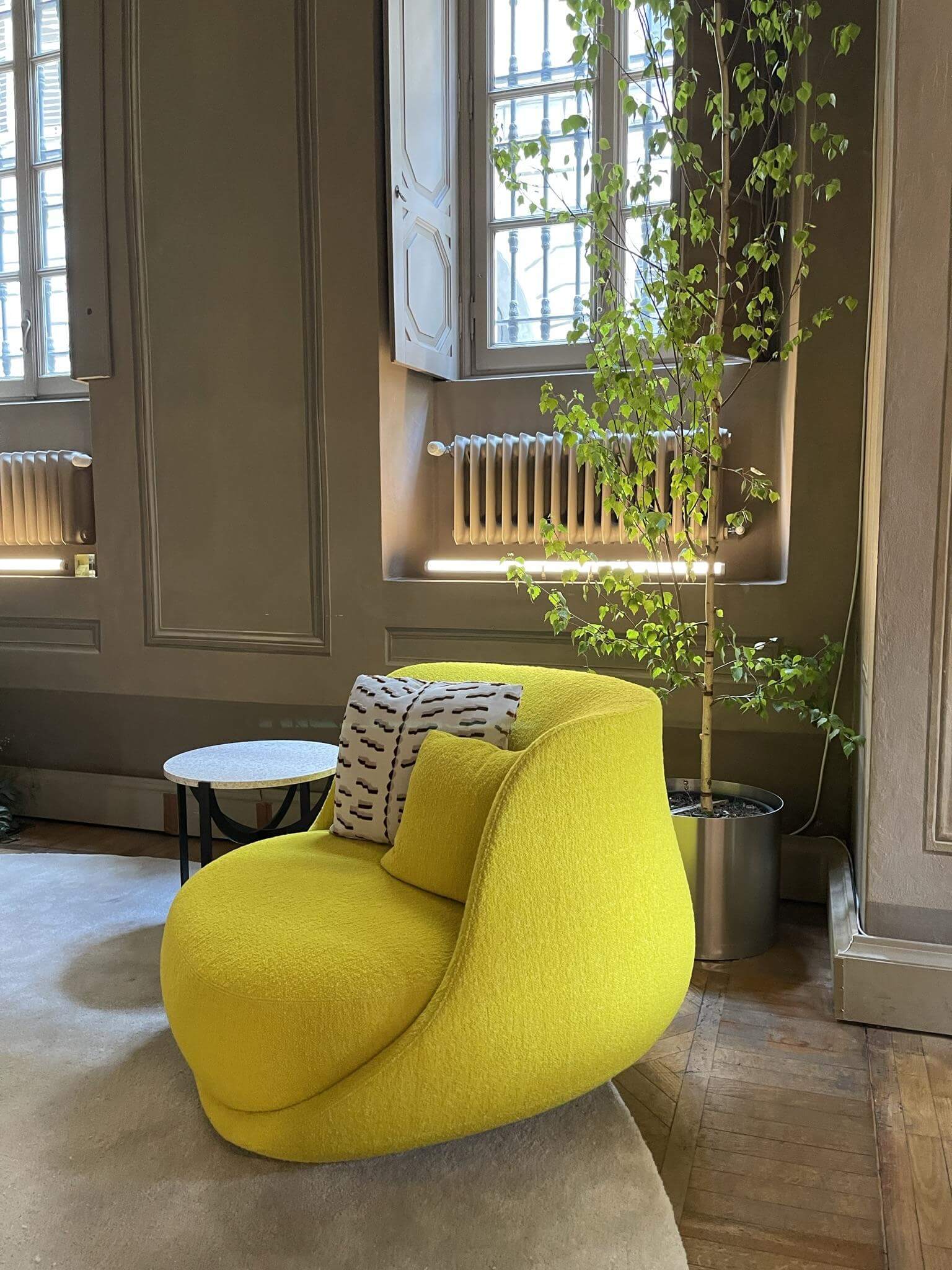
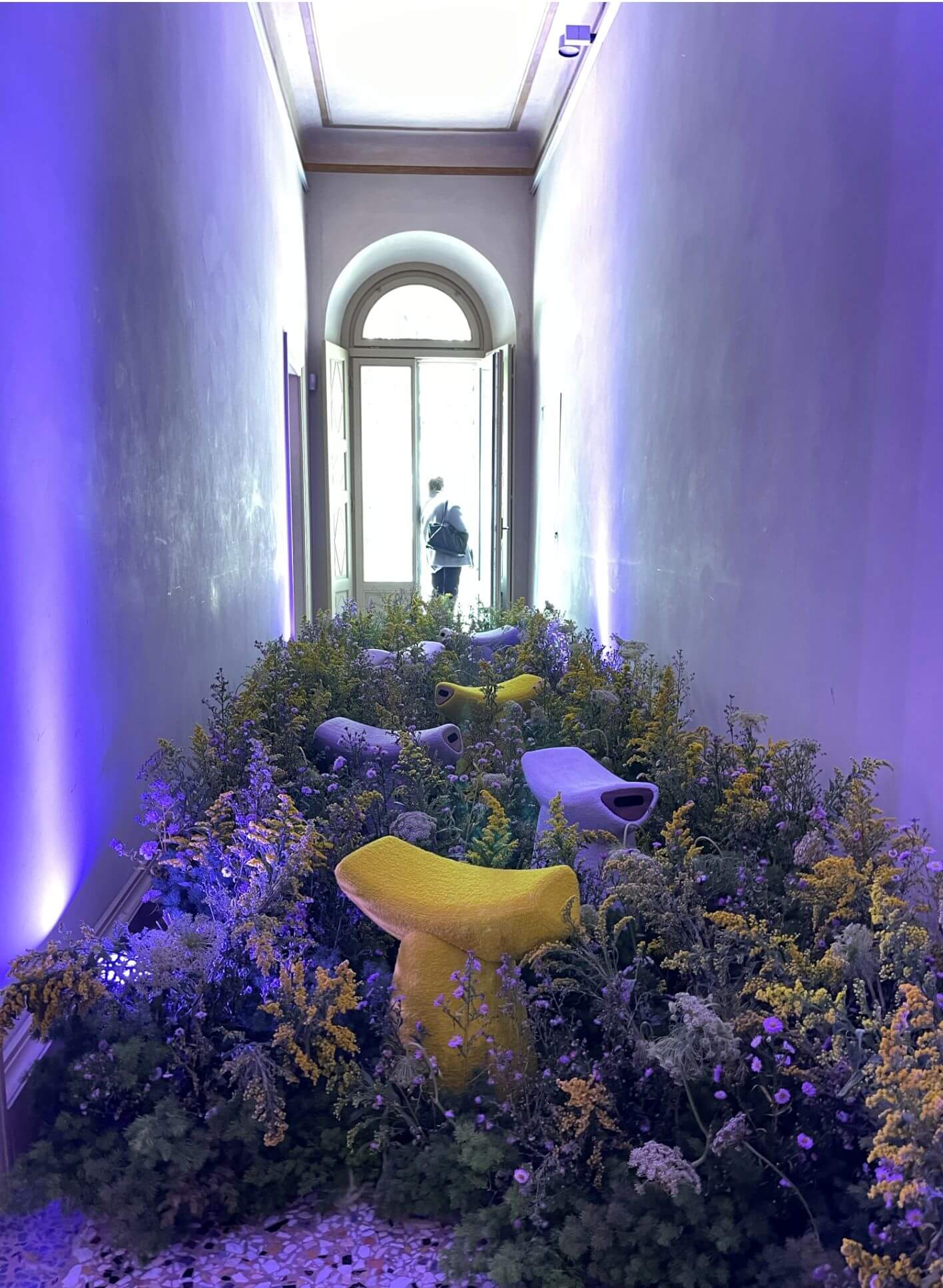
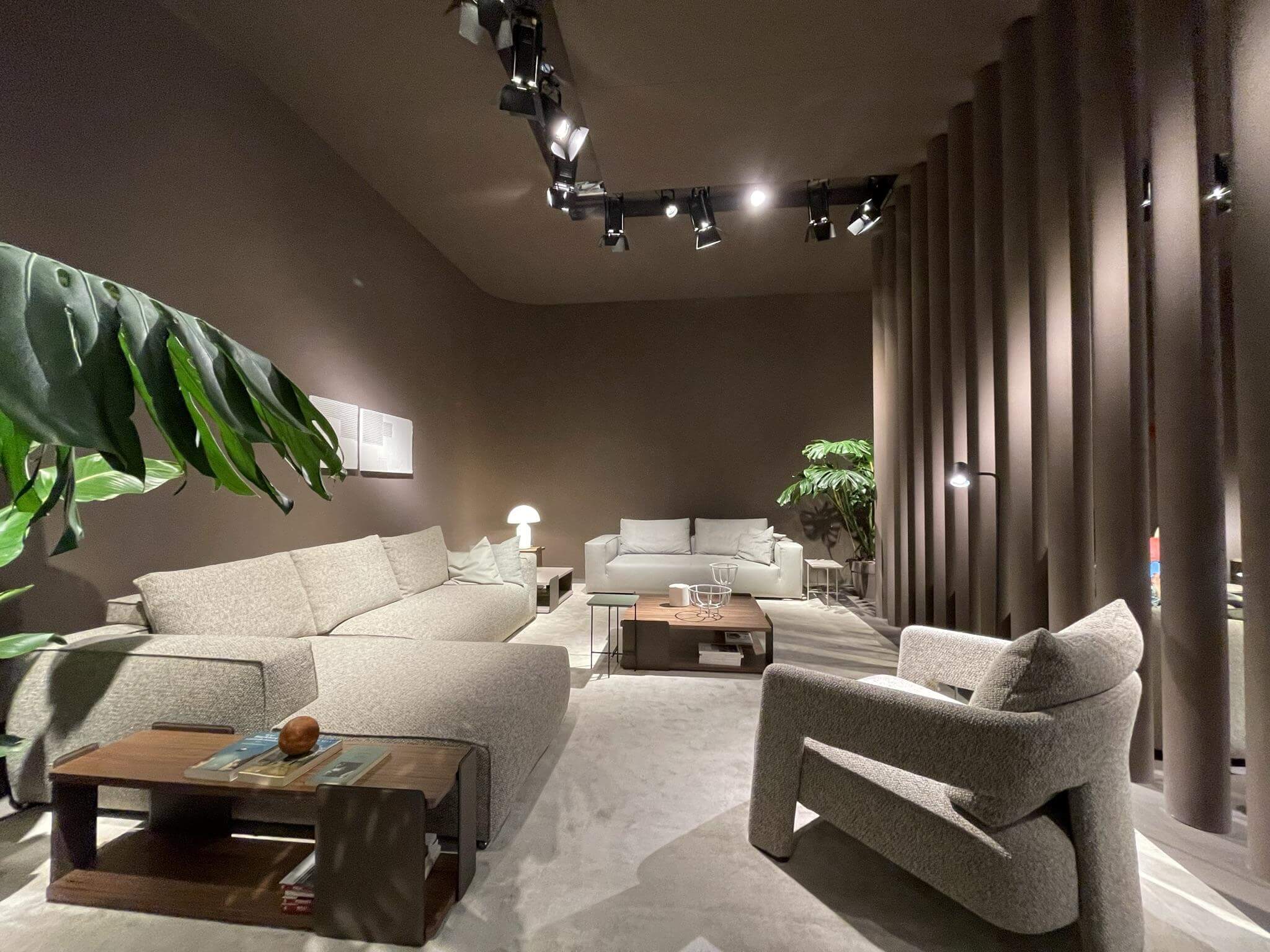
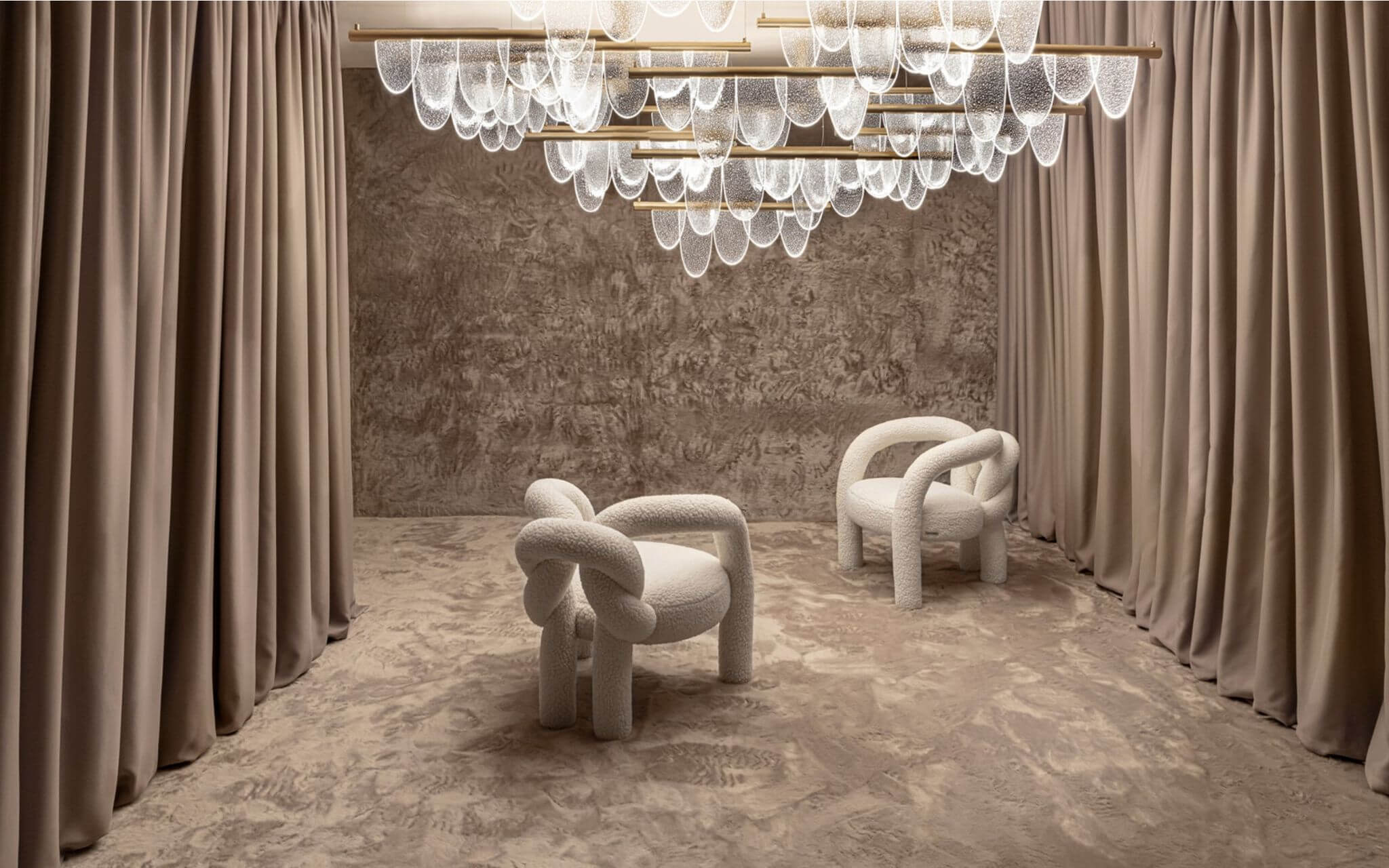
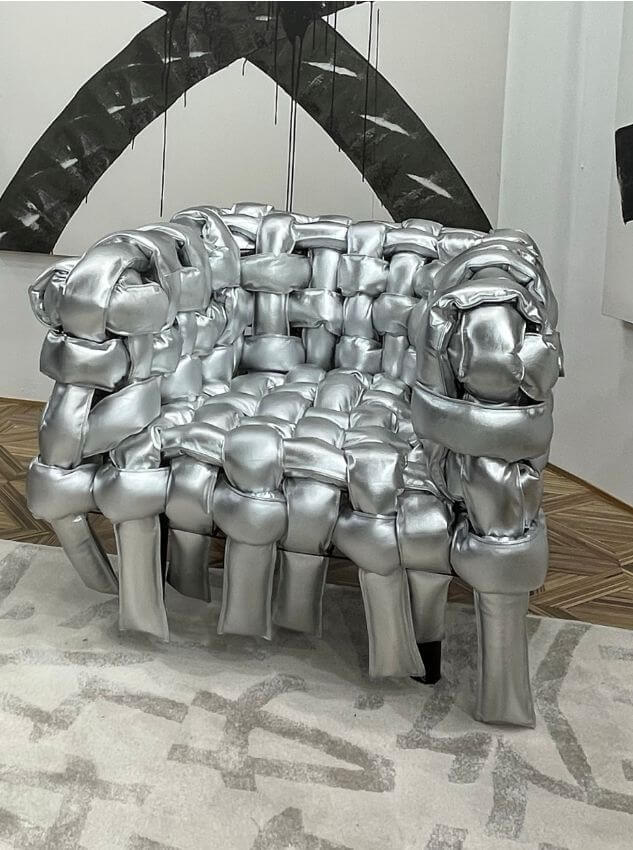
I saw lots of colors and furniture wrapped in soft textures, almost like a Teddy bear. There were examples of plush, crafted textiles that you want to touch and feel, that bring a smile to your face and warmth to your heart. This is really in contrast to the sharp and sleek finishes that we typically associate with modern European design. And yes, there were still clean designs on display—but there was an organic softness to much of it.
It sounds like designers rediscovered a simpler approach.
Maybe the pandemic brought people back to basics. There is a need for intimate human experiences. Everywhere I went at Salone and NeoCon, I saw people reaching out and touching fabrics and finishes. I think the pandemic and other social issues during the past few years created this need to go back to a sense of simple comfort. We need comforting things.
How do you create this sense of comfort in your work?
As designers, we respond to what’s going on in our life, solving the psychological and physical needs of the day. If we are going through these challenges ourselves, our clients and their employees also are going through the same thing. Salone and NeoCon helped confirm conversations I am already having with clients. Yes, people are looking for security—but they’re also looking to connect with others and collaborate.
Are we seeing a growing desire to return to the office?
There’s a lot to be said about working from home, where you often can be more productive and save commuting time. But the success of any organization is more than productivity. It’s about connecting with others and building a culture of trust and collaboration, which inspires innovation. My goal is to reimagine the office environment that will inspire creativity and shared experiences.
How do you inspire creativity?
This is an opportunity for testing and rethinking how we do things. I don’t think I have one design approach or philosophy. Usually, my design approach is a combination of many variables. My HGA colleagues and I are still very user centered and focused on clients’ individual needs, culture, and branding that make them unique. Part of my role is to help tell their stories through design.
How do you define success?
Every successful design must have the ability to move the human spirit, to evoke delight and surprise. That starts with the client. For one recent project, we approached our design through the concept of “joy spotting” by recognizing things in nature that delight us. Patterns, forms, light, colors, textures, plantings, and wildlife can engage us on many levels. Things that help us feel grateful can give us joy.
What brings you joy?
A genuine connection to something meaningful, a sense of care for others, brings me joy. I strive to create that connection in the workplace. And hopefully people will experience the ripple effects—and pass that joy and positivity to each other.